Breeds of Herding Dogs and Their Impact on Nigerian Agriculture
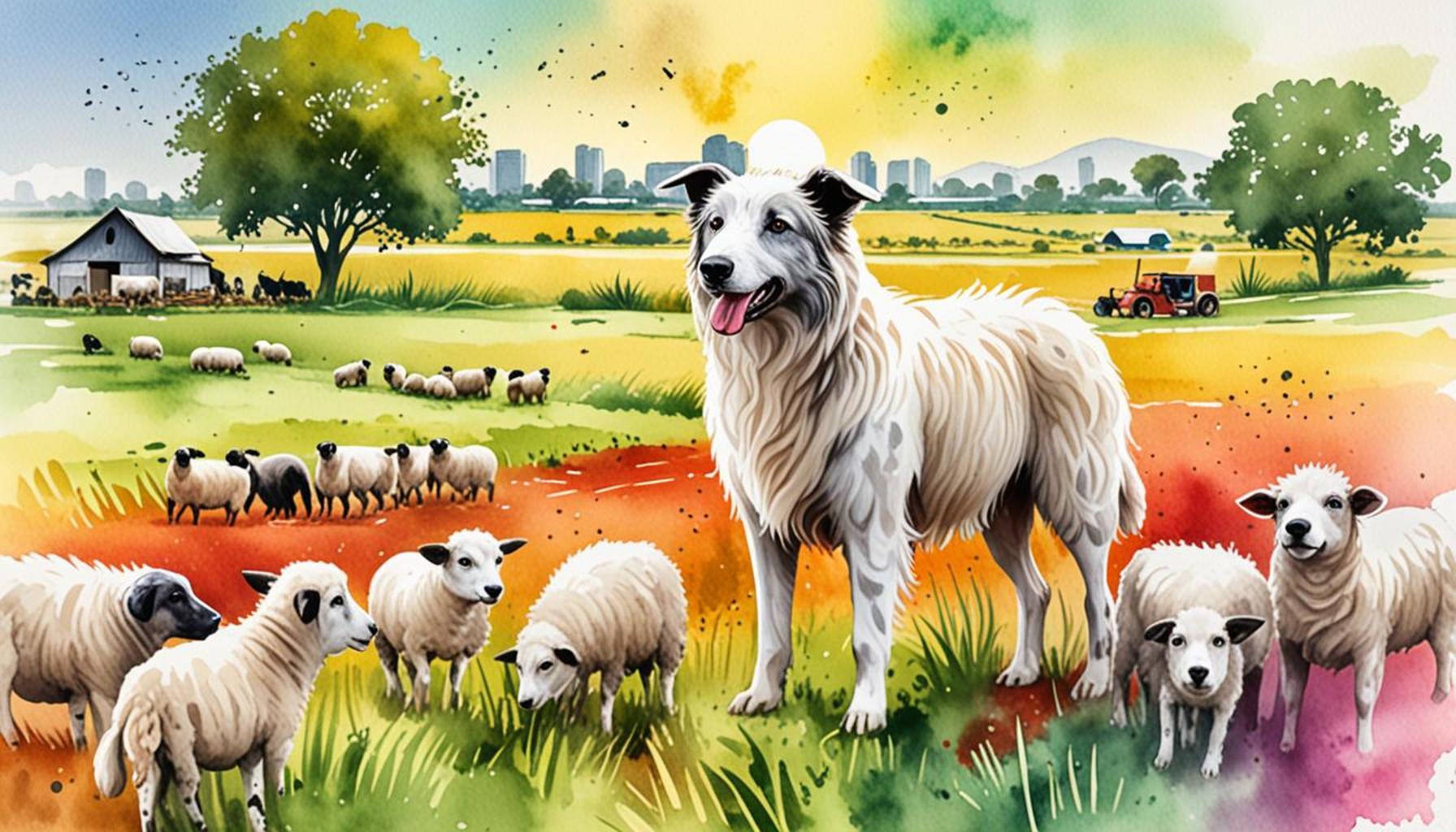
The dynamic interplay between herding dogs and agricultural practices in Nigeria is a captivating narrative that speaks to the core of rural life and efficiency. In a nation where agriculture serves as a backbone for both sustenance and economic growth, the role of these dogs becomes not only interesting but fundamentally essential for improved farm productivity. Characterized by their unique skills and adaptability, herding dogs hold the potential to transform livestock management, particularly in remote areas where traditional farming methods prevail.
Key Breeds of Herding Dogs
- Belgian Malinois – This breed is prized for its sharp intelligence and agility. Known to excel in herding sheep and cattle, the Belgian Malinois makes a valuable companion for farmers, especially when guiding livestock over difficult terrains or through narrow paths.
- Australian Cattle Dog – Renowned for their high energy and endurance, Australian Cattle Dogs are an ideal match for active farming environments. Their instinctive ability to control and direct movements ensures that livestock remains organized, reducing stress on both the animals and the handlers.
- Border Collie – Often considered the epitome of herding dogs, Border Collies possess exceptional herding instincts and intelligence. Their ability to assess situations quickly makes them a favorite among livestock farmers who demand precision and speed.
Impact on Agriculture
The incorporation of herding dogs within Nigerian agricultural systems positively influences various aspects of farm management.
- Improved livestock management – Herding dogs significantly decrease the likelihood of livestock straying. This is crucial in regions where free-range grazing is common, helping farmers keep better track of their herds while reducing losses.
- Enhanced productivity – By streamlining the process of herding and driving livestock to grazing areas, herding dogs contribute to more efficient farming operations. This leads to healthier, more productive animals, which directly benefits the farmer’s bottom line.
- Positive economic impacts – Herding dogs support livestock farmers not only by improving management practices but also by fostering better overall animal health. Healthier livestock result in increased yield and profitability, enabling farmers to invest further in their operations.
As we explore the specific breeds and their distinct contributions to Nigerian agriculture, it becomes evident that herding dogs play a pivotal role that extends beyond mere companionship. Their integration into farming practices represents a significant opportunity for enhancing agricultural productivity and sustainability across the nation. By understanding and utilizing these breeds effectively, farmers can harness the full potential of their capabilities, inviting an era of improved agricultural efficiency in Nigeria.
LEARN MORE: This related article may interest you
The Role of Herding Dogs in Nigerian Agriculture
In Nigeria, where agriculture is not only a way of life but also a critical driver of economic stability, the introduction of herding dogs has been a game-changer for farmers. The alignment of traditional farming practices with modern herding techniques has allowed for a more proficient approach to livestock management, particularly in pastoral regions of the country. Herding dogs are adept at navigating the unique challenges posed by Nigeria’s diverse topography, including arid regions, wetlands, and rugged terrains.
Adopting herding dogs can dramatically influence the dynamics of livestock farming. The breeds mentioned previously—Belgian Malinois, Australian Cattle Dog, and Border Collie—each bring unique skills that cater to the needs of Nigerian farmers. For instance, the Belgian Malinois not only herds but also protects livestock from predators, a critical function in areas where wild animals pose threats to cattle and sheep. Meanwhile, the Australian Cattle Dog thrives in environments where speed and endurance are paramount, effectively managing large herds across extensive grazing fields. Additionally, the Border Collie is known for its ability to think independently and make quick decisions, which is exceptionally beneficial in managing the complex behaviors of livestock.
Benefits to Livestock Management
The positive impacts of herding dogs extend far beyond mere guidance and herding functions. Here are some specific benefits they provide to the agricultural sector:
- Reduction in livestock losses – Herding dogs help keep animals within designated grazing areas, reducing the risk of theft or predation. This is particularly vital for smallholder farmers whose livelihoods depend on the health and safety of their livestock.
- Efficient grazing practices – With the assistance of herding dogs, farmers can implement more effective rotational grazing techniques. By managing where livestock graze, dogs contribute to land conservation and promote better soil health, leading to sustainable farming practices.
- Stress reduction for livestock – The intuitive nature of herding dogs allows them to herd animals more calmly and efficiently. This reduces anxiety in livestock, which can lead to better overall health and improved growth rates.
The integration of herding dogs into farming operations can also yield environmental benefits. Proper livestock management practices foster biodiversity, as herding dogs help maintain the balance between grazing and pasture recovery. This balance is essential in a country where overgrazing can lead to desertification, particularly in the northern regions impacted by climate change. By implementing herding dogs in livestock management, farmers can adopt a more holistic approach that not only increases productivity but also safeguards the environment.
As Nigerian agriculture evolves, the synergistic relationship between herding dogs and farmers becomes even more significant. These canine companions are not simply tools for aiding in livestock management; they embody a transformational element that can enhance both the quality of farm operations and the resilience of local agricultural practices. The journey of exploring how these breeds influence agricultural output is just beginning, unraveling layers of insight into their importance in the heart of Nigeria’s farming landscape.
Understanding the Role of Herding Dogs in Nigerian Agriculture
The significance of herding dogs in the agricultural landscape of Nigeria cannot be overstated. These breeds are not just companions; they are integral to the day-to-day operations of farms, especially in rural areas where livestock management is crucial. The relationship between herding dogs and Nigerian farmers highlights a symbiotic connection that enhances productivity and ensures sustainability in agricultural practices.
Among the most notable breeds utilized in this sector are the Belgian Malinois, Australian Cattle Dogs, and the Nigerian indigenous breeds adept at managing herds of cattle, goats, and sheep. Each of these breeds possesses unique qualities that contribute significantly to agricultural efficiency. For instance, Australian Cattle Dogs are renowned for their intelligence and agility, making them exceptional at rounding up livestock in expansive grazing lands.
Additionally, the use of these dogs minimizes the labor required for herding tasks. Farmers equipped with trained herding dogs can effectively manage larger herds without straining their resources or requiring additional manpower. This is particularly beneficial in regions where labor costs are high, thereby providing economic advantages for farmers.
Moreover, herding dogs increase the safety of livestock from predators, which is a growing concern in many Nigerian agricultural areas. By guarding flocks, these dogs not only enhance the survival rates of the animals but also help secure the livelihoods of farmers depending on them for their income.
Incorporating herding dogs into agricultural practices represents a forward-thinking approach that combines tradition with modern efficiencies. As Nigeria continues to evolve its agricultural frameworks, understanding and leveraging the role of herding dogs can lead to transformative changes in both productivity and sustainability.
| Breeds of Herding Dogs | Advantages |
|---|---|
| Belgian Malinois | Exceptional agility and intelligence for livestock management. |
| Australian Cattle Dogs | Able to cover large areas efficiently, reducing labor costs. |
| Indigenous Nigerian Breeds | Local adaptation ensuring deep understanding of local terrain and challenges. |
Exploring the breeds of herding dogs integral to Nigerian agriculture opens doors to understanding their pivotal role in enhancing productivity and fostering a sustainable agricultural future.
ADDITIONAL INSIGHTS: Expand your understanding here
Enhancing Productivity through the Smart Utilization of Herding Dogs
As the agricultural landscape in Nigeria continues to adapt to modern practices, the strategic integration of herding dogs not only boosts productivity but also facilitates innovative farming techniques. This evolution highlights the urgent need for farmers to embrace these breeds as key players in their agricultural strategies. With livestock management being paramount in Nigeria, herding dogs are revolutionizing methods of production.
Optimizing Workforce Efficiency
The introduction of herding dogs significantly enhances the overall workforce efficiency of farming operations. By leveraging their natural herding instincts, farmers can redirect their focus on other essential agricultural activities, thereby increasing productivity. For example, Belgian Malinois have proven particularly effective in assisting farmers in coordinating and moving livestock during peak seasons, such as when preparing for market sales or during migrations to greener pastures. This not only saves time but also enables farmers to allocate their labor resources more effectively.
Combating Environmental Challenges
Nigeria faces numerous environmental challenges, including drought, flooding, and soil degradation. Herding dogs can play an instrumental role in combating these issues through improved pasture management. The Australian Cattle Dog excels at herding in large, open areas and directs cattle towards less impacted grazing land, allowing for sustainable recovery of overgrazed pastures. Implementing more adaptive grazing patterns minimizes soil erosion while fostering healthier ecosystems, critical for the long-term viability of agriculture.
Training and Local Adaptation
The effectiveness of herding dogs largely depends on their training, which can be tailored to meet local farming needs. Collaborative efforts between agricultural extension services and canine trainers can yield value-added training programs that teach farmers how best to utilize these dogs in their specific environment. Traditionally, local farmers have used indigenous methods, but incorporating a systematic training approach can enhance the dogs’ capabilities, integrating them more deeply into farming operations.
- Research initiatives – Universities and agricultural research institutions in Nigeria are beginning to explore the benefits of herding dogs. Pairing academic research with hands-on practical training could lead to the development of comprehensive training manuals, setting a standard for maximizing effectiveness.
- Community support programs – By forming community groups focused on herding dog demonstrations, farmers can share best practices and success stories. Such initiatives will foster collaboration, encouraging farmers to invest in herding dogs and witness firsthand the advantages they provide.
The presence of herding dogs in Nigerian fields also carries important implications for livestock breeding strategies. Farmers can implement selective breeding practices, given the improved health and reduced stress levels in livestock managed with the aid of herding dogs. The resulting healthier livestock not only enhances farm profitability but helps improve local agricultural output, thereby contributing to national food security.
Furthermore, the emotional bond formed between farmers and their herding dogs fosters a sense of partnership in facilitating agricultural growth. Many farming families view these dogs as invaluable companions that support their livelihood efforts, reflecting the profound impact they have on the social fabric of rural communities.
In this continuously evolving agricultural sector, the roles that herding dogs play are expansive. Nigerian farmers are discovering that the knowledge of herding breeds can be the key to unlocking new levels of productivity, sustainability, and environmental resilience, making this unexpected partnership one to watch in the future of agriculture.
YOU MAY ALSO LIKE: Read read another article
Conclusion: A Transformative Partnership for the Future
The integration of herding dogs into Nigerian agriculture signifies a pivotal shift in agricultural practices, enhancing productivity and fostering sustainable farming techniques across the nation. As we’ve explored, breeds such as the Belgian Malinois and Australian Cattle Dog not only streamline livestock management during critical periods but also contribute to combating pressing environmental challenges like soil degradation and drought. By optimizing workforce efficiency, these dogs enable farmers to focus on crucial agricultural responsibilities, thereby increasing overall productivity and profitability.
Moreover, the benefits extend beyond mere operational improvements. The training of herding dogs tailored to local farming practices holds potential for empowering communities, as farmers adopt innovative methods and share success stories. The strong>emotional bond formed between farmers and their canine partners fosters a sense of trust and cooperation, which is essential in rural communities where agriculture remains a cornerstone of life. This newfound partnership has implications not just for livestock management but also for enhancing food security and promoting agricultural resilience amid the stigma of environmental challenges.
As Nigerian agriculture continues to evolve, the strategic incorporation of herding dogs could very well serve as a transformative force in achieving sustainable development goals. It is imperative for stakeholders—from farmers to policymakers—to explore and invest in this synergistic relationship. Looking to the future, embracing the knowledge and skills associated with herding breeds could pave the way for a more productive, sustainable, and prosperous agricultural landscape in Nigeria.