Pet Animal Breeds That Help with Therapy and Well-Being in Nigeria

The Role of Animal Companionship in Mental Health
In Nigeria, as urbanization continues to shape the landscape of cities and communities, the impact on mental health is becoming increasingly significant. With the hustle and bustle of city life leading to heightened stress levels, many are turning to the calming presence of pet animals as a source of comfort. This phenomenon, often referred to as animal therapy, fosters emotional support and plays an essential role in promoting mental well-being.
Research has shown that the bond between humans and animals can provide a unique form of relief from stress and anxiety. Various animal breeds are particularly noted for their therapeutic qualities, making them exceptional companions for those in need of emotional support. In the Nigerian context, the following breeds have gained popularity for their distinctive attributes:
- Dogs: Known as “man’s best friend,” dogs have an innate ability to bond with humans. Breeds like Labrador Retrievers and Golden Retrievers are particularly renowned for their friendly dispositions, making them effective in reducing anxiety and elevating mood. Their loyalty and attachment can create a safe environment for individuals grappling with mental health issues.
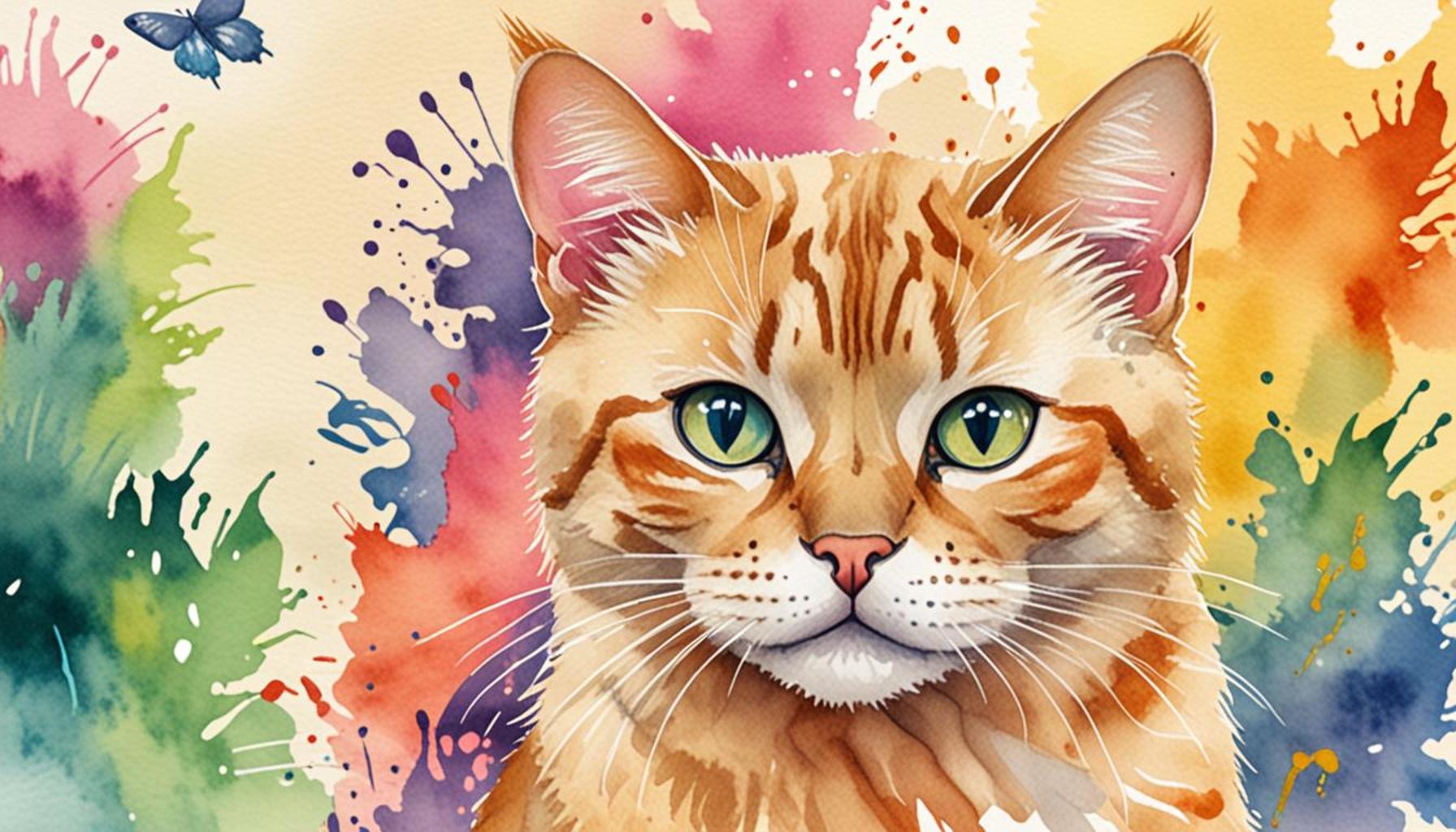
- Cats: Often seen as independent creatures, cats possess a soothing presence that many find comforting. The gentle vibration of a cat’s purr can have a calming effect, promoting relaxation and helping to alleviate stress. In Nigeria, local breeds such as the West African Dwarf Cat offer companionship that many find enriching.
- Rabbits: With their gentle demeanor and soft fur, rabbits make great companions for those in need of emotional support. Their playful nature can bring joy and distraction during difficult times, making them an excellent choice for families or individuals seeking mental solace.
The integration of these animals into therapeutic practices is on the rise, with an increasing number of organizations and mental health professionals adopting animal-assisted therapy approaches. By having a pet in therapeutic settings, practitioners can create nurturing environments that facilitate emotional healing. Furthermore, studies indicate that interacting with animals can lower cortisol levels (the stress hormone) while increasing levels of serotonin and dopamine, which are essential for regulating mood.
In Nigeria, community-based initiatives are also emerging, where rescued animals are paired with individuals facing mental health challenges. These programs not only provide emotional support but also foster a sense of responsibility and connection for the participants. As we further explore the profound impact of these animal companions, it becomes clear that fostering human-animal connections can lead to enhanced mental wellness amid the challenges of urban living in Nigeria.
In conclusion, the companionship of animals offers a pathway toward improved mental health and well-being. By understanding the specific breeds that excel in therapeutic roles, individuals and families can harness the unique benefits that these pets provide, creating an environment where emotional healing becomes both possible and rewarding.
LEARN MORE: This related article may interest you
Exploring Therapeutic Breeds for Emotional Support
As mental health awareness surges in Nigeria, the exploration of pet animal breeds that assist with therapy and well-being becomes increasingly vital. The unique bond between humans and animals not only enriches lives but also serves as a crucial support system for emotional challenges. In Nigeria, where traditional views often intertwine with contemporary approaches to wellness, certain breeds have emerged as frontrunners in providing therapeutic benefits.
Among the most notable are dogs, who continue to hold a place of prominence in its bustling cities and serene villages. Specifically, therapy breeds such as the Labrador Retriever and Golden Retriever exhibit characteristics that make them excellent companions. Their innate friendliness, eagerness to please, and patience have made them popular choices not only for individual therapy but also in community programs across Nigeria. With their deep emotional connection to humans, these breeds have been featured in local initiatives aimed at supporting individuals battling anxiety and depression.
Cats also play a significant role in enhancing well-being, particularly within households in urban settings like Lagos and Abuja. Known for their calming nature, cats such as the West African Dwarf Cat can provide a sense of tranquility with their gentle purring. Studies indicate that simply petting a cat can increase feelings of calmness and reduce stress. In a fast-paced environment where the pressures of daily life can often feel overwhelming, the presence of a cat can serve as a soothing balm for many.
Furthermore, rabbits have become beloved companions for families and individuals alike. Their playful antics and soft, cuddly fur are inherently comforting, making them excellent sources of emotional support. Local initiatives in Nigeria have begun to include rabbits in therapy programs, recognizing their ability to promote joy and distraction for those in need and unveiling an alternative avenue for therapeutic benefit.
- Dogs: With their keen sense of empathy and instinct to protect, breeds such as the Labrador and Golden Retriever excel in various therapy roles.
- Cats: Independent yet affectionate, cats like the West African Dwarf Cat provide companionship and reduce feelings of isolation.
- Rabbits: Their gentle and playful nature fosters a nurturing environment, making them ideal for family settings and therapy.
As Nigeria witnesses a shift towards integrating animal-assisted therapy into mental health practices, mental health professionals are recognizing the impressive benefits that these animals can provide. By including therapy animals in counseling settings, practitioners find they can create an inviting atmosphere conducive to healing. The combination of human interaction and animal companionship is reshaping how therapy is approached, and the impact is becoming increasingly visible across the nation.
In conclusion, as Nigerians continue to embrace the mental health benefits of pet animals, understanding which breeds offer the most therapeutic support remains essential. From loyal dogs that offer companionship to soothing cats and playful rabbits, the journey to emotional healing is enriched through these unique connections. As we dive deeper into examining the impact of these nurturing animal relationships, it becomes clear that they hold the potential to transform lives and enhance overall well-being in the ever-evolving landscape of mental health in Nigeria.
| Pet Animal Breeds | Therapeutic Benefits |
|---|---|
| Golden Retriever | Highly sociable and known for their affordability, they provide emotional support through their gentle nature and loving disposition, contributing positively to mental health. |
| Labrador Retriever | This breed’s adaptability and friendly demeanor make them excellent therapy animals, helping to reduce anxiety and promote feelings of happiness in various settings. |
| Poodle | Known for their intelligence, poodles can be trained to assist individuals with disabilities, offering companionship and a sense of purpose while improving cognitive functions. |
| Bulldog | These pets are known for their calm demeanor, making them ideal for those needing a comforting presence, facilitating stress relief and emotional support. |
In Nigeria, choosing the right breed can greatly enhance the therapeutic experience, as these animals not only foster companionship but also contribute to overall well-being. Engaging with these breeds can lead to numerous advantages including improved emotional stability and social interaction. As you explore the world of therapy animals, consider how these adorable breeds could benefit you or someone you know. Dive deeper into the unique characteristics of each breed, and discover how they can make a meaningful difference in therapy settings across the country.
ADDITIONAL INSIGHTS: Expand your understanding here
Alternative Breeds and Their Therapeutic Impact
In addition to the more commonly recognized breeds, there exist a variety of pet animal breeds in Nigeria that contribute significantly to therapy and well-being. These lesser-known animals provide unique avenues for emotional support, expanding the landscape of animal-assisted therapy. Considering the diversity of Nigerian culture and lifestyles, incorporating a wider array of pets into this therapeutic framework becomes increasingly relevant.
Guinea pigs are gaining traction as therapeutic companions, particularly among younger people and families. These small rodents are gentle, social, and easy to care for; their amusing antics can elicit joy and laughter. Schools and community centers in Nigeria have begun to integrate guinea pigs into workshops aimed at promoting social skills and emotional intelligence among children and adolescents. Their presence has proven effective in reducing symptoms of loneliness and anxiety, showcasing how even lesser-known pets can foster valuable emotional connections.
Birds, notably parrots and budgerigars, have also carved out a niche in contributing to mental well-being. The vibrant colors and cheerful sounds of birds not only brighten up spaces, but they can also encourage a sense of purpose and routine in their owners. In Nigerian households, pet birds often become integral parts of family life, offering companionship and a calming presence. Their ability to mimic sounds and words adds a playful dimension to the relationship, making them delightful company for individuals seeking solace. Recent studies suggest that the act of caring for a bird can markedly decrease feelings of depression, further understanding the role of avian companions in therapy.
- Guinea Pigs: Their playful nature and social behavior make them fantastic companions, especially for children facing emotional challenges.
- Birds: Knowing they can contribute to a lively environment, birds provide joy and routine for individuals experiencing stress and loneliness.
- Other Small Mammals: Animals such as hamsters and ferrets can also serve as emotional support animals, bringing laughter and joy into homes.
Additionally, ferrets, although less common, are gradually being recognized for their engaging and playful disposition. These small mammals are known for their curious nature and require interactive play, which can stimulate positive energy and enhance mood. Their antics often provide moments of laughter, serving as a natural remedy against stress. Communities in Nigeria are beginning to explore ferrets as viable therapy animals, particularly in settings focused on stress relief and social engagement.
The acceptance and incorporation of these diverse breeds into therapeutic settings highlight a paradigm shift in how Nigerians view mental health and emotional support. As awareness around animal-assisted therapy grows, many mental health practitioners are considering a broader range of animals in their therapy sessions, recognizing the unique emotional benefits that each breed can bring. Understanding how specific animal qualities can effectively address particular emotional needs is crucial for promoting well-being across different demographics.
Through the integration of various pet breeds—including guinea pigs, birds, and ferrets—into therapeutic practices in Nigeria, there emerges a promising narrative of healing and companionship. This expansion of therapeutic options not only offers more diverse choices for individuals seeking emotional support, but it also helps in challenging stereotypes about which animals are best suited for therapy. This new approach serves to redefine the potential that animals hold in enhancing mental health and well-being throughout the nation.
LEARN MORE: This related article may interest you
Conclusion: Embracing Diverse Companionship for Healing
The exploration of pet animal breeds that contribute to therapy and well-being in Nigeria has revealed an inspiring spectrum of companions that extend beyond traditional options. As mental health awareness continues to grow, the inclusion of lesser-known species such as guinea pigs, birds, and ferrets opens new avenues for emotional support and healing. These animals serve as powerful conduits of comfort, joy, and connection, proving that therapeutic companionship comes in many forms.
Through initiatives in schools and community centers, Nigerian practitioners are beginning to understand the importance of integrating such pets into therapeutic frameworks, fostering social skills, emotional resilience, and communal bonds. The playful and gentle nature of these animals not only enriches the lives of individuals but also challenges preconceived notions about what constitutes a suitable therapy animal.
As more people in Nigeria recognize the positive impact that animal-assisted therapy can have on mental health, there is a vital opportunity to innovate and expand these practices further. The unique traits of various breeds can be matched with the specific needs of different individuals, ensuring more tailored and effective therapeutic experiences. Ultimately, the integration of diverse pet animal breeds into therapeutic settings stands to enhance well-being significantly while adapting to the rich cultural tapestry of Nigeria. Investing in this compassionate approach could pave the way for a healthier society where mental health is prioritized and nurtured through the love of animal companionship.