The Role of Non-Governmental Organizations in Promoting Animal Health and Welfare in Nigeria
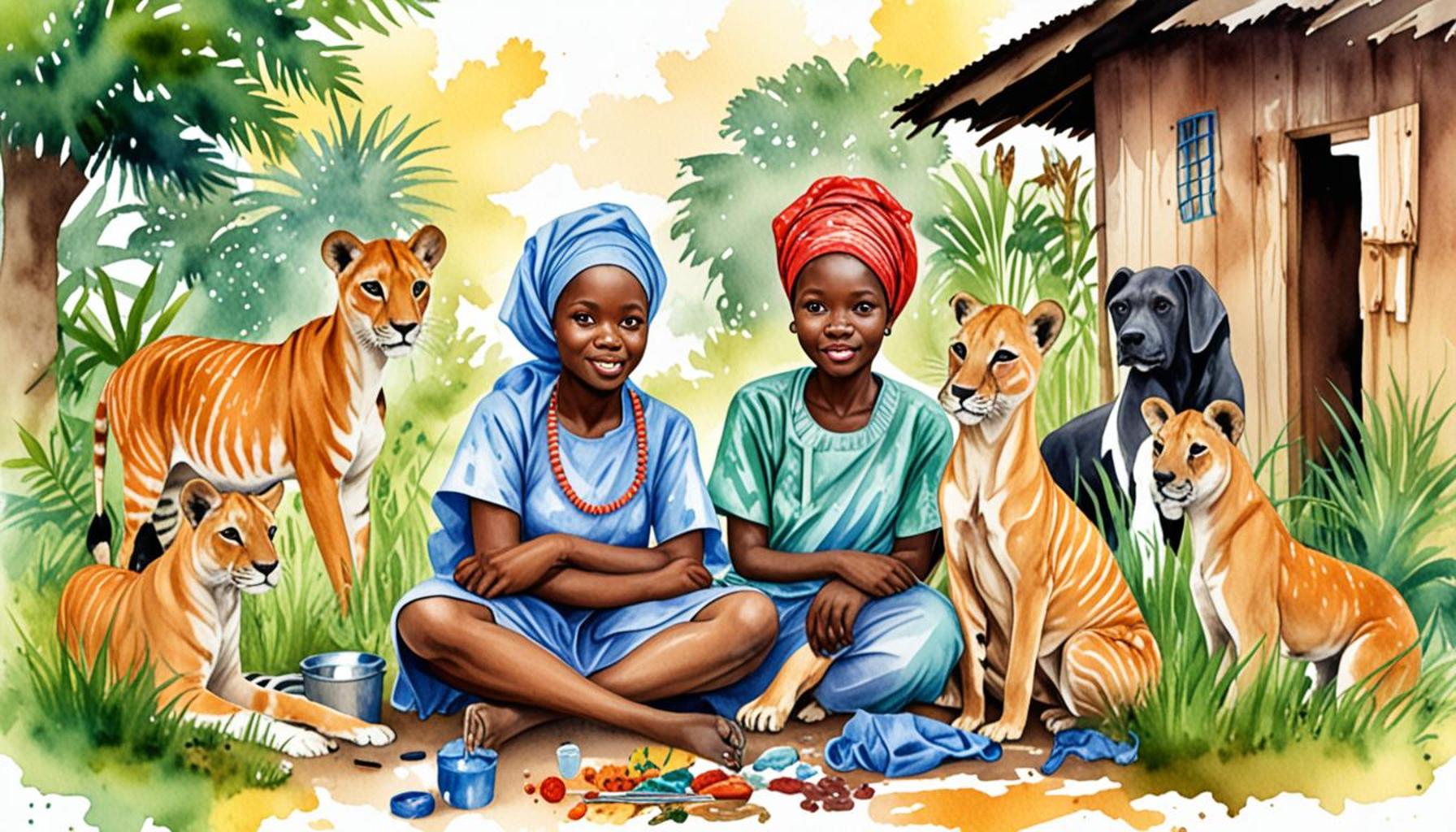
Understanding the Landscape of Animal Welfare in Nigeria
In recent years, Nigeria has seen monumental shifts in its socio-economic landscape, leading to rapid urbanization that inadvertently affects the natural habitats of wildlife and domestic animals. The pressures of modern life, combined with the impacts of climate change, result in significant challenges for animal health and welfare. As traditional ways of life change, so too do the interactions between humans and animals, raising pressing questions about animal rights and the overall welfare of domestic and wild species alike.
Within this complex ecosystem, Non-Governmental Organizations (NGOs) have emerged as vital players in safeguarding animal welfare. These organizations are not only advocates for better policies regarding animal rights but are also deeply involved in community education, wildlife conservation, and rescue operations. The multifaceted roles that these NGOs play are essential in addressing these challenges head-on.
Key Contributions of NGOs in Animal Welfare
- Advocacy: NGOs such as the Nigerian Society for the Prevention of Cruelty to Animals (NSPCA) work tirelessly to raise awareness about existing animal rights legislation. With a history of advocating for stricter laws against animal cruelty, they offer a voice to those who cannot speak.
- Education: Initiatives aimed at educating the public are critical. From workshops on proper pet care to awareness campaigns about the humane treatment of livestock, NGOs provide essential resources that promote a culture of respect and consideration for all animals.
- Rescue Operations: Various NGOs engage in rescuing injured, abandoned, or abused animals. They not only rehabilitate these animals but also find them loving homes, playing a pivotal role in reducing the number of stray animals on the streets of Nigerian cities.
- Research: NGOs conduct empirical studies geared towards understanding the health needs of animals in Nigeria. This research informs animal health practices tailored to local contexts, addressing issues ranging from zoonotic diseases to nutrition.
As Nigeria’s population continues to burgeon, so does the demand for animal products, often leading to neglect and exploitation of animals. In this regard, NGOs are advocating for sustainable agricultural practices that respect animal welfare while meeting the burgeoning food demands of the population. Local initiatives, supported by international partners, are crucial in maintaining a balance between economic growth and ethical treatment of animals.
This article aims to delve deeper into the various ways NGOs are influencing change within the sphere of animal health and welfare in Nigeria. By uncovering their remarkable achievements and identifying areas that require more attention, we can inspire action among stakeholders, including policymakers, community leaders, and the general public. Understanding the significant role of these organizations is not just about highlighting existing successes; it’s also about paving the way for collaborative efforts towards a more humane and responsible coexistence with animals.
YOU MAY ALSO LIKE: Read read another article
The Pivotal Role of NGOs in Shaping Animal Health Policies
As Nigeria grapples with the consequences of rapid modernization and urban encroachment into wildlife habitats, the role of Non-Governmental Organizations (NGOs) has become increasingly critical in addressing the multifaceted challenges surrounding animal health and welfare. These organizations are not merely passive observers; they are active participants in the formulation and implementation of policies that govern how animals are treated. With a focus on both legislative advocacy and grassroots activism, NGOs are at the forefront of initiatives aimed at improving the lives of animals across Nigeria.
At the heart of their mission, NGOs like the Nigerian Society for the Prevention of Cruelty to Animals (NSPCA) engage with legislators and policymakers to foster a legal framework that prioritizes animal rights. These efforts are exemplified by successful campaigns to advocate for laws that protect domestic animals from abuse, regulate breeding practices, and promote humane slaughter methods. For instance, such organizations have lobbied for the Animal Welfare Bill, which seeks to provide comprehensive protection to animals against cruelty, neglect, and exploitation. The bill has drawn attention to animal welfare issues and has spurred discussions that lead to significant changes, making it essential in the ongoing battle for humane treatment.
In addition to legal advocacy, NGOs take on the important role of community education, serving as watchdogs of animal welfare standards. Through targeted awareness campaigns and educational programs, these organizations provide crucial information on responsible pet ownership and livestock management. Some of the key areas they focus on include:
- Proper Nutrition: NGOs educate pet owners and farmers on the nutritional requirements of animals, helping to ensure they receive balanced diets to promote health and productivity.
- Disease Prevention: Workshops on vaccinations and disease control effectively raise awareness about common zoonotic diseases, enabling communities to take preventive measures against outbreaks.
- Humane Practices: Emphasizing the significance of humane treatment during various animal husbandry practices helps instill respect for animal welfare within local communities.
Moreover, these organizations recognize that effective advocacy cannot occur without first planting seeds of knowledge and awareness in the hearts and minds of the people. Community engagement initiatives often bring together schools, youth groups, and agricultural cooperatives to foster a sense of responsibility towards animal welfare. By leveraging local influencers and community leaders, NGOs can amplify their message, creating a ripple effect that contributes to changing societal attitudes towards animals.
As a response to Nigeria’s burgeoning population and the resultant pressures on animal resources, NGOs are also working alongside local farmers to advocate for sustainable agricultural practices. Through training programs, they introduce animal husbandry techniques that not only ensure the well-being of livestock but also promote environmental sustainability. This holistic approach—where animal welfare, community well-being, and environmental conservation intersect—is indispensable in shaping a future that balances human needs with ethical responsibilities towards animals.
Ultimately, the endeavors of NGOs in Nigeria transcend traditional advocacy, merging education, community engagement, and research into a comprehensive framework aimed at enhancing animal health and welfare. As these organizations continue to make strides, their commitment to fostering a humane society where animals are treated with dignity and respect signals a transformative movement that is vital for Nigeria’s future.
In Nigeria, non-governmental organizations (NGOs) play a pivotal role in addressing the multifaceted challenges related to animal health and welfare. These organizations often serve as a bridge between local communities, governmental bodies, and international agencies. By advocating for the rights and welfare of animals, they foster a more compassionate society that values the health of all living beings.
One of the significant functions of NGOs in this domain is raising awareness about the importance of animal welfare. Through educational programs and community outreach, they highlight the impact that healthy animals have on human communities, especially in agricultural societies where livestock is a primary livelihood. Furthermore, NGOs often conduct workshops that empower local farmers with knowledge about proper animal husbandry practices, vaccination campaigns, and disease prevention strategies.
Moreover, NGOs are instrumental in implementing programs that directly improve animal health. They often collaborate with veterinary professionals to provide medical treatment for stray and domesticated animals, emphasizing preventative care. This is particularly vital in regions where veterinary services are limited or inaccessible. By addressing common health issues, NGOs not only contribute to the well-being of animals but also mitigate risks to human health associated with zoonotic diseases.
Additionally, NGOs are active advocates for policy reform, ensuring that issues related to animal welfare are prominently placed on the national agenda. They lobby for stronger legislation that protects animals from abuse and neglect, working closely with government entities to develop and enforce animal welfare standards. By doing so, they help to build a framework within which animal health can be prioritized and managed effectively.
These concerted efforts by non-governmental organizations are critical in fostering a culture of compassion and responsibility towards animals, ultimately contributing to improved public health and sustainable agricultural practices.
| Advantage | Details |
|---|---|
| Increased Awareness | NGOs educate communities on animal welfare and health issues |
| Improved Access to Veterinary Care | Provision of medical treatment and vaccines for animals |
| Policy Advocacy | NGOs work for better animal welfare legislation |
The impact of these efforts is profound, establishing a foundational framework for sustainable animal health and welfare practices in Nigeria. The ongoing collaboration between NGOs, the government, and the public will continue to shape a future where animals are treated with the dignity and care they deserve.
LEARN MORE: This related article may interest you
Transformative Initiatives: The Impact of NGOs on Veterinary Services
Beyond advocacy and education, NGOs in Nigeria are at the forefront of enhancing veterinary services, which play a critical role in animal health and welfare. Recognizing that access to veterinary care remains a significant challenge in many rural areas, these organizations are working tirelessly to bridge the gap through innovative initiatives. An example is the establishment of mobile veterinary clinics, particularly in underserved regions, where farmers often lack the resources to seek medical assistance for their animals. By bringing veterinary services directly to the communities, NGOs like Global Animal Partnership effectively reduce the barriers to access, thereby improving the overall health of livestock and pets alike.
Through partnerships with local veterinarians and community health workers, these mobile clinics provide essential services such as vaccinations, disease diagnostics, and treatment for common ailments. For instance, the incidence of Newcastle disease in poultry—one of the leading causes of mortality among chickens—has seen a reduction thanks to these proactive veterinary interventions. Such efforts have not only increased livestock productivity but have also contributed to food security for countless families who depend on animal husbandry for their livelihoods.
The integration of technology is another game-changer in the approaches taken by NGOs to improve animal health. Mobile apps and online platforms are being utilized to keep owners informed about vaccination schedules and disease outbreaks. For example, the Nigeria Veterinary Medical Association collaborates with NGOs to provide a vet helpline accessible via mobile phones, allowing farmers to consult with veterinarians about their livestock’s health in real time. This innovative approach has empowered farmers by providing them with instant access to vital information and support, which is crucial in preventing potential outbreaks of diseases.
In addition to health services, NGOs have recognized the importance of improving the genetic stock of animals to bolster the agricultural sector in Nigeria. Programs aimed at livestock breeding and genetics enhancement focus on introducing disease-resistant and high-yield breeds. Collaborating with local farmers, NGOs conduct training on selective breeding practices and provide access to superior genetic materials, ensuring that animals thrive in challenging environmental conditions. This initiative not only results in healthier animals but also promises increased income for farmers, ultimately contributing to economic sustainability.
Engaging with local communities to develop grassroots initiatives has also proven effective. NGOs appraise the unique needs of different regions and tailor their programs accordingly. For instance, in the northern regions of Nigeria, where pastoralism is prevalent, NGOs focus on educating herdsmen about sustainable grazing practices that nurture both animal welfare and environmental conservation. Such localized strategies ensure that interventions not only resonate with the communities but are also adaptable to cultural practices, thereby fostering greater acceptance and participation.
Additionally, the collaboration between NGOs and international bodies enhances their capacity to drive impactful change. With the support of organizations like the World Animal Protection, Nigerian NGOs have access to broader resources and expertise, facilitating the implementation of large-scale initiatives that address systemic challenges. This synergy fosters an environment where innovations in animal health are encouraged, leading to sustainable outcomes for both animals and communities.
By addressing both immediate health needs and long-term sustainability issues, NGOs are fundamentally reshaping the landscape of animal welfare in Nigeria. Their commitment to innovation and community-centered approaches ensures that the efforts towards improving animal health are not just reactive, but proactive and holistic, marking a significant evolution in how animal welfare is perceived and acted upon in Nigerian society.
ADDITIONAL INSIGHTS: Expand your understanding here
Conclusion: A Promising Future for Animal Health and Welfare in Nigeria
The efforts of non-governmental organizations (NGOs) in Nigeria have proven to be a beacon of hope in the complex realm of animal health and welfare. By bridging the gap in veterinary services and mobilizing resources to enhance community engagement, NGOs are not merely addressing immediate animal health crises; they are laying down a foundation for a sustainable future. The innovative strategies employed—from mobile veterinary clinics to the integration of technology—underscore the adaptability and resourcefulness of these organizations in tackling the unique challenges faced by rural communities.
Furthermore, the focus on improving genetic stock and implementing practices that respect local agricultural traditions demonstrates a comprehensive understanding of the interconnectedness of animal welfare, food security, and economic prosperity. This multifaceted approach has the potential to significantly enhance productivity among livestock and ensure that families can rely on their animals not just for sustenance, but as a viable source of income.
As the collaboration between NGOs and international partners continues to expand, prospects for animal health and welfare in Nigeria appear increasingly bright. Continued investment in veterinary outreach and education will be crucial in fostering a culture of responsible animal ownership and care. Ultimately, the success of these initiatives hinges on sustained community involvement and awareness, encouraging all stakeholders to champion the cause of animal welfare. With the unwavering commitment shown by NGOs, Nigeria stands at a pivotal moment where transformative change in animal health and wellbeing is not just a possibility, but a reality waiting to unfold.