Puppy Nutrition: How to Ensure Healthy Growth from the Start

The Significance of Proper Nutrition for Puppies
Raising a puppy is an exciting journey filled with joy and challenges. Among these, nutrition stands out as a pivotal element that directly influences both the short-term behavior and long-term health of your canine companion. Proper puppy nutrition is not just about filling their bowls; it is a science that promotes optimal growth and vitality.
Puppies grow tremendously during their early months, with some breeds experiencing growth spurts that can see them double in size within a few weeks. This rapid development requires a diet that is abundant in crucial nutrients to support both their physical and cognitive growth. Essential components of puppy nutrition include:
- Protein: This macronutrient is vital for muscle development, growth, and tissue repair. Proteins from sources like chicken, fish, and lamb serve as the building blocks of your puppy’s body.
- Fats: Not all fats are created equal. Healthy fats such as omega-3 and omega-6 fatty acids are necessary for energy and help with brain development, coat health, and reducing inflammation.
- Vitamins and Minerals: Nutrients like calcium and phosphorus are critical for developing strong bones and teeth, while vitamins like A, D, and E support overall immune health.
In Nigeria, many pet owners gravitate towards local dog food brands, often due to budgetary constraints or availability. Understanding the ingredients in these foods can be a game-changer. Look for premium pet foods that prioritize:
- Real meat: Make sure that animal protein is the first ingredient listed. This indicates that your puppy will get the necessary protein for growth.
- Whole grains: Grains such as brown rice and oats provide digestible carbohydrates that are essential for energy.
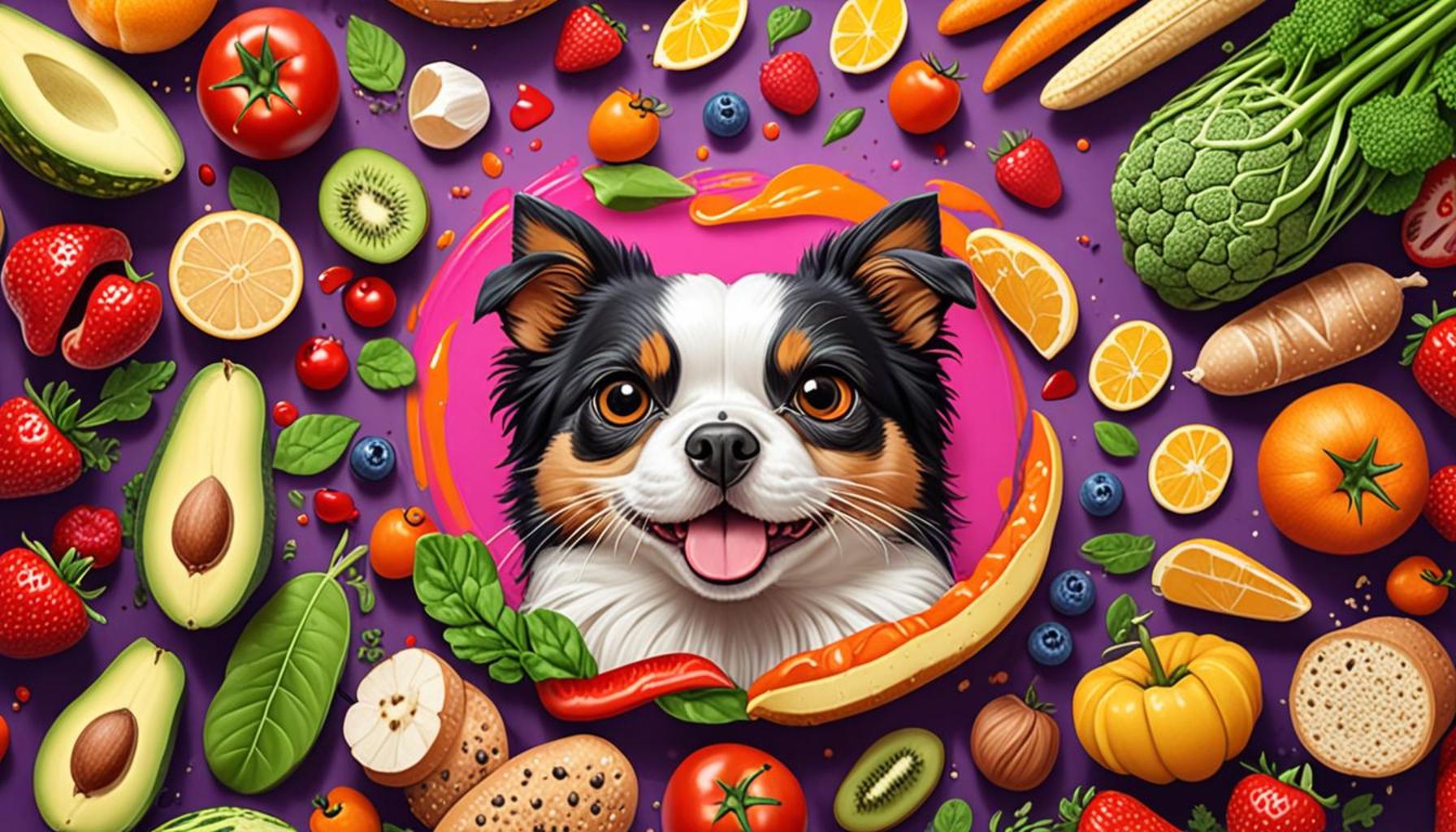
- Fruits and vegetables: Ingredients like carrots, blueberries, and spinach can enhance your puppy’s diet with additional vitamins and antioxidants.
The right balance of these nutrients can significantly impact not only your puppy’s physical growth but also their behavior and energy levels. Puppies that receive optimal nutrition tend to be more active, happier, and less prone to behavioral issues. However, it’s crucial to recognize that each puppy is unique; factors such as breed, age, and specific health conditions play a significant role in shaping their dietary needs.
For this reason, consulting with a veterinarian is indispensable. They can provide tailored dietary recommendations that fit your puppy’s individual needs and lifestyle. By partnering with your vet, you’re not only ensuring your puppy gets what they need to thrive, but you’re also embarking on a journey toward building a lifelong bond with them.
Equipped with a deeper understanding of puppy nutrition, you can confidently make choices that help your furry friend grow into a healthy and happy adult dog. As we delve further into this topic, we will explore effective feeding strategies, common nutritional misconceptions, and recommendations for local brands and homemade diets that align with your puppy’s requirements.
CHECK OUT: Click here to explore more
Understanding Dietary Needs for Optimal Puppy Health
As you embark on the adventure of puppy parenting, one of the most essential aspects to grasp is your puppy’s unique nutritional requirements. Each puppy is distinct in terms of breed, size, and growth stage, which means their dietary needs can vary significantly. Influenced by these factors, providing a well-balanced diet is vital for encouraging healthy development. Understanding how to fulfill these needs will not only contribute to your puppy’s long-term health but also enhance their daily activities and overall happiness.
During their growth phase, puppies need specialized care when it comes to their nutrition. The caloric needs and nutrient distribution shift considerably as puppies transition from their initial weeks to months. Here are some key considerations for ensuring that your puppy receives the nutrients they require:
- Age Appropriateness: Nutritional requirements change as puppies grow. Generally, puppies need a diet formulated for growth, which is higher in calories than adult dog food. A balanced puppy formula will usually contain around 22% to 32% protein, depending on the breed size.
- Breed Size: Larger breeds, such as Great Danes or Mastiffs, require a diet that slows down their growth to prevent skeletal problems. Conversely, smaller breeds may require a calorie-rich diet to support their rapid metabolism.
- Frequent Meals: Young puppies often need to eat more frequently—typically three to four meals a day. As they grow, this can be gradually reduced to two meals, but consistency in meal times is crucial for a healthy digestive routine.
In Nigeria, where local food options might dominate, it’s crucial to scrutinize the labels of commercially available puppy food. Look for products that specify “complete and balanced,” ensuring they meet the nutrient profiles established by the Association of American Feed Control Officials (AAFCO). Additionally, consider the following tips when selecting puppy food:
- Quality Ingredients: Opt for high-quality brands that prioritize using whole ingredients that are sourced responsibly. Ingredients like real meat should be at the top of the list.
- Grain Inclusion: Some puppies tolerate grains better than others. While brown rice and barley are excellent options for many dogs, be cautious of fillers like corn and soy that do not provide substantial nutritional benefits.
- Meal Preparation: If you decide to feed your puppy natural foods or cook at home, consult your veterinarian to ensure you’re providing all necessary nutrients, including calcium and phosphorus.
Proper puppy nutrition not only facilitates a strong physical foundation but also impacts cognitive development and behavior. Puppies that are well-nourished are generally more focused and responsive, which is essential for training. Conversely, inadequate nutrition can lead to behavioral issues development. It’s also essential to observe any food allergies or sensitivities your puppy may experience, which can indicate a need for dietary adjustments.
As we dig deeper into the world of puppy nutrition, we will explore practical feeding strategies, demystify common myths, and highlight local brands that provide the nutritional benefits essential for your growing pup.
| Category | Details |
|---|---|
| Diet Composition | Balanced nutrition is key, incorporating proteins, fats, vitamins, and minerals tailored to puppy needs. |
| Feeding Schedule | Consistency in meal times helps to regulate metabolic functions and establishes routine. |
| Hydration | Access to fresh water is crucial for digestion, preventing dehydration, and promoting overall health. |
| Veterinary Guidance | Regular check-ups enable monitoring of nutritional needs and ensure proper growth and health. |
CHECK OUT: Click here to explore more
Navigating Puppy Food Labels: Making Informed Choices
Choosing the right food for your puppy can often feel overwhelming, especially with the myriad of options available in the market. With an emphasis on puppy nutrition, it’s critical to decode food labels effectively to ensure you are providing your furry friend with the most appropriate diet for optimal growth and health. Understanding what each label indicates can empower you to make informed decisions that cater to your puppy’s specific needs.
When examining puppy food labels, there are a few essential pieces of information that can guide your selection process:
- Guaranteed Analysis: This section provides a breakdown of the food’s composition, showing you the percentages of protein, fat, fiber, and moisture. Look for a protein percentage of at least 22% for small to medium breeds and around 26% for larger breeds to promote healthy muscle development.
- Ingredient List: Ingredients are listed in descending order by weight. The first few listed ingredients should ideally include a quality source of protein such as chicken, beef, or fish. Ingredients such as meat meals—where water is removed from the source—can also provide a good protein content.
- Feeding Guidelines: Many packages will include feeding recommendations based on the puppy’s age and weight. Adhering to these guidelines ensures you’re not underfeeding or overfeeding your puppy, both of which can lead to developmental issues.
Understanding the Role of Supplements
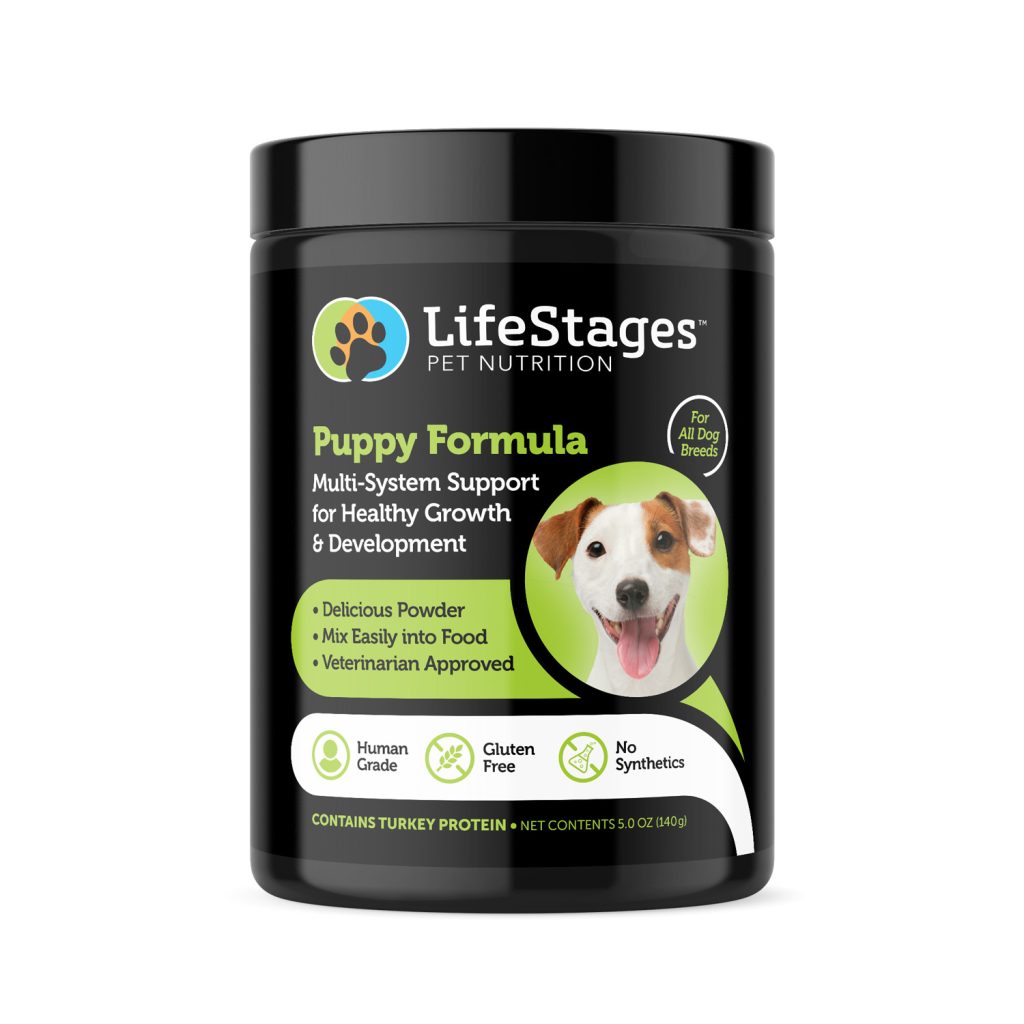
In the context of puppy nutrition, supplements can also play a key role in supporting healthy growth. Some puppy diets may benefit from additional nutrients depending on individual health circumstances. Common supplements include:
- Omega Fatty Acids: These are vital for brain development and a healthy coat. Regular inclusion of fish oil can enhance skin health and reduce inflammation.
- Probiotics: These beneficial bacteria support digestive health by improving gut flora. This is particularly important as puppies are more susceptible to gastrointestinal issues during their growth phase.
- Joint Supplements: For larger breeds, joint health becomes crucial. Supplements containing glucosamine and chondroitin can aid in promoting strong joints and reducing the risk of developing hip dysplasia.
Exploring Local Options for Quality Puppy Food
In Nigeria, the burgeoning market for pet nutrition has led to the emergence of various local brands that cater specifically to puppy needs. Researching and supporting these brands can provide quality food while aligning with cultural preferences and sustainability practices. Brands like VitaPet and Pawtastic Foods have developed puppy formulations that are tailored to meet growth requirements based on local ingredients, ensuring a fresher approach to pet nutrition.
Moreover, homemade diets, if prepared under the guidance of a veterinarian, can offer an excellent alternative. Utilizing locally sourced produce like yam, carrots, and chicken can create nutritious meals uniquely suited to your puppy’s needs. However, meticulous attention to detail regarding balancing protein, fats, carbohydrates, vitamins, and minerals is imperative to prevent any shortfall in nutrition.
Ultimately, being aware of the specific dietary needs and managing the feeding regimen can greatly enhance your puppy’s growth trajectory. By fundamentalizing these nutritional insights, you are setting a course for a lifelong journey of health and happiness for your furry companion.
LEARN MORE: This related article may interest you
Conclusion: The Foundation of Healthy Puppy Growth
In summary, puppy nutrition is a critical aspect of ensuring your young dog’s healthy growth and development. By prioritizing a well-balanced diet rich in high-quality ingredients, you are not only fostering physical strength but also promoting long-term health and well-being. The nutritional choices you make today will have a lasting impact on your puppy’s future.
As you navigate the world of puppy food labels, remember that understanding the guaranteed analysis, ingredient lists, and feeding guidelines will empower you to choose the best options for your furry friend. Furthermore, incorporating necessary supplements such as omega fatty acids and probiotics can enhance your puppy’s overall vitality.
In Nigeria, the rise of local brands like VitaPet and Pawtastic Foods demonstrates the importance of exploring nutritional options that cater to your puppy’s unique needs through familiar ingredients. Embracing homemade diets, under veterinary guidance, allows for tailored recipes that ensure balanced nutrition reflective of local resources.
Ultimately, approaching your puppy’s dietary requirements with knowledge and care sets the stage for a lifetime of health, energy, and happiness. By committing to a mindful feeding regimen and being proactive about your puppy’s nutritional needs, you are not just raising a pet; you are nurturing a lifelong companion so eager to share in your life’s journey.