The Influence of Nigerian Culture on Pet Food

The Evolution of Pet Food Trends in Nigeria
Nigeria’s evolving urban landscape reflects a transformation in pet ownership, with cities like Lagos and Abuja witnessing a surge in the number of households welcoming pets as family members. This newfound affection has resulted in a growing focus on pet nutrition, prompting manufacturers and pet owners alike to seek a deeper understanding of what constitutes a healthy diet for their furry companions.
Blending Tradition with Modernity
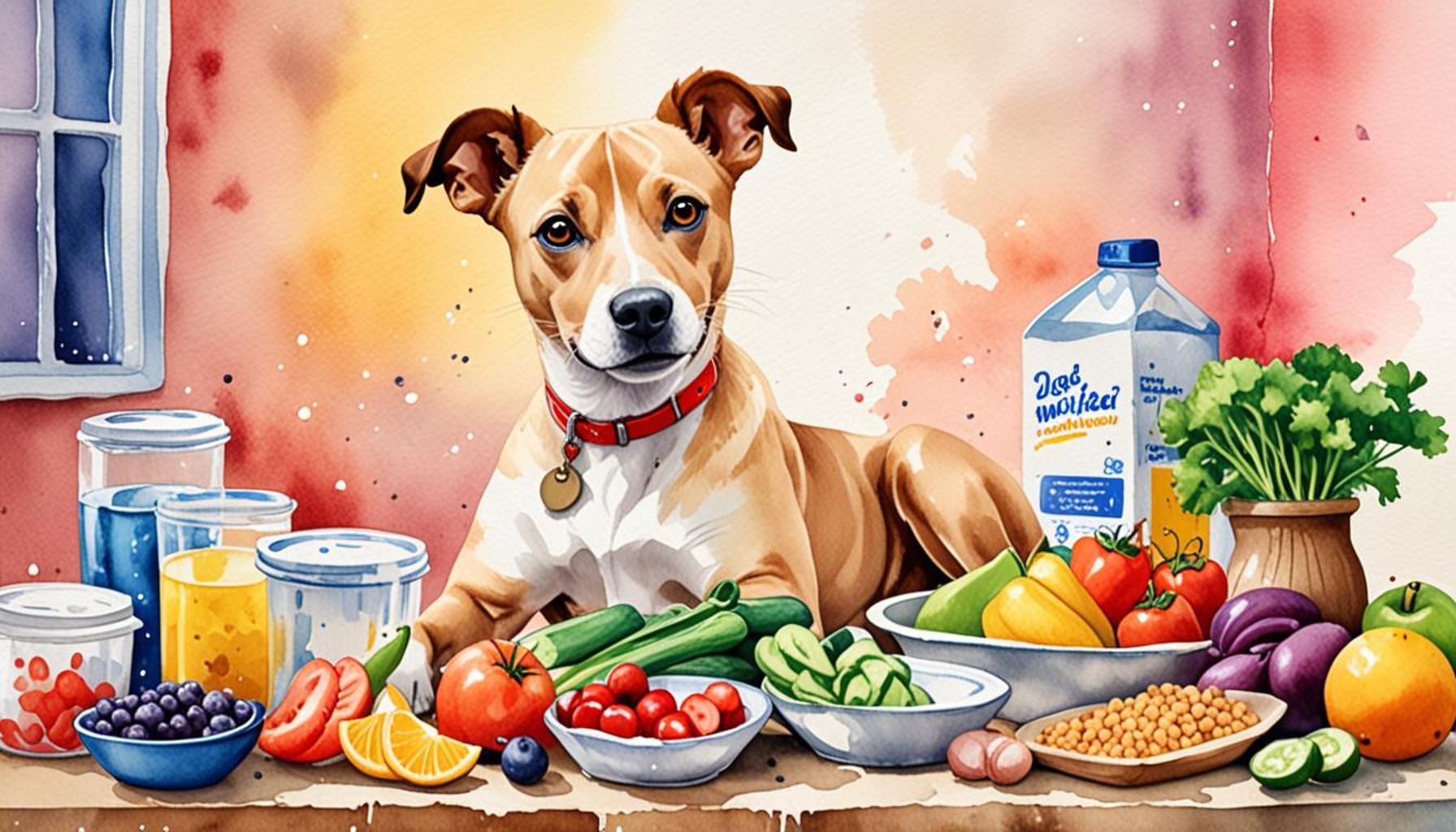
Reflecting the nation’s rich agricultural heritage, many pet food brands are now crafting unique recipes that utilize locally sourced ingredients. Traditional staples such as yam, beans, and fish are increasingly featured in pet food formulations. For instance, cats and dogs might enjoy meals infused with fresh catfish or mackerel, renowned in Nigerian households for their nutritional value. This incorporation not only appeals to pet owners’ cultural preferences but also promotes the use of sustainable, local food sources.
Changing Perceptions of Pets
In Nigerian culture, pets have historically been seen as utility animals, often valued for their roles in security or hunting. However, there is a notable shift towards viewing them as integral family members. This change is fueling both demand and expectations for premium pet food options that reflect the values embedded in Nigerian society. Many pet owners are now committed to providing their pets with a diet that mirrors their own, prioritizing wholesome ingredients that promote health—much like the nutritious meals they prepare for themselves.
Market Dynamics and Trends
The pet food sector in Nigeria is rapidly evolving, with local manufacturers stepping up to fill a niche that international brands may not fully address. By focusing on authenticity and sustainability, these producers are establishing a new standard in pet nutrition. For example, companies are beginning to offer products designed specifically for the challenges of local climates and dietary needs, such as grain-free options or those fortified with essential vitamins. The rise of online platforms further enhances accessibility, allowing pet owners to easily find tailored foods that meet both their pets’ nutritional needs and their own preferences.
As the bond between humans and pets grows stronger, the pet food market in Nigeria is set to flourish. This exploration of cultural influences on pet nutrition underscores not just a trend but a broader societal change that invites further inquiry into how we feed our pets and the significance of nourishment shaped by our cultural identities. By understanding these dynamics, owners can make informed choices that enhance the well-being of their beloved animals while honoring traditional practices.

ADDITIONAL INSIGHTS: Expand your understanding here
Embracing Cultural Ingredients in Pet Nutrition
The increasing recognition of pets as family members in Nigerian households is significantly influencing the pet food industry. As a result, manufacturers are beginning to embrace traditional ingredients that resonate with local culinary customs. This trend not only meets pet owners’ desires for culturally relevant diets but also leverages Nigeria’s rich agricultural resources. Popular ingredients such as cassava, pumpkin seeds, and sorghum are being creatively incorporated into pet food formulations, offering pets a taste of Nigerian flavors while maintaining nutritional balance.
Furthermore, the emerging trend of incorporating local proteins into pet food is gaining traction. For instance, the use of locally sourced meat, including goat and chicken raised in organic farms, aligns with the country’s existing meat consumption patterns. This approach not only supports local farmers but also ensures that pets receive high-quality protein options. By creating pet food that reflects the dietary habits of Nigerian families, these brands are establishing a meaningful connection between cultural practices and pet nutrition.
Health Benefits of Traditional Ingredients
Many traditional Nigerian ingredients are celebrated for their health benefits, and their inclusion in pet food formulations may bring similar advantages to pets. For example:
- Yam: Rich in vitamins and minerals, yam is an excellent source of fiber, aiding in digestion for pets.
- Beans: Packed with protein and nutrients, beans contribute to muscle development and overall health.
- Fish: Commonly used in Nigerian cuisines, fish is abundant in omega-3 fatty acids, promoting healthy skin and fur for pets.
The growing inclination towards these wholesome ingredients signifies a collective understanding of health and wellness that permeates through both human and animal diets. It reflects a broader societal embrace of healthy eating practices, encouraging pet owners to prioritize premium nutrition similar to the traditional meals they cherish.
The Role of Local Brands in Pet Food Development
Nigeria’s pet food landscape is witnessing the emergence of local brands that not only cater to the shifting needs of pet owners but also resonate with cultural significance. These companies are taking bold steps to innovate and diversify pet food options, responding to the local taste preferences while focusing on sustainability. Some brands have reported that their success is rooted in their ability to connect with consumers through culturally relevant branding and authentic storytelling about the origins of their ingredients.
This dedication to blending tradition with modern innovation has created a niche market where local manufacturers are rapidly gaining ground. As more pet owners express interest in local products, there is potential for a significant shift in how pet food is perceived and consumed in Nigeria.
The influence of Nigerian culture on pet food is not merely about nutrition; it represents a profound shift in human-animal relationships, challenging manufacturers and consumers alike to reconsider what it means to nurture the beloved pets they hold dear. By embracing local ingredients and traditions, the pet food landscape in Nigeria is becoming a vibrant testament to the country’s cultural richness and culinary heritage.
| Cultural Influence | Nutritional Benefits |
|---|---|
| Traditional Ingredients | Utilizing locally sourced ingredients like yam and fish enhances pet food nutrition. |
| Flavor Profiles | The integration of spices in pet food can lead to improved taste and appeal for pets. |
The dynamic landscape of Nigerian pet food is heavily shaped by the country’s rich cultural heritage. Local customs and practices have a significant say in the types of ingredients used, notably emphasizing health benefits for pets. For instance, pet food in Nigeria often incorporates traditional staples such as yam and fish, both renowned for their nutritional value. This combination not only meets the dietary needs of pets but is also geared toward maintaining their overall well-being.Moreover, flavor profiles unique to Nigerian cuisine, including the use of various spices, play a critical role in making pet food palatable for furry companions. The aromatic ingredients not only attract pets but may also offer additional health advantages, creating a profound connection between the country’s culinary tradition and pet nutrition. From this convergence of culture and food, it becomes evident that the evolution of pet food in Nigeria is not merely a fad but a reflection of its cultural fabric. As these trends gain momentum, they attract growing interest from pet owners seeking to enhance their pets’ diets through culturally rich options.
RECOMMENDED: Check out this similar article
The Growing Trend of Homemade Pet Foods
With the remarkable growth of social media and online communities dedicated to pet care in Nigeria, there is a burgeoning trend of homemade pet foods that draw directly from traditional cooking practices. Pet owners are increasingly turning to prepare their own pet meals, leveraging local ingredients that are familiar and nutritionally rich. This practice not only resonates with the cultural inclination towards wholesome, home-cooked meals but also allows pet owners to tailor diets based on their pets’ specific needs.
Many Nigerian pet parents are experimenting with recipes that incorporate staples such as rice, plantain, and a variety of vegetables common in local cuisine. For instance, blending boiled sweet potatoes or carrots with fish creates a nutrient-packed meal that pets find delicious. By utilizing ingredients familiar to their palate, pet owners can ensure their animals receive balanced nutrition while experiencing a taste of home. The flexibility of homemade options also allows for dietary adjustments based on allergies or specific health concerns, which pet food manufacturers are striving to accommodate.
Pet Food Marketing and Cultural Sensitivity
Another significant aspect of the influence of Nigerian culture on pet food is through marketing strategies that reflect cultural values and norms. Local brands are leveraging cultural symbols and language in their advertising to foster a deeper connection with consumers. For example, using local dialects and relatable imagery in campaigns resonates more effectively with pet owners who are looking for authenticity in the products they choose for their animals.
Brands emphasize storytelling around their products, articulating how they respect Nigerian traditions and prioritize health and wellness—covering everything from sourcing safe ingredients to sustainable production practices. This cultural sensitivity enhances brand loyalty as pet owners feel more aligned with those who understand their values and lifestyle.
Challenges and Opportunities in the Market
While the influence of Nigerian culture on pet food presents numerous opportunities, it is not devoid of challenges. Many local producers face difficulties regarding regulations around ingredient quality and safety in the pet food space. However, tackling these challenges presents opportunities for improvement and innovation. For example, creating partnerships between local farmers and pet food brands can promote a better supply chain that prioritizes quality, ultimately leading to greater consumer trust.
Moreover, the educational gap surrounding pet nutrition needs to be addressed. While there’s a growing demand for culturally influenced pet food, awareness about the nutritional value of specific ingredients remains crucial. Workshops and community outreach programs can empower pet owners to make informed choices, helping pets thrive on well-balanced diets that reflect local culinary traditions.
For manufacturers, understanding the nuances of Nigerian dietary habits provides them with the unique opportunity to develop products that cater not only to pets but also to the cultural identity of their owners. This convergence of culinary tradition and modern pet nutrition is setting the stage for a dynamic and evolving pet food industry in Nigeria, driven by local culture and consumer preferences.
CHECK OUT: Click here to explore more
Conclusion: A Culinary Confluence in Pet Nutrition
The intersection of Nigerian culture and pet food is not just a passing trend; it reflects a deeper yearning among pet owners for wholesome, locally inspired nutrition for their beloved animals. As the culinary practices ingrained in Nigerian society influence the pet food landscape, the shift towards homemade pet meals allows owners to infuse their pets’ diets with familiar, nutrient-dense ingredients, bridging the gap between tradition and innovation. This dietary evolution underscores the potential health benefits—after all, a balanced meal made from local staples such as rice and plantain resonates with genuine cultural identity.
Meanwhile, local brands are ingeniously adapting to these cultural cues through tailored marketing strategies that emphasize authenticity and familiarity, building a trusted rapport with discerning pet owners. The emphasis on storytelling, the use of local dialects, and an alignment with communal values empower brands to create a loyal customer base that appreciates cultural relatability.
However, as the market for culturally sensitive pet food expands, addressing regulatory challenges and bridging educational gaps becomes imperative. By fostering awareness around pet nutrition and encouraging safe ingredient sourcing, stakeholders can create a robust ecosystem that prioritizes both pet health and cultural integrity. This exciting convergence sets the stage for a pet food revolution in Nigeria, where cultural heritage and modern dietary principles coalesce to enhance the well-being of pets. For pet owners and producers alike, the journey towards embracing this rich tapestry of culinary heritage promises a brighter, more nourishing future for Nigeria’s furry companions.