Toxic Foods for Pets: What to Avoid in Your Pets’ Diet
The Hidden Dangers Lurking in Common Foods
For pet owners, the well-being of their furry companions is of paramount importance, yet many may not realize that everyday foods found in their kitchens can pose serious health threats to pets. Understanding which toxic foods for pets to avoid is crucial for their safety and health. While it may seem harmless to share a snack with your pet, the consequences can be dire.
Common Foods That Are Dangerous
- Chocolate: Almost everyone knows that chocolate is a no-no for pets, but its actual toxicity is often underestimated. Even small amounts of chocolate can be harmful to dogs and cats because they cannot metabolize theobromine, a compound found in chocolate. This can lead to symptoms such as vomiting, abnormal heart rhythms, and in severe cases, even death.
- Onions and Garlic: Though often used to flavor dishes, both onions and garlic belong to the allium family and can lead to oxidative damage in pets, resulting in anemia. Common signs include lethargy, weakness, and even red urine. It’s vital for pet owners to be cautious when preparing meals that might include these ingredients.
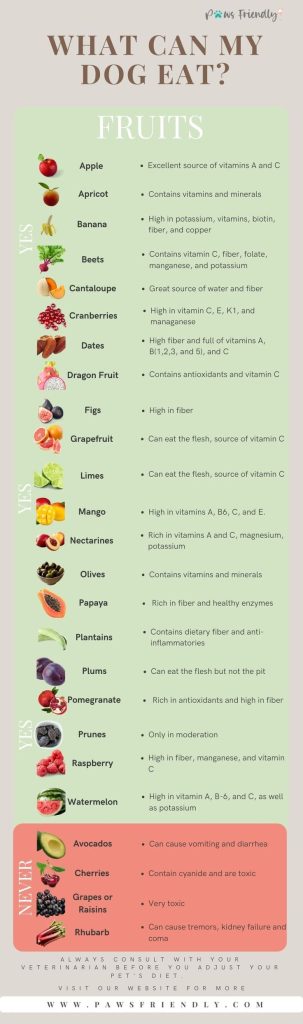
- Grapes and Raisins: While a healthy snack for humans, grapes and raisins are notorious for causing kidney failure in dogs, with even small quantities prompting severe reactions. Symptoms can include vomiting, diarrhea, and lethargy. If you suspect your dog has consumed grapes, contacting a veterinarian immediately is critical.
- Caffeine: Present in coffee, tea, and certain sodas, caffeine can stimulate the heart and nervous system in pets, leading to restlessness, rapid breathing, and heart palpitations. Even the smallest amounts can trigger dangerous side effects, making it imperative to keep caffeinated items out of pets’ reach.
In Nigeria, many local foods can also be misleadingly dangerous for pets. For instance, avocado is a beloved ingredient in many traditional dishes, yet it contains persin, which can cause respiratory distress and other health issues in pets. Additionally, dishes that are rich in spices or contain bones from fish or meat can also pose choking hazards or result in digestive troubles.
Protecting Your Pet’s Health
For proactive pet owners, awareness is half the battle. By understanding what foods to avoid, you can take steps to protect your furry family members effectively. Reading ingredient labels carefully, being cautious about household food scraps, and discussing potentially harmful foods with your veterinarian are all essential strategies to keep your pet safe.
Moreover, educating yourself on toxic foods for pets can arm you with vital knowledge that helps prevent accidental poisonings. Engage with local pet communities for shared experiences and tips. Share this crucial information with friends and family. The responsibility lies with pet owners to ensure the safety and well-being of their companions. After all, a well-fed pet is a happy pet, but only if what they eat is safe!
LEARN MORE: This related article may interest you
Uncovering Dangerous Treats: An Insight into Toxic Foods
Pet owners often unknowingly share their favorite treats with their pets, believing that a little bite won’t hurt. However, the reality is that certain foods can wreak havoc on a pet’s health. Understanding what constitutes toxic foods for pets is essential to foster a safe eating environment for your furry friends. Each year, many pets, unfortunately, suffer from the grievous effects of dietary indiscretions that could have easily been avoided.
More Foods to Watch Out For
- Macadamia Nuts: A delightful snack for humans, macadamia nuts are extremely toxic to dogs. Just a small amount can cause symptoms such as weakness, depression, vomiting, and tremors. The exact mechanism is still unclear, but any signs of distress warrant an immediate visit to the vet.
- Alcohol: It might seem absurd, but many pet owners think it’s amusing to allow their pets a taste of alcoholic beverages. Alcohol, even in small amounts, can severely affect a pet’s liver and brain, leading to symptoms such as incoordination, vomiting, and even potentially fatal respiratory failure.
- Xylitol: Found in many sugar-free products like gum, candies, and even some peanut butters, xylitol is lethal for dogs. It can cause insulin release in the bloodstream, leading to hypoglycemia (low blood sugar), seizures, and liver failure.
- Raw Dough: Whether it’s pizza or bread dough, it’s essential to keep raw dough out of your pet’s reach. When ingested, the dough can rise in a pet’s stomach, causing potentially life-threatening bloating and even rupture.
Moreover, traditional Nigerian dishes sometimes present unintentional risks. Foods like pepper soup, while delicious and warming for humans, can be too spicy and harsh for pets, causing gastrointestinal distress. Similarly, certain local fruits, such as coconuts, if given improperly, may result in choking hazards or digestive blockages.
How to Guard Against Toxic Foods
A proactive approach is vital for every pet owner. Familiarizing yourself with the range of toxic foods for pets is the first step towards preventing any unfortunate incidents. Ensuring that your home is free from these products is imperative. This includes not only avoiding the intentional feeding of these foods but also being alert to the potential for scavenging. Keep garbage bins secured and educate family members about safe and unsafe foods.
Additionally, regularly consulting with a veterinarian can provide insights into pet-safe foods and can debunk any myths surrounding food safety. Regular check-ups should encompass discussions about any new food practices you may consider for your pets. The safety of your beloved companion is worth every precaution.
| Toxic Food Category | Potential Risks |
|---|---|
| Chocolate | Contains theobromine, which is lethal to pets. |
| Onions and Garlic | Can cause anemia and damage red blood cells. |
| Xylitol | A sugar substitute that leads to insulin release, causing hypoglycemia. |
| Grapes and Raisins | Can lead to kidney failure with even small amounts. |
In addition to the aforementioned toxic foods, pet owners should also be aware of the dangers posed by macadamia nuts, which can cause lethargy, hyperthermia, and vomiting in pets. Similarly, avocado contains persin, which may be harmful to dogs and cats, leading to vomiting and diarrhea. Another surprising contender on the list is caffeine, found in coffee and tea, which can have serious effects on the heart and nervous system of pets.Moreover, many pets may exhibit severe reactions to alcohol, resulting in destructive central nervous system effects, leading to symptoms from disorientation to respiratory failure. It’s essential to continuously educate oneself in identifying toxic substances and eliminating them from their pet’s reach. Engaging in this knowledge not only protects your furry companions but also promotes their long-term health and happiness, so ensure to frequently review your pet’s diet to avoid these serious health risks.
LEARN MORE: This related article may interest you
Navigating the Minefield of Harmful Foods
While every pet owner wants to provide the best for their animals, they often remain in the dark about potential hazards present in everyday foods. Recognizing these dangers is crucial for avoiding dire health consequences. Aside from the previously discussed items, many other seemingly harmless foods are, in fact, dangerous to your pets.
Unexpected Dangers in Common Foods
- Onions and Garlic: Commonly used in many Nigerian dishes, these ingredients can be detrimental to a dog’s health. Onions and garlic contain compounds that can lead to oxidative damage to dogs’ red blood cells, resulting in hemolytic anemia, symptoms of which include weakness, lethargy, and pale gums.
- Chocolate: A well-known culprit amongst pet owners, chocolate specifically contains theobromine, which is toxic to both dogs and cats. Even small amounts can induce vomiting, diarrhea, and, in severe cases, seizures and death. Dark chocolate poses a greater risk than milk chocolate, making it essential to keep it out of reach during celebrations.
- Avocado: While avocados are a healthy fat for humans, they contain persin, which can be harmful to pets, particularly birds and some large animals. This can result in vomiting and diarrhea, and in serious cases, damage to the heart. Thus, it’s best to enjoy avocados yourself and avoid sharing with your pets.
- Grapes and Raisins: These seemingly innocent fruits can lead to acute kidney failure in dogs. Even small amounts can be lethal, causing symptoms like vomiting and lethargy shortly after consumption. If you suspect your pet has consumed grapes or raisins, swift veterinary assistance is critical.
Apart from these well-documented threats, there are other foods that can pose significant risks. For instance, many pet owners might gravitate towards feeding their pets leftovers from traditional meals. However, ingredients like spicy pepper or excess fat can cause gastrointestinal distress and pancreatitis in dogs and cats alike. As a responsible owner, checking the suitability of the meal can prevent dangerous health outcomes.
Raising Awareness and Staying Informed
Education is key when it comes to ensuring the safety of your pets’ diet. A robust understanding of toxic foods for pets and their impact is paramount. Having a reliable reference guide, perhaps a dedicated pet resources book, can help owners stay informed of what should be excluded from their pets’ diet.
Another effective preventive measure is creating a pet-friendly pantry. Consider designating a specific area in your kitchen for pet-safe treats and foods. This not only makes it easier for you to find appropriate snacks but also safeguards against accidental poisonings from harmful foods lurking in normal food storage areas.
Furthermore, joining local pet owner groups on social media platforms can be highly beneficial. Sharing experiences and information about toxic foods for pets with other pet owners can foster a community dedicated to the health and wellbeing of pets. These platforms often serve as early-warning systems for common pitfalls.
Taking the time to thoroughly investigate your pet’s dietary habits and understanding the potential risks associated with certain foods will go a long way in nurturing a healthy environment for your pet. Always err on the side of caution, as the health of your beloved companion is always a priority.
YOU MAY ALSO LIKE: Read read another article
Conclusion: Ensuring Pet Safety in Dietary Choices
In conclusion, navigating the world of toxic foods for pets is a crucial endeavor for every responsible pet owner. The seemingly innocuous items we often stock in our kitchens can pose serious risks to our beloved pets, with potentially dire health consequences if consumed. Familiarizing yourself with the dangers of common foods like onions, chocolate, avocados, and grapes cannot be overstated. Effective prevention hinges on a commitment to keeping our pets safe through informed decision-making.
Moreover, establishing an environment that prioritizes pet safety extends beyond mere knowledge; it encompasses proactive measures as well. Curating a pet-friendly pantry and engaging with fellow pet owners in community forums can pave the way for a more enlightened approach to pet diets. Sharing experiences and firsthand insights in these communities will empower owners to make better choices, ultimately nurturing the long-term health and wellbeing of their pets.
As we celebrate the irreplaceable bond we have with our furry companions, let us remain vigilant and proactive in ensuring their health. Investigating the risks associated with our pets’ diets and making appropriate adjustments can drastically improve their quality of life. Remember, an informed owner is an empowered owner, and prioritizing your pet’s safety is the first step towards creating a nurturing environment built on love and care.