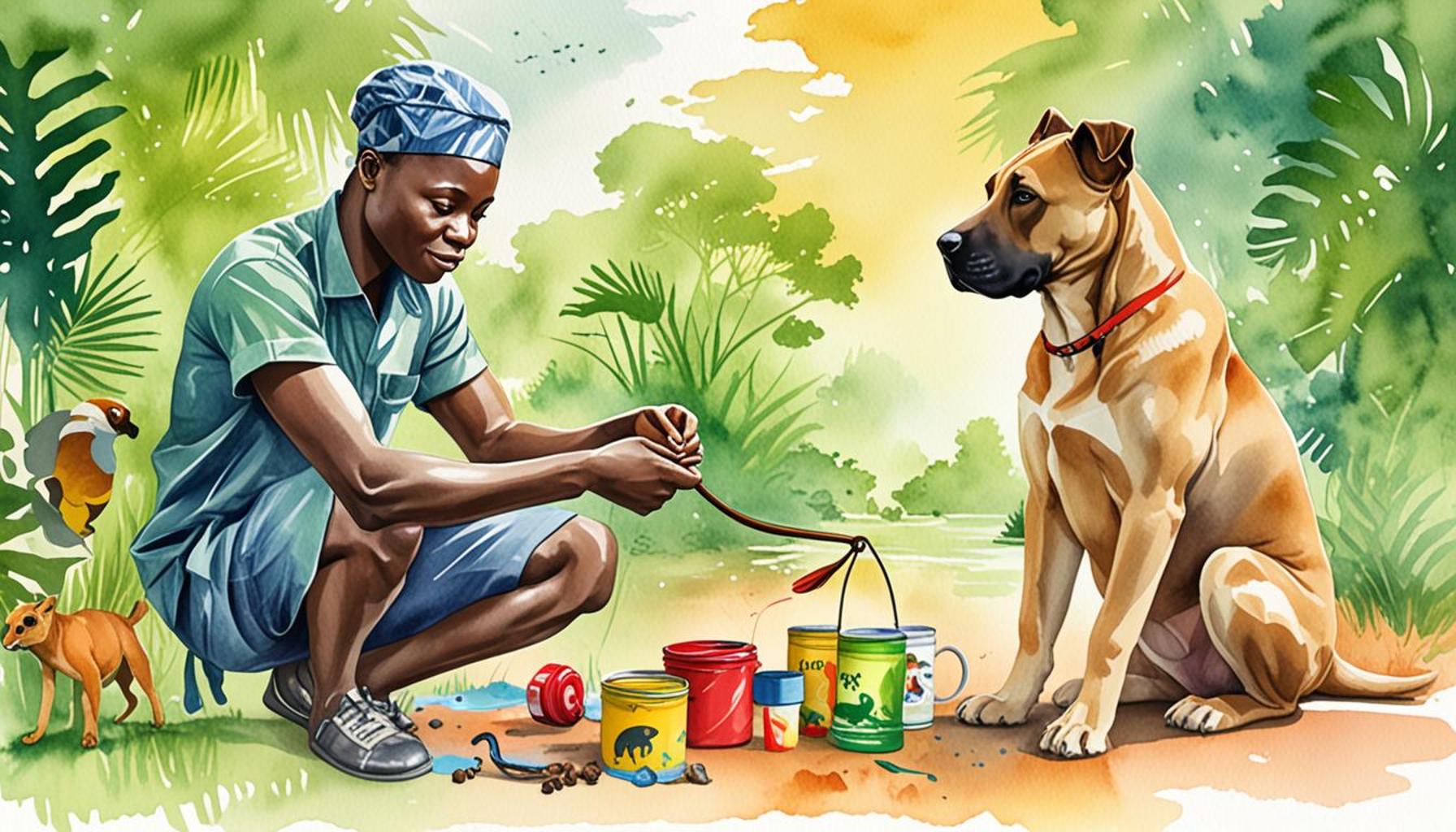
Traditional Cultural Methods of Training Pets in Nigeria
The Unique Essence of Pet Training Techniques
In Nigeria, pet training transcends mere obedience. Traditional cultural methods are deeply rooted in the rich heritage of the various ethnic groups across the nation. These time-honored practices emphasize not only discipline but also the strengthening of the bond between humans and their furry companions. Understanding how these traditional methods have evolved reveals greater insights into the essence of pet ownership in Nigeria.
The approach to pet training in Nigeria is often influenced by cultural beliefs and community traditions, which include:
- Utilizing Natural Resources: Trainers often use local herbs and materials to reinforce positive behavior. For instance, in some communities, trainers may use the leaves of the bitter leaf plant to create a pleasant-smelling concoction that is associated with reward when pets exhibit desirable behaviors.
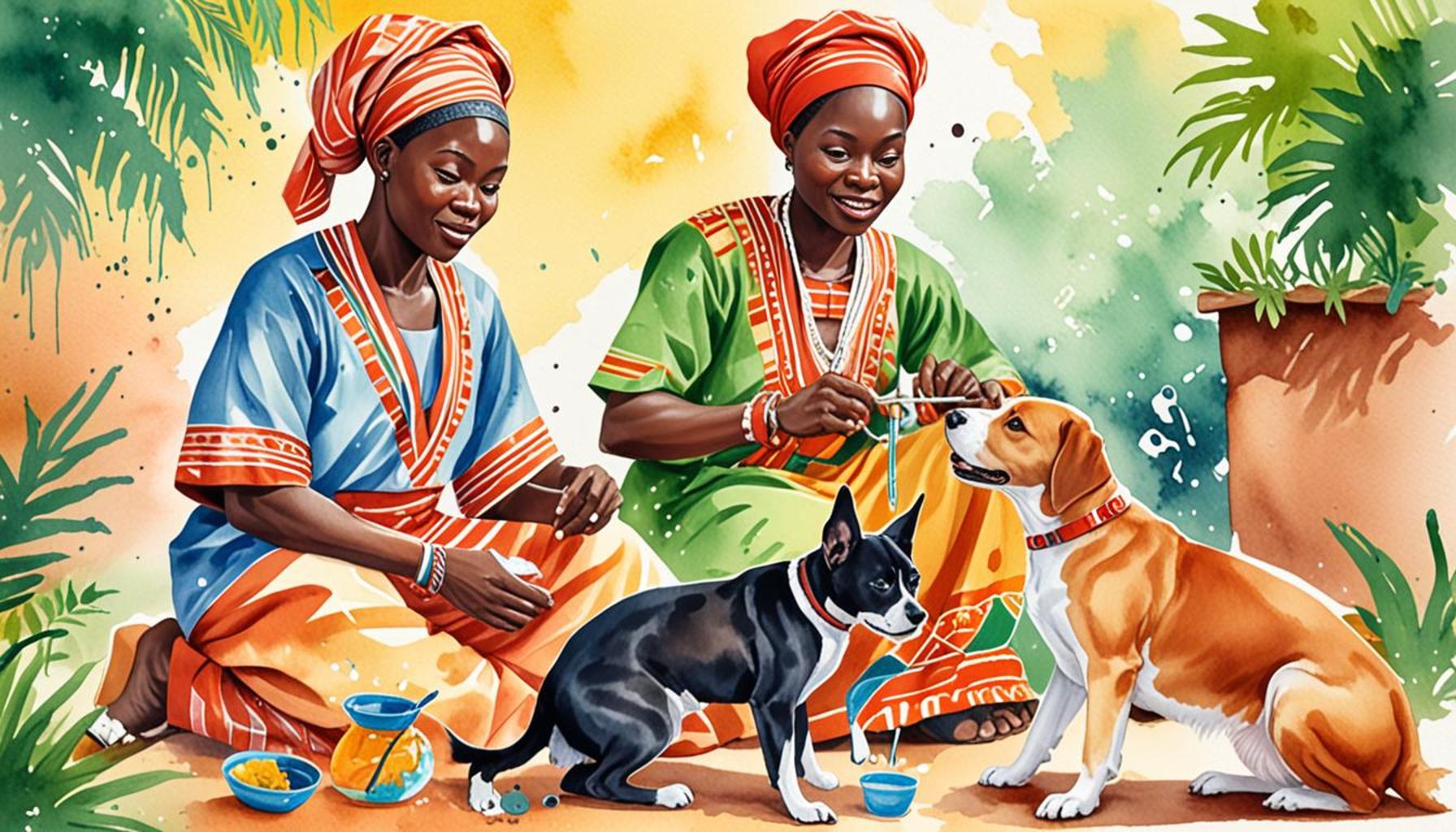
- Community Participation: Training is frequently a communal activity, bringing together neighbors to share techniques. This not only creates a stronger community bond but also fosters an environment of mutual learning. Workshops in neighborhoods can transform typical training sessions into vibrant social gatherings.
- Storytelling and Folklore: Tales of ancestral wisdom guide training methods, incorporating lessons of respect and loyalty. For example, African folktales often portray animals as clever beings, and trainers might narrate such stories to instill values in both pets and owners alike.
These methods underscore the need for obedience while also embracing an understanding of animal behavior that resonates with cultural values. Certain groups in Nigeria believe that animals possess spirits, a notion that shapes their training approach. This belief can see owners treat their pets with levels of respect akin to that of family members, leading to unique training techniques aimed at fostering rapport rather than exerting dominance.
Beyond practicality, traditional training methods aim to nurture an emotional connection. As pet owners engage in these cultural practices, they embark on a journey that celebrates both the uniqueness of their pets and the traditions of their heritage. For instance, a Nigerian household might incorporate dance and music into training sessions, echoing cultural celebrations, which not only makes learning fun for pets but also weaves a thread of joy and community spirit throughout the training process. This showcases how deeply embedded cultural contexts can influence the ways in which training is approached and executed.
Ultimately, pet training in Nigeria is not merely about commands and corrections but is a profound reflection of the relationship between humans, animals, and the cultural heritage that informs their interactions. As one continues to explore this dynamic world, it becomes increasingly clear that the art of training pets is as rich and diverse as the nation’s myriad cultures, heralding an invaluable dialogue between tradition and modernity.
ADDITIONAL INSIGHTS: Expand your understanding here
Cultural Symbolism in Pet Training
The practice of training pets in Nigeria operates within a framework of rich cultural symbolism that unites communities and reflects shared values. Each ethnic group has unique customs and beliefs that shape their approach to training, illustrating how deeply interconnected these practices are with daily life and traditions. In essence, training pets is less about imposing command and more about establishing a harmonious relationship, reflecting the spiritual and social tapestry of Nigerian society.
A notable aspect of traditional training methods is the emphasis on oral traditions and cultural narratives. Many Nigerian cultures have centuries-old ways of imparting knowledge through storytelling. Animal characters in local fables often embody moral lessons, teaching traits like loyalty, courage, and honesty. These stories serve as both entertainment and educational tools, where pet owners narrate such tales to their pets, creating an emotional connection while encouraging desirable behaviors. For example, the Tortoise and the Hare story, prevalent in many African cultures, might be used to illustrate patience and persistence during training.
In many instances, Nigerian pet owners incorporate traditional songs into training sessions. Music is a universal language that transcends barriers, and in Nigeria, folk songs are rich with stories and lessons. The rhythm and repetition of these songs make learning enjoyable for pets while allowing owners to express cultural pride. This clever blend of training and entertainment has been embraced widely, creating a unique atmosphere that facilitates learning within both pets and owners.
Community-Centric Approaches
One striking characteristic of pet training in Nigeria is its community-centric approach. Rather than viewing training as a solitary endeavor, many individuals see great value in collective learning. Neighborhoods often organize training workshops where different families come together, sharing traditional methods passed down through generations. This community bonding fosters an environment of mutual support and learning, allowing individuals to witness various techniques and outcomes firsthand.
- Social Gatherings: Training sessions morph into social gatherings where neighbors bond over shared experiences, exchanging tips and discussing the progress of their pets, thus reinforcing communal ties.
- Collective Lessons: By observing how different trainers handle various challenges during training, pet owners gain insights that can enhance their own methods.
- Resource Sharing: Community training allows the pooling of resources, such as the exchange of local herbs or training tools that may be difficult to obtain individually, ensuring that everyone benefits.
This community-driven ethos enhances the effectiveness of training and strengthens the social fabric of neighborhoods. Through thoughtful exchanges and collaborative efforts, traditional methods of training pets not only produce well-behaved animals but also promote unity and shared responsibility among owners. Consequently, these practices underscore the idea that nurturing a pet is a communal effort, rooted deeply in Nigeria’s cultural landscape.
As one continues to delve into the methods used, the tapestry of cultural influences becomes clear, revealing a profound understanding of the role pets play in human lives and the power of tradition in shaping these experiences.
| Advantages | Description |
|---|---|
| Natural Harmony | Traditional methods prioritize a harmonious relationship between pets and their owners, encouraging trust and mutual respect. |
| Community Involvement | These methods often involve community practices, promoting collective knowledge sharing among pet owners, which enhances training effectiveness. |
Within the realm of “Traditional Cultural Methods of Training Pets in Nigeria”, the emphasis on Natural Harmony is significant. Owners employ techniques that foster an environment of trust, facilitating better communication with their pets. This approach not only builds a strong bond but also addresses behavioral issues more effectively. Additionally, the Community Involvement aspect cannot be overlooked. Training methods passed down through generations are often shared within communities. This communal wisdom creates a collective knowledge base that benefits novice pet owners, ensuring that they adopt the best practices available. Such cultural methods not only enhance training outcomes but also deepen the sense of community, proving that traditional values still hold relevance in contemporary pet care practices. To discover more about how these rich traditions influence modern pet training, it’s essential to delve into local practices and wisdom shared among the communities of Nigeria.
RECOMMENDED: Check out this similar article
Integrating Spiritual and Natural Elements
In Nigeria, the training of pets transcends mere behavioral conditioning; it is often infused with spiritual beliefs and natural elements that reflect the indigenous understanding of the interconnectedness of life. Many Nigerian cultures attribute specific spiritual significance to animals, seeing them not just as companions but as extensions of the natural world and, at times, as spiritual guides. This connection influences how pets are trained, with various rituals and practices employed to encourage positive behavior and foster a respectful bond.
For instance, it is common for Nigerian pet owners to invoke ancestral blessings during training sessions. Before embarking on training, individuals may conduct short prayers or rituals that honor their ancestors, asking for guidance and support in nurturing well-behaved pets. This practice is rooted in the belief that animals have their own spiritual essence, and by fostering this bond, owners promote a sense of harmony within their households. Rituals may include offering local offerings, such as fruits or simple tokens, to symbolize gratitude and respect.
Furthermore, natural elements play a crucial role in the traditional training of pets. Many trainers utilize a variety of herbal remedies not only for health but also for behavioral enhancement. Some herbs are believed to have calming properties, making them useful in training anxious or aggressive pets. Traditional healers often provide insight into the best herbs to use, emphasizing the importance of nature in the training process. Owners may also create calming environments with natural scents, such as sage or lemongrass, to positively influence their pets’ behavior during training sessions.
Language and Communication
Language is another pivotal element in the traditional methods of pet training in Nigeria. While most trainers utilize verbal commands, the deeper communication often extends to the use of proverbs and idioms that convey the essence of the training method. In many cultures, proverbs reflect community wisdom and are steeped in local dialect. For instance, a trainer might use the saying, “A dog that is loved will never bite,” to emphasize the importance of kindness and trust while training their pets. These expressions enrich the training process by providing deeper meaning and fostering a stronger emotional bond between the owner and pet.
Additionally, non-verbal communication, such as hand gestures, tonal variations, and body language, are integral to traditional training. Owners learn to interpret their pets’ responses and behaviors, enabling them to tailor their approach to the unique personality of each animal. This holistic understanding nurtures a training atmosphere based on mutual respect and awareness, rather than force or coercion. Dogs, for example, might respond more positively to subtle shifts in the owner’s body position or facial expressions, which further indicates the deep connection established through traditional methods.
- Patience and Consistency: Traditional methods heavily emphasize patience, with trainers understanding that building trust takes time. Owners are encouraged to remain consistent in their commands and interactions, reinforcing desired behaviors without rushing the learning process.
- Observational Learning: Many trainers teach through demonstration, showcasing techniques to their pets as a form of visual learning. This method often proves effective as animals learn by mimicking behaviors and observing their owners closely.
- Play as a Learning Tool: Play is frequently used as a fundamental part of training. Engaging pets in games that promote obedience and discipline allows them to learn through enjoyment, making the training process much more effective.
Through these integrative methods, the traditional ways of training pets in Nigeria reveal a rich tapestry woven from cultural, spiritual, and natural threads, promoting not only direct training outcomes but also a profound, lifelong bond between pets and their owners. This multifaceted approach highlights the uniqueness of Nigerian tradition in the realm of pet ownership, reiterating that each interaction is a stepping stone in a greater journey of companionship.
ADDITIONAL INSIGHTS: Expand your understanding here
Conclusion
The traditional cultural methods of training pets in Nigeria stand out as a vibrant expression of the nation’s rich heritage, illustrating a profound respect for both animals and the natural world. By integrating spiritual elements and the wisdom of herbal remedies, the Nigerian approach to pet training fosters a bond that is not merely transactional but deeply emotional. Rituals honoring ancestors and invoking blessings reflect a commitment to nurture pets within a framework of community and connectivity, highlighting the belief that animals are integral to our spiritual and physical well-being.
Moreover, the emphasis on language and communication enhances the training experience, wherein verbal proverbs and non-verbal cues establish a shared understanding between owner and pet. This method fosters an environment of patience, consistency, and play, affirming the notion that training should be a joyful journey rather than a forced endeavor. The use of traditional idioms, such as “A dog that is loved will never bite,” reinforces cultural values of kindness and trust, enriching the owner-pet relationship.
As modernity continues to influence pet care practices in Nigeria, it is essential to appreciate these traditional methods that embody a unique synergy of spirituality, nature, and community. Encouraging this heritage not only preserves valuable cultural practices but also ensures that companionship with pets remains a source of joy and enlightenment. For pet owners in Nigeria and beyond, exploring these traditional training techniques may offer innovative ways to strengthen their bonds with their beloved animals in a manner that resonates with both the heart and the spirit.