Training Pets for Health Professionals in Nigeria

The Impact of Pet Integration in Healthcare
The connection between pets and human health in Nigeria is gaining traction, particularly as urbanization provides new frameworks for integrating animals into healthcare practices. As the urban landscape evolves, the need for innovative healthcare approaches becomes apparent. One such innovation is the incorporation of trained pets in healthcare settings, which can significantly enhance the overall quality of care provided to patients.
Understanding the roles that pets can play in health, particularly in a Nigerian context, is crucial. For instance, in many urban clinics, emotional support is essential for patients undergoing stressful treatments. The presence of trained therapy dogs can reduce anxiety levels and promote a sense of calm, making hospital visits less daunting for both children and adults alike. A notable example can be seen in Nigeria’s growing mental health awareness initiatives, where therapy animals are introduced to communities to foster emotional healing.
Moreover, the diverse health-related purposes served by trained pets are noteworthy:
- Therapeutic Support: Emotional support animals can help alleviate stress and provide companionship, particularly for individuals grappling with mental health issues. Programs aimed at introducing therapy animals to hospitals or rehabilitation centers can create a nurturing environment that facilitates healing.
- Assistance for Individuals with Disabilities: Service animals that undergo specific training can help individuals with disabilities in daily activities, whether it be guiding the visually impaired or providing mobility support. The inclusion of these animals can markedly enhance the quality of life, promoting greater independence and confidence.
- Public Health Advocacy: Pets can play a vital role in health campaigns aimed at promoting public awareness regarding disease prevention. For example, using pets in campaigns on responsible pet ownership, vaccination drives for animals, or emphasizing hygiene practices can resonate well with Nigerians who are pet enthusiasts.
Despite the promising potential of these integrative approaches, the challenges in training pets for specific health roles in Nigeria cannot be overlooked. The absence of resources dedicated to animal training, the shortage of qualified trainers, and a lack of structured programs tailored to local cultural norms pose significant barriers. For example, while some rural communities may view certain breeds as more suitable for companionship, others may have misconceptions about the capabilities of specific animals in assisting with health-related roles.
Addressing these shortcomings is vital for unleashing the full potential of animal-assisted interventions within the Nigerian healthcare framework. By investing in proper training programs and resources, stakeholders—from health professionals to local governments—can create pathways for effective animal-assisted therapies that benefit both pets and people. The intertwining of pet care with health initiatives could usher in a new era of holistic healthcare delivery across Nigeria, ultimately improving the well-being of the population.
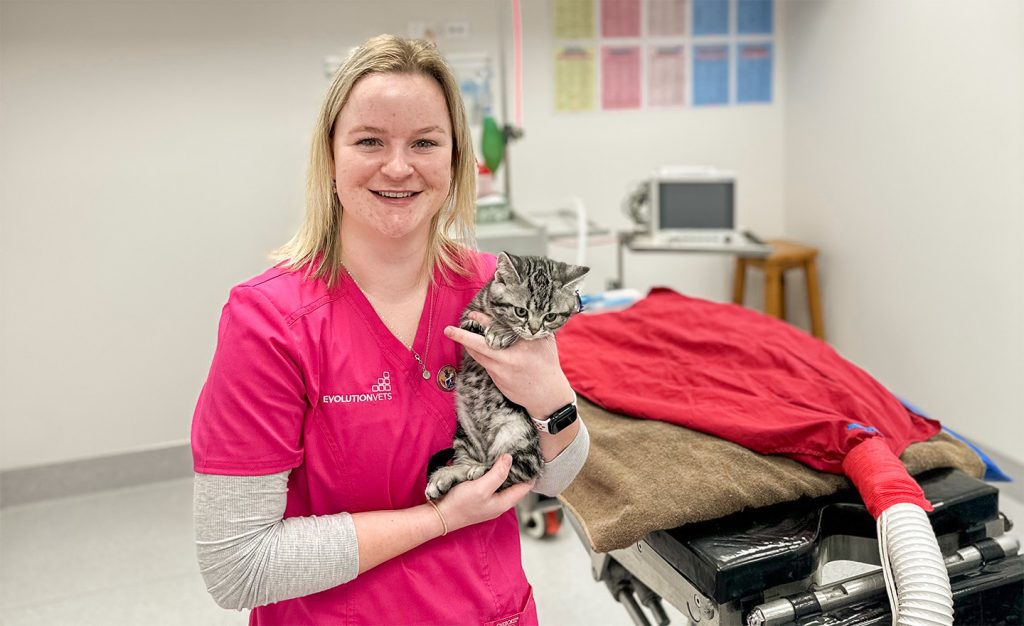
As discussions surrounding the training of pets for health professionals gain momentum, it becomes essential to understand the broader implications this holds for healthcare delivery in Nigeria. Not only does this practice offer enhanced care for patients, but it also fosters strong community ties and promotes a culture of empathy and support, encouraging a cohesive approach to health and well-being.
ADDITIONAL INSIGHTS: Expand your understanding here
Challenges in Training Pets for Healthcare Roles
As the concept of training pets for health professionals in Nigeria gains momentum, it is essential to examine the various challenges that hinder the effective implementation of such programs. The integration of pets into healthcare systems is promising, but significant obstacles need to be addressed to unlock their full potential. One of the most pressing issues is the lack of adequate resources for pet training in Nigeria. Most local health facilities do not have the means to support specialized training programs, which critically limits their ability to employ therapy animals successfully.
Furthermore, there is a notable shortage of qualified trainers who possess the requisite knowledge and skills to prepare pets for health-related roles. Without experienced trainers, many animals may not receive the rigorous instruction required to perform effectively in healthcare settings. For instance, therapy dogs must undergo extensive training to ensure that they can handle the diverse emotions and reactions of patients while maintaining their composure in various environments.
The challenge of cultural perceptions cannot be ignored either. Different communities across Nigeria may harbor varying attitudes towards specific dog breeds and their suitability for therapy roles. In some rural areas, certain breeds are often considered more reliable companions, while others may be viewed with suspicion or fear. It becomes essential to foster a better understanding of the capabilities of various breeds to reshape these perceptions for the benefit of healthcare integration.
Moreover, the lack of structured programs within the Nigerian healthcare system limits the avenues through which health professionals can adopt and utilize trained pets. The framework for leveraging animal-assisted interventions remains largely uncharted, suggesting an urgent need for well-defined guidelines and protocols that can facilitate the collaboration between healthcare providers and animal trainers.
- Educational Initiatives: Awareness and training programs targeting health professionals can improve understanding of how pets can enhance patient care. By equipping healthcare workers with the knowledge to integrate trained animals into their practices, a more holistic approach to health can be fostered.
- Policy Development: The formulation of supportive policies by the government and health authorities can play a crucial role in formalizing the use of trained pets in healthcare settings.
- Community Engagement: Involving local communities in discussions about pet roles in healthcare can help address misconceptions and build acceptance around pet integration.
Investing into these areas will be fundamental for the successful incorporation of trained pets in Nigeria’s healthcare landscape. With the right support, the future could see an increase in environments where pets contribute meaningfully to patient well-being, thereby reshaping the paradigm of health delivery. The health sector’s readiness to innovate and adapt will determine the success of this initiative and its potential to create lasting benefits for both patients and their four-legged companions.
| Advantage | Description |
|---|---|
| Enhancing Patient Care | Training pets can provide therapeutic benefits that improve patient outcomes, demonstrating a unique approach as veterinarians become integral to health teams. |
| Promoting Mental Well-being | Pets trained for health settings can alleviate stress and anxiety, fostering a healing environment for both patients and healthcare providers in Nigeria. |
Expanding on the advantages of the theme “Training Pets for Health Professionals in Nigeria,” it’s crucial to note how this initiative enhances patient care significantly. By integrating trained animals into health facilities, professionals can offer therapeutic interactions that contribute to improved patient outcomes. This innovative blend not only augments traditional treatments but also positions veterinarians as vital members of health teams.Moreover, the promotion of mental well-being through these trained pets cannot be overstated. In high-pressure environments like hospitals or clinics, the presence of animals can lead to lower stress levels and promote a significant reduction in anxiety. This uplifting environment aids not only patients but also healthcare workers, making it a dual benefit scenario. Such initiatives capture attention, presenting a unique intersection of veterinary science and healthcare that is gaining traction in Nigeria.
ADDITIONAL INSIGHTS: Expand your understanding here
Innovative Solutions and Best Practices in Pet Training
Despite the hurdles inherent in training pets for health professionals in Nigeria, innovative solutions and best practices are emerging that can transform the landscape. One effective approach involves the development of collaborative training programs between local veterinary schools and healthcare facilities. By pooling resources and expertise, these institutions can create a robust training infrastructure that not only prepares pets for healthcare roles but also educates health professionals about the benefits and methods of animal-assisted therapies.
Moreover, leveraging technology presents another significant opportunity for enhancing pet training. Virtual training modules and online courses can provide aspiring trainers with access to global best practices in pet therapy. This can be particularly beneficial in a country as vast as Nigeria, where access to expert trainers may be limited to urban centers. Therefore, integrating technology into training systems can democratize knowledge and facilitate a wider reach for animal-assisted therapy education.
Furthermore, the adoption of community-based training initiatives can play a vital role in fostering public acceptance and understanding of trained pets in healthcare settings. Local workshops and training sessions that involve pet owners, healthcare workers, and community members can raise awareness about the positive impacts of therapy animals. Such initiatives can include practical demonstrations where attendees can interact with therapy animals and witness their calming effects on individuals facing health challenges. This hands-on experience can help dismantle entrenched cultural stigmas and encourage a more welcoming attitude toward animal integration in healthcare.
- Establishment of Standard Training Protocols: Developing standardized training protocols specifically tailored for Nigerian healthcare environments is crucial. These protocols should cater to diverse healthcare needs, taking into account local patient demographics and cultural contexts.
- Continuous Professional Development: Health professionals should be encouraged to engage in continuous education programs about animal-assisted therapies. The implementation of workshops or seminars that focus on the benefits, training, and integration of pets into health service delivery can expand their understanding and practical application.
- Research and Evidence-Based Practices: Conducting research to assess the effectiveness of trained pets in healthcare settings within Nigeria can provide valuable insights for future programs. Evidence-based practices will lend credibility to the initiative and support advocacy efforts for policy development.
Internationally, numerous stories showcase the profound effects of therapy animals on patient recovery, ranging from reduced anxiety levels to enhanced emotional well-being. For example, similar initiatives in countries like the United States have demonstrated significant improvements in patients suffering from chronic illnesses when interacting with therapy pets. By drawing inspiration from these success stories, Nigerian health professionals can advocate for similar methodologies suited to local needs.
As the dialogue around integrating pets into health solutions evolves, it is vital for stakeholders within Nigeria’s health sector to remain proactive in seeking innovative solutions. A unified effort from government bodies, health institutions, community members, and animal trainers is essential in reforming the perception and practical implementation of animal-assisted therapy programs. Such collective action will not only enhance patient care but may also lead to groundbreaking changes that redefine the future of healthcare in Nigeria.
SEE ALSO: Click here to read another article
Conclusion
In conclusion, training pets for health professionals in Nigeria represents a significant frontier in enhancing patient care and wellbeing. As highlighted in our exploration, the integration of pets into healthcare settings may serve as a transformative tool in addressing various psychological and emotional challenges faced by patients. Collaborative efforts between veterinary schools and healthcare facilities emerge as a pivotal strategy, fostering a robust educational framework that equips both pets and healthcare workers with the necessary skills and insights.
The potential of technology in this domain cannot be overstated. With virtual resources expanding education and training access, even remote communities can benefit from global best practices tailored to local contexts. Additionally, community-based initiatives cultivate a culture of acceptance and understanding, bridging gaps between healthcare professionals and the communities they serve. As seen in other countries, the benefits of therapy animals are backed by evidence, exemplifying reduced anxiety and improved recovery rates.
Therefore, it is imperative for Nigerian stakeholders—including the government, healthcare practitioners, and civil society—to collaborate towards establishing standardized training protocols and engaging in continuous professional development. As awareness grows, a greater number of health professionals will comprehend the therapeutic role pets can play, empowering them to advocate for animal-assisted therapy as a legitimate and beneficial healthcare strategy. Embracing these forward-thinking approaches will not only enhance patient support but also pave the way for innovative healthcare solutions, ultimately fostering a healthier and more compassionate society.