Reward-Based Training Techniques for Small Pets in Nigeria
The Importance of Training Small Pets
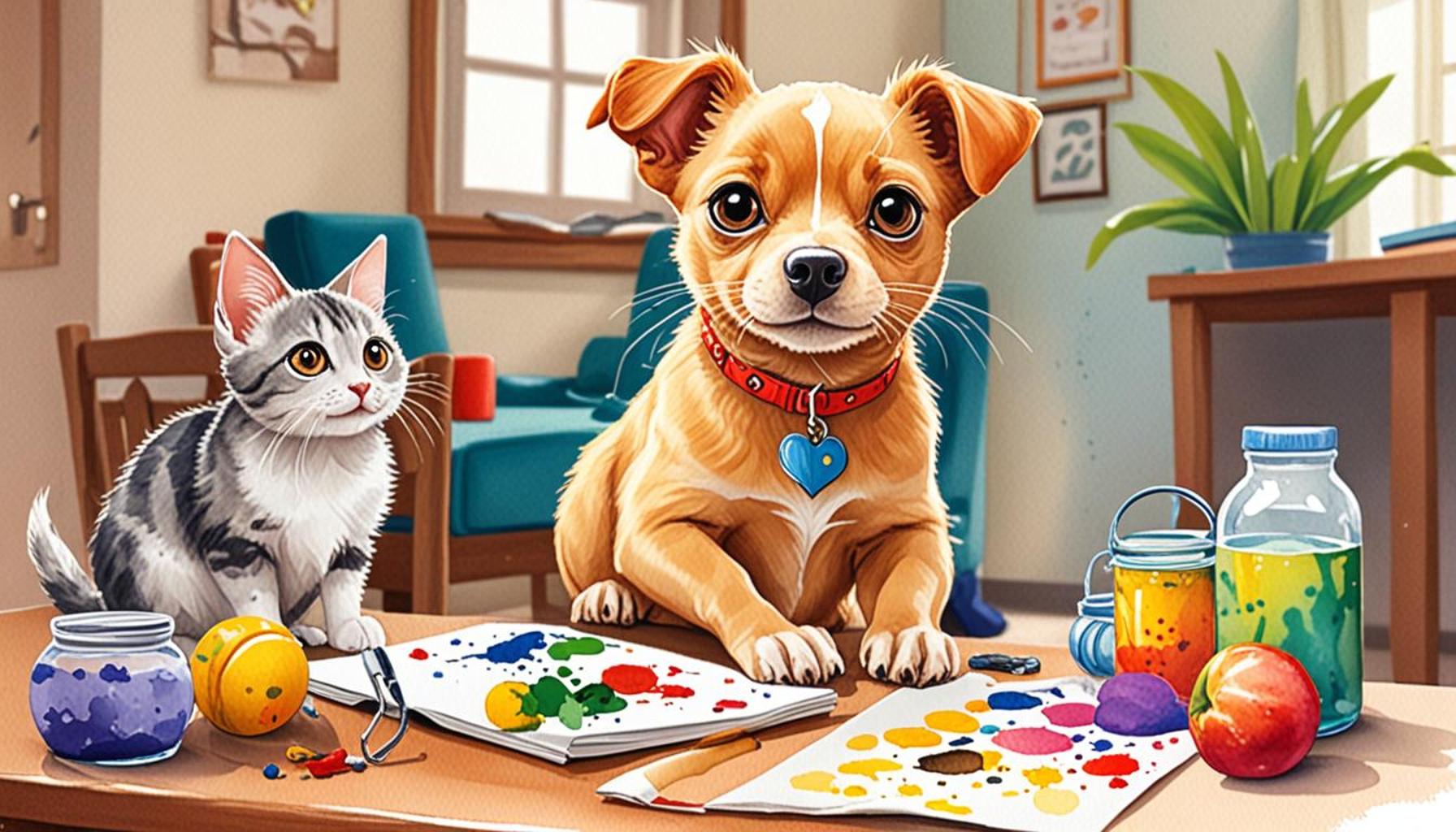
Training small pets can be a delightful experience, especially when utilizing effective techniques. In Nigeria, the growth of pet ownership has seen many individuals and families enjoying the companionship of small animals such as rabbits, guinea pigs, and hamsters. Within this context, reward-based training has become a popular method among pet owners, capturing their attention and affection.
Why Choose Reward-Based Training?
There are several compelling reasons to embrace reward-based training for small pets. One of the primary advantages is positive reinforcement. Pets are more inclined to learn and follow commands when they associate desired behaviors with enjoyable rewards, leading to faster and more effective training outcomes. For instance, a small dog may learn to sit on command much quicker if it knows that sitting will earn it a tasty treat.
Furthermore, reward-based training contributes to improved behavior. This method encourages good actions while discouraging negative behavior without resorting to harsh corrections. For example, if a pet is taught to use a designated area for bathroom needs through consistent rewards, it learns to repeat this behavior, fostering a clean environment.
Additionally, training sessions offer a unique bonding opportunity between pets and their owners. By engaging in fun activities, such as teaching tricks or commands, owners can create lasting memories with their pets. Training ceases to be a mere chore and transforms into an enjoyable experience, deepening their emotional connection.
Local Rewards for Training
In Nigeria, pet owners can utilize simple and culturally resonant rewards to motivate their small pets. For instance, tasty local treats such as cooked rice and fish are not only appealing to pets but also easily accessible. Moreover, attention and affection can go a long way; affection from an owner, through cuddles or praise, is immensely rewarding for small pets like rabbits or ferrets.
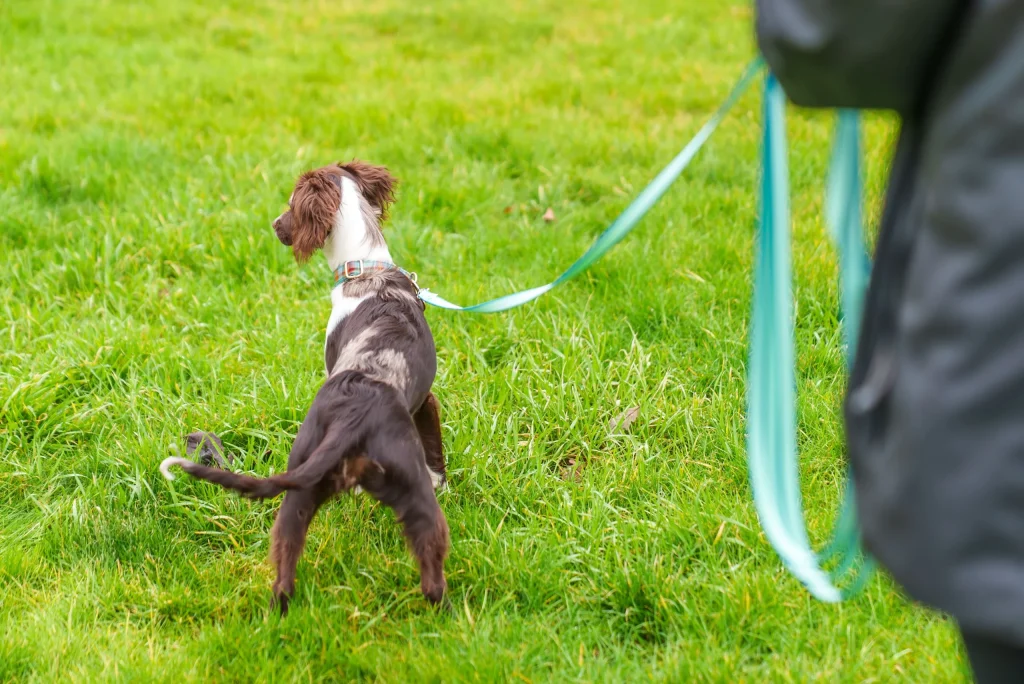
Engaging in playtime with favorite toys or outdoor walks can also serve as effective rewards. For example, a small pet can be encouraged to navigate an obstacle course made from everyday items found at home, rewarding them with praise and playful interaction as they achieve each goal.
Embracing Reward-Based Training
Exploring the concept of reward-based training not only enriches the living experience of pets but has the potential to transform the owner’s experience into something more fulfilling and impactful. Understanding these techniques can lead to significant improvements in the pet’s behavior, leading to a happier household overall.
As the community of pet owners in Nigeria grows, the adoption of these training methods promises to enhance the lives of both pets and their families. Join us as we delve deeper into effective techniques and suggestions that can substantially improve your experience while training small pets throughout Nigeria.
YOU MAY ALSO LIKE: Read read another article
Strategies for Effective Reward-Based Training
Implementing reward-based training techniques for small pets can lead to a transformative experience for both the pet and the owner. Understanding how to leverage the power of rewards is crucial in achieving training goals. Here are some practical strategies designed to optimize training sessions, making them more enjoyable and effective for everyone involved.
Consistency is Key
One of the cornerstones of effective training is consistency. When training small pets, it’s vital to provide rewards immediately after the desired behavior is exhibited. This establishes a clear link between the action and the reward in the pet’s mind. For example, if a pet successfully uses a designated toilet area, providing a small treat right away will reinforce that behavior.
Establishing a Reward System
Different small pets may respond better to various types of rewards. Establishing a reward system that resonates with your pet’s preferences is essential. Consider the following categories when determining suitable rewards:
- Treats: Small, bite-sized snacks are excellent motivators. While commercially available pet treats are popular, you can also opt for homemade options using local ingredients. For instance, a small piece of cooked yam or a slice of boiled egg can serve as delightful treats for guinea pigs.
- Verbal Praise: Simple words of encouragement, like “Good boy!” or “Well done!” can boost your pet’s confidence and foster a positive training atmosphere. It’s important to use a cheerful tone to ensure effective communication.
- Playtime: Engaging in interactive play can be a powerful reward. Activities such as tossing a ball for a small dog or using a feather toy for a ferret provide not just exercise but also fun bonding opportunities.
Monitor and Adjust Training Techniques
Flexibility in your approach to training can lead to successful outcomes. It is important to monitor your small pet’s behavior and response to different rewards. If a particular reward doesn’t seem to motivate your pet, be prepared to try something else. For instance, some pets may find more joy in physical affection and companionship rather than food, making cozy cuddle time a more effective incentive.
Adapting your techniques based on each pet’s reactions will help you build a stronger relationship and ensure a more efficient learning process. The aim is not only to modify behavior but to also create a joyful and stress-free environment for both parties.
Incorporating Cultural Elements
Nigeria’s rich culture offers a plethora of options to enhance reward-based training techniques. Leveraging local customs and traditions can create a more relatable and engaging training experience. For example, incorporating traditional songs or music during playtime can provide a stimulating atmosphere and could even encourage pets to respond positively to commands as they become accustomed to the routine and environment.
With connectedness to the culture, owners can stimulate an emotional response, strengthening the bond between pet and owner while enrichening the training process.
As we aim to improve training methods for small pets, it’s clear that exploring diverse strategies and implementing culturally relevant rewards can pave the way for enhanced pet-owner relationships throughout Nigeria. The journey continues with more techniques and tailored advice for effective training, ensuring that your pet becomes a well-behaved and cherished member of the family.
| Advantages | Detailed Insights |
|---|---|
| Improved Behavioral Outcomes | Using reward-based training techniques allows for more desirable behavior in small pets by positively reinforcing actions. |
| Stronger Bonding | Engaging in this training fosters a deeper connection and trust between the pet and owner, enhancing communication. |
| Cost-Effective Solutions | Such methods often require minimal investment in tools and can utilize everyday treats, making them affordable for pet owners. |
| Flexibility and Customization | Training can be tailored to fit the unique needs of different small pets in varying environments across Nigeria. |
In Nigeria, where pets like rabbits, guinea pigs, and small dogs are increasingly popular, the use of reward-based training techniques not only enhances your pet’s behavior but also promotes a harmonious living environment. The benefits of this training approach extend far beyond immediate compliance; it leads to a happy, well-adjusted pet. As pet owners, understanding these advantages can inspire us to adopt more positive reinforcement methods, ultimately improving animal welfare and enriching the bond we share with our four-legged friends. Now is the perfect time to explore how these techniques can reshape our interactions and the overall training experience.
LEARN MORE: This related article may interest you
Advanced Reward-Based Techniques and Tips
In exploring the world of reward-based training for small pets, it is crucial to understand that training can extend well beyond mere commands. More advanced training techniques focus on enhancing communication, fostering independence, and enriching the overall well-being of your pet. Here are a few advanced strategies that pet owners in Nigeria can employ to elevate their training sessions.
Clicker Training
Clicker training is an effective method that can yield remarkable results when training small pets. This technique involves using a handheld clicker that produces a distinct sound, which acts as a marker signal for good behavior. When the pet performs the desired action, the owner clicks the device followed immediately by a reward, creating a strong positive association.
The sound of the click helps the pet understand exactly what it did right. This technique has been successfully used for various small pets, from hamsters to rabbits, and can be an innovative way for Nigerian pet owners to introduce complex tricks and commands.
Creative Use of Local Resources
Training does not have to rely solely on commercial products; utilizing local resources can make the process more relatable and engaging for both the pet and the owner. For instance, exploring the use of locally-made toys, such as coconut husks or fabric scraps, can enhance interactive play sessions, serving as both a reward and an engaging tool during training.
Additionally, incorporating familiar scents from the environment—be it a favorite spice or fruit—can stimulate your pet’s senses. For example, a light scent of ginger might delight a rabbit during a training session, making them more willing to participate.
Socialization as a Reward
Social interaction is a crucial aspect of pet wellness, impacting behavioral development significantly. For small pets in urbanized areas of Nigeria, encounters with other animals and humans can provide valuable learning experiences. Gradually introducing your pet to new environments and various social settings can be a rewarding part of the training process.
Plan outings to local markets or parks, where your pet can safely interact with people and other animals. Each positive experience should be rewarded with treats or praise, which helps alleviate any fears your pet may have, turning potential stressors into enjoyable learning opportunities.
Tailoring Training for Specific Breeds
Understanding the unique traits and needs of your pet’s breed is essential for effective training. Small pets, such as dwarf rabbits and ferrets, may demonstrate different learning paces and preferences. For example, ferrets are known for their incredible curiosity and playful nature, which can be harnessed by providing stimulating challenges, like using mazes or tunnels, as rewards. In contrast, breeds like dwarf hamsters may find rewards in hidden food puzzles, keeping them mentally engaged.
Researching breed-specific habits can empower pet owners to tailor their training techniques effectively, creating a smoother training experience that fosters long-lasting behavioral improvements.
Track Progress and Celebrate Achievements
Keeping a training journal can not only serve as a motivational tool but also provide insights into your pet’s progress over time. Documenting milestones and behaviors can help identify what works best and allows owners to modify their approaches as necessary.
Additionally, celebrating achievements, no matter how small, reinforces confidence in your pet. Regularly acknowledging progress can contribute positively to the pet’s mindset towards training and create a lasting bond between pet and owner.
By exploring advanced techniques and refining training strategies, Nigerian pet owners can create fulfilling interactions with their small pets. A comprehensive and culturally relevant approach to reward-based training not only enhances behavioral outcomes but also strengthens the cherished bond between pets and their families.
LEARN MORE: This related article may interest you
Conclusion: The Path to Harmonious Living with Small Pets
Reward-based training techniques for small pets in Nigeria offer an effective pathway to fostering better communication and understanding between owners and their beloved companions. By focusing on positive reinforcement methods, such as clicker training and the innovative use of local resources, pet owners can create a nurturing environment that promotes learning and growth. This approach not only enriches the lives of small pets, like hamsters, rabbits, and ferrets, but also enhances the relationship with their human families.
Moreover, socialization plays a critical role in the well-being of small pets. By incorporating outings to local parks and markets for interactive experiences, pet owners can help alleviate fears and encourage confidence. Tailoring training methods to match the specific needs of different breeds is equally vital, ensuring that each pet receives individualized attention that speaks to their unique characteristics.
Importantly, tracking progress through a training journal emphasizes the importance of celebrating small victories, reinforcing positive behaviors, and ultimately deepening the bond shared between pets and owners. In Nigeria, where diverse cultures and practices thrive, embracing reward-based training not only provides a foundation for a well-behaved pet but also serves as an enriching activity that brings families together.
As pet owners explore these techniques, they are encouraged to remain patient and persistent in their training efforts. With the right strategies and understanding, the harmonious relationship with small pets can flourish, leading to a fulfilling companionship that both enriches lives and creates lasting memories.