The Evolution of Pet Training Methods in Nigerian Cities
Understanding the Transformation of Pet Training in Nigeria
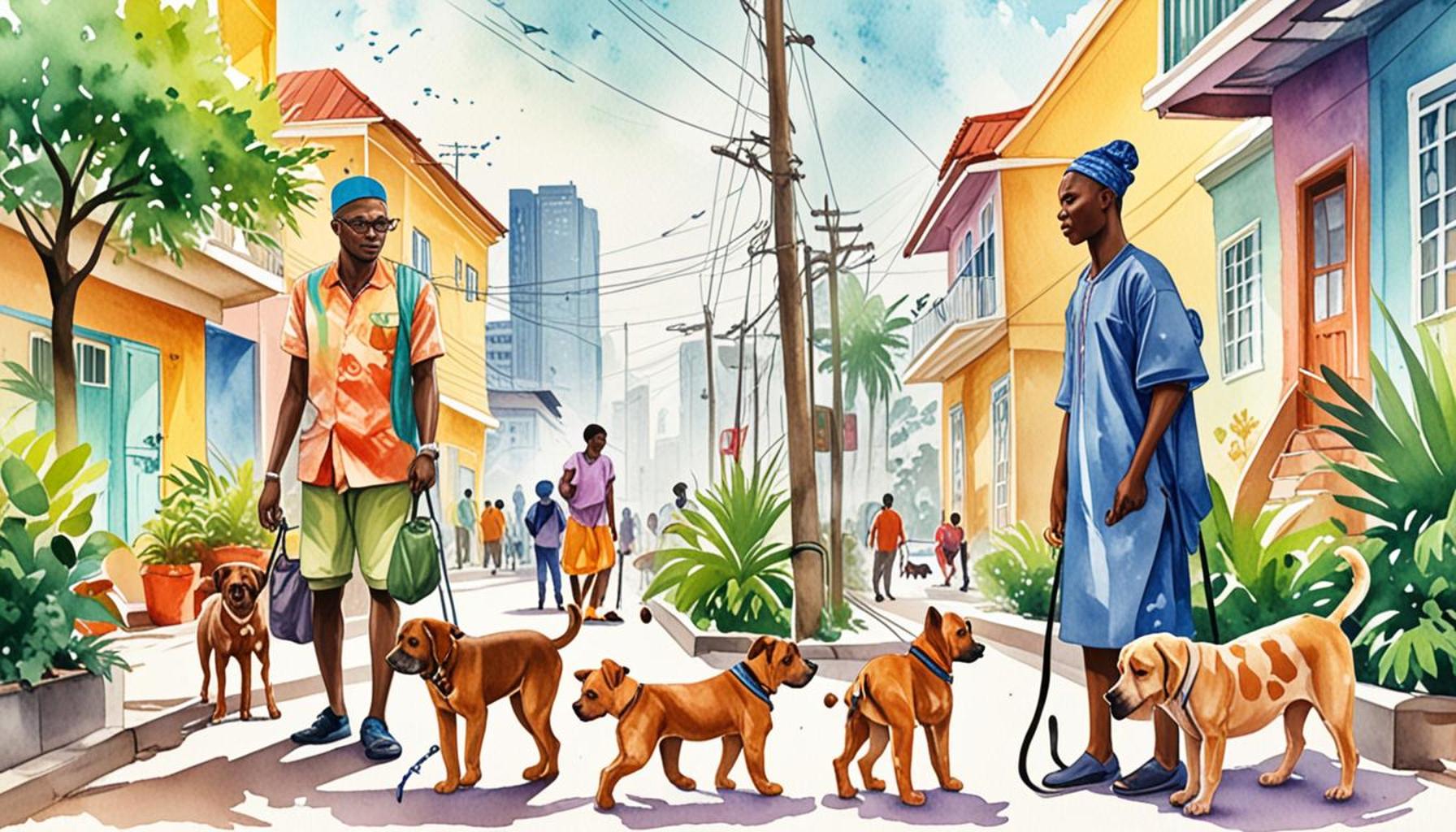
The landscape of pet training in Nigeria has evolved significantly, mirroring the country’s rapid urban growth and changes in lifestyle. With the swift rise of urbanization, familiar pets are increasingly integrated into urban life, thus necessitating a more structured approach to training. This shift is fostering deeper connections between pet owners and their animals, transcending the simplistic interactions of the past.
In the past, pet training in Nigeria predominantly consisted of basic commands such as “sit,” “stay,” and “come,” often taught through trial and error rather than through established techniques. This informal approach often lacked consistency and could lead to misunderstandings between pets and their owners. However, as societal attitudes evolve and the understanding of animal behavior improves, several factors have contributed to a resurgence in effective training methodologies:
- Increased awareness: Many Nigerian pet owners are now realizing the critical role that training plays in ensuring a harmonious relationship with their pets. A well-trained dog, for instance, can adjust to the often chaotic urban environment, making outings and interactions with strangers manageable.
- Access to resources: The emergence of specialized pet training schools in major cities like Lagos, Abuja, and Port Harcourt has made it easier for owners to access professional guidance. Additionally, the proliferation of online courses and social media platforms allows pet owners to learn from global experts without leaving their homes.
- Community engagement: Local pet fairs and training workshops, frequently held in parks or pet stores, not only showcase healthy pet practices but also foster a sense of community among pet owners. These events provide practical demonstrations and opportunities to share experiences, helping both experienced and novice owners alike.
Furthermore, the impacts of globalization are evident in the incorporation of international training techniques. The exposure to methodologies from Western nations has diversified training approaches in Nigeria. Among the most popular modern training methods being embraced are:
- Positive reinforcement: This technique champions rewarding desirable behaviors through treats, praise, or play, effectively encouraging pets to repeat these behaviors in the future. This has proven to be particularly effective in building a trusting bond between pets and owners.
- Clicker training: A method gaining traction in Nigeria, clicker training uses a distinct sound—a clicker—as a marker for desired actions. This auditory cue helps pets quickly associate good behavior with immediate positive feedback.
- Socialized training: Involving pets in group settings with other animals allows for social interaction and adaption to various environments. This method helps pets develop crucial social skills while also providing owners with valuable insight into their pets’ behavior and tendencies.
As we continue to explore the evolution of these modern training techniques, it is essential to consider the diverse cultural landscapes across Nigeria. For instance, training methods and attitudes may vary significantly between the bustling streets of Lagos and the quieter environments of rural areas. These cultural nuances are shaping unique approaches to training, reminding us that while best practices can be adopted from abroad, they must ultimately be tailored to reflect local contexts. As Nigerian society embraces the role of pets as vital companions, it is clear that the journey of pet training is not just about obedience; it is about fostering loving and meaningful relationships.
RECOMMENDED: Check out this similar article

The Shift Towards Professional Pet Training
The transformation of pet training methods in Nigerian cities is not merely a trend; it reflects a broader societal shift where pets are increasingly viewed as integral family members rather than mere animals. As urbanization has intensified, so too has a greater understanding of animal behavior and the importance of structured training. Pet owners are now recognizing that a pet’s ability to navigate the complexities of urban life hinges largely on effective training and socialization.
With this recognition comes a change in training philosophies, moving away from traditional methods that relied heavily on discipline and punishment. Instead, contemporary training focuses primarily on building relationships between pets and their owners through trust and positive interactions. This shift has been bolstered by a combination of social media influence, international pet training trends, and collaboration with professional trainers.
One of the most striking developments in Nigeria’s pet training scene is the growing presence of professional dog trainers and training academies across major cities. In cities like Abuja and Lagos, these institutions have risen in prominence, offering structured and comprehensive training programs to pet owners. The methods employed in these training facilities often incorporate a variety of popular international techniques, which include:
- Behavior modification: This technique focuses on reshaping a pet’s behavior through systematic reinforcement, and it often includes working with problem behaviors such as excessive barking or chewing.
- Agility training: This form of training not only enhances the physical abilities of pets but also provides them with a fun environment to socialize with other animals. Urban pet competitions are now becoming common, showcasing the skills learned through this method.
- Basic obedience classes: These classes are fundamental for new pet owners, teaching essential commands and fostering communication between owners and their pets.
Additionally, the influence of social media platforms cannot be overlooked. Many Nigerian pet owners now share their training experiences online, showcasing their pets’ progress and creative training methods. This engagement not only serves as motivation for other owners but also fosters a vibrant community where advice, tips, and success stories are exchanged. Hashtags like #NigerianPetOwners and #PetTrainingNigeria are gaining traction, creating a sense of unity among pet lovers.
Moreover, the influx of information on animal training is also encouraging owners to explore cultural nuances that influence the training of dogs in Nigeria. For instance, training methods might differ significantly between urban and rural environments due to factors like available space and exposure to various stimuli. Urban dogs are often exposed to street noise, traffic, and crowds, requiring more specialized training to keep them calm and obedient in such chaotic surroundings.
As Nigeria continues to develop its pet training practices, it becomes evident that the evolution of methods is not merely about teaching pets obedience. It is about creating a sustainable relationship between humans and animals in an ever-changing urban landscape. This journey reflects the dynamics of contemporary society, emphasizing the need for progressive approaches that cater to the unique challenges faced by pet owners in Nigerian cities.
| Advantages | Description |
|---|---|
| Personalized Training Programs | Tailors techniques to individual pet behaviors, leading to more effective outcomes. |
| Community Engagement | Promotes social interaction among pet owners, enhancing the overall training experience. |
| Increased Access to Resources | Provides tools and information through workshops and local experts, particularly in urban centers. |
| Culturally Relevant Methods | Integrates traditional wisdom with modern training techniques, ensuring better acceptance and results. |
As Nigerian cities evolve, so do the pet training methods employed within them. Historically, informal training approaches have dominated due to cultural influences and a lack of resources. However, recent trends show a shift towards more structured and educated practices. Access to workshops and trained professionals has drastically improved, offering pet owners the convenience of learning effective techniques tailored to their pets.Urban areas especially benefit from a blending of modern training philosophies alongside local customs, enabling pet owners to communicate better with their pets. This evolution signifies a vital shift toward enhancing the overall well-being of pets and their societies. The community is becoming more engaged, recognizing the importance of social responsibility through proper training practices. Together, these advancements are shaping a more informed approach to pet care that is reflective of the unique urban environment within Nigerian cities.
LEARN MORE: This related article may interest you
The Role of Technology in Modern Pet Training
As cities like Lagos, Abuja, and Port Harcourt continue to embrace a technology-driven approach, it is no surprise that pet training is also undergoing a digital transformation. With the proliferation of smartphone applications and online resources, pet owners now have access to a wealth of information at their fingertips. This tech-savvy generation is using platforms ranging from YouTube tutorials to dedicated pet training apps, making it easier to implement the latest training techniques.
One of the most significant changes in pet training is the introduction of mobile apps designed to aid pet owners in managing their dog’s behavior and training. Apps such as GoodPup and Pawtrack have gained popularity in Nigeria, helping owners develop training schedules, set reminders for lessons, and even log their pet’s progress. These apps often feature expert advice and step-by-step video guides, allowing owners to learn at their own pace. In a country where traditional training might have remained limited to classroom settings, the accessibility of these digital tools represents a paradigm shift.
Moreover, virtual training sessions have become increasingly common, enabling pet trainers to reach a wider audience. With the advent of video conferencing tools, trainers can now conduct lessons remotely, providing personalized coaching from the comfort of an owner’s home. This model appeals particularly to those living in fast-paced urban environments, where commuting to a training facility can be time-consuming. Such flexibility allows for ongoing education, ensuring that pet owners remain engaged and informed on the latest training strategies even amid their busy schedules.
Community Engagement and Socialization Initiatives
The role of community engagement in pet training cannot be underestimated. Group training classes not only provide structured learning but also facilitate social interaction among pets and their owners. In vibrant Nigerian cities, parks and open spaces have become popular venues for community pet training sessions, helping owners establish connections and build local pet communities. These gatherings often feature various activities, ranging from basic obedience drills to exciting agility challenges that allow pets to showcase their skills.
- Pet Meet-Ups: Local organizations and pet owners have initiated meet-ups to foster camaraderie and create supportive environments. During these gatherings, owners can swap training tips, share experiences, and offer emotional support.
- Workshops and Demonstrations: Regular workshops organized by professional trainers in urban areas have helped break down barriers for new pet owners. These events offer hands-on experiences where individuals can learn effective methods while observing how specialized trainers handle various breeds during training.
In some cases, local governments have begun to recognize the importance of well-trained pets in promoting public safety, leading to initiatives that advocate responsible pet ownership. Awareness campaigns focusing on training and socialization are being prioritized, reflecting a shift in public perception that responsible pet ownership contributes positively to community development.
The gradual evolution of pet training in Nigerian cities not only emphasizes modern techniques but also acknowledges the indispensable role of community and technology in shaping the future of pet relationships. As more and more individuals seek to improve their pets’ behaviors and integrate them into urban life, the landscape of pet training continues to expand in exciting and progressive ways.
RECOMMENDED: Check out this similar article
Conclusion: The Future of Pet Training in Nigerian Cities
The evolution of pet training methods in Nigerian cities like Lagos, Abuja, and Port Harcourt reflects significant societal changes that embrace technology, community engagement, and a growing awareness of responsible pet ownership. As pet owners navigate the complexities of urban living, they are armed with an array of digital tools that facilitate effective training and behavioural management. Mobile apps such as GoodPup and Pawtrack are changing the game, allowing pet owners to customize their training experience, track progress, and access expert advice effortlessly.
Moreover, the emphasis on community involvement strengthens connections among pet owners, fostering an environment conducive to mutual learning and support. The initiatives like pet meet-ups and workshops organized by professionals not only enhance the training experience but also create a network of compassion and shared expertise. This approach acknowledges that well-trained pets contribute not only to the immediate households but also to community harmony and public safety.
As the landscape of pet training in Nigeria continues to grow, it is vital for pet owners to stay informed and adaptive, utilizing both traditional and modern techniques for optimal pet development. The fusion of community spirit and technological advancement positions Nigerian cities at the forefront of innovative pet training methods. Ultimately, these changes signal a promising future where pets are not just animals but valued members of urban families, significantly enhancing the quality of life both at home and in the community.