The Role of Modern Technologies in Pet Training in Nigeria

Transforming Pet Training in Nigeria
In recent years, the landscape of pet training in Nigeria has undergone a remarkable transformation. This shift is primarily driven by modern technologies that are reshaping how pet owners approach the training of their furry companions. With an increasing number of households welcoming pets into their lives, the demand for effective training solutions has surged. This is where technological advancements come in, providing innovative tools that not only enhance the effectiveness of training but also make the process more engaging for both pets and their owners.
Among the myriad of innovations, a few key technologies stand out and have significantly influenced the pet training process in Nigeria:
- Mobile Applications: Various apps have been launched specifically for pet training, offering features such as personalized training tips, behavioral tracking, and reminders for training schedules. For example, an app may allow users to input their dog’s specific behavior issues and receive tailored strategies to address those challenges, making training more effective and less overwhelming.
- Interactive Devices: Gadgets like automatic treat dispensers are taking training to a new level. These devices can be programmed to dispense treats at specific intervals or upon the completion of a command. Such interactive devices not only keep pets engaged but also provide immediate rewards that are critical for reinforcing positive behaviors. They cater to busy pet owners who may not always be available during training sessions.
- Online Training Courses: With the rise of virtual learning, pet owners in Nigeria can now access expert trainers from anywhere in the country. Online platforms offer a range of courses, from basic obedience to specialized training. This accessibility is particularly advantageous for those living in remote areas, where professional training resources might be scarce.
The implications of these technological advancements extend beyond improved training outcomes. They foster a deeper emotional connection between pets and their humans. For instance, through consistent training facilitated by mobile apps, pet owners can observe their pets’ progress, leading to enhanced trust and understanding. Furthermore, the incorporation of local customs and cultural nuances into training methods is making these technologies more applicable for Nigerian pet owners, ensuring that solutions resonate with their everyday experiences.
As technology continues to evolve, pet training in Nigeria is becoming increasingly accessible, efficient, and enjoyable. This article highlights how these developments not only improve the training landscape but also promote responsible pet ownership, leading to happier pets and satisfied owners. In the coming sections, we will explore in depth the specific technologies that are shaping pet training in Nigeria, revealing their influence on the dynamic relationship between pets and people.
YOU MAY ALSO LIKE: Read read another article
Innovative Platforms Revolutionizing Pet Training
The advent of modern technologies has paved the way for innovative platforms that are revolutionizing pet training practices across Nigeria. From bustling urban centers like Lagos and Abuja to smaller towns, pet owners are rapidly adopting these technological tools to improve the training experience for their pets. One of the most significant advantages of these platforms is the convenience they offer, streamlining the training process for busy pet owners who may lack the time for traditional training methods.
Among the notable innovations are mobile applications, which have become essential resources for pet owners seeking structured training routines. These apps not only provide comprehensive training guides but also facilitate real-time tracking of a pet’s progress. By integrating features like video demonstrations and step-by-step instructions, pet owners can follow along and implement training exercises effectively. Additionally, many applications include a community forum where users can share experiences and tips, fostering a sense of community among pet lovers.
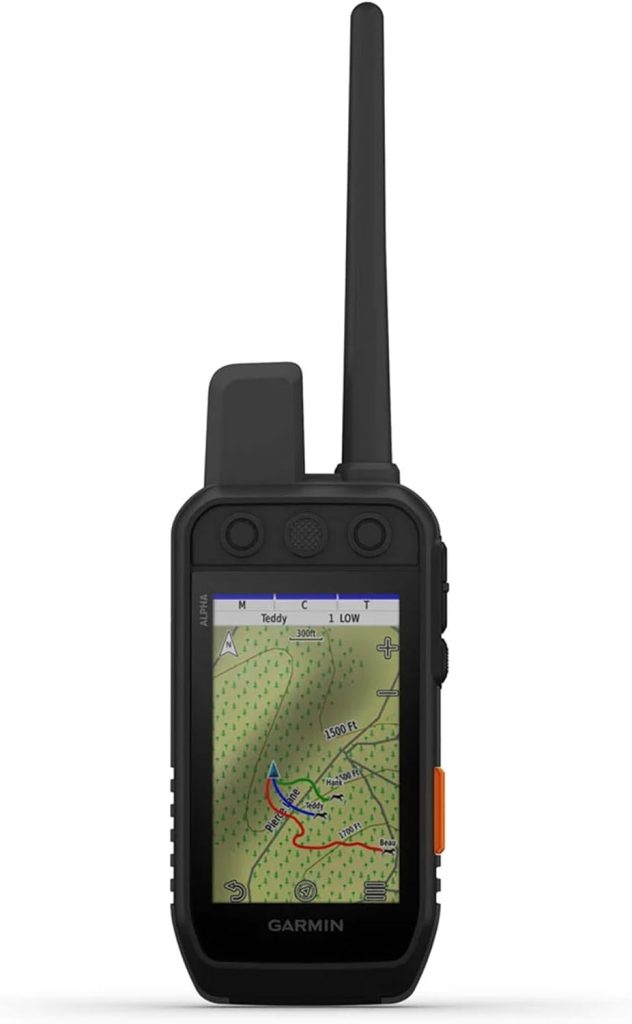
Furthermore, wearable technology has also made its mark in the world of pet training. Smart collars equipped with GPS tracking and activity monitoring features are helping owners keep tabs on their pets’ behavior and exercise levels. For example, these collars can give insights into whether a dog is getting enough physical activity or if there are notable changes in their behavior patterns that might require intervention. This data-driven approach empowers owners to make informed decisions regarding their pets’ well-being, thereby enhancing training outcomes.
Interactive devices have transformed training sessions into playful learning experiences. Devices such as smart treat dispensers come equipped with features that allow owners to set training goals and reward their pets instantly for achieving them. By incorporating technology into training, pets become more motivated and engaged, ultimately creating a positive reinforcement cycle. This is particularly beneficial for adopting a training regimen that caters to different breeds and temperaments, ensuring each pet receives the right kind of training tailored to its needs.
The emergence of virtual pet training platforms is another game changer for Nigerian pet owners. These platforms offer online training courses led by experienced trainers who specialize in various training techniques, including obedience and behavioral modification. This accessibility breaks geographic barriers and provides pet owners, particularly those in rural areas, with access to expert advice without the need for costly travel. These courses often incorporate local training practices, making them relatable and effective for Nigerian pet owners.
As pet training evolves in Nigeria, the role of modern technologies cannot be overstated. From accessible mobile apps and wearables to virtual training platforms, these innovations are not only enhancing training effectiveness but also encouraging responsible pet ownership. By leveraging these tools, pet owners are witnessing significant improvements in their pets’ behavior and overall well-being. In the next section, we will delve deeper into the specific advantages these technologies bring to pet training, illustrating their transformative impact on the human-animal bond in Nigeria.
| Technology Type | Advantages |
|---|---|
| Virtual Training Platforms | Accessible and Cost-Effective: Allows pet owners to learn training methods from home, reducing travel costs and time. This convenience increases participation in training programs throughout Nigeria. |
| Smart Devices | Real-time Feedback: Devices such as smart collars and activity trackers provide immediate data on a pet’s behavior and activity levels, promoting more effective training and better pet health management. |
| Online Communities | Support and Resources: Access to forums and social media groups enables pet owners to share experiences, tips, and resources, fostering a collaborative training environment. |
In Nigeria, the integration of modern technologies into pet training not only facilitates effective training methods but also enhances the overall interaction between pets and their owners. Virtual training platforms, for instance, are proving to be immensely popular as they offer flexibility and accessibility. Pet owners can now access high-quality instructional content at their convenience, allowing more individuals to engage in training, regardless of location.Smart devices, such as innovative collars and mobile applications, are revolutionizing the way pet behaviors are monitored and modified. Through real-time tracking and data collection, owners can better understand their pets’ needs and modify their training methods accordingly. Furthermore, online communities provide a vital resource for pet owners across Nigeria—they can connect, learn, and grow through shared knowledge and mutual support, creating a strong network focused on enhancing the training and well-being of pets.These technologies not only make training easier but also elevate the bond between pets and their owners, ensuring a healthier and more fulfilled life for pets throughout Nigeria.
ADDITIONAL INSIGHTS: Expand your understanding here
Enhanced Learning Through Gamification and AI
Modern technologies not only serve practical purposes in pet training but also introduce the element of gamification, which significantly enhances engagement levels for both pets and their owners. By turning training into a game-like experience, pet owners can utilize various platforms that reward their pets with points, badges, or treats when they achieve specific training milestones. This approach taps into pets’ natural instincts to play, making training sessions much more enjoyable. For instance, Nigerian pet owners can use apps that feature interactive challenges tailored to various breeds, elevating the motivation for pets to learn new commands and behaviors.
Another remarkable advancement is the implementation of artificial intelligence (AI)</strong) within pet training tools. Some innovative digital platforms now employ AI algorithms to personalize training programs based on a pet's learning pace and behavioral tendencies. For example, a pet that consistently struggles with basic commands may receive a modified curriculum that includes more repetition and simplified instructions. This individualized approach ensures that pets don’t feel overwhelmed and can progress at a comfortable pace, an essential aspect considering the diversity of breeds found in Nigeria, from local mixed breeds to imported show dogs.
Moreover, Nigerian pet owners are increasingly turning to social media and video-sharing platforms to access a wealth of training resources. These platforms serve as a repository for content ranging from instructional videos to webinars hosted by well-known animal trainers. This wealth of information enables owners to explore different training techniques, finding one that resonates with their pet’s unique personality. Platforms like Instagram and TikTok have also birthed a new breed of pet influencers, who showcase creative training sessions and share success stories, thus inspiring others to implement these techniques.
In cities like Lagos, where there is a surge in pet ownership, these modern training tools benefit not just individual pets but the community at large. Pet training classes are becoming popular, and local trainers are leveraging technology to create hybrid classes that blend traditional in-person training with online resources. This dual approach allows participants to access training materials outside class hours, ensuring they can reinforce lessons learned during sessions. As a result, communities become more engaged in responsible pet ownership, fostering better relationships between pets and their owners.
Moreover, the significance of remote training consultations via video calls cannot be overlooked. Many trainers now offer virtual sessions, making their expertise accessible to pet owners regardless of location. This is particularly advantageous for residents in rural areas, where access to professional trainers may be limited. By simply using a smartphone or laptop, pet owners can receive real-time feedback on training techniques, eliminating geographical constraints that once hindered effective training.
Furthermore, the integration of data analytics into pet training technologies adds another layer to the training experience. Many applications allow owners to collect data on their pets’ behaviors over time, identifying patterns that can inform training strategies. For Nigerian pet owners, this could mean understanding when their pets are most receptive to learning or pinpointing specific behavioral issues that may need addressing. As data-driven insights lead to more effective training programs, pets benefit from more tailored approaches, making training a rewarding journey rather than a chore.
In essence, the convergence of gamification, AI, social media resources, remote training consultations, and data analytics is redefining the landscape of pet training in Nigeria. These technological advancements make training accessible, effective, and engaging, leading to better-behaved pets and happier owners. As these methods gain traction, they promise to bolster the overall welfare of pets and deepen the connection between humans and their furry companions in the Nigerian context.
CHECK OUT: Click here to explore more
Conclusion
The advent of modern technologies has profoundly transformed the landscape of pet training in Nigeria, making it more engaging, accessible, and effective for pet owners and their furry companions. With the incorporation of gamification, training has shifted from a mundane task to a fun-filled experience, motivating pets through interactive challenges and rewards. Additionally, the integration of artificial intelligence (AI) has allowed for personalized training programs that cater to the unique needs and learning paces of different breeds, ensuring no pet feels left behind.
Social media platforms have emerged as invaluable resources, providing pet owners access to a plethora of training materials, expert advice, and inspirational success stories from fellow dog lovers. This democratization of information fosters a community-driven approach to pet training, enhancing responsible pet ownership across Nigeria. Furthermore, the growing trend of remote training consultations bridges geographical gaps, allowing even those in rural areas to benefit from professional guidance through simple video calls.
As the integration of data analytics becomes more prevalent, pet owners gain insights into their pets’ behavior, enabling them to tailor training strategies effectively. This data-driven approach not only facilitates quicker learning but also nurtures a deeper understanding between pets and their owners. Collectively, these technological advancements are revolutionizing pet training in Nigeria, promising to enhance the relationship between humans and their pets. With continuous explorations into innovative training methods, the future looks bright for both trainers and pet owners, paving the way for a harmonious coexistence that prioritizes the well-being of pets while enriching the lives of their humans.