Alternative Training Methods for Cats: How to Teach Desired Behaviors
Innovative Training Techniques for Your Cat
Training a cat can often feel like a mystery. Traditional methods may not resonate with every feline, leading pet owners to seek out alternative training methods that better suit their unique personalities. Understanding these various techniques is essential for teaching desired behaviors effectively. It can also prevent frustration for both the cat and the owner, paving the way for a healthier relationship.
One highly effective technique is Clicker Training. This method utilizes a small handheld device that makes a clicking sound to mark a behavior that you want to reinforce. For instance, if your cat successfully uses the litter box, clicking right at that moment followed by a treat can help the cat associate the action with a positive reward. Over time, the click itself becomes a signal for your pet that they have done something right. This technique is straightforward and can be utilized for a range of behaviors, from simple commands to tricks.
Positive Reinforcement is another popular approach that revolves around rewarding your cat for exhibiting desirable behaviors. This could include offering treats, verbal praise, or petting. For example, if you want your cat to stop scratching furniture, rewarding them with a treat when they use their scratching post can reinforce good behavior. The key here is consistency; over time, your feline companion will learn that good behavior yields great rewards.
Target Training is also an excellent way to guide your feline’s actions. This involves teaching your cat to touch a specific target with their nose or paw. You can create a target by using a stick with a small ball at the end or even your finger. Start by encouraging your cat to touch the target and rewarding them each time they do. This method not only facilitates learning but also stimulates your cat mentally.
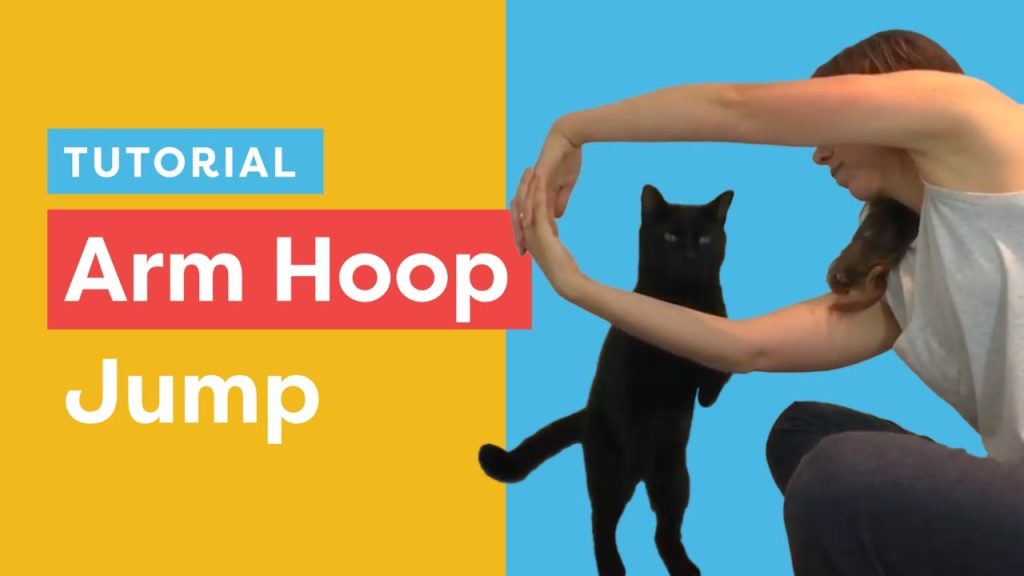
Incorporating Fun Games into your training routine can make learning feel less like a chore and more like a bonding activity. For instance, using interactive toys or laser pointers can engage your cat in play while simultaneously teaching them to follow commands or navigate obstacles. Engaging your cat in play teaches them to think critically and can improve their confidence as they solve puzzles.
In Nigeria, pet owners may find it beneficial to incorporate local customs or play styles that resonate with their interactions with animals. For instance, using traditional toys, like handmade feather wands or even colorful yarn, can entice a cat’s natural hunting instincts while facilitating a fun learning environment. Observing the local wildlife can also offer insights into behaviors that can be mimicked for training, making it culturally relevant and enriching for both the pet and owner.
Embracing these alternative strategies not only fosters a strong bond between you and your pet but also creates a harmonious household where your cat feels understood. Explore these options further to unlock the hidden potential of your furry companion and achieve a fulfilling relationship that transcends mere ownership.
LEARN MORE: This related article may interest you
Understanding Your Cat’s Learning Style
Before diving into alternative training methods, it’s essential to appreciate that each cat has a distinct personality, requiring different approaches to training. Unlike dogs, felines may be less inclined to please their owners through obedience, often pushing the boundaries of expectations. To effectively teach desired behaviors, it’s vital to adapt your training style to fit their unique characteristics, enhancing their willingness to learn. Here are several key alternatives to consider:
- Clicker Training: This method isn’t just a trend; it’s a scientifically-backed technique that transforms how you interact with your kitty. The clicker sound marks the exact moment your cat performs a desired action, creating a clear association between behavior and reward. This can be particularly useful in encouraging actions that may take longer to establish, such as using a litter box consistently.
- Positive Reinforcement: Rewarding your cat for good behavior is a powerful motivator. Whether it’s a tasty treat or an affectionate scratch behind the ears, positive reinforcement strengthens your cat’s bond with you. Over time, this method can make previously undesirable behaviors, like jumping on counters, much less appealing.
- Target Training: Teaching your cat to focus on a specific target enhances their cognitive skills. By rewarding them when they nose or paw at a target, you will not only teach them desirable behaviors but also help them develop further skills, such as navigating through obstacles—a great way to engage their hunting instincts!
- Fun Games: Learning doesn’t have to be dull. Incorporating play into training increases engagement. Using interactive toys, you can transform a training session into a rewarding game. For instance, using a feather toy can be an excellent way to teach your cat to come when called, making the experience enjoyable for both of you.
In places like Nigeria, where the culture is rich with interaction between pets and their owners, these methods can be further enriched by local insights. Consider introducing handmade toys or familiar sounds common in your environment. This localized approach not only makes the training more efficient but also gives your cat comfort in responding to familiar cues.
By exploring and implementing these innovative training techniques, you are more likely to unlock the potential of your feline friend. It not only establishes a structure for teaching but also fosters an enjoyable atmosphere where your cat can thrive. The journey of cat training can lead to profound mutual understanding, creating a home where both animal and owner feel respected and appreciated.
Exploring Alternative Training Methods for Cats
When it comes to training cats, traditional methods often fall short. Fortunately, there has been a surge in interest around alternative training methods that facilitate better communication between cats and their owners. These methods not only enhance the bond you share with your feline friend but also encourage the learning of desired behaviors in a stress-free environment.
Positive Reinforcement Techniques
One of the most effective alternative methods is positive reinforcement. This technique involves rewarding your cat for exhibiting desired behaviors, such as using the litter box or scratching a designated post. Using treats, praise, or playtime as rewards can create a positive feedback loop, making your cat more likely to repeat the behavior. It’s essential to ensure that rewards are immediate and consistent, as this will help your cat associate the behavior with positive outcomes.
Clicker Training
Another popular method gaining traction among cat owners is clicker training. Clickers are small devices that emit a distinct sound when pressed. This sound serves as a precise marker, letting your cat know they have performed the correct action. When paired with a reward, the clicker can be an invaluable tool in teaching complex behaviors and tricks. Many owners report improved focus and engagement from their cats using this method, proving that mental stimulation is beneficial for feline well-being.
Target Training
Target training is yet another captivating technique that can be applied to your training sessions. By teaching your cat to touch a stick or your hand with their nose, you can guide them to perform various tasks. This method is particularly useful for redirecting unwanted behaviors or teaching new skills. As the cat learns to target objects, it not only boosts their confidence but also provides a fun and engaging training experience.
Environmental Enrichment
Beyond conventional training techniques, considering the environment your cat lives in is crucial. Environmental enrichment uses various stimuli to improve your cat’s mental and physical well-being. This can include interactive toys, climbing structures, or even puzzle feeders. By engaging your cat’s natural instincts to explore and hunt, you can indirectly promote desirable behaviors like scratching and playing while reducing stress-related issues.In summary, exploring alternative training methods can be the key to unlocking your cat’s full potential. By utilizing positive reinforcement, clicker training, target training, and environmental enrichment, you can create a harmonious atmosphere for learning and growth. As you embark on this journey, you’re likely to find a deeper connection with your feline companion, leading to a more fulfilling relationship.
LEARN MORE: This related article may interest you
Engaging Techniques for Feline Learning
While the traditional methods of training cats often carry a reputation of being less effective, alternative training techniques open up a plethora of creative possibilities. By harnessing your cat’s natural instincts and preferences, these methods can significantly enhance the training process. Here are additional approaches that can reap rewards for both you and your feline friend:
- Social Learning: Cats are observant creatures, often absorbing information from their surroundings, especially from other animals. This form of training is particularly effective in multi-pet households. When one cat learns a new behavior, others can pick it up simply by watching. For example, if one cat gets a treat for using the scratching post, the others may quickly follow suit. This method capitalizes on your cats’ natural curiosity and relational dynamics.
- Environment Enrichment: A cat’s environment plays a crucial role in their behavior. By providing stimulation—such as climbing structures, hiding spots, or interactive feeders—you encourage natural behaviors while making training easier. For instance, if your cat is prone to boredom and engages in destructive behavior, an enriched environment can redirect that energy into exploring and playing instead.
- Capturing and Shaping: This technique builds on the idea of rewarding spontaneous behaviors. Instead of waiting for a cat to perform a trick on command, reward them when they showcase that behavior naturally. For example, if your cat jumps up to a high shelf, you can reward this behavior consistently. Over time, you can encourage them to perform this action on command through shaping.
- Using Food Puzzles: Integrating training with mealtime can turn a regular feeding session into a mental challenge. Food puzzles stimulate your cat both physically and mentally, encouraging problem-solving skills as they work to uncover their meal. This method is particularly effective for reducing anxiety and fostering patience, while also converting food into a training tool.
- Incorporating Local Culture: In Nigeria, various cultural practices involve interactions with cats that can be creatively integrated into training. For instance, using local sounds or gestures that signify play or reward can make training more relatable and effective. Whether it’s incorporating traditional music rhythms during play or using familiar phrases, local contexts can enhance your cat’s responsiveness.
Each of these methods presents a unique avenue for exploration. By continuously adapting your approach and observing your cat’s reactions, you can identify which techniques resonate best with them. Through experimentation and patience, you’ll not only achieve your training goals but also enhance the bond with your furry companion. Moreover, using these alternative methods allows you to celebrate your cat’s individuality, making training sessions not just educational, but also enjoyable and enriching experiences for both parties involved.
RECOMMENDED: Check out this similar article
Conclusion: Embracing Innovative Approaches to Cat Training
In today’s world, the potential for effectively training your feline companion goes far beyond traditional methods. The exploration of alternative training techniques not only enhances your ability to teach desired behaviors but also strengthens the bond between you and your cat. By embracing strategies such as social learning, environment enrichment, capturing and shaping, using food puzzles, and incorporating local culture, pet owners in Nigeria can tailor training to fit their cat’s unique personality and instincts.
The key to success lies in understanding the individual needs of your cat. Each cat is distinct, and a method that works wonders for one may not resonate with another. This highlights the importance of observation and adaptation in your training approach. Rewarding natural behaviors can transform the ordinary into the extraordinary, turning training sessions into opportunities for play and exploration.
As you delve into these innovative training methods, remember that patience and consistency are vital. Not only will you celebrate your cat’s individuality, but you will also provide them with a stimulating environment that nurtures their physical and mental well-being. The journeys of discovery and learning you embark on together promise to be rewarding, forging deeper connections enriched by trust and mutual understanding.
Ultimately, the range of alternative training methods available empowers cat owners to create a tailored experience that resonates with their feline friends. By applying these enriching techniques, you are not merely training a pet; you are fostering a harmonious relationship that celebrates the unique quirks and preferences of one of nature’s most enigmatic creatures. Explore, experiment, and enjoy the profound rewards your efforts will bring.