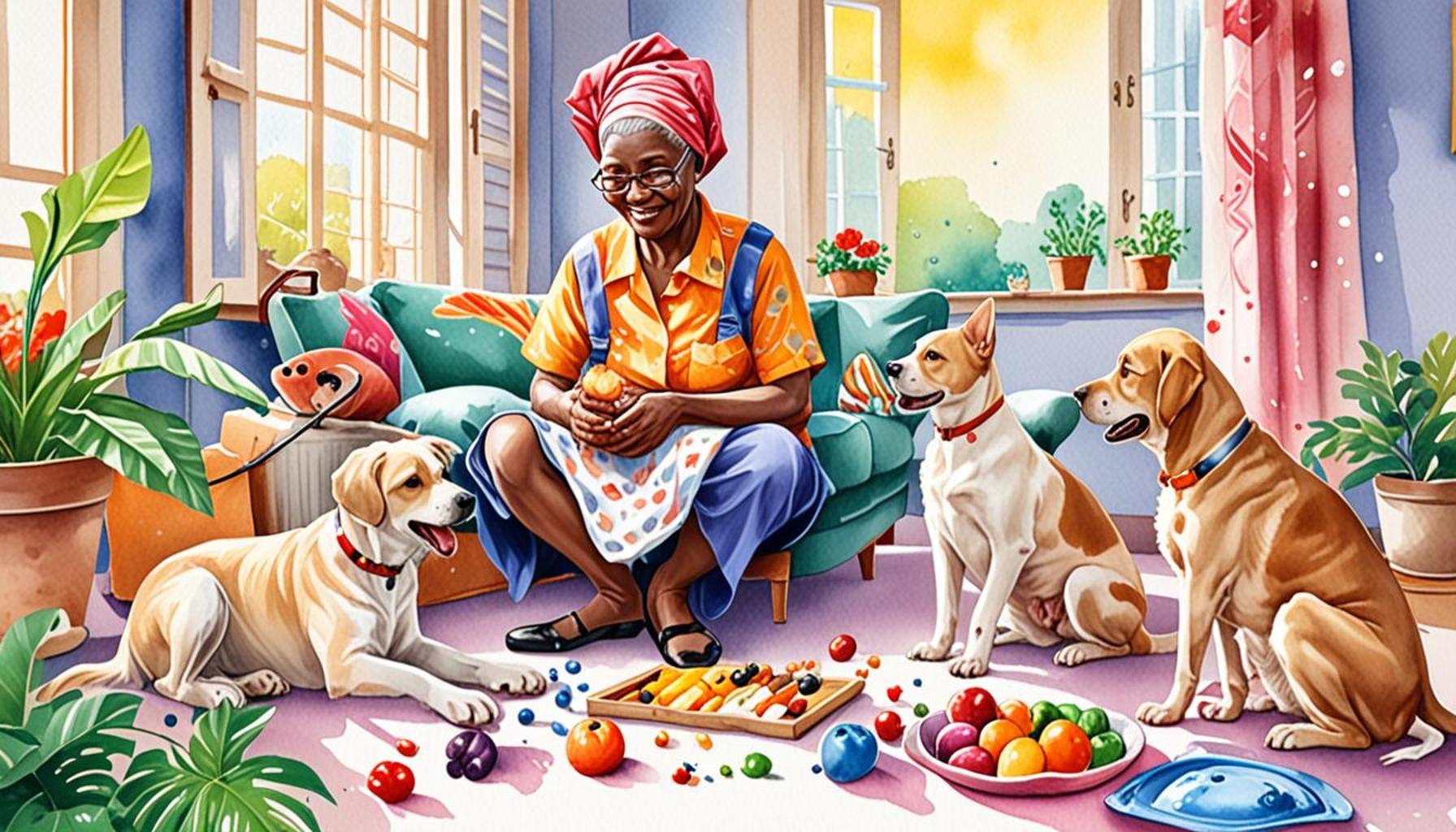
Developing Inclusive Training Programs for Pets with Special Needs in Nigeria

Understanding the Importance of Inclusive Training
As pet ownership continues to grow in Nigeria, so does the awareness of the needs of pets with special requirements. These animals may include those with physical disabilities, behavioral issues, or medical conditions that require unique training approaches. It is crucial to acknowledge that developing inclusive training programs transcends mere obedience; it aims to enhance the quality of life for all pets, ensuring they lead fulfilling, happy lives alongside their human companions.
Key Challenges Faced
- Lack of awareness about special needs in pets: Many pet owners may not recognize that their animals have special requirements. For instance, dogs with hearing impairments might need visual cues for training. Awareness campaigns can help highlight these needs and educate the public.
- Scarcity of trained professionals in veterinary behavior: The expertise required to train animals with unique challenges is often in short supply. For example, while general dog trainers are relatively common, specialists in behavior modification for pets with anxiety disorders are few and far between. This shortage creates a barrier to effective training.
- Limited resources for pet owners: Accessibility to resources such as workshops, seminars, and training materials is often lacking. Owners of special-needs pets may find it difficult to locate literature or support within their communities, underscoring the necessity for more comprehensive training programs.
Creating an effective training program for pets with special needs involves understanding their specific requirements in a multifaceted manner. Critical factors such as:
- Individual learning styles: Just as humans learn differently, pets also have their unique ways of absorbing information. For example, some dogs may respond better to tactile cues, while others may be more motivated by verbal praise or treats.
- Environmental adjustments: An inclusive training environment should consider factors like noise levels, distractions, and physical space. For pets with anxiety, a quiet, serene space might be more effective for learning than a bustling park.
- Use of positive reinforcement techniques: Employing methods that encourage good behavior rather than punishing undesirable actions can lead to better learning outcomes. For instance, using treats and praise can significantly enhance the dog’s motivation to follow commands.
Considering the current landscape in Nigeria, there is a palpable growing need for resources and expertise to address these challenges. Various organizations can collaborate with local pet centers to initiate programs focusing on inclusive training methodologies.
Potential Benefits
- Improved behavior and socialization: Inclusive training fosters an environment where pets can learn to navigate various social situations, leading to calmer and well-behaved animals. For example, a dog trained to manage its anxiety can enjoy outings without overwhelming stress.
- Enhanced bonding between pet and owner: Training reinforces the bond between the pet and its owner. Shared experiences during training sessions can deepen mutual trust and affection, making the companionship more rewarding.
- Greater accessibility to public spaces: Trained pets stand a better chance of being accepted in public areas, such as restaurants or community parks. This not only benefits the pet but also enriches the owner’s experience, allowing for more inclusive outings.
By embracing inclusivity in training programs, Nigeria can pave the way for a more compassionate approach to pet ownership. Such initiatives not only cater to the diverse needs of all animals involved but also reflect a societal shift towards greater empathy and understanding. It is an invitation for pet owners and trainers alike to engage in dialogue, share resources, and ultimately create a harmonious living environment for both pets and people.
SEE ALSO: Click here to read another article
Adapting Strategies for Diverse Needs
Developing inclusive training programs for pets with special needs in Nigeria requires a multifaceted approach that accommodates the diverse challenges faced by these animals. Addressing these challenges means adapting existing training methodologies to provide a more supportive learning environment. In doing so, trainers and pet owners can create a harmonious ecosystem where pets with various requirements can thrive.
Understanding Unique Behaviors
One of the most significant aspects of training pets with special needs is the recognition and understanding of their unique behaviors. Animals may exhibit behaviors stemming from past trauma, disability, or distinct learning capabilities. For instance, a dog suffering from a physical condition may not have the energy or ability to perform certain commands as easily as a healthy counterpart. Understanding these limitations is the first step towards establishing effective training strategies.
- Behavioral cues: Trainers should observe and engage with their pets to identify specific behavioral cues that indicate understanding or confusion. For example, a dog with a visual impairment may require auditory commands or vibrations to respond appropriately.
- Adapting to challenges: Some pets might exhibit defense mechanisms like aggression due to fear or anxiety. Trainers should respond with patience and create a structured environment that allows the pet to feel safe while learning new skills.
- Collaborative approaches: Encouraging collaboration between trainers and pet owners can lead to tailored training sessions that account for the pet’s individual needs. This collaborative effort ensures consistency in training methods and reinforces the bond between the pet and its owner.
Creating an Engaging Training Environment
The environment where training takes place is just as vital as the methods employed. It is essential to establish an engaging and adaptive training atmosphere that minimizes distractions and fosters concentration. In Nigeria, pet owners often train their animals outdoors; however, this setting may be overwhelming for pets with anxiety or sensory sensitivities. Therefore, trainers should consider the following factors:
- Safe spaces: Constructing a designated safe space at home or within a controlled environment may help pets feel comfortable. Utilizing items like mats or gentle constraints can signal to the pet that this area is meant for learning.
- Minimized distractions: Reducing external stimuli, such as loud noises and other animals when training, allows pets to focus on commands. For instance, a quieter room in the house can replace a busy dog park for training a reactive pet.
- Visual aids: Employing visual aids through signs or hand signals can effectively communicate commands to pets, especially those with hearing impairments. This method aligns well with inclusive training practices and supports pets in understanding their tasks.
By focusing on adapting to individual needs and creating an engaging environment, trainers can set the stage for successful learning experiences. As these programs evolve, the emphasis on empathy and understanding will pave the way for a more inclusive approach to pet training in Nigeria. This is not merely a challenge but a compelling opportunity to foster compassion and enhance the bond between pets with special needs and their owners across the nation.
| Advantage | Description |
|---|---|
| Customized Learning Approaches | Creating tailored programs helps to meet the unique needs of pets with disabilities, enhancing their learning experience. |
| Improved Quality of Life | Inclusive training can significantly boost the confidence and social skills of pets, leading to a happier, healthier life. |
| Awareness and Education | Training programs foster community awareness and understanding about the needs of special needs pets, encouraging more inclusive practices. |
| Support for Owners | Providing resources and strategies for pet owners empowers them to better care for and support their special needs pets. |
Strong initiatives also create pathways for collaboration among trainers, veterinarians, and pet owners, ensuring that each special needs pet receives comprehensive support. This collaborative network can further enhance awareness about conditions like cognitive dysfunction syndrome in older pets or mobility issues due to congenital disabilities. Moreover, fostering an inclusive environment helps break the stigma associated with having special needs pets, encouraging a more humane society. It invites pet owners and trainers alike to embrace the potential each pet possesses, no matter their challenges. The outcome is a proactive approach that values compassion and understanding, calling on communities to engage with and support all pets. As programs develop, measurable outcomes must be tracked to ensure effectiveness and adaptability, making this an enduring journey toward inclusivity.
ADDITIONAL INSIGHTS: Expand your understanding here
Implementing Innovative Techniques in Training
As inclusive training programs for pets with special needs in Nigeria develop, it is vital to incorporate innovative techniques that can enhance the learning process. Utilizing modern tools and methods not only aids in overcoming specific challenges but also boosts the overall engagement of both trainers and pets.
Incorporating Technology
With the rise of technology, trainers can leverage various tools that facilitate better communication and training experiences. For instance, mobile applications designed for pet training can be instrumental in tracking progress, scheduling training sessions, and even providing reminders for owners.
- Apps and digital resources: Utilizing training apps can help pet owners learn effective techniques and monitor their pet’s evolution. Many of these apps offer tailored programs for pets with special needs, giving owners access to resources that specifically address their animal’s unique challenges.
- Video training demonstrations: Trainers can share video content that demonstrates specific techniques for overcoming hurdles in behavior or communication. This visual aid can serve as a valuable resource for pet owners in Nigeria, where access to physical classes may be limited in rural areas.
Positive Reinforcement Techniques
Among the most effective training approaches is the method of positive reinforcement, which encourages desired behaviors through rewards. This technique can be particularly beneficial for pets with special needs who may have experienced negative training methods in the past.
- Customized reward systems: Developing tailored reward systems, such as treats or praise, can create a powerful incentive for pets. Understanding the pet’s preferences is crucial; for example, while some may respond best to tasty treats, others may thrive on verbal praise or playtime.
- Gradual training progression: Employing a gradual approach that allows pets to build confidence is essential. Instead of overwhelming them with complex commands, breaking tasks into smaller, manageable parts can aid learning and prevent frustration.
Community Involvement and Support Networks
Fostering community involvement and support networks is another essential component of developing inclusive training programs. In a nation like Nigeria, where cultural and social dynamics play a significant role in pet ownership, community resources can enhance training experiences.
- Local training groups: Establishing local training groups or support networks for pet owners can help share ideas and resources. These groups allow individuals to connect, celebrate progress, and collaborate on overcoming challenges.
- Workshops and seminars: Hosting workshops and seminars focused on inclusive training techniques can provide valuable education to both trainers and pet owners. Such events can foster a sense of community and amplify awareness about caring for pets with special needs.
By implementing innovative techniques that incorporate technology, positive reinforcement, and community involvement, inclusive training programs can make a significant impact. The potential for transformation lies in the hands of dedicated trainers and pet owners committed to empowering pets with special needs. This commitment can lead to a brighter future for all pets, ensuring that they receive the understanding and support necessary to flourish within Nigerian society.
ADDITIONAL INSIGHTS: Expand your understanding here
Conclusion
In conclusion, the journey toward developing inclusive training programs for pets with special needs in Nigeria represents a significant leap forward in enhancing the lives of these animals and their owners. By embracing innovative training methods, including the integration of technology, the implementation of positive reinforcement strategies, and the promotion of community support networks, we can foster an environment where pets with unique needs feel empowered and understood.
As Nigeria experiences shifts in perspectives towards animal welfare, the focus must remain on tailoring training methodologies to meet the distinct challenges faced by these pets. This effort not only includes the adaptation of programs to consider local beliefs and practices but also encourages a communal approach that brings pet owners together. Through local training groups and workshops, knowledge can be shared, leading to a collective understanding that enhances the inclusivity of pet care.
Moreover, the responsibility lies with trainers, pet owners, and the community to uphold a commitment to continuous learning and adaptation in training techniques. By investing time and resources into inclusive programs, we are not just nurturing pets; we are cultivating a more compassionate society that recognizes the value of every animal, regardless of their challenges. As we move forward, let us champion initiatives that empower pets with special needs, ensuring they thrive and enrich our lives with their presence.