The Importance of Social Training for Pets: Preparing Your Pet for Safe Interactions
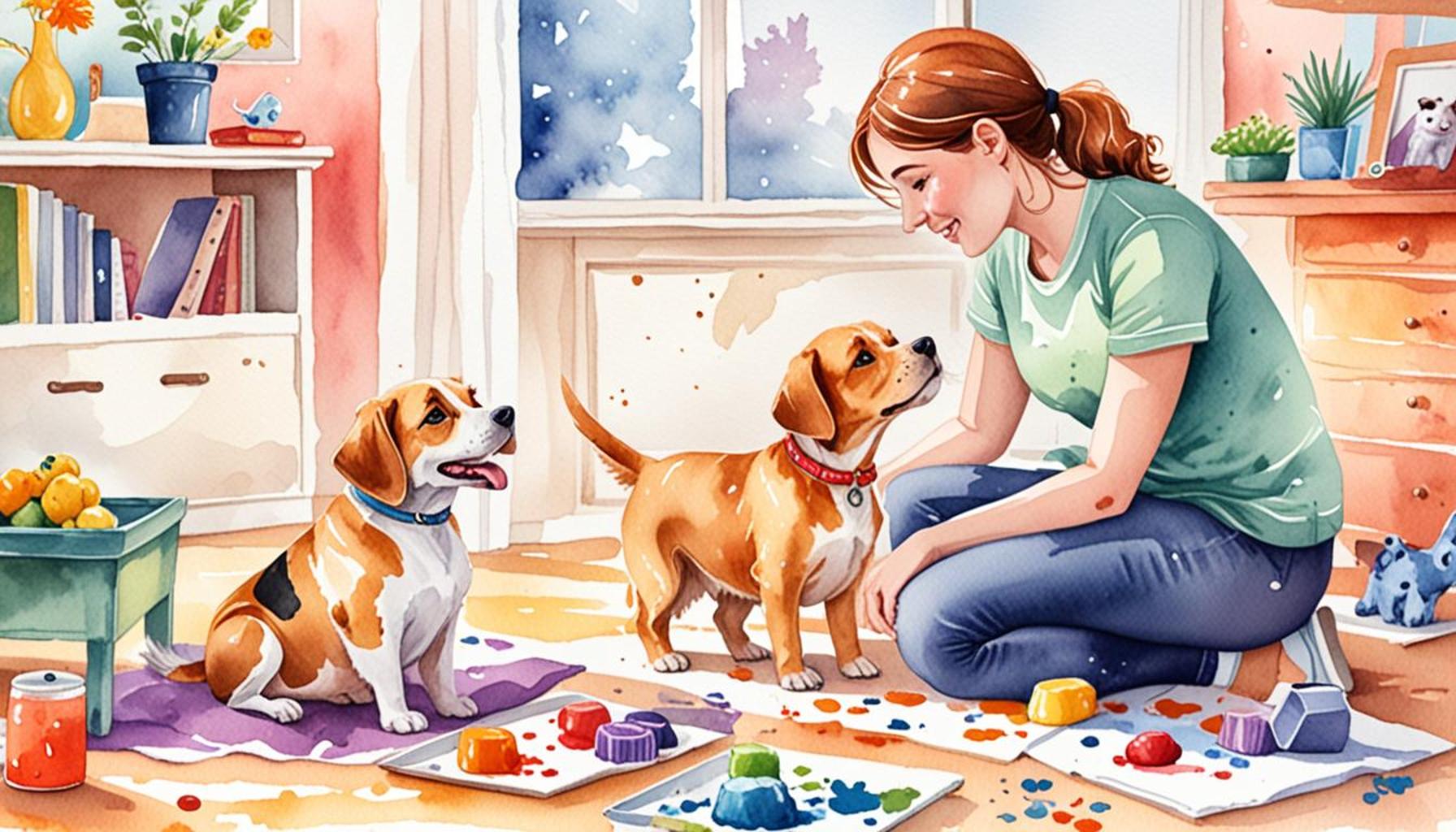
Understanding the Need for Social Training
The relationship between pets and humans is one of the most rewarding aspects of ownership. However, a lack of proper social training can lead to misunderstandings and even dangerous situations during interactions. When pets are not adequately socialized, they may react unpredictably to other animals, people, or environments, potentially leading to aggressive behavior or anxiety-driven reactions.
Why Social Training Matters
- Promotes Safety: Social training minimizes the risk of aggressive behavior from pets. For example, a dog that has been exposed to various environments and people is less likely to react aggressively when encountering unfamiliar faces in a crowded area. This is particularly important in Nigeria, where bustling markets and community events present countless opportunities for encounters that could overwhelm an untrained pet.
- Enhances Bonding: It fosters a stronger bond between pet and owner through shared learning experiences. Training sessions can be a source of joy for both pet and owner, transforming the bond into a partnership based on trust and understanding. Engaging in training helps owners learn their pets’ cues and behaviors, leading to a deeper emotional connection.
- Encourages Positive Behavior: Socialized pets are often friendlier and more adaptable in various environments. A dog that is comfortable meeting other dogs and humans is more likely to exhibit positive behaviors, creating a harmonious atmosphere during social gatherings, whether it’s a family wedding or a cultural festival.
In Nigeria, where community and family connections are vital, ensuring your pet can safely interact with others is essential. Imagine attending a lively street party in Lagos or a family gathering in a local village; a socially trained pet can navigate these experiences with ease, enjoying the energy of the crowd without fear or aggression. Conversely, pets lacking training may become stressed or disruptive, leading to uncomfortable situations for both the pet and its owner.
The Payoff of Training
Investing time in training leads to long-term benefits. For instance, a well-socialized dog may:
- Engage calmly with children and adults, allowing for pleasant interactions that can enrich family gatherings.
- Be more manageable in public spaces, such as parks or beaches, ensuring a stress-free experience for both the pet and the owner.
- Boost the owner’s confidence during outings, knowing their pet can interact appropriately with others. This confidence can empower owners to take their pets out more frequently, enhancing the pet’s quality of life.
Understanding the importance of social training is crucial for pet owners in Nigeria. It not only prepares pets for safe interactions but also creates a harmonious atmosphere where humans and animals coexist safely. Additionally, well-trained pets are often seen as a reflection of responsible ownership, contributing positively to community perceptions and fostering a culture of kindness towards animals within society.
By embracing social training, you not only enhance your pet’s life but also enrich your experiences as a pet owner, leading to a happier, healthier, and more integrated existence for both you and your furry companion.

RECOMMENDED: Check out this similar article
Key Benefits of Social Training
Social training for pets goes beyond mere obedience; it encompasses a comprehensive approach to developing well-rounded animals that can comfortably navigate the complexities of human interactions. In a vibrant and bustling country like Nigeria, where community life is woven into the fabric of daily existence, ensuring that pets are adequately socialized is vital. The advantages of social training can be profound, influencing not only the individual pet’s behavior but also the dynamics of their relationship with humans and other animals.
Building Adaptive Skills
Through effective social training, pets develop adaptive skills that help them understand their environment, making them more resilient to change and new experiences. This adaptability becomes critical in Nigeria’s diverse landscapes, from the lively streets of Lagos to the serene rural outskirts. Socially trained pets can adjust better in various circumstances, allowing them to thrive in different settings. Here are some key advantages of social training:
- Improved Obedience: Pets that undergo social training show greater responsiveness to commands even amidst distractions, such as the colorful chaos of a local market. This obedience is particularly invaluable when it comes to keeping them safe around busy roads or unpredictable crowds.
- Enhanced Communication: Training aids pets in understanding human cues and signals better, fostering clearer communication between pet and owner. This mutual understanding is crucial in busy environments where visual or auditory distractions abound.
- Controlled Interactions: Pets that are trained to socialize learn to approach and greet other animals and people in a calm manner, which not only comforts their owners but also promotes positive experiences for others around them. A well-socialized dog, for instance, will engage amicably with children, other pets, and new visitors, reducing the likelihood of misunderstandings that can lead to conflict.
Moreover, social training does not merely facilitate interactions in comfortable and friendly environments. It prepares pets to manage unpredictable situations as well. In Nigeria, for example, the sight of a sudden motorbike or loud street performance can starkly disturb an untrained pet, leading to panicked reactions. However, a pet that has undergone comprehensive social training will have coping mechanisms, allowing them to stay calm and composed.
Developing Emotional Intelligence
Socialization plays a critical role in developing a pet’s emotional intelligence. Animals, especially dogs, are highly intuitive creatures that pick up on their owner’s emotions. A pet that is well-socialized learns to differentiate between happy gatherings and potentially stressful situations, making them more attuned to the needs of their owners. This emotional synchronization can significantly reduce anxiety for both the pet and the owner, creating a peaceful atmosphere within the household.
As you invest in your pet’s social training, consider the long-term benefits of becoming a responsible pet owner. Not only does social training enhance your pet’s interactions, but it also lays the foundation for a happy and secure life, strengthening the bond you share. Beyond safety, the skills developed through social training enrich the experiences both you and your furry friend will cherish together.
| Advantage | Description |
|---|---|
| Improved Behavior | Social training helps pets learn appropriate behaviors around other animals and people, significantly reducing aggressive tendencies. |
| Enhanced Safety | Safe interactions are crucial for the well-being of pets and their owners. Training protects against potential accidents, ensuring harm-free environments. |
The importance of social training for pets cannot be overstated. By investing time in teaching your furry friends to engage safely and amicably with the world, you facilitate a harmonious existence not just for them but for everyone around them. Training sessions cultivate a well-adjusted pet, which translates into enjoyable outings and peace of mind for owners. Additionally, a well-trained pet is more likely to enjoy social activities, leading to a higher quality of life filled with varied experiences.Moreover, many pet owners may not be aware that socialization is a lifelong process. It’s crucial to regularly expose pets to new environments, sounds, and encounters as they mature. Thus, ongoing training and positive reinforcement can solidify their learning and adapt it to new scenarios. Emphasizing safe interactions creates a foundation that supports both pets’ emotional health and social comfort, allowing them to flourish in various community settings. As a responsible pet owner, understanding the balancing act of social training is essential in providing long-term happiness and safety for your beloved companion.
YOU MAY ALSO LIKE: Read read another article
Social Training as a Preventive Measure
Engaging in social training for pets acts as a proactive strategy to minimize undesirable behaviors that can lead to dangerous situations. In Nigeria, where vibrant street life and communal interactions are prevalent, untrained pets may pose a risk not only to themselves but also to their owners and the people around them. The importance of socialization in creating well-adjusted pets cannot be overstated, as it lays the groundwork for safer interactions and reduces the likelihood of incidents that can escalate into serious problems.
Reducing Aggression and Fear
One of the most significant benefits of social training is the reduction of fear-based aggression. Pets that have not been properly socialized may react aggressively to unfamiliar situations, people, or animals, leading to unnecessary confrontations. According to a study published in the Journal of Veterinary Behavior, socialization during a pet’s formative weeks is crucial to preventing such aggression later in life. In Nigeria, where encounters with various stimuli—like street vendors, bustling markets, and other animals—are common, well-socialized pets are less likely to react with fear or hostility.
For instance, a dog that has been trained to comfortably interact with strangers and other pets is less likely to bark excessively or lunge at passersby. This not only fosters a safer environment for the community but also alleviates stress for the pet owner. Socially trained pets can enjoy outings without the constant fear of unpredictable behavior.
Enhancing Quality of Life for Pets and Owners
Socialization contributes significantly to the overall quality of life for both pets and their owners. A pet that is at ease in various settings can accompany their owner during daily activities, such as grocery shopping, family gatherings, or community events. This inclusion not only strengthens the bond between pet and owner but also enriches the pet’s life experiences, giving them a sense of belonging in a busy world.
Moreover, well-socialized pets are better candidates for participation in community activities, such as therapy work or agility competitions, which are gaining popularity in urban Nigerian areas. Pets that can comfortably engage with others are more likely to thrive and partake in these enriching activities that challenge their physical and mental capabilities.
- Increased Social Opportunities: Social training exposes pets to new experiences, leading to countless opportunities for positive social interactions. Whether it’s meeting other dogs at a park or engaging with family members during gatherings, these moments contribute to a pet’s happiness and well-being.
- Stronger Human-Animal Bond: When pets are well-socialized, owners experience less stress during outings. A calmer pet means more enjoyable adventures together, leading to a stronger bond anchored in trust and understanding.
Training not only benefits the pet but also empowers the owner by instilling confidence that their furry companion can handle various social situations. By investing time in social training, guardians can cultivate an environment where both pets and humans thrive harmoniously.
In essence, the importance of social training expands beyond the benefits to individual pets; it creates a ripple effect that positively influences local communities. With an emphasis on safety, emotional development, and enriching experiences, social training is truly an essential component of responsible pet ownership in Nigeria. As the country continues to evolve, the mutual understanding and respect fostered through social training can lead to safer, more enjoyable interactions among pets and humans alike.
LEARN MORE: This related article may interest you
Conclusion: The Power of Social Training for Pets
In conclusion, the significance of social training for pets transcends mere obedience; it is vital for nurturing harmonious interactions within our increasingly bustling environments. With the unique blend of cultures and activities in Nigeria, where communal living is paramount, a well-socialized pet is not just a joy for its owner but a boon to the entire community. Social training serves as a cornerstone in cultivating pets that are confident, well-behaved, and less prone to aggression, allowing them to navigate diverse situations, from markets to family gatherings.
The investment in social training equips pet owners with the peace of mind that they can enjoy outings without the worry of unexpected behaviors. Furthermore, it fosters a stronger bond between pets and their humans, based on trust and mutual understanding—an essential component in today’s vibrant living. Well-socialized pets not only experience heightened quality of life but also become engaging members of the community, participating in activities and programs that challenge their abilities.
As we continue to champion the importance of responsible pet ownership, we must recognize that social training is not merely an option—it is a necessity. By prioritizing the socialization of our pets, we collectively contribute to a safer, more connected community, where both pets and humans can thrive together. The journey of training may take time and effort, but the resulting benefits for both pet and owner are immeasurable and enduring.