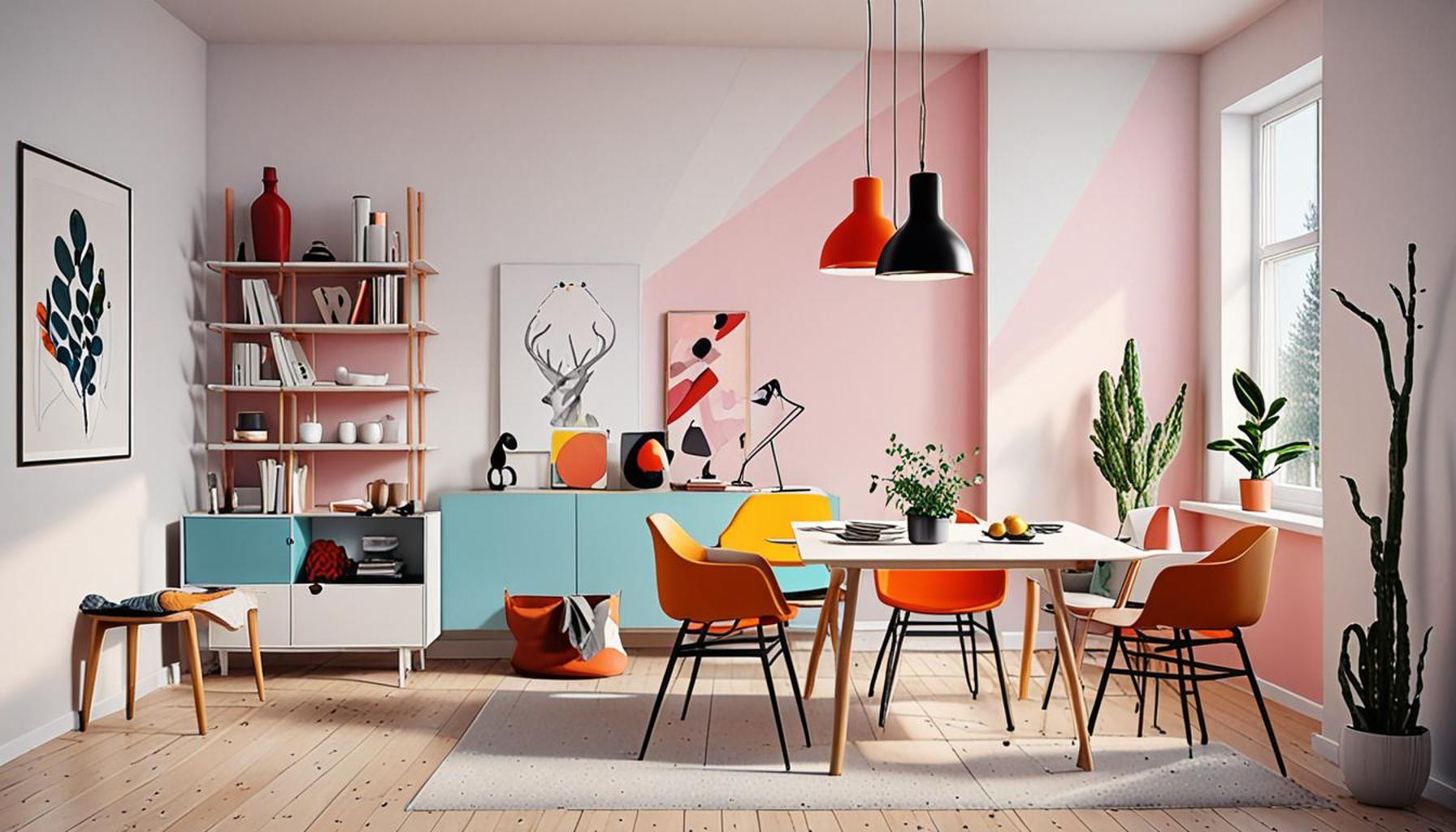
Declutter Mind Space Master Minimalism Effective Organization

Unlocking New Possibilities Through Clarity
In a fast-paced world filled with distractions, the necessity of clarity both in our minds and spaces has never been more pressing. The principles of minimalism offer a powerful solution, promoting not just a simpler lifestyle, but a detailed methodology for achieving mental and physical organization. This intersection of minimalism and effective organization creates a pathway to a more focused and intentional life.
Understanding the Impact
Both mental clutter and physical disarray can lead to stress and inefficiency, affecting our productivity and well-being. By embracing minimalism, individuals can experience:
- Increased focus and mental clarity
- Reduced stress and anxiety levels
- Enhanced overall productivity
What to Expect
This article explores the top five strategies that effectively combine minimalism with organizational skills, guiding you toward a decluttered mind and space. By integrating these methods into your daily routine, you can unlock greater potential and cultivate a lifestyle of purpose and simplicity.
Top 5 Ways to Declutter Your Mind and Space: The Intersection of Minimalism and Effective Organization
In an era where the digital world beckons at every corner and consumerism thrives like never before, the art of decluttering has gained unprecedented relevance. The less-is-more approach, encapsulated by minimalism, has forged a strong link between physical order and mental peace. The juxtaposition of simplicity and organization is not merely trendy but fundamental to thriving in today’s chaotic world. Here we delve into the top five strategies to embrace minimalism and effective organization, providing a clear pathway to a more streamlined life. As we rank these from the least to the most impactful, you’ll find a comprehensive guide to a cleaner, more organized existence.
5. Embrace Mindful Living
At the heart of minimalism lies the concept of mindful living. More than just a buzzword, mindfulness urges individuals to immerse themselves fully in the present moment. In our fast-paced world, distractions — from persistent notifications to multitasking demands — are inescapable. Mindful living, therefore, emerges as a remedy for mental chaos, helping reduce anxiety and enhancing focus.
The practice of mindfulness does not demand hours of meditation. Just a few minutes each day can do wonders. Consider deliberately tucking away your smartphone and focusing purely on the task at hand. Such acts, although seemingly simple, create significant mental space to deploy more thoughtful organizing skills.
Here are some practical ways to embrace mindful living:
- Dedicate 5-10 minutes daily for meditation, clearing your mind of clutter.
- Practice deep breathing during high-stress situations to regain a sense of calm and focus.
- Limit distractions by allocating specific times for technology use, turning off notifications outside these times.
4. The 1-in, 1-out Rule
The straightforward 1-in, 1-out rule serves as a foundational pillar in managing physical possessions. This rule stipulates that for every new item brought into your space, one should be removed. By consistently practicing this habit, you ensure that clutter does not accumulate, aligning your physical environment with the minimalist ethos of intentional living.
To implement the 1-in, 1-out rule effectively, consider the value of each item you own. This mindset fosters a deeper appreciation for your possessions and encourages more intentional shopping, ultimately leading to sustainable consumption practices.
Benefits of this rule include:
- A clutter-free living space, bringing peace and reducing stress.
- Encouragement of more intentional decisions about belongings, leading to meaningful consumption.
- A greater appreciation for what you own, emphasizing quality over quantity.
3. Create Minimalist Zones
Introducing minimalist zones into your living environment can transform your space into a serene sanctuary. By designating areas for specific activities, you cultivate an atmosphere conducive to productivity and mental clarity. This approach involves stripping a zone of non-essential items and dedicating it to a sole purpose.
For example, your workspace should contain only what is necessary for efficiency, minimizing distractions. In your reading corner, reduce clutter to a selection of books you genuinely engage with. Such spaces encourage focus and relaxation.
Consider the following locations for minimalist zones:
- Your workstation, limiting it to essential office supplies, boosting focus.
- A reading nook with currently relevant books only, encouraging literary engagement and relaxation.
- A designated relaxation spot free from tech gadgets, promoting tranquility and mental rest.
2. Digital Decluttering
In an age where virtual interactions are as common as face-to-face ones, digital decluttering is integral to maintaining mental order. The digital landscape, teeming with emails, files, and notifications, mirrors the physical clutter that can overwhelm.
The process of digitally decluttering involves organizing files into clearly labeled folders, ensuring easy access when needed. Regularly unsubscribe from email lists that do not serve you, delete superfluous apps, and use time management applications to structure your day.
Steps to declutter your digital world include:
- Arranging files into clearly labeled folders, facilitating organized digital space.
- Deleting old emails and unneeded apps weekly, reducing digital overwhelm.
- Utilizing apps designed for organization and time management, maximizing productivity and clarity.
1. The Power of Intentionality
Perhaps the most transformative tool in decluttering your mind and space is adopting a mindset of intentionality. This approach entails making deliberate choices about what you allow into your physical and mental spaces. By consciously curating your environment and mental space, you eliminate what does not serve you and create room for what truly matters.
Intentional living is about aligning actions with your core values, leading to a life that is not only organized but also infused with purpose and meaning. This heightened awareness of what you want to achieve enhances personal and professional growth.
Start living intentionally by:
- Evaluating your belongings and thoughts regularly, retaining only what adds value.
- Setting clear goals for what you want in life to guide your organizing efforts.
- Establishing boundaries to protect your time and energy, fostering a work-life balance.
By integrating these practices into your daily life, you harness the transformative power of minimalism and effective organization. The journey to declutter both your mind and space may initially require effort, but the resultant clarity and fulfillment are unparalleled. Embrace this holistic approach, and discover a simpler, more meaningful way of living.
| Category | Description |
|---|---|
| Cognitive Clarity | Adopting a minimalist approach can lead to improved mental clarity. When distractions are minimized, the mind can focus better on important tasks, enhancing productivity and creativity. |
| Emotional Well-Being | A decluttered space often leads to a decluttered mind. By letting go of physical and emotional baggage, individuals may experience reduced stress and anxiety, resulting in overall emotional wellness. |
| Increased Motivation | An organized environment fosters motivation. When surroundings are tidy and minimalistic, individuals feel more compelled to take action and accomplish their goals, further reinforcing the cycle of effective organization. |
| Simplified Decision-Making | Decluttering reduces the number of choices in daily life, simplifying decision-making processes. Less clutter leads to quicker and more effective decisions, as there are fewer distractions and less emotional weight to consider. |
Frequently Asked Questions About Decluttering and Minimalism
What is the relationship between minimalism and effective organization?
The relationship between minimalism and effective organization is symbiotic. Minimalism, the art of living with less, focuses on eliminating excess items to create a simpler life. Effective organization, on the other hand, involves arranging those fewer items in a way that maximizes efficiency and accessibility. Together, they formulate a lifestyle where every item has a purpose and a designated place, minimizing stress and enhancing mental clarity.
How can decluttering my physical space lead to a clearer mind?
Decluttering your physical space can significantly impact your mental well-being. A cluttered environment often leads to a cluttered mind, where distractions and chaos prevail. By removing unnecessary items and tidying up your surroundings, you minimize distractions and create a more serene atmosphere, allowing for improved focus and reduced anxiety. Studies show that a clean and organized space can provide psychological benefits, such as a sense of control over your environment, thus fostering a calmer and more productive mindset.
What are some beginner tips for starting a minimalist journey?
For those beginning their minimalist journey, start small and be intentional. Begin by assessing your current possessions and ask yourself if each item serves a purpose or brings joy. Focus on one area at a time, whether it be a room, a closet, or even a desk drawer. Consider adopting the “one in, one out” rule – when you buy something new, remove a similar item that you no longer need. Additionally, prioritize quality over quantity and cultivate a mindset that values experiences over possessions. Remember, the goal of minimalism isn’t to deprive yourself but rather to free up your space and mind for what truly matters.
Can minimalism help reduce decision fatigue?
Yes, minimalism can help reduce decision fatigue. In a world filled with endless choices, the mental energy required to make even trivial decisions can be exhausting. By embracing minimalism, you streamline your life and minimize choices, thereby reducing the cognitive load on your brain. With fewer belongings, you experience a simpler decision-making process, allowing you to allocate your energy towards more significant decisions and activities. As a result, minimalism can help you conserve mental resources and lead to a more focused and decisive lifestyle.
Conclusion
As we navigate the complexities of modern living, the harmony between minimalism and effective organization emerges as a compelling solution for both mind and space. Throughout this exploration, we’ve uncovered the profound impact a simplified lifestyle can have on enhancing our well-being and productivity. By embracing minimalism, individuals can strip away the non-essential, focusing only on what truly matters. This shift not only alleviates physical clutter but fosters a mental clarity that is essential in the fast-paced world we inhabit.
Furthermore, effective organization plays a pivotal role in maintaining this balance. With structured systems and designated places for our belongings, we create environments that support rather than overwhelm us. This strategic approach surfaces in various aspects of life, from our personal spaces to the digital realm, elevating our ability to manage time and resources efficiently.
Key takeaways include the significance of intentional living, where every item has a purpose and our daily routines align with our values. Embracing these principles can lead to a profound transformation, bridging the gap between a content mind and a serene space. It’s not just about reducing items but also about cultivating an enriching lifestyle that prompts long-term fulfillment.
In conclusion, the intersection of minimalism and effective organization offers a holistic pathway to mastering personal chaos. It’s a journey that invites further exploration and adaptation, as each individual’s needs and circumstances are unique. By delving deeper into this lifestyle, we invite opportunities for growth, efficiency, and ultimately, a more centered existence. As we close this chapter, pondering the steps toward decluttering may lead us not only to new spaces but also to newfound peace. With these insights, we inspire a quest for equilibrium where less truly becomes more.