The importance of personalization in optimizing minimalist spaces
Unlocking the Potential of Minimalist Design
In today’s fast-paced world, minimalist spaces are becoming increasingly popular. They offer a serene backdrop that promotes productivity and peace. However, to truly enhance these spaces, personalization is essential.
Why Personalization Matters
Bringing personal elements into minimalist environments can elevate the aesthetic and functionality significantly. Here’s why personalization holds such importance:
- Emotional Connection: Personalized decor fosters a sense of belonging. Items that resonate with personal history, like a vintage clock passed down through generations, not only tell stories but also make spaces feel more like home.
- Unique Identity: Each person’s taste allows for unique design choices. For instance, someone might incorporate artisanal pottery that reflects their travels or interests, instantly adding a layer of depth to a simplistic setting.
- Enhanced Functionality: Customizing spaces to cater to individual needs improves usability. This means integrating elements like a reading nook filled with favorite books or a yoga corner with essential mats, all designed to fit seamlessly within the minimalist framework.
In minimalist settings, where every item is intentional, personal touches provide warmth and character. Elements like family photos, artwork, or cherished keepsakes contribute to an inviting atmosphere. For example, displaying a sophisticated black-and-white family portrait on an otherwise stark wall can create a striking focal point that embodies both simplicity and sentiment.
Exploring Design Possibilities
As homeowners strive for simplicity, the challenge is to balance minimalism with personality. Some effective personalization techniques include:
- Curating a selection of favorite artwork. This can be as simple as a collection of framed prints that evoke memories or emotions, serving as both conversation starters and personal reflections.
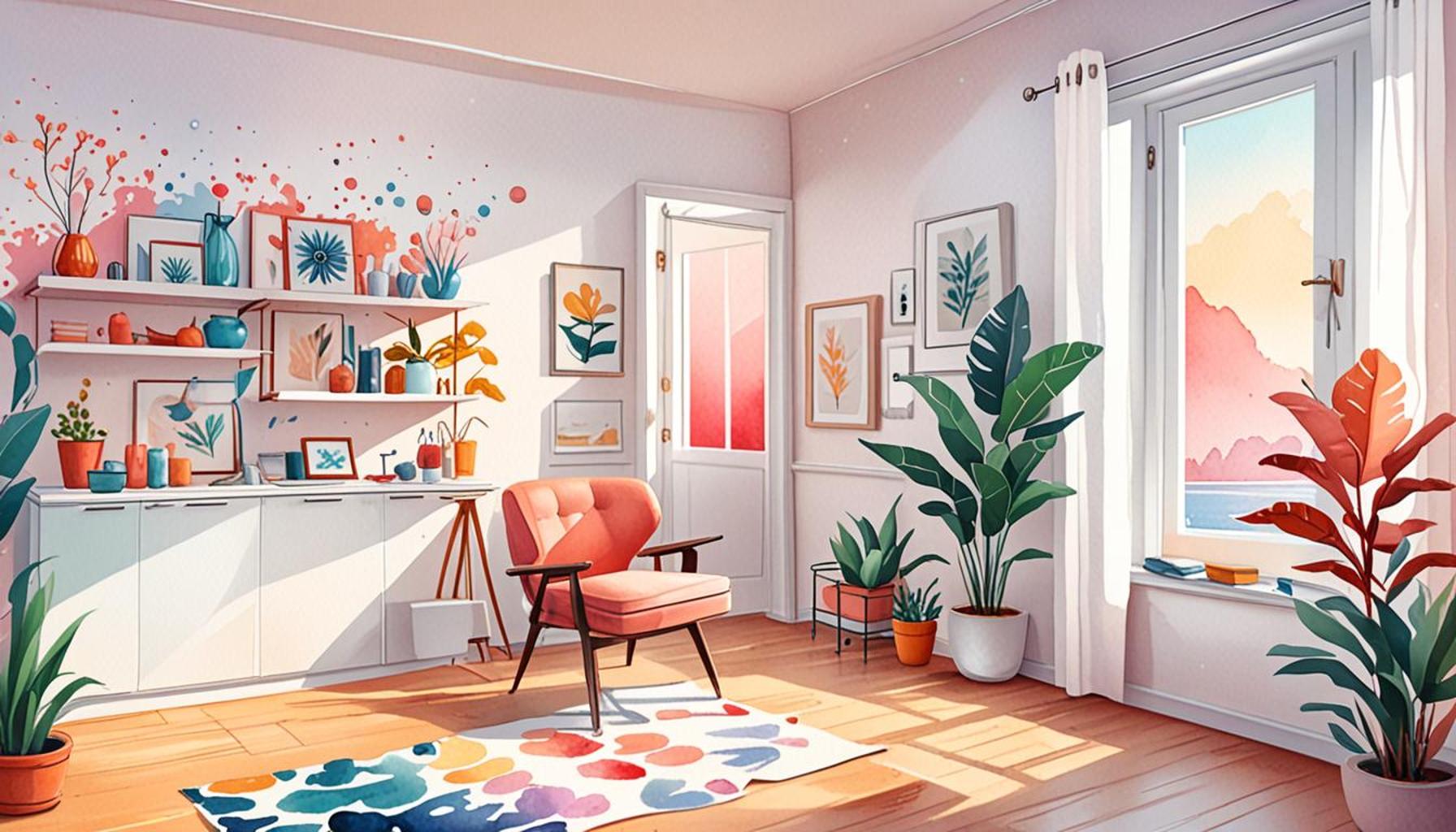
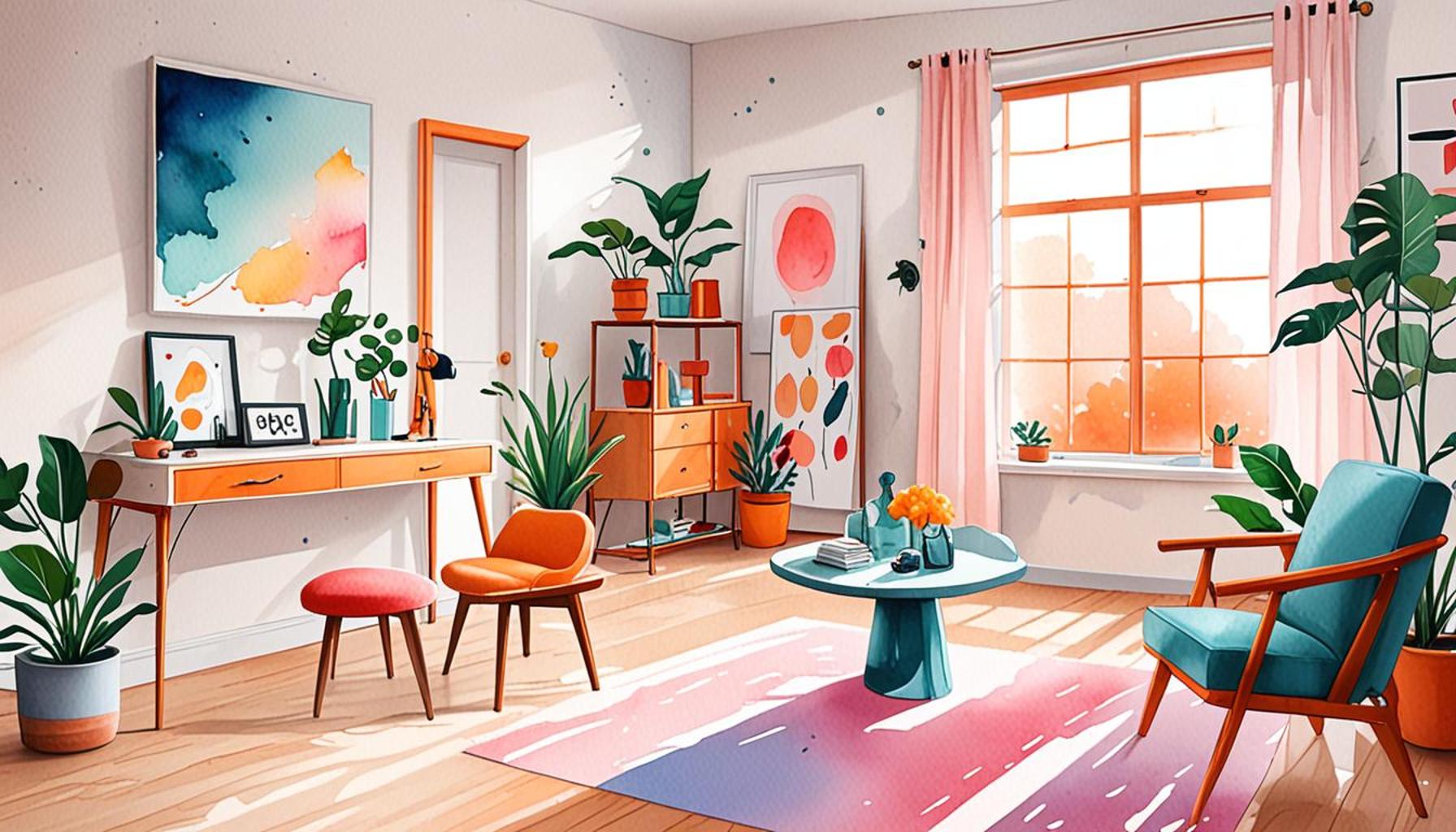
- Incorporating color through textiles or plants. Soft throw pillows, rugs, or even vibrant indoor plants like pothos can break the monotony of neutral-colored interiors, injecting life into the space without overwhelming the minimalist ethos.
- Utilizing multifunctional furniture that reflects personal taste. For example, a sleek coffee table that doubles as a storage solution can keep clutter at bay while also showcasing personal books and decor items.
Understanding the significance of personalization in these spaces helps individuals optimize not just their homes, but also their overall well-being. Embracing a blend of minimalism and individual expression leads to environments that foster relaxation and creativity. Dive into the world of minimalist design infused with identity and creativity—personalization might just unlock the true potential of your living space.

DISCOVER MORE: Click here for efficient organization tips
Creating Harmony Through Personal Elements
As minimalist design continues to captivate homeowners and interior enthusiasts alike, the conversation surrounding personalization becomes ever more relevant. In a world dominated by mass-produced furnishings, the drive to integrate one’s unique story and preferences into minimalist spaces is paramount. Personalization not only enhances the aesthetic appeal but also contributes to the overall harmony and functionality of a living area.
Emphasizing Individual Stories
At the core of personalized minimalist design lies the compelling ability to evoke individual narratives. Each item placed within a sparse environment can serve as a chapter in a homeowner’s chapter. Consider how a simple, unadorned bookshelf can transform into a storytelling vessel filled with treasured books—a collection that reveals one’s literary journey or interests. Moreover, incorporating personal memorabilia, like travel souvenirs or handcrafted artifacts, can seamlessly infuse life into a minimalist structure while remaining interconnected with the design’s fundamental ethos of simplicity.
This emphasis on storytelling comes with profound psychological benefits. According to a study published in the *Journal of Environmental Psychology*, spaces that evoke personal connections can enhance well-being and bolster emotional health. When individuals surround themselves with belongings reflecting their life experiences and aspirations, they cultivate a sense of stability and confidence, countering the cold sterility that can sometimes accompany minimalism.
Practicality Meets Personal Preference
The intelligence of minimalist design is not merely about aesthetic restraint; it also embraces functionality. Personalization in minimalist spaces allows for the creation of areas tailored to individual lifestyles and needs. Transforming a minimalist room into a personal oasis can come down to ergonomic choices, such as the selection of furniture that suits everyday needs while encapsulating personal style. Here are a few effective ways to merge practicality with personal taste:
- Choosing Customizable Decor: Elements like wall decals, which can be replaced as preferences evolve, provide an opportunity for ongoing personalization without overwhelming the minimalist approach.
- Investing in Multifunctional Items: Opting for furniture pieces that serve multiple purposes can reduce clutter while allowing for personal expression. Consider a sleek, modular sofa that adopts different configurations or a stylish side table that doubles as extra storage.
- Manipulating Lighting: Personalized lighting choices, from striking pendant lights to soft table lamps, can significantly transform a minimalist environment while enhancing its emotional warmth and highlighting personal aesthetics.
By creating thoughtful intersections between functionality and style, one can foster spaces that are not only visually captivating but also intuitively welcoming. Such amalgamation of simplicity and personalization leads to environments that resonate with their inhabitants’ sensibilities. As homeowners seek to refine their minimalist spaces, recognizing the importance of personalization can be the key to achieving an optimized balance between beauty and individual expression.
The Importance of Personalization in Optimizing Minimalist Spaces
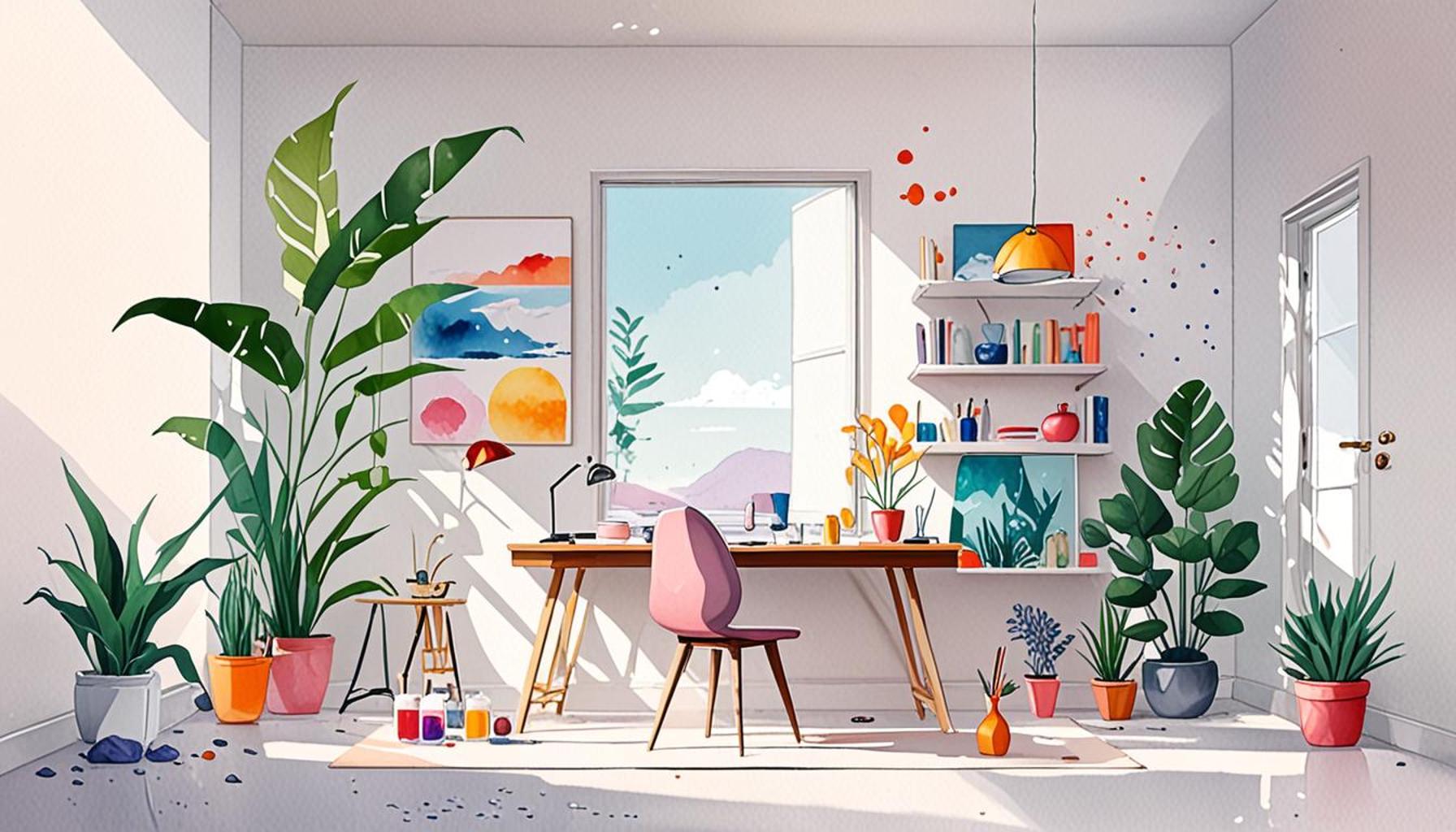
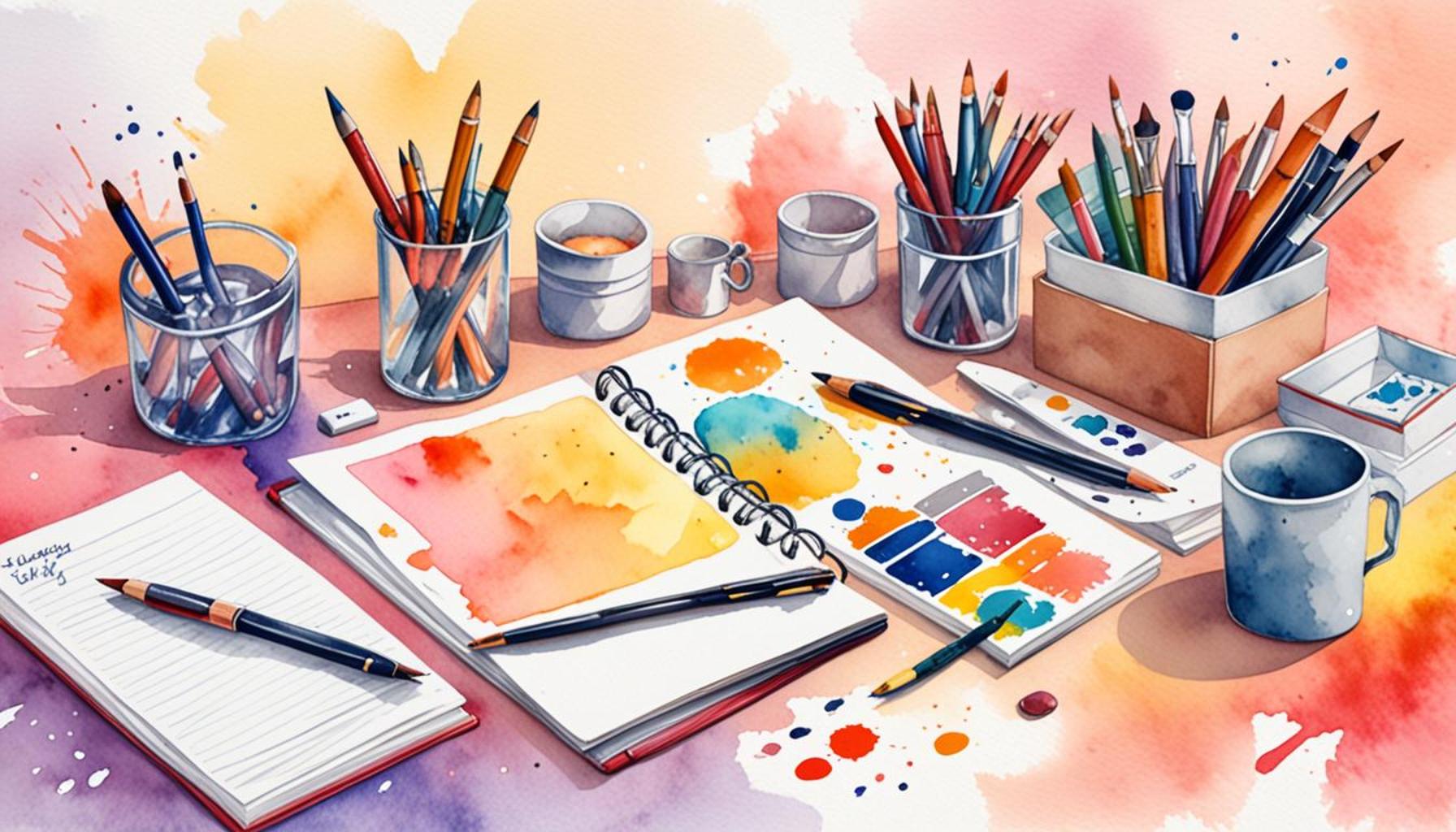
In an era where simplicity meets functionality, personalization plays a pivotal role in enhancing minimalist spaces. The core of minimalism is about decluttering and embracing only what is necessary, yet this doesn’t mean sacrificing individuality. In fact, the integration of personalized elements transforms these spaces into reflections of the occupant’s personality, making them feel more inviting and comfortable.When considering the impact of personalization on minimalist design, it’s essential to understand how specific elements contribute to the overall ambiance. For instance, a carefully chosen artwork or a unique decor item can serve as a focal point in an otherwise understated room, introducing color and vibrancy without overwhelming the space. Similarly, personalized textiles, such as throw pillows or blankets, can add texture and warmth, fostering an atmosphere that is both stylish and homely.Moreover, the importance of personalization extends beyond aesthetic appeal; it also enhances functionality. Individuals can incorporate personalized storage solutions that cater to their lifestyle while still maintaining a sleek appearance. For example, customized shelving that fits specific items allows a minimalist space to stay organized without the clutter of excess furnishings. The balance achieved through such thoughtful choices reflects a well-designed minimalist aesthetic infused with personal touch.To further illustrate this concept, consider the practical application of personalization. A minimalist workspace can be optimized with personalized tools and organizational items that not only serve a purpose but also inspire creativity. By seamlessly blending both form and function, individuals are empowered to create environments that support their productivity and well-being.This tailored approach not only prioritizes functionality but also evokes an emotional connection to the space, showing that minimalism and personalization can coexist harmoniously. Embracing the essence of personalization in minimalist settings indeed redefines the experience of living and working within these thoughtfully designed environments.
| Category 1 | Category 2 |
|---|---|
| Personalized Decor | Incorporating unique art pieces adds character and vibrancy. |
| Customized Storage | Tailored storage solutions maintain organization while keeping a minimalist look. |
DIVE DEEPER: Click here to uncover essential tips for a minimalist, productive lifestyle
Curating a Sense of Place
In the pursuit of personalized minimalist spaces, one essential aspect that often goes unnoticed is the significance of spatial curation. Enthusiasts of minimalist design frequently overlook how a thoughtfully arranged environment can reflect personal values and create a sense of place that extends beyond mere aesthetics. By prioritizing items that hold personal meaning, individuals can cultivate an atmosphere that resonates with their own identity while remaining aligned with minimalist principles.
Incorporating Nature and Organic Elements
Integrating nature into minimalist spaces is one compelling method of personalization making a profound impact on overall ambiance. Biophilic design, which emphasizes the connection between nature and human well-being, promotes the inclusion of natural elements—like plants, wood accents, or stone textures—as a means of personalization. A flourishing indoor garden featuring hardy succulents or a single statement plant can instantly elevate a minimalist area, bringing warmth and life without compromising simplicity.
Furthermore, studies show that biophilic elements can reduce stress and enhance creativity. According to the *American Journal of Public Health*, exposure to green spaces is linked with lower levels of anxiety and improved mood. By drawing inspiration from the natural world, homeowners can personalize their minimalist spaces while inadvertently boosting their mental and emotional health.
The Role of Color Psychology in Personalization
Another powerful tool within personalized minimalist design is the creative use of color. While minimalism often leans towards neutral palettes, incorporating splashes of color can be a dynamic way to establish personal flair. Color psychology—a study of how hues influence human perception and behavior—provides a pathway for homeowners to communicate their personalities through their spaces.
For instance, the calming effects of soft blues or greens can inspire relaxation in a home office, while vibrant yellows or oranges might invigorate a social space. Despite the prevailing minimalist ethos of “less is more,” injecting color thoughtfully can enhance the mood and experience of a space, making it more inviting and reflective of the occupant’s style.
Curating Collections and Artworks
Your minimalist space can also become a canvas for curated collections that tell a visual story. Artworks, whether wall-mounted pieces or tactile sculptures, provide opportunities for homeowners to incorporate their tastes and passions into their decor. By displaying a carefully selected collection of artwork or photography, one can create a focal point that showcases personal interests while adhering to minimalist philosophies.
- Feature a Gallery Wall: Select a few personal photographs or art pieces and create a gallery wall, allowing the curation to exhibit a narrative that speaks to the homeowner’s journey.
- Invest in Local Artisans: Supporting local artists not only enhances the space but also fosters community connections and infuses regional uniqueness into the minimalist aesthetic.
- Rotate Displays: Using a simple platform to rotate artwork or collections can keep the space feeling fresh and allows for an ever-evolving representation of the inhabitant’s interests, reinforcing the notion of personalization.
As homeowners explore new ways to infuse personalization into minimalist spaces, it becomes evident that the nuances of spatial design play a significant role. By considering elements such as nature, color, and artistic expression, individuals can elevate their environments into reflections of their stories and aspirations. This thoughtful approach not only enhances the functionality and comfort of minimalist homes but also invites a deeper connection to their surroundings—a testament to the enduring importance of personalization in optimizing minimalist spaces.
DISCOVER MORE: Click here to learn about mastering minimalism
Conclusion
In conclusion, the significance of personalization within minimalist spaces cannot be overstated. As we navigate the delicate balance between functionality and aesthetics, it becomes clear that a minimalist approach does not equate to a void of personal expression. By embracing elements of personal meaning, such as curated collections, organic materials, and thoughtful color choices, individuals can transform stark environments into holistic reflections of their identities.
This journey towards personalization enables homeowners to foster a deeper emotional connection to their spaces, enhancing overall well-being and productivity. The incorporation of nature through biophilic design principles connects inhabitants with the outdoors, creating serene sanctuaries that promote mental health. Furthermore, understanding color psychology allows individuals to harness the power of hues, infusing energy and tranquility in equal measure, depending on their needs.
Ultimately, a well-curated minimalist space serves as more than just a visual aesthetic; it becomes a personal narrative woven into an environment. Whether through a striking gallery wall or the inclusion of handcrafted pieces from local artisans, the threads of personal stories enrich minimalist design while remaining firmly grounded in its core principles. As homeowners increasingly recognize this interplay of personalization and minimalism, a new paradigm emerges—one that celebrates authenticity alongside simplicity.
As you reflect on your own living spaces, consider how personalization can optimize your minimalist ambitions. There lies a profound opportunity to create a home that is not only minimalist but also deeply resonant with your personal journey, inviting both clarity and inspiration within every corner of the space.