Organization Tactics to Maximize Efficiency in Minimalist Offices

Streamlining Success with Minimalism
In today’s fast-paced work environment, minimalist offices are becoming increasingly popular as a solution to enhance productivity. This design philosophy shifts the focus to simplicity, thereby facilitating greater efficiency and reducing distractions. By implementing targeted organization tactics, businesses can create spaces that not only look aesthetically pleasing but also function significantly better.
One of the key tactics to embrace in a minimalist office setup is to declutter regularly. A clean workspace fosters clear thinking and allows employees to focus on their tasks without the burden of visual distractions. Implementing a weekly decluttering schedule encourages team members to take ownership of their spaces, ultimately promoting personal responsibility and mindfulness. Consider employing designated declutter bins where employees can toss items that don’t serve an immediate purpose, ensuring they only keep essentials within reach.
Moreover, utilizing multi-functional furniture can greatly contribute to maximizing space and functionality. Desks that incorporate built-in storage solutions or chairs that can serve as shelving units create a practical environment without sacrificing style. For example, work benches that allow for both seated collaboration and standing tasks can enhance comfort while fostering creativity. This functional design reduces clutter and makes the most of available square footage, particularly in smaller office spaces common in many urban settings across the United States.
Additionally, it is crucial to establish defined zones within the office. By creating specific areas for different tasks—such as collaboration hubs, quiet zones for focused work, and relaxation areas—teams can optimize their productivity and tailor their work environments to their needs. This spatial organization helps employees easily transition from one mode of work to another, enveloping them in environments designed for specific tasks. Incorporating elements like soundproof panels in collaboration areas or cushioned seating in relaxation spots can enhance the overall experience.
Maximizing efficiency goes beyond aesthetics; it requires strategic planning and execution. Effective organization allows teams to communicate better and fosters a collaborative spirit that contributes to a positive work culture. Understanding how these tactics can redefine your office space may unlock untapped potential in your workforce. Notably, office designs that prioritize minimalism consistently receive accolades for boosting morale, spurring creativity, and ultimately driving business success.

As we delve deeper into these strategies, explore how a minimalist approach can profoundly impact employee engagement and productivity. Stay tuned for practical examples and tips that will guide you in transforming your office into a model of productivity while fostering an atmosphere of innovation.
DISCOVER MORE: Click here to learn about mindful living techniques
Embracing Efficient Design Principles
As minimalist offices gain traction across various industries, it is essential to harness organization tactics that align with this streamlined approach. By promoting clarity and intentionality in office layouts, companies can unlock both employee potential and workplace harmony. Here, we explore several tactics that can transform a cluttered environment into a hub of creativity and focus.
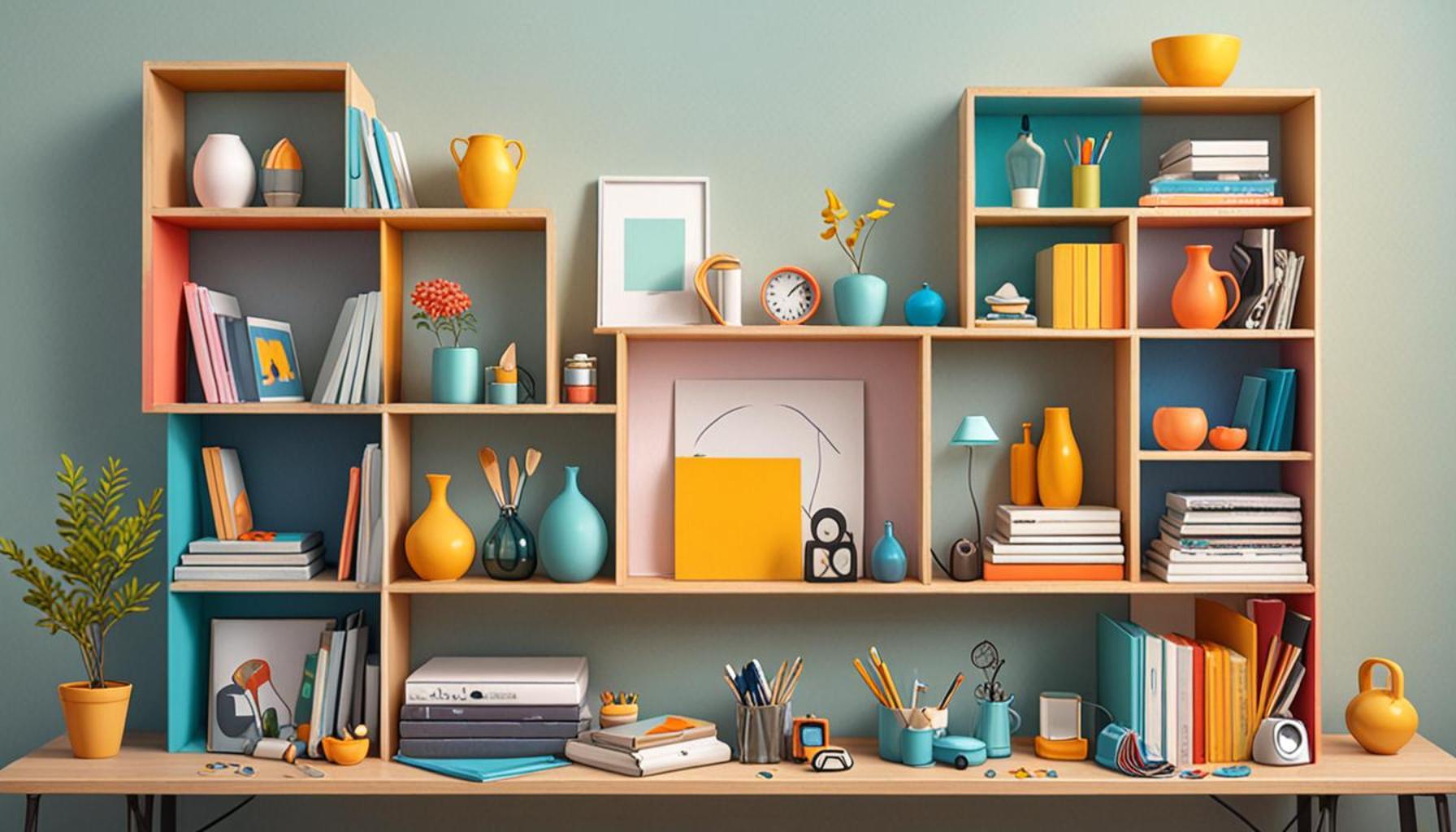
Central to minimalist office philosophy is the practice of smart storage solutions. Implementing vertical storage, such as wall-mounted shelves and pegboards, can leverage underutilized wall space, reducing the need for bulky furniture. This not only saves floor space but also encourages vertical organization, allowing employees to keep essential tools and materials at arm’s reach without cluttering their desks. Additionally, the use of clear bins and labels promotes visibility—employees can quickly locate necessary items, making the transition between tasks smoother and more efficient.
Beyond Immediate Storage: The Power of Digital Organization
In an age where digital tools are ubiquitous, applying digital organization strategies is equally vital in minimalist work environments. Shifting many organizational tasks to digital platforms helps in reducing physical paper clutter. Consider adopting document management systems, cloud storage solutions, and project management tools to minimize physical paperwork. Utilizing apps with easy-to-use interfaces, such as Trello for task management and Dropbox for file sharing, can streamline workflows and enhance collaboration among team members. Not only does this reduce physical clutter, but it also enables a 24/7 accessible workspace, bolstering productivity.
Tips for Effective Space Reallocation
To avoid stagnant environments in minimalist offices, regularly reevaluating and reorganizing space is crucial. Here are some targeted tips to consider:
- Conduct periodic assessments: By evaluating how often certain spaces or resources are utilized, you can determine if adjustments to the office layout are necessary.
- Encourage mobile workstations: Allowing for flexible seating arrangements and mobile desks can promote dynamism in the office, accommodating various work styles.
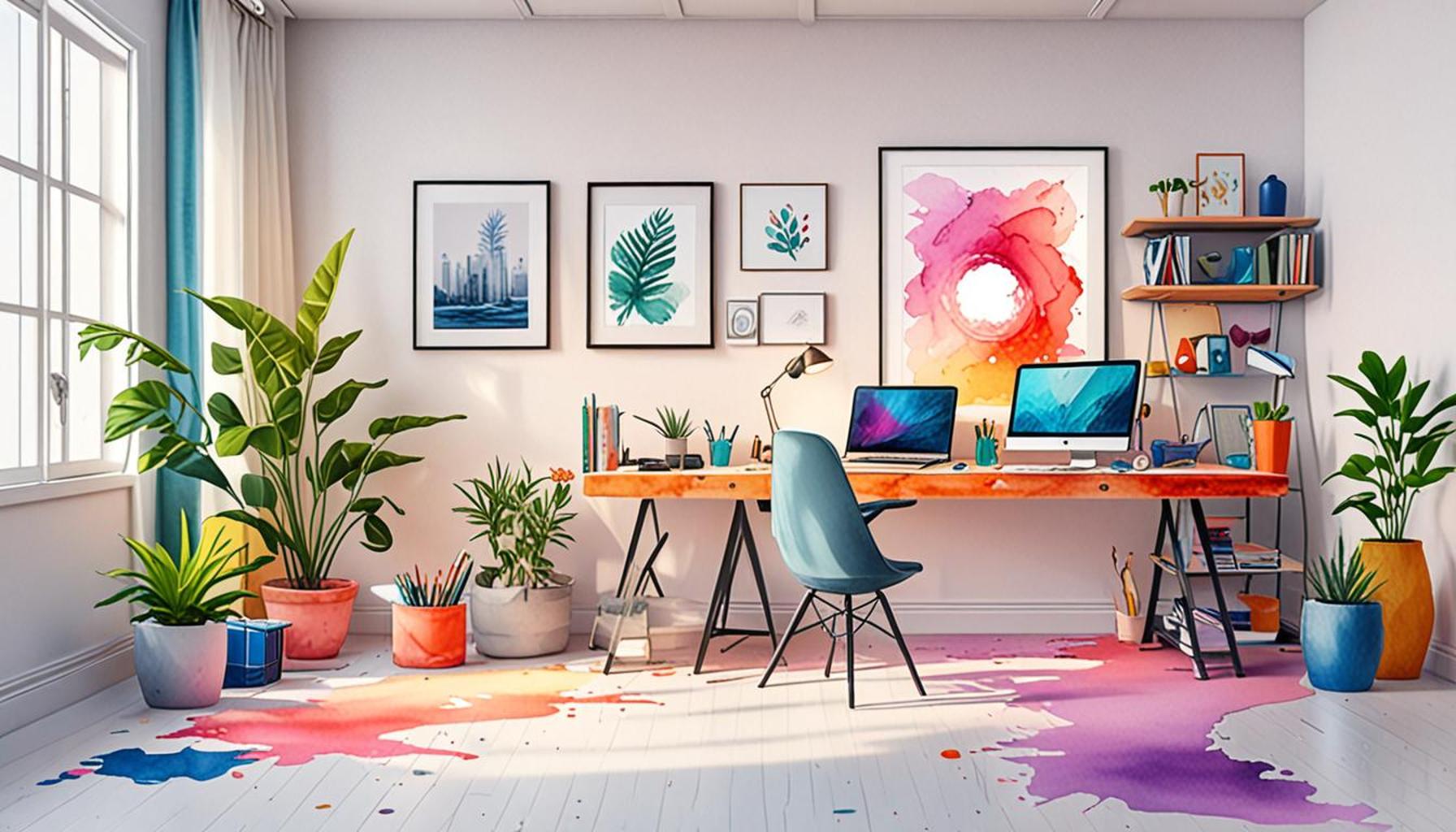
- Incorporate plants and natural elements: Introducing greenery not only improves aesthetics but also boosts air quality, which can enhance concentration and reduce stress.
- Implement a “hoteling” system: Instead of assigning individual desks to employees, consider a shared workspace approach that maximizes the utility of the available space.
Incorporating these organization tactics into a minimalist office is not merely a trend; it represents a strategic shift towards maximizing efficiency. As companies continually adapt to the demands of modern work life, fostering an environment that prioritizes organization and functionality is key to driving resilience and agility within teams. It sets the stage for a workplace where innovation can thrive, empowering employees to engage deeply and creatively with their work.
| Category | Description |
|---|---|
| Decluttered Spaces | Maintaining a minimalist office reduces visual distractions, promoting concentration and enhancing productivity. |
| Smart Organizing Systems | Implementing strategic storage solutions aids in finding resources quickly, thereby maximizing efficiency in daily tasks. |
| Open Communication | Clear and open communication channels foster collaboration, essential for driving multiple projects forward. |
| Prioritized Tasks | Focusing on essential tasks prioritizes individual and team effort, leading to improved outcomes and goal achievement. |
Adopting these organization tactics not only enhances working conditions but also improves overall efficiency in minimalist environments. The innovative approach to designing workspaces allows for a significant reduction in unnecessary items, making the essential tasks the focal point. By carefully considering the arrangement and functionality of office resources, one can create a space where employees feel motivated and engaged, recognizing that an organized work area leads to greater productivity. Investing time in these organizational strategies presents an opportunity to maximize output within a streamlined environment that values both simplicity and effectiveness. By revisiting these tactics, businesses can foster a culture of efficiency that ultimately benefits everyone involved.
DISCOVER MORE: Click here for expert storage tips
Creating Collaborative Spaces that Foster Innovation
Minimalist office designs are not just about reduced clutter; they also hinge on the creation of collaborative spaces that stimulate innovation and teamwork. A well-organized minimalist office should provide environments where employees can easily communicate, share ideas, and work collectively on projects. By strategically designing collaborative areas within the office, organizations can encourage spontaneous brainstorming sessions and enhance the overall creative flow.
The Role of Flexible Meeting Areas
Another tactic to maximize efficiency in minimalist workplaces is the introduction of flexible meeting areas. Instead of fixed conference rooms, consider adaptable spaces with movable furniture. These can be configured to accommodate various group sizes and types of meetings, from informal huddles to formal presentations. Utilizing lightweight modular furniture allows teams to reconfigure spaces quickly, promoting an agile work environment that can adjust to evolving needs. This approach not only saves space but also invites versatility and encourages collaboration, creating a sense of connectivity among employees.
Utilizing Clear Lines of Sight
Employing clear lines of sight is essential in minimalist office design. Unobstructed views can improve communication and foster a sense of transparency within teams. Research shows that visual connection can enhance collaboration and information sharing, making it important to arrange workstations so that sightlines are maintained. By placing desks in open layouts and ensuring that there are minimal barriers, organizations can cultivate an atmosphere that encourages interaction and engagement.
Incorporating Smart Technology for Streamlined Processes
Leverage smart technology to elevate organizational performance within minimalist offices. Tools such as IoT (Internet of Things) devices can streamline workflows, allowing for efficient resource allocation and data management. For instance, smart lighting and temperature control can adapt to employee needs, improving comfort and productivity. Furthermore, adopting digital signage to communicate office updates or project statuses keeps the team informed and reduces the need for paper handouts, aligning perfectly with the minimalist ethos.
Establishing a Culture of Minimalism
Cultivating a culture of minimalism in the workplace is equally significant. Employees should understand and embrace the minimalist approach as a way of enhancing their work experience. Regular workshops or seminars can help staff adopt minimalistic habits, promoting an organized mindset that contributes to overall efficiency. Encourage practices such as decluttering their desks weekly or establishing “no-paper” days, where all communication is conducted digitally. Such initiatives foster a strong commitment to maintaining a minimalist office culture, which can boost morale and foster workplace identity.
These tactics provide various pathways for organizations to maximize efficiency while adhering to minimalist principles. By embracing collaborative spaces, optimizing layouts for visibility, leveraging technology, and ingraining a culture of minimalism, companies can not only streamline their operations but also revive creativity and engagement in their teams. With the right organizational strategies in place, minimalist offices can become thriving environments that balance aesthetics, function, and innovation.
DISCOVER MORE: Click here for valuable insights
Conclusion: Embracing Efficiency in Minimalist Office Design
As the modern workplace continues to evolve, the adoption of organization tactics to maximize efficiency in minimalist offices becomes increasingly vital. This approach not only emphasizes aesthetics but also enhances productivity by fostering collaboration, transparency, and adaptability. By investing in flexible meeting areas, organizations can create environments that effortlessly adjust to varying team dynamics, promoting a culture of innovation and responsiveness. The strategic use of clear lines of sight encourages open communication, while smart technology aids in automating processes, thereby freeing employees to focus on more critical tasks.
Moreover, establishing a culture of minimalism is crucial for sustaining this efficient environment. By motivating employees to embrace minimalistic habits, companies not only declutter their physical space but also inspire a mindset conducive to creativity and engagement. Workshops and initiatives like “no-paper” days serve to reinforce this paradigm, marrying operational efficiency with a commitment to sustainability.
In summary, minimalist office designs equipped with intentional organization tactics serve as a powerful framework for enhancing efficiency. As organizations implement these strategies, they not only improve workflow but also contribute to a vibrant office culture that values collaboration and innovation. Exploring these principles further can uncover even more effective methods tailored to specific organizational needs, leading to a more dynamic work environment where creativity flourishes and productivity soars.