How technology can assist in organizing and optimizing reduced spaces
Understanding the Importance of Space Optimization
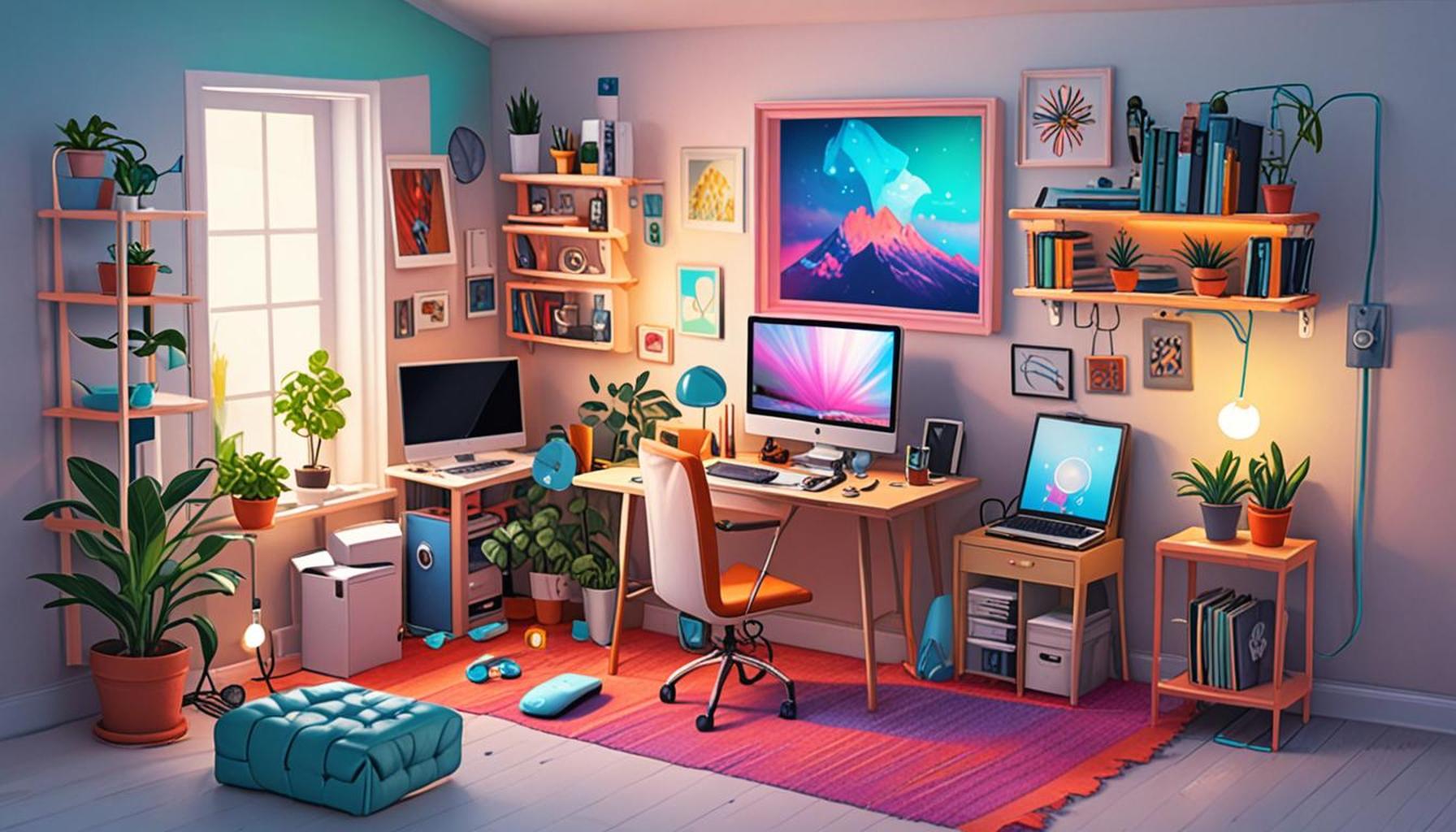
In today’s fast-paced world, maximizing small spaces has become a necessity for many individuals, particularly urban dwellers. As cities expand and housing prices soar, people are increasingly living in compact apartments where every square foot counts. This issue is particularly prevalent in major metropolitan areas across the United States, such as New York City, San Francisco, and Chicago, where limited square footage can lead to cluttered living conditions unless effective organization and optimization strategies are employed.
Innovative Solutions for Small Spaces
One of the most exciting developments in the realm of minimalist living is the rise of smart furniture. These multifunctional pieces are designed to enhance the utility of small rooms without sacrificing style. Take, for example, the Murphy bed: a classic solution that folds up into the wall, offering a comfortable sleeping space that transforms seamlessly into a functional living area during the day. Similarly, modular couches that reconfigure into various shapes and sizes maximize adaptability, making them ideal for small entertaining areas or shared living environments.
Further complementing these innovations are digital organization apps designed to streamline storage solutions. Applications like Sortly and Evernote help users catalog items and find optimal storage strategies, reducing clutter and improving access to essentials. By leveraging technology, these tools not only make organization more straightforward but also encourage individuals to embrace a less cluttered lifestyle.
The Role of IoT in Modern Living
Moreover, the integration of IoT devices has significantly changed the dynamics of space usage and ambiance in homes. Smart lighting systems, for instance, can be programmed to adjust brightness based on the time of day or mood, enhancing the overall environment. Similarly, smart thermostats not only save energy but can also optimize comfort in smaller spaces by effectively managing temperature fluctuations.
Embracing a Minimalist Lifestyle
As we continue to explore these advancements, it becomes clear that technology does more than just enhance our living conditions; it shapes our understanding of what is feasible within limited environments. With features like automated closet systems and space-saving kitchen gadgets, individuals can create organized, functional settings without feeling cramped. These innovations offer endless possibilities for those seeking efficient solutions in small living areas.
Adopting these technologies can substantially improve one’s quality of life, paving the way for an organized and minimalist lifestyle without sacrificing comfort or style. Rather than viewing limited space as a drawback, individuals can see it as an opportunity for creativity and innovation. By harnessing modern design and technology, we open the door to a transformed approach to living, where efficiency and beauty coalesce seamlessly. This modern perspective encourages an investigative journey into how we can optimize our environments amidst the challenges posed by urban living.
DIVE DEEPER: Click here for effective decluttering strategies
Leveraging Technology for Space Efficiency
As the need for effective space organization grows, technology emerges as a potent ally in transforming how we manage and optimize reduced spaces. Innovations in both design and functionality offer an array of solutions tailored for small living areas, making them both practical and aesthetically pleasing. Understanding these advancements can pave the way for a more organized and efficient lifestyle, particularly essential for those residing in compact urban settings.
The Evolution of Smart Storage Solutions
At the forefront of this evolution are smart storage solutions, which have redefined how we approach organization in small homes. Traditional storage methods often lead to overcrowded spaces and inefficiency. However, technology has introduced creative alternatives that maximize utility without overwhelming the available area. Some notable examples include:
- Vertical Storage Systems: Utilizing wall space has become a game-changer. Shelving units that extend upwards not only optimize storage but also draw the eye upward, giving the illusion of greater space.
- Under-Furniture Storage: Innovations like ottomans with hidden compartments and beds with built-in drawers offer practical solutions for stowing away items that would otherwise clutter living areas.
- Clever Closet Solutions: Sliding shelves and pull-down racks maximize closet functionality, allowing users to efficiently utilize every inch of available space.
These solutions don’t just save space; they actively encourage an organized approach to belongings, minimizing the fuss of searching for items. With the right tools, even the smallest of rooms can be transformed into harmonious and functional spaces.
Smart Home Technology: A Space Optimization Companion
Beyond storage, the role of smart home technology in optimizing small spaces cannot be overlooked. Devices equipped with automation capabilities enable users to manage their environments more effectively. For instance, programmable coffee makers and smart fridges can store and manage grocery lists, ensuring that kitchens remain ordered and clutter-free.
This integration of multifunctional devices and automation helps create a seamless living experience. Moreover, smart home assistants, such as Amazon’s Echo or Google Home, can be used to streamline daily tasks. From organizing schedules to managing grocery lists, these digital companions allow for a more focused approach towards maintaining an orderly space.
In an age where technology enhances convenience, embracing these innovations can significantly improve daily life quality for those navigating limited living environments. By adopting smart storage techniques and integrating modern home technology, individuals can not only make the most of their spaces but may also redefine their relationship with living areas, finding comfort in compact aesthetics.
To effectively utilize technology in organizing and optimizing reduced spaces, it’s essential to explore innovative solutions that enhance functionality and efficiency. One of the primary advantages of leveraging technology in limited environments is the use of smart storage systems. These systems utilize sensors and automated features to manage space more efficiently. For instance, modular shelving units can adjust their configuration based on your needs, ensuring that every inch counts. In addition, mobile apps dedicated to space management can help users visualize their areas and experiment with layouts before making physical changes. Tools equipped with augmented reality (AR) allow individuals to virtually place furniture or design elements within a room, maximizing the use of compact areas while minimizing clutter. With 73% of people acknowledging physical space constraints affect their productivity, incorporating these technological aids can lead to a significant improvement in workspace optimization.Furthermore, utilizing IoT (Internet of Things) devices in small environments ensures seamless organization. Smart home devices can control and monitor the use of various spaces, guiding users to remove or rearrange items based on usage patterns. For example, automated lighting can be used to highlight specific areas in a tiny apartment, accentuating functionality and making the space feel more open and inviting.Moreover, the integration of cloud-based applications enables multiple users to collaborate on space management from anywhere, promoting better planning and organization. The flexibility of access ensures that whether you’re at work or home, your space is efficiently utilized based on real-time needs and adjustments. As technology continues to evolve, so will solution opportunities for optimizing reduced spaces, pushing the boundaries of creativity and functionality. Consider these advancements as pivotal tools in your quest for perfect organization within limited areas.
DIVE DEEPER: Click here to enhance your focus
Innovative Spaces: Utilizing Technology for Design and Functionality
In addition to smart storage solutions and home automation, the field of design technology has significantly contributed to enhancing the functionality of reduced spaces. Architects and interior designers utilize cutting-edge software and tools to create layouts that maximize every square inch of a home. This shift has led to the emergence of customizable spaces that adapt to users’ needs, making life in smaller homes more dynamic.
3D Visualization and Augmented Reality
The introduction of 3D visualization and augmented reality (AR) has revolutionized how individuals envision their living spaces. Applications that allow users to digitally recreate their rooms enable potential homeowners to experiment with layouts and furniture placements without making a single change in the physical environment. For example, tools like IKEA Place and Magicplan let users see how a piece of furniture fits into their existing decor, ensuring that every selection complements the limited area.
This technology empowers individuals to make informed decisions, reducing costly mistakes and encouraging a more thoughtful approach to acquiring new pieces for their home. By visualizing these changes, users can better understand how to blend aesthetics with practicality, prioritizing essential items that fit within their space.
Smart Furniture: The Future of Compact Living
Another trend influencing space optimization is the rise of smart furniture, designed specifically for smaller living environments. These multifunctional pieces address the typical limitations of reduced spaces by providing solutions that adapt to the users’ needs. Sofas that convert into beds, dining tables with expandable surfaces, and coffee tables with integrated storage are just a few examples of this trend. Brands like Resource Furniture and Lift and Store are at the forefront, offering products that transform mundane furniture into versatile assets.
As more manufacturers embrace these designs, the landscape of compact living transforms. Smart furniture creates opportunities for additional usability without compromising style or space. Furthermore, many of these pieces incorporate technology, such as USB charging ports and LED lighting, effectively merging functionality with modern living standards.
IoT Integration: Creating a Cohesive Living Environment
The Internet of Things (IoT) plays a crucial role in facilitating seamless organization and optimization across reduced spaces. Smart devices can communicate with each other, allowing users to create a cohesive ecosystem within their homes. For example, a smart thermostat can adjust the heating or cooling based on when residents are home, optimizing energy usage alongside space management. Motion sensor lights can illuminate pathways in compact areas, enhancing safety while eliminating the clutter of unnecessary fixtures.
Additionally, IoT applications extend to inventory management within homes. Smart pantries and refrigerators can track the consumption of stored items, alerting users when it’s time to refill supplies. This advanced management approach prevents clutter and can transform every corner of a living space into a well-organized zone.
As technology continues to evolve, it not only enhances our daily lives but also empowers inhabitants of reduced spaces to thrive within their environments. With an array of tools at our disposal, effective organization and space optimization are more achievable than ever before, promising a more compact yet functional living experience.
DISCOVER MORE: Click here to simplify your daily tasks
Conclusion: Embracing Technology for Enhanced Living
The intersection of technology and space optimization represents a transformative opportunity for individuals navigating the challenges of reduced living environments. From innovative design software that allows for precise planning to the rise of smart furniture that maximizes function without sacrificing style, the tools available today empower homeowners to create efficient yet comfortable spaces. As we’ve explored, applications leveraging 3D visualization and augmented reality grant users the ability to envision their spaces in entirely new ways, thereby reducing the risk of missteps in furniture selection and placement.
Moreover, the integration of IoT technology paves the way for seamless communication between devices, fostering a cohesive ecosystem that enhances the livability of compact areas. With smart solutions tailored to individual needs, users can maintain an organized environment that evolves alongside their lifestyle. This is not merely about living in smaller quarters; it is about embracing a mindful approach to space and functionality.
As urban living continues to trend toward smaller footprints, leveraging technology becomes essential for those seeking to optimize reduced spaces. By adopting these inventive solutions, we can transform how we inhabit our homes, ultimately leading to an experience that is both enriching and fulfilling. The future of compact living is not merely about making do; it is about thriving within our environments and enjoying every inch of our spaces.