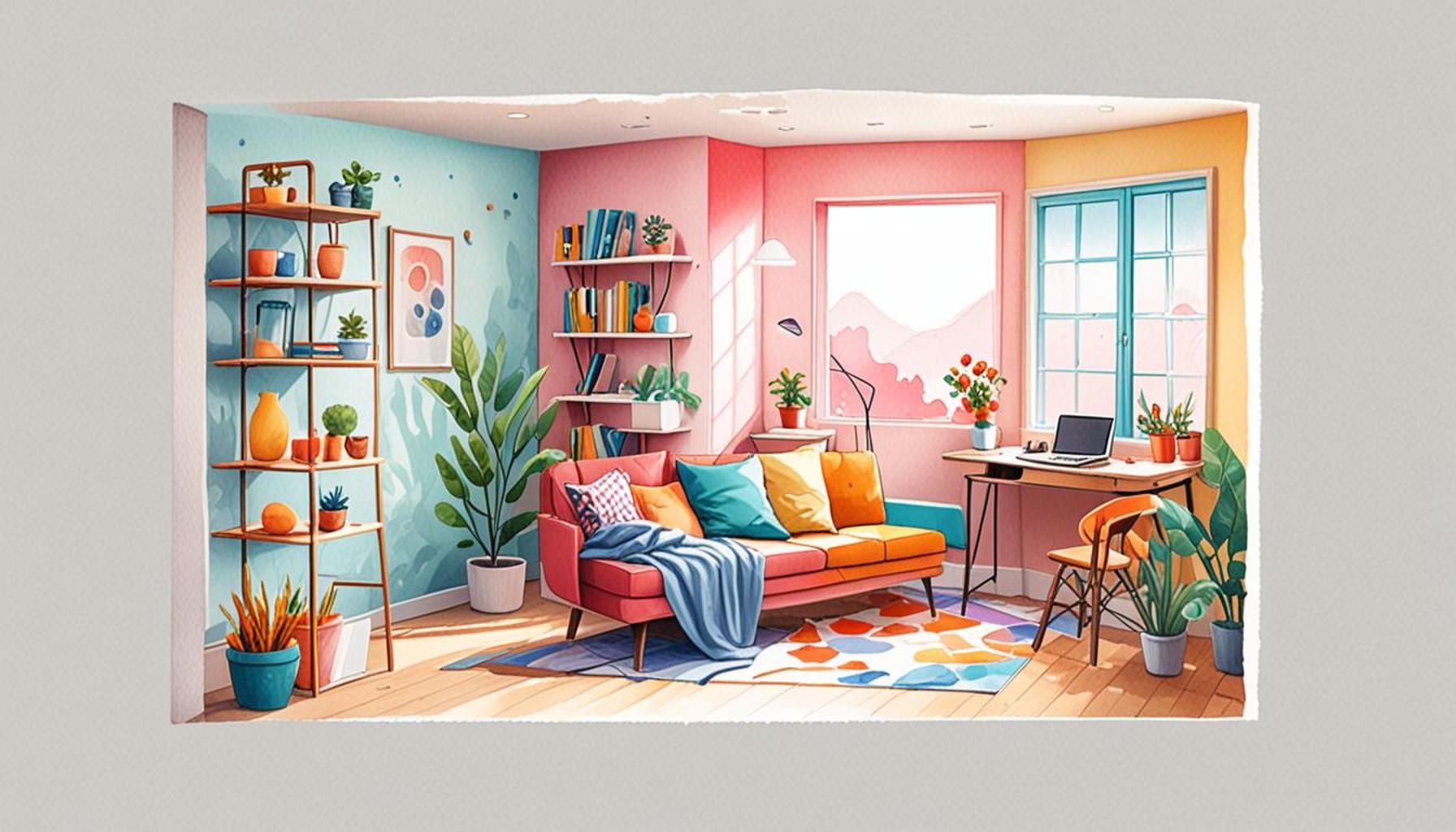
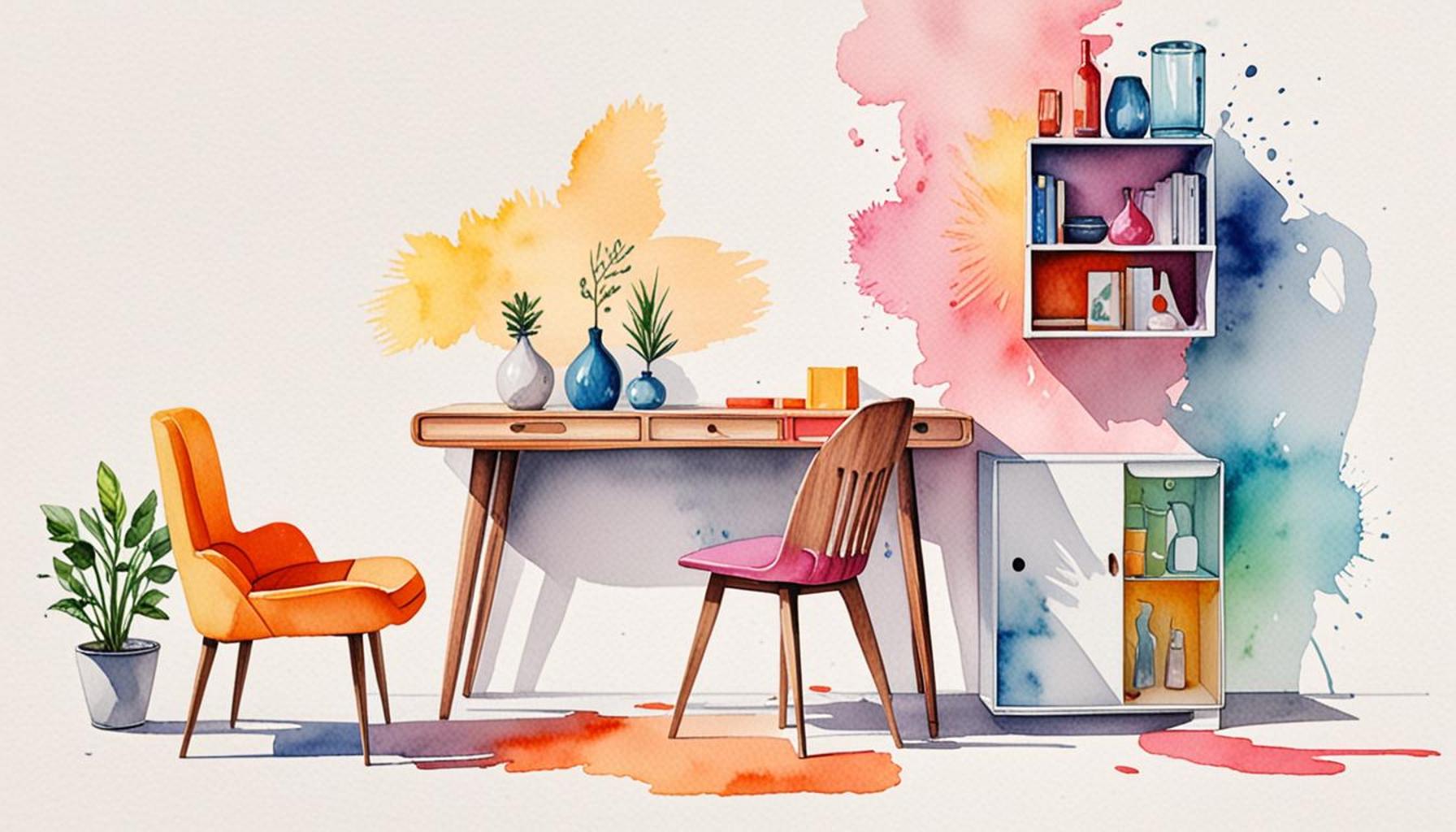
How minimalist art and décor can influence the perception of space and functionality
The Allure of Minimalism in Modern Living
In a society increasingly overwhelmed by excess and chaos, the allure of minimalist art and décor continues to grow. This aesthetic is not merely about creating visually appealing spaces; it plays a vital role in how we engage with our environments daily. Minimalism, with its roots in the mid-20th century art movement, emphasizes the idea that less is often more, challenging the conventional barriers between beauty, functionality, and space.
To fully appreciate how minimalist principles transform our living and working spaces, it is essential to recognize several key elements:
- Space Utilization: Minimalist design advocates for the efficient use of available space. Instead of allowing furniture and decorative items to accumulate, minimalism encourages a curated selection that serves a specific purpose. For instance, a multipurpose coffee table with storage can eliminate the need for additional shelving, thereby maintaining a clean environment.
- Visual Clarity: A minimalist aesthetic, defined by clean lines and open spaces, enhances clarity of vision. This simplification helps reduce cognitive overload. In environments such as offices, research indicates that fewer distractions lead to increased productivity, as employees can focus better without the clutter of unnecessary items lining their desks.
- Functional Design: In minimalist spaces, each element has significance. The choice of a single, well-crafted chair over multiple decorative pieces not only enhances the aesthetic appeal but also highlights functionality. This approach encourages people to invest in fewer, high-quality items rather than filling spaces with low-impact, visually noisy objects.
The influence of minimalism is particularly visible in urban areas across the United States. Space constraints make minimalist designs a practical choice for city dwellers. Here are a few trends that illustrate this phenomenon:
- Open floor plans are increasingly popular in new developments, allowing for multifunctional spaces that can adapt to various activities, from hosting gatherings to remote work.
- Neutral color palettes, often comprising whites, greys, and earth tones, are credited with creating an illusion of space, making even the most compact apartments feel airy and expansive.
- The philosophy of quality over quantity encourages consumers to focus on investing in fewer, more meaningful items. For instance, rather than filling a home with mass-produced décor, many choose to invest in authentic art pieces or handcrafted furniture that tells a story.
As we explore the intersection of minimalist art and décor in our daily lives, we discover how this approach not only enhances aesthetic values but also fosters a more functional lifestyle. By embracing minimalism, individuals can create serene environments that invite peace of mind and encourage deeper interactions with their surroundings. This transformation is more than a design choice—it’s a mindful way of living that cultivates simplicity and clarity in both space and thought.
DIVE DEEPER: Click here for expert tips on enhancing your time management

The Impact of Minimalist Design on Spatial Experience
The influence of minimalist art and décor extends far beyond simple aesthetic appeal; it reshapes our perception of space and how we function within it. Minimalism strips away the superfluous, allowing vital elements to resonate with greater clarity. As individuals navigate increasingly urbanized environments, the design choices they make are crucial in promoting a sense of openness and utility. By employing these principles, many find their homes and workplaces transformed, fostering both creativity and efficiency.
Creating Illusions of Space is one of the most significant effects of minimalism. This design philosophy encourages the use of light, color, and texture to create an atmosphere that feels less constricted, especially important in urban living scenarios where square footage is at a premium. For example, using large mirrors strategically enhances the perception of depth by reflecting light, making a cramped apartment feel more expansive. Furthermore, the incorporation of large windows or skylights maximizes natural light, further contributing to the sensation of an open environment.
Minimalism also promotes a functional approach to design, where each piece serves a dual purpose of beauty and utility. For instance, benches with hidden storage can help reduce visible clutter while providing necessary seating. This kind of intentional design not only makes spaces more organized but also allows for a more effective use of square footage, turning any room into a versatile area capable of accommodating various activities.
- Versatile Furniture: The trend of multifunctional furniture—sofas that convert into beds, or tables that expand—plays a vital role in maximizing usability in smaller spaces.
- Avoiding Over-Decoration: Minimalist homes typically forego excessive decorations which can crowd a room, optimizing physical and mental space.
- Thoughtful Color Choices: The use of a limited color palette promotes continuity and calmness, which enhances the feeling of spaciousness while reducing visual noise.
In exploring this dynamic relationship between minimalist principles and spatial perception, it’s clear that how we arrange and decorate our environments profoundly affects not just the physical space around us but also our psychological experience within those spaces. With fewer distractions, individuals can cultivate a sense of focus in their work and a sanctuary for relaxation at home.
As the minimalist trend continues to gain momentum, understanding its principles offers valuable insights into designing smarter, more efficient environments. Such considerations are particularly relevant in the face of escalating urbanization across the United States, where many residents are searching for solutions to cope with high-density living conditions.
In conclusion, embracing a minimalist approach not only alters physical spaces but also elevates how we interact and find functionality within them, creating a harmonious balance that can lead to a more fulfilling life experience.
Exploring the Impact of Minimalist Art on Spatial Perception
Minimalist art and decor shape our perception of space in profound ways. This artistic approach emphasizes simplicity, which can evoke a sense of tranquility and openness within an environment. A key factor in this transformation is the use of clean lines and a limited color palette, which can make a space appear larger than it truly is. When fewer items crowd a room, the eye has an opportunity to move freely and appreciate the area as a whole. Moreover, minimalist designs often prioritize multifunctionality. For instance, furniture that serves several purposes directly contributes to the efficiency of a space. A coffee table that converts into a dining table or a sofa that doubles as a bed eliminates the need for excess objects, streamlining both aesthetics and function.Table designs and art placements can also play a crucial role in manipulating spatial awareness. By strategically positioning artwork or decor pieces, one can enhance focal points within the room, leading to a more engaging and dynamic atmosphere. Minimalist decor encourages individuals to curate their belongings, promoting intentionality in how one interacts with their environment. The psychological benefits of such environments are equally noteworthy. Spaces that embody simplicity and minimalism often induce lower stress levels, allowing individuals to concentrate better and feel more organized. This aligns with studies suggesting that cluttered spaces can distract from productivity and peace of mind. Overall, the integration of minimalist art and decor transforms not just the visual landscape but also the psychological experience of the inhabitants. Such changes inspire a deeper understanding of the relationship between space and functionality, urging further exploration into how minimalist principles can reshape our daily lives.
| Advantages | Influential Aspects |
|---|---|
| Enhanced Spatial Perception | Minimalist setups reduce visual clutter, creating an illusion of larger spaces. |
| Increased Functionality | Functional furniture maximizes utility while maintaining aesthetic appeal. |
DISCOVER MORE: Click here for minimalist furniture tips
Reimagining Functionality Through Minimalist Aesthetics
As we delve deeper into the influence of minimalist art and décor, it becomes evident that this design ethos equips individuals with a unique lens through which to reassess functionality. Minimalism is not just about aesthetics; it’s a guiding principle that encourages the integration of form and purpose, transforming everyday spaces into environments that champion efficiency and ease of movement.
One compelling aspect of minimalist design is the emphasis on open floor plans. These layouts eliminate unnecessary partitioning, creating seamless transitions between spaces. In urban homes and lofts, for instance, this approach allows for a natural flow, facilitating both social interaction and personal space. An open layout promotes versatility—living rooms can double as workspaces, and dining areas can quickly transform into venues for entertainment, adapting easily to the needs of the moment.
Moreover, the aesthetic clarity of minimalism is complemented by thoughtful technical solutions. Smart home technologies are increasingly being adopted within minimalist spaces, allowing for integrated systems that control lighting, temperature, and security. For example, smart sensors can adjust lighting based on natural light levels, further enhancing the feeling of space without the intrusion of bulky fixtures. This harmonization of technology and minimalism reveals how functionality can be both streamlined and sophisticated.
- Integrated Design: Built-in shelves and cabinetry control clutter while providing essential storage, allowing spaces to remain visually serene and functionally equipped.
- Textural Variety: Minimalism often embraces differing textures, from sleek metals to warm woods, which can enhance a space’s sensory experience while maintaining a clean design.
- Nature Elements: Incorporating natural elements, such as indoor plants or natural light, reinforces the connection between functionality and tranquility, creating an environment that feels both inviting and spacious.
The effect of minimalist surroundings on mental well-being cannot be understated. Studies have shown that environments characterized by minimal clutter not only reduce stress levels but also enhance creativity and productivity. In offices designed with minimalism in mind, employees report increased focus and better collaboration, as the unencumbered space promotes clarity of thought. This shift in perspective recognizes that a well-ordered environment fosters a higher quality of work and interaction, highlighting the direct correlation between space design and human experience.
Furthermore, navigating a minimalist environment can foster a greater appreciation for quality over quantity. As minimalism encourages individuals to invest in fewer but higher-quality pieces, it shifts the narrative away from consumerism. Instead of accumulating items that may contribute to visual clutter, there is a movement towards selecting essential objects that epitomize both utility and artistry. This paradigm supports sustainable living principles, wherein the intentional selection of décor not only enhances personal spaces but also reduces environmental impact.
As we continue to explore the intersection of minimalist design principles and spatial functionality, it becomes clear that this approach is not merely a style choice; it represents a comprehensive lifestyle shift. The conscious curation of our environments can lead to spaces that not only look aesthetically pleasing but also functionally cater to our everyday needs, ultimately enhancing our quality of life.
DISCOVER MORE: Click here to uncover the emotional benefits of decluttering
Rethinking Space and Functionality in Minimalism
In conclusion, the exploration of minimalist art and décor reveals its profound ability to reshape our perception of space and functionality. Through the lens of minimalism, we observe not just a movement towards simplicity, but an architectural and aesthetic philosophy that champions efficiency and clarity. The adoption of open floor plans and the integration of smart technologies illustrate how minimalist design transcends traditional architecture, promoting fluidity and adaptability in daily life.
We find that minimalist environments are not solely beautiful; they are purposeful and transformative, enhancing our interactions and productivity. The psychological benefits of reduced clutter and streamlined environments manifest as increased focus, creativity, and a general sense of well-being. By prioritizing quality over quantity, individuals learn to appreciate essential pieces that enhance their surroundings, while supporting sustainable living through responsible consumption.
The implications of minimalist design stretch far beyond mere aesthetic choices. They embody a lifestyle shift towards mindfulness in how we curate our spaces. As we embrace these principles, we unlock the potential for environments that are not only visually appealing but also clearly functional, thus paving the way for a harmonious coexistence between beauty and utility. In a world where space is increasingly at a premium, understanding and implementing the tenets of minimalism can lead to enhanced living experiences and a deeper connection to the things we choose to surround ourselves with.