Mindful Living and the Importance of Voluntary Simplicity: How Conscious Choices Transform Daily Life

Understanding Mindful Living and Voluntary Simplicity
In our current era, where technology drowns our senses and consumerism pulls us in countless directions, the idea of being present and purposeful can often seem like a distant dream. However, incorporating mindful living and voluntary simplicity into our lifestyles creates an opportunity for genuine fulfillment and joy. These practices serve as guides to harmonizing our daily actions with our core values, providing a deeper connection to ourselves and the world around us.
The Essence of Mindful Living
Mindful living centers on the practice of staying present. This involves being aware of our thoughts, feelings, and environment without judgment. Simply put, it’s about observing our experiences with curiosity instead of reacting to them. Engaging in mindfulness can lead to:
- Improved mental clarity: By concentrating on the present, we reduce clutter in our minds, allowing for clearer thinking and better decision-making. Activities like meditation or mindful breathing can sharpen focus and enhance cognitive skills.
- Heightened emotional awareness: Mindfulness enables us to recognize our emotions as they arise, which can improve our ability to manage stress, anxiety, or sadness. Studies have shown that regular mindfulness practice can significantly decrease symptoms of depression.
- Enhanced overall well-being: Individuals who practice mindfulness often report higher levels of satisfaction in life. Engaging fully in activities, whether it’s enjoying a meal or spending time with loved ones, can lead to greater happiness and connection.
Embracing Voluntary Simplicity
Voluntary simplicity, on the other hand, emphasizes a lifestyle that values quality over quantity. This philosophy encourages individuals to reassess their consumption patterns and prioritize what truly enriches their lives. Here’s how this can take shape:
- Reducing material possessions: By decluttering our lives, we create physical and mental space for more meaningful pursuits. Many find joy in adopting minimalist lifestyles, which focus on keeping items that spark joy or serve a purpose.
- Choosing meaningful experiences over excessive consumerism: Shifting focus from accumulating goods to creating lasting memories can enrich our lives. For instance, many Americans are shifting towards travel, learning new skills, or giving back to their communities as preferred ways to spend their resources.
- Prioritizing sustainability and environmental consciousness: Voluntary simplicity invites us to make choices that benefit the planet. This might involve supporting local businesses, opting for eco-friendly products, or engaging in community gardening initiatives.
Creating Ripples within Communities
The journey towards mindful living and voluntary simplicity not only influences individual lives but also reverberates throughout our communities. As more people adopt these practices, we nurture:
- A culture of gratitude: By focusing on what we already have rather than what’s lacking, communities foster appreciation for small joys, whether it’s a walk in nature or a shared meal with family.
- A shared commitment to sustainability: Collective actions, such as community recycling programs or carpooling initiatives, can significantly lessen our environmental impact while bringing people together.
- Deeper connections with others: Mindful interactions often lead to more genuine relationships. Spending time really listening to others and being present creates bonds that are fulfilling and supportive.
By exploring the principles of mindful living and voluntary simplicity, we open ourselves to a transformative journey that not only enhances personal well-being but also cultivates a richer, more connected community. Now is the perfect time to embrace these practices and discover new avenues for intentional living.
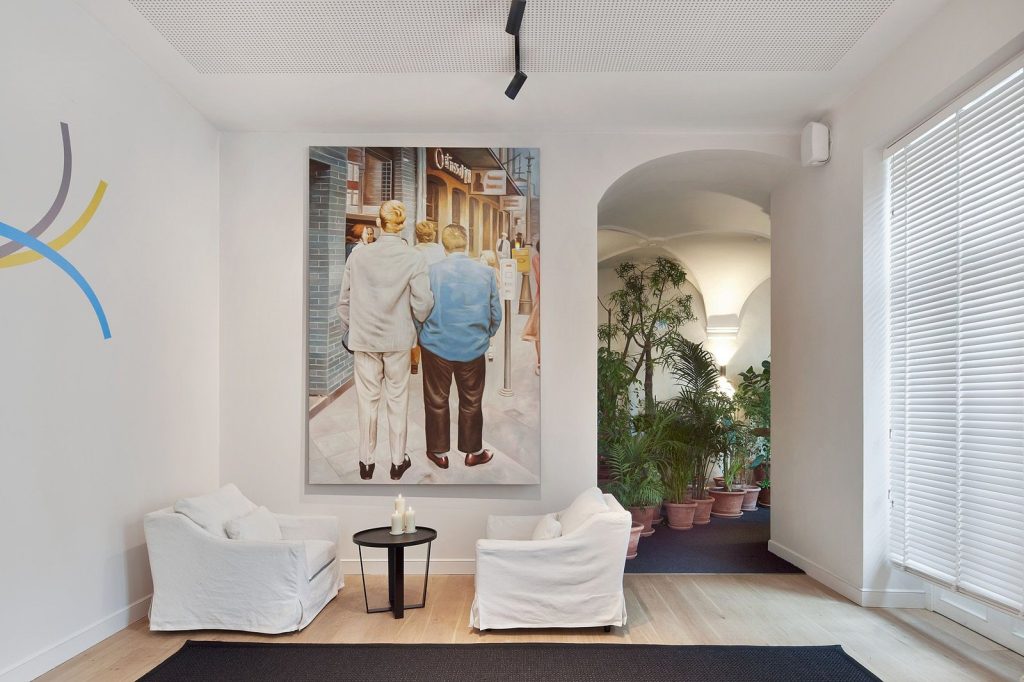
DISCOVER MORE: Click here to find out how to bring serenity into your space
The Transformative Power of Mindful Living
Mindful living is more than just a trend; it is a profound shift in how we perceive and engage with our surroundings. By integrating mindfulness into our everyday routines, we cultivate an awareness that empowers us to make meaningful choices. This practice transcends mere relaxation techniques; it fosters a deeper understanding of ourselves and our relationships with others and the world. As we delve into the transformative aspects of mindful living, we uncover pathways to a more enriched existence.
Key Practices to Incorporate Mindfulness
Integrating mindfulness into daily life can start with simple yet powerful practices. Here are a few effective methods that many have found beneficial:
- Mindful Breathing: Focusing on your breath can center your mind. Taking a few minutes each day to practice deep, conscious breathing can ground you in the present moment and alleviate stress.
- Mindful Eating: Savoring each bite allows us to appreciate food in a new light. By slowing down during meals and focusing on flavors and textures, we enhance our relationship with nutrition and health.
- Gratitude Journaling: Keeping a gratitude journal encourages reflection on daily blessings, no matter how small. This practice shifts our focus from what’s lacking to appreciating the abundance in our lives.
As individuals embark on the journey of mindful living, they often discover a newly awakened sense of purpose. Improved mental clarity leads to more intentional decision-making, enabling us to prioritize what is truly important. Research indicates that people who engage in mindfulness regularly experience increased emotional regulation, allowing them to navigate life’s challenges with resilience and grace.
Reevaluating Needs through Voluntary Simplicity
Voluntary simplicity builds on the foundation of mindful living by encouraging a thoughtful reassessment of our wants and needs. While society often equates success with material accumulation, voluntary simplicity invites us to strip away the excess and focus on what genuinely brings joy and fulfillment. By engaging in this lifestyle, we can redefine our relationship with consumption, leading to a more sustainable and satisfying existence.
Practical Steps to Embrace Simplicity
Embarking on a journey of voluntary simplicity does not necessitate major life changes. Instead, small adjustments can pave the way toward significant transformation. Here are several actionable steps to consider:
- Declutter Regularly: Commit to a routine of decluttering spaces in your home and life. By letting go of items you no longer use or need, you create room for what truly matters.
- Mindful Purchasing: Adopt a conscious approach to shopping. Before making purchases, ask yourself if the item aligns with your values and enhances your life.
- Limit Screen Time: Reducing time spent on electronic devices can free us from distractions, allowing us to engage more deeply with the present moment and with those around us.
Incorporating voluntary simplicity helps individuals discern between genuine needs and wants, fostering a lifestyle marked by intentionality. As we simplify our surroundings and commitments, we often find that our emotional and mental well-being improves, leading to a richer quality of life. By making conscious choices, we illuminate the paths toward deeper satisfaction and connection in our daily routines.
| Advantages | Description |
|---|---|
| Reduced Stress | Mindful living encourages awareness of thoughts and feelings, leading to a calmer and more centered life. |
| Enhanced Well-being | Adopting voluntary simplicity fosters a sense of fulfillment through intentional choices, improving emotional health. |
| Financial Freedom | Simplifying one’s lifestyle often leads to reduced expenses and greater financial stability. |
| Environmental Impact | Conscious choices promote a sustainable lifestyle, reducing waste and preserving resources for future generations. |
DISCOVER MORE: Click here to enhance your productivity
Living Intentionally: The Synergy of Mindfulness and Simplicity
The convergence of mindful living and voluntary simplicity creates a powerful framework for enhancing daily life. Intentional living encourages us to become more aware of our surroundings, decisions, and their ripple effects on our well-being and the environment. As we embrace this synergy, we unlock deeper levels of contentment and authenticity.
The Environmental Impact of Conscious Choices
Adopting a lifestyle rooted in mindfulness and simplicity not only benefits personal well-being but also contributes significantly to environmental sustainability. Research indicates that a mindful approach towards consumption can reduce waste and decrease carbon footprints. For example, a 2022 study by the Environmental Protection Agency (EPA) highlighted that individuals who practice mindful consuming habits tend to generate approximately 20% less waste than the average consumer. By purchasing less and prioritizing quality over quantity, we foster a healthier planet.
Additionally, voluntary simplicity encourages sustainable practices such as sourcing food locally or opting for eco-friendly products. Many individuals discover the joys of gardening or participating in community-supported agriculture (CSA), which not only supports local economies but also cultivates a deeper connection with the source of their sustenance. As we make these conscious choices, we echo our commitment to environmental conservation, contributing to a collective effort that benefits future generations.
Emotional Well-Being through Mindful Connections
Another remarkable benefit of integrating mindfulness and voluntary simplicity is the enrichment of our relationships. In a world often dominated by distractions—from smartphones to busy schedules—the practice of being present can significantly enhance interpersonal connections. Mindful interactions foster deeper conversations and connections, allowing individuals to be fully engaged with those around them.
Studies suggest that couples who practice mindfulness report enhanced relationship satisfaction and improved communication. A 2021 article published in the Journal of Marriage and Family found that couples participating in mindfulness training experienced over a 30% increase in relationship satisfaction in just one year. By prioritizing quality time over quantity, we transform our relationships and allow ourselves to experience the richness that true connection offers.
Creating a Mindful Home Environment
The influence of our physical environment on our mental state cannot be overstated. Mindful living encourages us to curate our spaces to foster calmness and clarity. Start by decluttering not just physical items, but also digital spaces. A study published in the American Journal of Lifestyle Medicine found that reducing clutter can lower stress levels, increase focus, and even promote healthier lifestyles.
To cultivate a mindful home atmosphere, consider the following strategies:
- Nature Integration: Bring elements of nature indoors by using houseplants. Studies suggest that the presence of indoor greenery can enhance mood and reduce anxiety.
- Mindful Decor: Choose decor that reflects your values and aspirations. Every item can serve as a reminder of your journey toward mindfulness and simplicity.
- Creating Space for Reflection: Set aside a small area designated for mindfulness practices—be it meditation, journaling, or simply unwinding without distractions. This space can become a powerful sanctuary for personal growth.
As you nurture a mindful home and lifestyle, you create an environment that invites tranquility and promotes healthy living. The practice of mindfulness intertwined with voluntary simplicity leads to profound transformations, allowing individuals to approach life with greater purpose, clarity, and appreciation.
DISCOVER MORE: Click here to learn essential strategies
Embracing Mindful Living and Voluntary Simplicity for a Meaningful Life
In conclusion, the journey toward mindful living and voluntary simplicity serves as an empowering pathway to enrich our daily lives on multiple levels. By approaching life with intention and awareness, we not only improve our mental and emotional well-being but also play a crucial role in fostering a healthier environment. As we cultivate mindful habits, such as consciously evaluating our consumption and prioritizing meaningful relationships, we pave the way for a more fulfilled existence.
The ripple effects of our conscious choices extend beyond the individual, fostering community connections and promoting sustainability. Practices like local sourcing and reducing waste not only mitigate our impact on the planet, but they also reshape our understanding of consumption as a source of joy rather than mere obligation. By embracing simplicity, we find freedom in the less we own and the more we experience.
Moreover, the establishment of a mindful home environment, rich with tranquility and personal reflection, provides the foundation for a flourishing inner life. The psychological benefits of decluttering, combined with the serenity of mindfulness practices, foster a clarity that transforms how we navigate challenges and celebrate achievements.
As we forge ahead, we are invited to deepen our commitment to mindful living and voluntary simplicity, understanding that every intentional moment contributes to a life that is not only richer in experience but also more aligned with our values. This journey requires ongoing exploration and dedication, ideal for those seeking to live with purpose and genuine connection. Thus, let us embark on this meaningful path, armed with the insights gained and the knowledge that our conscious choices indeed shape a brighter, sustainable future.