Transforming Spaces: How Minimalism Facilitates Time Management at Home

The Philosophy Behind Minimalism
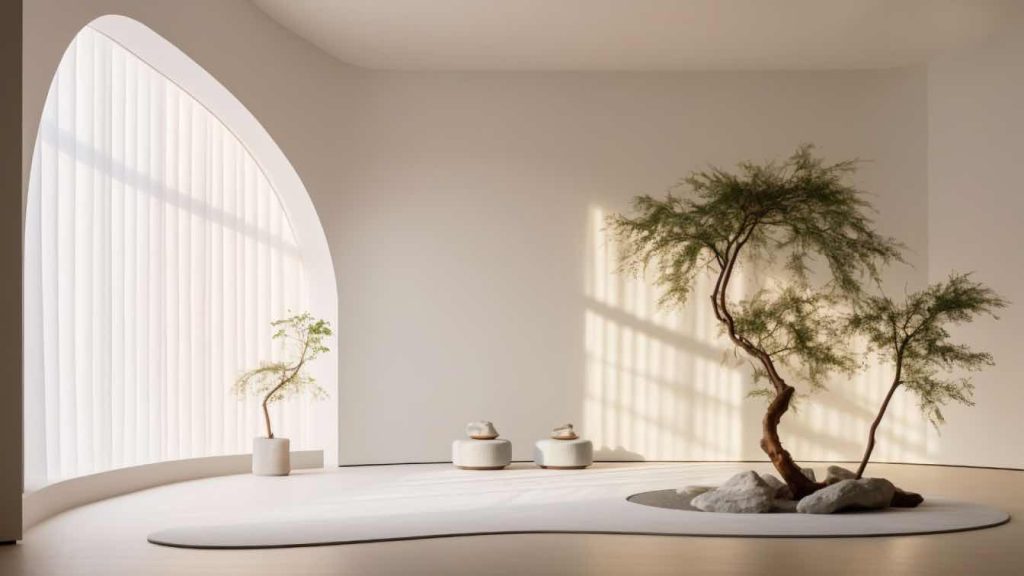
Picture entering a space where the chaos of an overwhelmed lifestyle is minimized. This is the promise of minimalism, a philosophy that aims for simplicity, both visually and functionally. At its core, minimalism is not merely about adopting a sleek design or adhering to a particular aesthetic. Rather, it is about making deliberate choices that promote efficiency in our daily lives. In a world overflowing with distractions, the layout of your home can significantly influence your productivity and time management.
Benefits of Embracing Minimalism
Choosing a minimalist lifestyle can lead to transformative benefits:
- Reduce clutter, leading to less distraction: Clutter can be a source of stress and can diminish your ability to focus. For instance, a study published in the Journal of Neuroscience revealed that individuals in cluttered environments often experience elevated levels of anxiety, making it difficult to concentrate on tasks at hand. By simplifying your surroundings, you create a more tranquil environment that enhances your focus.
- Create multifunctional spaces that serve varied needs: In a minimalist home, each room can serve multiple purposes. For example, a guest bedroom could double as a home office, equipped with a foldable desk that can be stowed away when not in use. Flexible furniture solutions not only save space but also allow you to adapt your home to your fluctuating demands.
- Encourage mindful consumption of resources and time: Minimalism promotes making thoughtful purchases and decisions. Instead of buying items on a whim, minimalists often assess whether a new purchase will add genuine value to their lives, leading to savings in both money and resources.
The Science of Organization
Research supports the idea that a well-organized home directly correlates with enhanced focus and success. A comprehensive study by the Princeton University Neuroscience Institute indicated that clutter negatively impacts cognitive function, as our brains struggle to process information amidst physical chaos. Thus, adopting minimalist principles can pave the way for greater productivity and less mental fatigue.
Steps to Transform Your Space
Embarking on a journey towards a minimalist home doesn’t have to be overwhelming. Start with decluttering your space room by room, making decisive choices about what to keep and what to let go of. Consider implementing storage solutions like baskets, shelving, and boxes to maintain organization. Additionally, use color palettes that promote tranquility—subtle greens, earth tones, or whites can create an inviting yet calm atmosphere.
Ultimately, minimalism encourages you to rethink and redefine your relationship with your living space. By prioritizing efficiency, you can create a home that serves you better, inspiring a lifestyle marked by clarity and intention.
DISCOVER MORE: Click here to enhance your organization skills
Optimizing Your Environment for Enhanced Productivity
In the pursuit of improved time management, the environment in which we operate plays a pivotal role. A minimalist home—characterized by its uncluttered surfaces, thoughtful organization, and functional design—can be instrumental in streamlining your daily activities. Every item in a minimalist space has its place, and every space is tailored toward maximizing efficiency. By embracing this intentional approach, individuals can not only manage their time better but also cultivate a sense of peace and purpose in their daily routines.
Time-Saving Strategies Through Minimalism
Implementing minimalist principles in your home allows you to conserve mental energy and reduce the time spent managing your environment. Here are several strategies that illustrate how minimalism can elevate your time management:
- Simplifying Daily Tasks: When your space is free from clutter, everyday tasks become straightforward. Imagine preparing a meal in a kitchen where everything is easily accessible—this not only speeds up cooking but also reduces the mental burden of searching for pots and pans among piles of items.
- Streamlined Routines: A minimalist approach encourages the design of routines that are efficient and less time-consuming. By establishing defined spaces for all your belongings, you can quickly find what you need, reducing routine disruption and hence enhancing productivity.
- Reducing Decision Fatigue: Minimalism inherently minimizes choices—fewer items mean fewer decisions about what to wear, eat, or even how to arrange your day. According to a study by American Psychological Association, decision fatigue can lead to poor choices or procrastination. By simplifying your environment, you can preserve your cognitive resources and make better decisions that align with your goals.
Creating a Clear Vision
The psychology behind minimalism suggests that a well-organized space leads to a well-organized mind. When your environment is stripped of distractions, clarity begins to take root. This connection between space and mental clarity is backed by research conducted by the University of Minnesota, which found that individuals in uncluttered environments report higher levels of focus and lower levels of stress.
Applying these principles doesn’t require radical changes. Start by assessing one area of your home at a time, perhaps the kitchen counter or your workspace. Removing unnecessary items not only clears physical space but also opens up mental space, enabling you to think more clearly and manage your time more effectively. By consciously curating your belongings, you actively shape an environment that works towards your benefit.
Exploring the intersection of minimalism and time management offers profound insights into crafting a lifestyle that prioritizes efficiency and clarity. By adopting a minimalist mindset, you can create a sanctuary that steers you toward more purposeful and productive days.
| Advantage | Description |
|---|---|
| Enhanced Focus | A minimalist environment reduces distractions, promoting better concentration on tasks. |
| Efficient Space Utilization | Fewer items lead to an organized layout, making it easier to access necessary tools and maintain productivity. |
The practice of minimalism goes beyond just aesthetics; it is a functional strategy that thrives on simplicity. By creating a peaceful atmosphere at home, individuals can streamline their daily activities. An environment free of clutter allows for improved time management, allowing residents to find what they need quickly without the hassle of sifting through excessive belongings.Moreover, minimalism promotes intentional living. When items are carefully chosen, their purpose becomes clearer, facilitating tasks like organizing workspaces or managing children’s play areas. This leads to an increase in overall efficiency, giving individuals more time to focus on important projects and personal pursuits. By embracing a minimalist lifestyle, one can truly discover the art of effective home management.
DISCOVER: Click here to unlock the secrets of productivity
Embracing Minimalism for Efficient Time Allocation
To enhance time management at home, minimalism is not just a trend—it’s a tailored philosophy that encourages individuals to prioritize their most valuable resources: time and energy. Beyond decluttering physical spaces, minimalism involves a thoughtful reassessment of how time is allocated in our daily lives. Households that consciously adopt minimalism can benefit from a variety of strategies that promote focused, efficient time management.
Prioritizing Tasks and Zones
One of the foundational aspects of minimalism in optimizing time is zoning your home. By creating defined areas for specific tasks—such as work, relaxation, and entertainment—individuals can effectively partition their time, making transitions smoother and more purposeful. For example, a well-defined workspace that is free from distractions encourages focused productivity, reducing time spent switching gears between different tasks. Research by the Journal of Environmental Psychology suggests that designated task zones can enhance cognitive performance, allowing individuals to engage with their work more fully.
Moreover, embracing the minimalistic ethos means reevaluating your to-do lists. Unloading non-essential tasks or delegating responsibilities not only frees up precious time but also simplifies your schedule. This approach aligns perfectly with the Pareto Principle, or the 80/20 rule, which posits that 80% of results come from 20% of efforts. By concentrating on the vital few tasks that truly drive your goals, you can eliminate time-wasting activities and dedicate more hours to what matters most.
Mindful Consumption for Intentional Living
Minimalism extends beyond physical possessions; it encapsulates the idea of mindful consumption. Every object acquired competes for your attention, potentially leading to scattered focus and wasted time. A study conducted by the National Institute of Health highlights how a cluttered environment can distract and impair decision-making processes. By consciously choosing to limit what enters your home—whether that’s a new gadget, clothing, or recreational activities—you foster an environment conducive to clarity and calm. Ask yourself: does this new item serve a purpose? If not, consider avoiding the distractions it may bring.
Additionally, crafting a minimalist routine can significantly influence how effectively you manage time. For instance, implementing a simple capsule wardrobe can streamline daily dressing decisions. Fewer choices translate to quicker morning routines, allowing more time for what you truly value—be it exercise, family, or a moment of quiet reflection.
Creating Rituals for Balance and Reflection
Finally, an often-overlooked factor in effective time management is the incorporation of rituals into daily life. Minimalism encourages the development of daily habits that resonate with your values and aspirations. Whether it’s a morning meditation, a scheduled family dinner, or simply an evening wind-down routine, these moments are crucial for mental rejuvenation. According to a study published in the Journal of Happiness Studies, engagement in meaningful rituals can enhance productivity and overall satisfaction, making individuals feel more grounded and purposeful in their daily actions.
In essence, adopting a minimalist approach prepares you for both productivity and mindfulness. By consciously reevaluating how you manage not just your space, but your time itself, you pave the way for a lifestyle that is not only well-organized but exceptionally fulfilling.
LEARN MORE: Click here to enhance your space
Conclusion: The Impact of Minimalism on Time Management
In a world bustling with distractions and overwhelming commitments, minimalism emerges as a powerful strategy for enhancing time management at home. By embracing the principles of minimalism, individuals can transform their living spaces into harmonious environments that support focused productivity and intentional living.
Implementing designated zones for specific tasks streamlines not only your physical space but also your mental focus. By prioritizing essential tasks while eliminating the clutter of unnecessary obligations, you can adopt a more efficient approach to daily life. This practice fosters an environment where concentrated efforts yield substantial results, echoing the Pareto Principle that emphasizes targeted endeavors over a myriad of less impactful tasks.
Moreover, the importance of mindful consumption cannot be overstated. As studies reveal, a clutter-free home boosts your ability to make decisions and maintain focus. By limiting new acquisitions, you safeguard your valuable time and energy, keeping your life on track. Creating routines and rituals aligned with your core values offers not only structure but also moments of reflection and rejuvenation, adding to your overall well-being.
Ultimately, embracing minimalism extends beyond just decluttering spaces; it invites a comprehensive reevaluation of how we spend our time. As you embark on this journey, you’ll discover that the real joy lies not in possessing more, but in having the clarity and freedom to prioritize what truly matters. For those looking to reclaim control over their time, minimalism serves as a beacon, guiding the way to a more balanced, fulfilling lifestyle.