The Connection between Minimalism and Leisure Time: Creating Spaces for Rest and Recreation

The Intersection of Minimalism and Leisure Pursuits
In a world increasingly marked by consumerism and clutter, embracing minimalism offers a refreshing escape for many individuals. This lifestyle promotes the decluttering of not only physical spaces but also mental and emotional clutter, ultimately paving the way for more fulfilling leisure time. By adopting minimalist principles, one can foster a more profound engagement with relaxation and recreation.
At its core, minimalism transcends the mere act of simplifying possessions; it cultivates a serene environment that prioritizes tranquility and intentional living. Recent studies indicate that individuals who adopt minimalist strategies often experience reduced anxiety and heightened mental clarity. This can create a conducive atmosphere for unwinding and appreciating moments of leisure.
Benefits of Minimalism in Leisure
The positive impacts of minimalism on our leisure experiences are multi-faceted, with several key advantages:
- Enhanced mental clarity—by minimizing distractions, we can focus more effectively on relaxing activities like meditation or mindful breathing exercises.
- Improved space utilization—designating specific areas for leisure, such as a cozy reading nook or a serene outdoor space, encourages us to fully engage with those pastimes.
- Increased joy—finding fulfillment in simplicity allows us to cherish experiences rather than possessions, fostering gratitude in even the smallest of moments.
Imagine a living room that is free of excess furniture and knick-knacks; this space can become a sanctuary for reading, painting, or even enjoying a cup of tea. Clear surfaces promote engagement in activities that genuinely nurture our spirits, allowing for deeper relaxation.
Creating a Calming Environment
Moreover, infusing minimalism into our homes contributes significantly to our overall well-being. By reassessing our living spaces, we can recognize that the ideal leisure environment often comprises fewer, more meaningful items that bring us joy. Think about the impact of a decluttered workspace: studies suggest that surrounding oneself with fewer distractions can lead to greater productivity during both work and leisure hours.
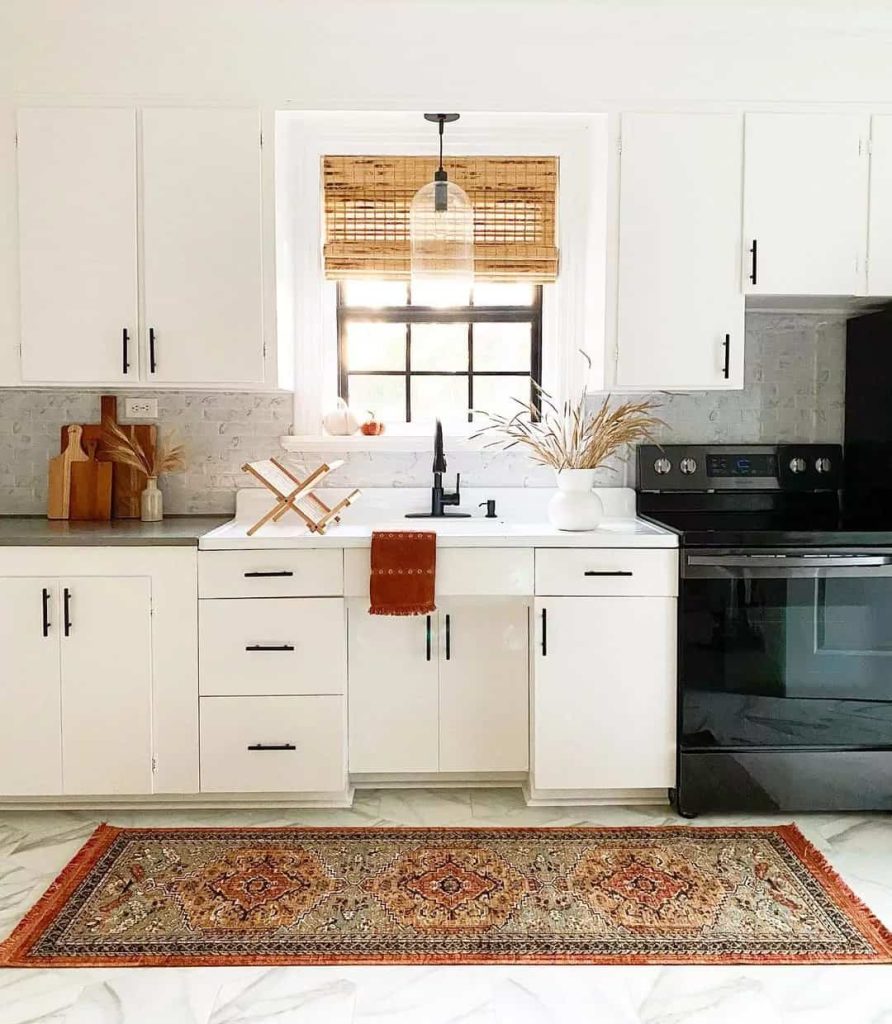
As we carve out serene enclaves in our homes, the synergy between leisure and minimalism can become strikingly clear. Individuals may find that dedicating time to simplify their daily lives leads to more robust opportunities for recreation and relaxation. Whether it’s in the form of curated experiences like hiking in nature or engaging in creative pursuits, a minimalist approach helps us prioritize what truly enriches our lives.
Ultimately, by embracing the philosophy of minimalism, we not only declutter our physical possessions but also create fertile ground for our leisure experiences. As this practice continues to grow in popularity, the journey towards a more fulfilled and intentional lifestyle becomes all the more enticing. With minimalism as our guide, the possibilities for enrichment and relaxation are limitless.
DIVE DEEPER: Click here to discover powerful decluttering techniques
Redefining Leisure through Simplicity
As we delve deeper into the harmony between minimalism and leisure time, it becomes increasingly evident that the act of simplifying our surroundings translates directly into improved recreational opportunities. Minimalism, characterized by purposeful curation and intentional living, fosters an atmosphere where moments of rest and relaxation can flourish without the chaos of excess. This intersection presents an exciting opportunity for individuals to redefine their leisure activities and discover new ways to engage with life.
Minimalism encourages us to strip down our environments to the essentials, allowing us to prioritize experiences over material possessions. By reducing the number of distractions that populate our living spaces, we can focus on activities that genuinely enrich our lives. Studies reveal that individuals who practice minimalism report higher levels of satisfaction from their leisure activities, as their time is now spent on fulfilling pursuits rather than managing and maintaining an overwhelming collection of belongings.
The Impact of a Minimalist Approach on Leisure Activities
The influence of minimalism extends beyond aesthetics—it directly shapes how we experience leisure. Here are several ways adopting a minimalist lifestyle can enhance leisure activities:
- Intentional time management—with fewer obligations and possessions vying for our attention, we can dedicate more time to leisure activities that truly resonate with us.
- Deepened engagement—minimalist environments encourage us to immerse ourselves fully in our hobbies, such as painting, gardening, or yoga, leading to a more profound sense of fulfillment.
- Chosen connections—minimalism urges us to be more discerning about the company we keep, fostering deeper relationships during shared leisure moments.
Picture this: a beautifully styled patio area, devoid of unnecessary furniture and clutter. This intentional space can transform into an ideal spot for quiet reading, intimate dinner gatherings, or even yoga sessions at dusk. When our surroundings are pared down, we can engage deeply with the present moment, enhancing our leisure experiences.
Curating Leisure Spaces for Maximum Benefit
The essence of a minimalist perspective lies not only in the act of decluttering but also in thoughtfully curating spaces that nurture our well-being. This holistic approach to design allows individuals to create environments that prioritize relaxation and rejuvenation. For instance, a dedicated corner for meditation adorned with soft cushions and natural light can significantly enhance the quality of one’s downtime.
Moreover, research indicates that well-designed leisure spaces lead to improved mental health, fostering feelings of tranquility and reducing stress levels. Environments that reflect a minimalist aesthetic can encourage individuals to step back and engage with activities that promote self-care, such as cooking healthy meals or enjoying nature walks. By investing time in crafting these spaces, we not only enhance our leisure time but also enrich our mental and emotional health.
In essence, adapting a minimalist approach is about creating a lifestyle that aligns with our values—one that emphasizes presence, connection, and enjoyment. The intertwined relationship between minimalism and leisure time underscores the importance of crafting spaces that invite relaxation and inspire genuine engagement in our activities. As we further explore this connection, the journey toward a more fulfilling leisure experience beckons us to take the first step in embracing simplicity.
| Category | Description |
|---|---|
| Space Utilization | Minimalist designs free up more room, allowing for greater movement and relaxation, which is essential for effective leisure activities. |
| Mindfulness | Creating uncluttered environments encourages mindfulness, allowing individuals to fully engage in leisure time without distraction from excess possessions or decor. |
In exploring the synergy between minimalism and leisure time, one can appreciate how spatial efficiency contributes to a more serene lifestyle. By adopting less clutter in our surroundings, we create pockets of rest and recreation that promote relaxation. These spaces facilitate hobbies, reading, or simply unwinding, showing that minimalistic concepts extend beyond aesthetics and into daily living practices.Moreover, the embrace of minimalistic principles fosters a mindful approach to one’s environment. It empowers individuals to be intentional about how they spend their leisure time, compelling them to select activities that bring genuine joy and satisfaction. Such a mindset shifts the focus from material possessions to enriching experiences, leading to a deeper connection between one’s environment and personal happiness. Each choice to declutter enlivens the space for meaningful rest and rejuvenation. This pivotal interplay between minimalist spaces and leisure encourages a fundamental inquiry into what truly enhances our relaxation and recreation. It prompts a broader conversation about what we prioritize in our homes and lives, pushing us to carefully evaluate our environments in support of well-being.
DISCOVER MORE: Click here for insights on enhancing your productivity
Designing Leisure around Minimalism
To fully appreciate the connection between minimalism and leisure time, it’s essential to examine how intentional design plays a pivotal role in our recreational experiences. Minimalist design is not solely about stripping away excess; it is also about creating a coveted space that invites relaxation and promotes well-being. This concept extends into every facet of our lives, including home environments, community spaces, and even our digital experiences.
The Home as a Sanctuary
Our homes, often the epicenter of leisure activities, can be transformed into sanctuaries by adopting minimalist principles. Consider the living room: a well-ordered space with limited but meaningful furnishings can serve as a backdrop for countless memories, from game nights with family to cozy evenings spent with a good book. Research indicates that the way we design our living environments significantly influences our enjoyment and well-being, suggesting that minimalist homes can enhance the experience of leisure. A dedicated entertainment area, devoid of clutter, allows for spontaneous gatherings and effortless conversation.
Moreover, many homeowners across the United States are embracing the concept of multi-functional rooms that reflect minimalist ideals, creating spaces that can adapt to a variety of activities. For example, a home office can seamlessly transition into a yoga space, with minimal furnishings that allow for easy conversion. This adaptability not only maximizes utility but also encourages a flexible approach toward leisure activities, fostering creativity and a sense of balance.
Emphasizing Nature in Leisure Spaces
Integrating natural elements into minimalist design further emphasizes the connection between our environments and leisure. Studies suggest that spending time in nature dramatically enhances relaxation and reduces stress. By creating outdoor spaces that celebrate simplicity—such as gardens with native plants or serene patio designs with minimal furnishings—we cultivate inviting areas that call for leisure and reflection.
Additionally, minimalist landscapes can be designed to foster social interaction and well-being. Community parks that prioritize open space and natural beauty instead of excessive installations promote active leisure, allowing individuals and families to engage in activities like mindful walking or picnicking with friends. Emphasizing quality over quantity in public spaces becomes particularly important as urban environments continue to grow, providing much-needed respites for recreation.
The Digital Sphere and Minimalism
In today’s hyper-connected world, the digital realm also deserves our attention when considering the minimalist approach to leisure. Digital clutter can lead to increased stress and distract from meaningful leisure activities. Engaging in a digital detox—reducing screen time and managing device usage—fosters mindful leisure practices that enhance our ability to connect with ourselves and our loved ones.
By consciously curating our online spaces and stepping back from excessive digital stimuli, individuals are more likely to devote their free time to hobbies that deliver satisfaction and happiness. This not only includes offline activities such as reading or exercising but also the enjoyment of meaningful virtual connections through fewer, more intentional interactions.
Ultimately, the strategies for pledging to a minimalist lifestyle are all-encompassing, reinforcing the notion that leisure is not a mere pastime but an opportunity for rejuvenation and self-discovery. As the exploration of minimalism continues, the enriched experience of leisure time beckons us to embrace our surroundings’ simplicity and intentionality.
DIVE DEEPER: Click here to discover how minimalism can enhance your productivity
Conclusion
As we navigate the complexities of modern life, the connection between minimalism and leisure time emerges as a beacon of clarity and intention. By embracing minimalist principles, we are empowered to create environments that prioritize rest and recreation. This transformation begins within our homes, where thoughtful design can yield spaces that facilitate moments of connection, whether through shared meals, quiet reading, or lively gatherings with friends.
Furthermore, the integration of nature into our leisure spaces allows us to reap the physiological and psychological benefits that green surroundings provide. Community parks that celebrate simplicity not only enhance our local landscapes but also offer necessary retreats for urban dwellers in search of balance amid chaos. With our increasingly digital lives, adopting a minimalist approach encourages us to engage mindfully in leisure activities, focusing on quality rather than quantity in both our physical and digital environments.
Ultimately, the essence of minimalism transcends mere aesthetics. It embodies a purposeful lifestyle that champions well-being, reminding us of the deeper value found in simplicity. By consciously creating spaces for leisure that align with minimalist values, we open the door to renewed vitality, creativity, and connection. This journey towards reclaiming leisure time through minimalism not only enriches our individual experiences but also cultivates a communal ethos of rest and rejuvenation, paving the way for a more fulfilling life.