Minimalism in Professional Life: Strategies for Managing Time in Cozy Work Environments

The Shift Towards Simplicity in Professional Spaces
In an era characterized by constant connectivity and information overload, the transition towards minimalism within our professional lives has gained significant traction. This shift is not merely about aesthetics but involves a fundamental rethinking of how we approach our daily tasks. As remote work environments become the norm, many are realizing that embracing simplicity can lead to remarkable increases in productivity and overall well-being.
Declutter Your Workspace
A clean and organized work area is essential for enhancing focus and creativity. Research indicates that clutter can lead to feelings of anxiety and distraction, making it hard to concentrate on tasks. For instance, a study from Princeton University found that physical clutter in your surroundings competes for your attention, negatively affecting your ability to focus. By minimizing distractions, such as unnecessary papers or unneeded gadgets, you create a space that fosters clarity and creativity. Simple actions, such as adopting a “one in, one out” policy for items in your office and using functional storage solutions, can set the stage for a more productive workflow.
Set Clear Boundaries
In a work environment that blends seamlessly with home life, establishing clear boundaries becomes paramount. Minimalism encourages professionals to define specific work hours and designate areas in their home that are strictly for work purposes. This separation helps maintain a healthy work-life balance, preventing burnout. For example, consider turning off work-related notifications after hours or creating a specific workspace that is solely used for professional tasks. These actions not only protect your personal time but also enhance your focus during working hours, leading to greater productivity.
Utilize Time Blocks
Another minimalistic strategy involves using time blocks to manage tasks efficiently. By dedicating specific periods for focused work, whether it’s a 25-minute burst of concentration followed by a 5-minute break (a method known as the Pomodoro Technique), you can significantly improve your output. This structured approach encourages deep work while also allowing time for mental refreshment. For instance, many tech companies in Silicon Valley have adopted this practice, leading to increased morale and performance among employees.
Ultimately, these strategies extend beyond physical simplicity; they initiate a mindset shift that prioritizes clarity and intentionality in our work. As you delve into the principles of minimalism, the rewards become apparent—not only does it reduce stress, but it also unlocks avenues for enhanced creativity and innovation. By simplifying both your physical and mental spaces, you can cultivate an atmosphere that propels you toward your professional goals.
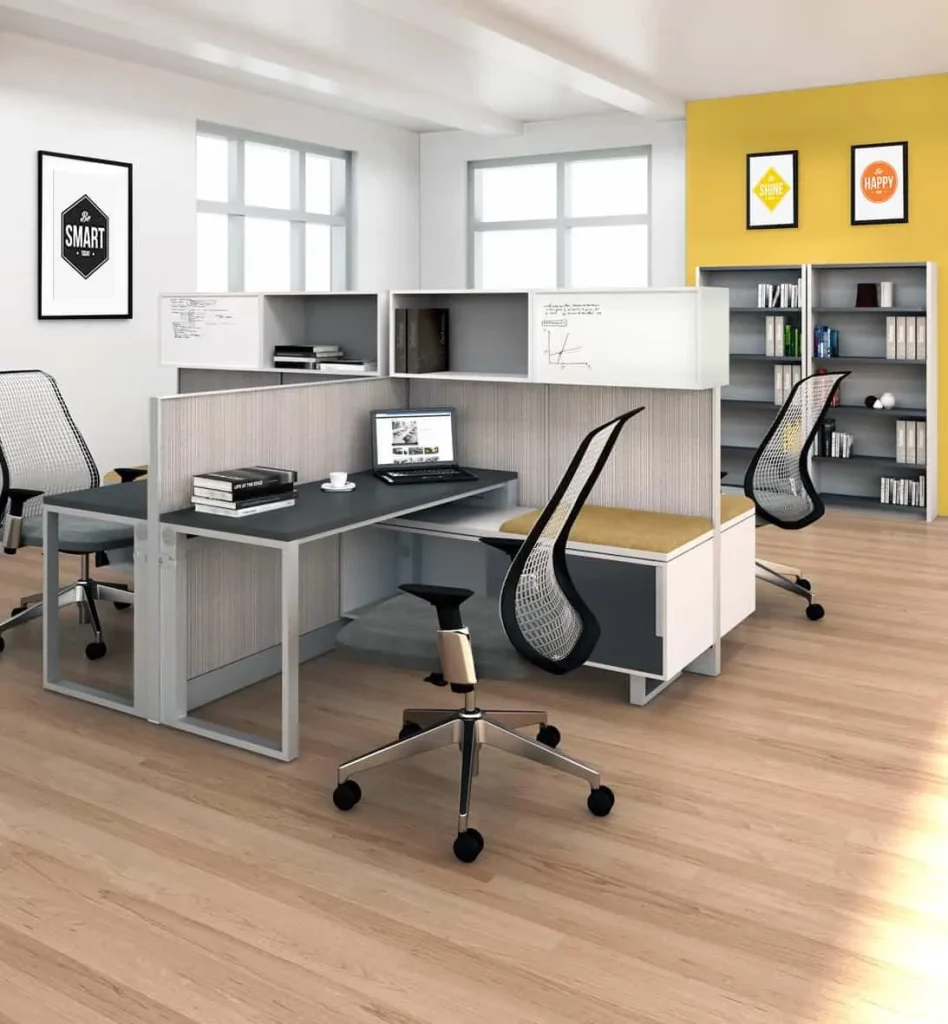
Are you prepared to embark on a journey towards a more streamlined and fulfilling work life? Embracing these minimalist principles could very well be the key to transforming the way you create and collaborate in today’s demanding work landscape.
DISCOVER MORE: Click here to learn effective time management strategies
Creating a Minimalist Mindset
The journey into minimalism within professional life begins with cultivating a mindset that values simplicity and intention. In a world filled with distractions, developing clarity about what truly matters is essential. This clarity allows individuals to prioritize tasks, focus on essential work, and eliminate the superfluous. By practicing mindfulness and setting clear intentions for each workday, professionals can create a roadmap that guides them through their tasks with purpose.
Identify Your Core Values
Your core values serve as the foundation for your professional life and can significantly influence how you allocate your time. Take a moment to reflect on what matters most to you in your work. Is it creativity, collaboration, or perhaps personal growth? Identifying these values can help streamline your tasks, leading to a more fulfilling work experience. As Stephen Covey states in “The 7 Habits of Highly Effective People,” understanding your values is key to effective personal management. Once you’ve pinpointed your values, consider the following strategies:
- Create a prioritized task list: Align your daily tasks with your core values to ensure that you’re engaging in activities that resonate with your professional goals.
- Simplify decision-making: When faced with choices, refer back to your core values as a guide to make more straightforward, value-based decisions.
- Regularly reassess: Your values may evolve, so take time periodically to reassess and adjust your priorities accordingly.
Embrace Technology Wisely
In our tech-driven world, it’s easy to fall into the trap of technology overload. Various apps, tools, and communication platforms are designed to boost productivity, but they can also contribute to heightened stress and distraction. Adopting a minimalist approach to technology involves being selective about the tools you use:
- Limit the tools: Choose a handful of applications that genuinely enhance your productivity rather than sprawling across multiple platforms that create confusion.
- Simplify communication: Streamline your communication channels by selecting the most effective means for correspondence. Whether it’s a dedicated email platform, a project management tool, or instant messaging, focus on tools that serve your work without unnecessary complexity.
By embracing technology mindfully and focusing only on those tools that align with your core values, you can create a more efficient workflow that reflects a minimalist lifestyle. This not only conserves your energy but also protects your attention from the overwhelming flood of notifications and demands present in our professional lives.
Emphasize Quality Over Quantity
Another key tenet of minimalism is to emphasize quality over quantity in your work. In a cozy work environment, where distractions can lure you away from the task at hand, it’s vital to deliver high-quality results rather than spreading yourself thin across numerous projects. Deep work techniques encourage intensive focus on a single task at a time, fostering greater creativity and effectiveness. According to Cal Newport, the author of “Deep Work,” cultivating the ability to focus without distraction is a skill that can significantly enhance your output.
As you adopt these minimalist strategies in your professional life, remember that the goal is to create a work environment that promotes productivity and comfort without the chaotic influence of excess. It’s a journey toward a more meaningful and rewarding way of working, positioning you to thrive in this fast-paced world.
Adopting Minimalism in Professional Settings
Minimalism in professional life is not just about decluttering physical spaces; it encompasses a holistic approach to time management and productivity. By creating a cozy work environment, employees can significantly enhance their focus and efficiency. This strategy encourages the elimination of distractions, allowing individuals to dedicate their time to essential tasks. Implementing minimalism means consciously selecting which tools and methods truly contribute to one’s goals, eliminating the unnecessary noise that can cloud judgment.
The Impact of a Cozy Work Environment
A cozy work environment, characterized by comfortable furniture, natural lighting, and personal touches, fosters a sense of well-being. Research indicates that such settings can lead to higher motivation and job satisfaction. When employees feel at ease, they are more likely to tackle tasks with enthusiasm and creativity. This atmosphere not only reduces stress but also promotes better decision-making processes. Furthermore, a simplified workspace can streamline communication and collaboration among team members, facilitating a shared understanding of priorities.
Strategies for Effective Time Management
Integrating minimalism into daily tasks involves strategic planning. One effective method is the Time Blocking Technique, where work is segmented into dedicated periods for specific tasks. This approach minimizes task-switching, enabling deeper concentration. Another strategy is the Pomodoro Technique, which encourages focused work sessions followed by short, rejuvenating breaks. These techniques, combined with a minimalist mindset, can lead to profound improvements in productivity and overall job performance.
Benefits of Minimalist Practices
As professionals embrace minimalism, they often find that their time is managed more effectively. Less clutter in both physical and mental spaces translates into greater clarity in priorities and goals. Furthermore, this approach nurtures a culture of mindfulness, helping individuals recognize how they spend their time and energy. By focusing only on what truly matters, professionals can achieve a higher degree of satisfaction in their work while maintaining a healthy work-life balance.
| Category | Advantages |
|---|---|
| Workspace Organization | Fosters focus and reduces distractions |
| Time Management | Increases productivity through structured methods |
Embracing minimalism in professional life offers a pathway to enhanced productivity and satisfaction. By prioritizing space and time management, individuals can cultivate a fulfilling work experience that aligns with their personal and professional goals.
DISCOVER MORE: Click here to enhance your productivity
Designing a Cozy and Minimal Space
Creating an environment that fosters productivity and creativity is integral to embracing minimalism in professional life. A cozy workspace can not only enhance comfort but also improve focus, allowing you to concentrate on your tasks without the distractions that come from clutter. The aim is to design a space that reflects your core values while promoting efficiency. Here are several strategies to optimize your workspace:
Declutter for Clarity
One of the fundamental principles of minimalism is to declutter your surroundings. A tidy workspace translates to a clearer mind, reducing stress and promoting a sense of control. Begin by evaluating your workspace and removing items that do not serve a specific purpose or hold personal significance. Consider utilizing the following methods:
- Adopt the ‘one-in, one-out’ rule: When you acquire a new item for your workspace, remove an existing one to maintain balance.
- Utilize smart storage solutions: Opt for organizational tools that complement your minimalist approach, such as baskets or shelves that keep items neatly tucked away yet easily accessible.
- Implement digital decluttering: Organize your digital files, unsubscribe from excessive email lists, and eliminate unnecessary applications that create digital noise.
By decluttering, you create a serene atmosphere that invites productivity and encourages a deliberate focus on your tasks at hand.
Incorporate Natural Elements
Another effective strategy for designing a cozy work environment is incorporating natural elements into your workspace. Studies have shown that access to nature can enhance well-being and boost productivity. Consider adding:
- Plants: Introducing greenery not only beautifies your workspace but also improves air quality and fosters a sense of calm. Succulents or low-maintenance plants such as pothos are excellent choices for busy professionals.
- Natural lighting: Whenever possible, position your workspace to maximize exposure to natural light. Open blinds or curtains to let daylight in, or consider using light therapy lamps during darker months.
- Natural materials: Choose furniture and décor made from natural materials such as wood, cork, or stone, which can create a soothing environment that aligns with minimalist principles.
Integrate Mindful Breaks
A minimalist professional life is not solely about quantity of output; it also values the importance of well-being. Integrating mindful breaks into your work routine can help to recharge your mind and body, making you more efficient when focus is needed. Research indicates that short breaks can enhance productivity and creativity. Here are effective strategies for incorporating breaks:
- Set a timer: Use techniques such as the Pomodoro Technique, where you work for 25 minutes uninterrupted followed by a 5-minute break. This structure reinforces concentration and offers brief moments to recharge.
- Engage in physical movement: Use your break time to stretch, go for a walk, or do a few quick exercises to invigorate your body and mind.
- Practice mindfulness or meditation: Consider taking a few minutes to practice mindfulness or meditation during your breaks to calm your mind and enhance focus.
Ultimately, strategic use of breaks can complement your minimalist goals by preventing burnout and maintaining a sustainable work pace.
By designing your work environment thoughtfully and implementing these tactical strategies, you can create a conducive, cozy workspace that embodies the principles of minimalism. This approach not only supports your productivity but also nurtures your well-being, fostering a healthier relationship with your professional life.
DISCOVER MORE: Click here for helpful decluttering tips
Conclusion: Embracing Minimalism for a Productive Future
In today’s fast-paced professional landscape, adopting a minimalist approach can be a game changer for both productivity and well-being. By designing cozy work environments, prioritizing essential tasks, and implementing strategies like decluttering, utilizing natural elements, and integrating mindful breaks, professionals can create spaces that not only inspire creativity but also promote balance in their work lives. This harmonious setup allows individuals to concentrate on their core values, reducing mental clutter while improving focus and efficiency.
As you navigate the demands of your career, consider the profound impact a minimalist workspace can have on your overall performance. The benefits of a streamlined environment extend beyond mere aesthetics; they foster a mindset of clarity and intention. By making thoughtful choices about the physical and digital items you allow into your work life, you are not just managing time better but also cultivating a more sustainable way of working.
Ultimately, the pursuit of minimalism in your professional life isn’t just about less; it’s about creating greater meaning and fulfillment. Explore the potential of a cozy and minimal workspace, and discover how this mindful approach can facilitate a more focused, efficient, and rewarding work experience. Embrace minimalism, and pave the way for a future where productivity and tranquility coexist seamlessly.