Reducing Clutter in Family Life: Tips for Organizing the Home with Children
Strategies for Creating an Organized Home Environment
In the relentless whirlwind of modern life, maintaining an organized home can seem like a formidable challenge, especially for families navigating the demands of children’s activities and their ever-increasing belongings. The accumulation of toys, clothes, and other necessities not only contributes to physical clutter but also fosters mental chaos, which can elevate stress levels for parents as well as children. Therefore, finding effective methods for managing this clutter is crucial for nurturing a serene and productive home atmosphere.
As children are naturally prolific gatherers of items, implementing robust organizing strategies becomes vital. Here are several practical tips:
- Involve the Kids: Engaging children in the cleaning and organizing process not only lightens the load for parents but also instills essential life skills in young ones. Teach them the value of tidiness by making it a fun family activity—perhaps turn sorting toys into a scavenger hunt or a competitive game to see who can identify which items to keep, donate, or discard. Articles from sources like Real Simple underscore the long-term benefits of teaching children to manage their possessions, cultivating responsibility and autonomy.
- Designate Play Zones: Creating specific areas in the home dedicated to play can help contain messes and maintain order. For instance, a playroom or a corner in the living room with designated bins for different types of toys can provide children with clear expectations about where their playthings belong. Using colorful labels or pictures can assist younger kids in understanding where to store items, making tidying up feel less like a chore and more like a manageable task.
- Regular Decluttering: Establishing a consistent schedule for decluttering helps keep mess at bay. Parents might consider setting aside a day each month to go through common areas—closets, toy bins, and play areas—to assess which items are still loved and used. This cycle of evaluating possessions can teach kids about decision-making processes, boosting their critical thinking as they determine which toys still spark joy or which might be better suited for donation to those in need.
Incorporating these techniques not only aids in minimizing clutter but also fosters an environment where children can learn the importance of responsibility and organization. A decluttered space can dramatically enhance family life, allowing everyone to focus on what truly matters—building and cherishing lasting memories together.
Further Insights on Reducing Clutter
As we delve deeper into methods for reducing clutter in family life, you will uncover practical steps that can be readily implemented in your home. With these strategies, you’ll find ways to transform your living space into a tranquil haven, empowering each family member to contribute to a well-organized and serene household. Stay attuned for more insights that may redefine your approach to household management, creating a refuge where family connections can flourish amidst the demands of daily life.
DISCOVER MORE: Click here to learn how minimalism can enhance your daily efficiency
Establishing Structured Routines for Clutter Management
One of the most effective ways to tackle the chaos of clutter in family life is by establishing structured routines. When children get into the habit of tidying up regularly, it becomes less of a daunting task and more of a natural part of their daily activities. Consider instituting a clean-up time as part of your family’s routine—perhaps after meals or before bedtime. Set aside just 10 to 15 minutes daily, where everyone contributes to restoring order in shared spaces. This approach can significantly handle the volume of mess that accumulates throughout the day.
In addition to clean-up times, creating specific chore lists can further empower children to take ownership of their environment. By assigning age-appropriate tasks, you not only relieve some of the organizational burdens from yourself but also provide children with a sense of accomplishment. Here are several actionable items you can include in chore lists:
- Tidying up personal spaces: Encourage each child to sort through their clothes and toys every week, putting things back where they belong.
- Involving teamwork: Have siblings work together to tackle messes, like organizing a shared play area or cleaning up after a craft project. This fosters communication and collaboration.
- Managing laundry: Teach children to sort their clothes into appropriate baskets (lights, darks, delicates), creating a shared responsibility that lightens household duties.
Another beneficial practice is embedding organizational cues within routines. For example, when leaving the house, encourage the kids to do a quick “final check” of their area to ensure everything is in its designated place. Not only do these cues help instill habits, but they also reinforce the understanding that maintaining an organized space is key to the family dynamic.
Utilizing Storage Solutions that Appeal to Children
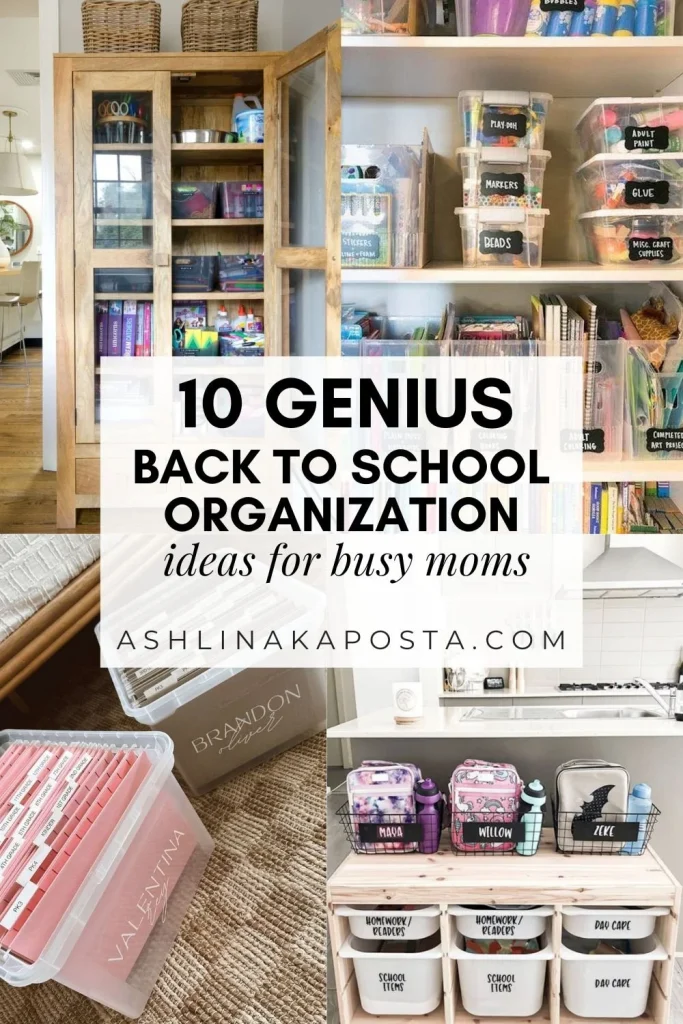
In the quest for reducing clutter in family life, effective storage solutions can make a world of difference, especially when they are tailored to children’s preferences. Research indicates that the visual appeal of organizational tools can significantly increase children’s willingness to engage in tidying up. Using brightly colored bins or themed storage options (think superheroes or princesses) can transform mere containers into exciting elements of a child’s play environment.
Moreover, establishing a clear categorization system for toys and other items can facilitate tidier living spaces. Invest in labeled bins and baskets, ensuring that each type of toy—such as building blocks, art supplies, or stuffed animals—has a designated place. Visibly grouping items not only aids children in understanding where things belong but also helps them to develop sorting skills and a sense of responsibility over time.
Such strategies comply with the overarching goal of fostering an organized home environment. A commitment to structuring the day and environment around organization helps to significantly minimize clutter while encouraging children to appreciate the value of tidiness.
| Category | Description |
|---|---|
| Establishing Daily Routines | Creating a schedule helps children know what to expect each day, minimizing chaos. |
| Encouraging Responsibility | Assign tasks based on age, fostering a sense of ownership and contribution to home organization. |
| Creative Storage Solutions | Utilize multi-functional furniture and labeled bins to make clean-up easy and accessible. |
| Regular Decluttering Sessions | Set aside time monthly to sort through toys and clothes, teaching kids the value of keeping only what they use and love. |
| Family Clean-Up Days | Designate a day each week for everyone to clean together, making it a fun and bonding activity. |
| Visual Organization Tools | Charts and checklists can act as visual reminders for kids to stay on task. |
Incorporating these strategies fosters an environment where children can thrive and learn the importance of a tidy living space. Regularly introducing new organizational methodologies not only streamlines the home but also builds essential skills in children, paving the way for less clutter and a more harmonious family life. Designing interactive cleaning routines enhances engagement, ensuring that home organization does not become a tedious chore but rather a collaborative family effort. By embedding these practices into daily life, we set the foundation for a more organized household, leading to a less stressful and more enjoyable family environment.
DIVE DEEPER: Click here for optimization tips
Incorporating Clutter Control into Daily Activities
Another key aspect of managing clutter in family life is to weave organizational habits into everyday activities. Instead of treating organization as a separate chore, consider how routine tasks can also serve the purpose of keeping clutter at bay. Cooking, for example, presents a great opportunity for children to learn about order and cleanliness. Involving them in meal preparation not only teaches them valuable life skills but also encourages them to clean up as they go along. This can include tidying the kitchen counter, putting away spices after using them, and cleaning up spills immediately.
Similar principles can apply to homework time. Designating a specific workspace for studying can minimize chaos and create a focus on task completion. Equipping this area with storage solutions such as pencil cases filled with supplies or containers for paper can keep materials organized. Teach children to put things back in place after using them; this simple practice can reduce clutter significantly and promote a sense of ownership over their study environment.
Making Decluttering a Fun Family Activity
Turning decluttering into a fun and engaging family activity can change children’s perception of organizing their space. Instead of approaching it as a chore, infuse creativity into the process. Set up a regular “declutter day” where the entire family participates. This could be structured as a game, where each member has a certain amount of time to fill a box with items they no longer use or need. Offer small rewards for those who manage to declutter the most items, adding a playful competition aspect.
Another engaging method is to create a “treasure chest” for cherished items. When going through their belongings, encourage children to choose their favorite toys or keepsakes to keep in the chest while letting go of duplicates or unused items. This reinforces the importance of valuing meaningful items, making it easier for kids to part with the rest.
Regularly scheduled family discussions about clutter can also yield beneficial insights. Consider setting a monthly “clutter review” meeting, where everyone can voice their thoughts about areas that feel overwhelming and propose solutions together. Such discussions foster teamwork and empower children to contribute to the home’s organization actively.
Streamlining Toys and Games
Toys and games can be the biggest contributors to household clutter, but with a few mindful strategies, this can be easily managed. One effective way to contain toy chaos is to adopt a one-in-one-out policy. Whenever a new toy enters the home, another should be donated or discarded. This not only helps manage clutter but also teaches children about generosity and making room for what’s truly meaningful to them.
Additionally, embrace seasonal decluttering. At the start of each season, conduct a toy audit where children can evaluate what they play with the most. This practice helps in distinguishing between temporary interests and lasting favorites. Utilize this opportunity for a skill-building session where kids learn to categorize their toys and decide what to keep, donate, or recycle.
By integrating clutter management into daily routines and transforming organization into an engaging activity, families can effectively reduce mess while teaching children lifelong skills of responsible ownership and appreciation for their belongings.
DISCOVER MORE: Click here to delve deeper
Conclusion
Reducing clutter in family life is not merely a matter of tidying up; it’s an opportunity to instill valuable lessons in organization, ownership, and responsibility in children. As we have explored, incorporating regular clutter management into everyday activities transforms organization from a chore into a lifestyle. By actively involving children in tasks like meal preparation or homework completion, families foster an environment where cleanliness becomes second nature.
Moreover, making decluttering a fun family affair not only engages children but also strengthens family bonds. Turning clutter control into a game or setting aside specific times for family discussions about organization encourages teamwork and empowers children to take charge of their environment. Understanding the importance of the one-in-one-out policy and seasonal toy audits allows children to align their emotional attachments with practical decision-making, teaching them to value what truly matters.
Ultimately, the journey toward a clutter-free home is an ongoing process that can yield lifelong benefits. Families who adopt these strategies will not only enjoy a more organized living space but will also equip their children with essential skills that will serve them well throughout their lives. As you embark on this clutter-reducing adventure, remember that the key is consistency and a positive attitude. Small, consistent efforts can lead to significant changes, creating a peaceful, organized home where everyone thrives.