The Reduction of Clutter in Life Transitions: How to Get Organized During Changes and New Beginnings
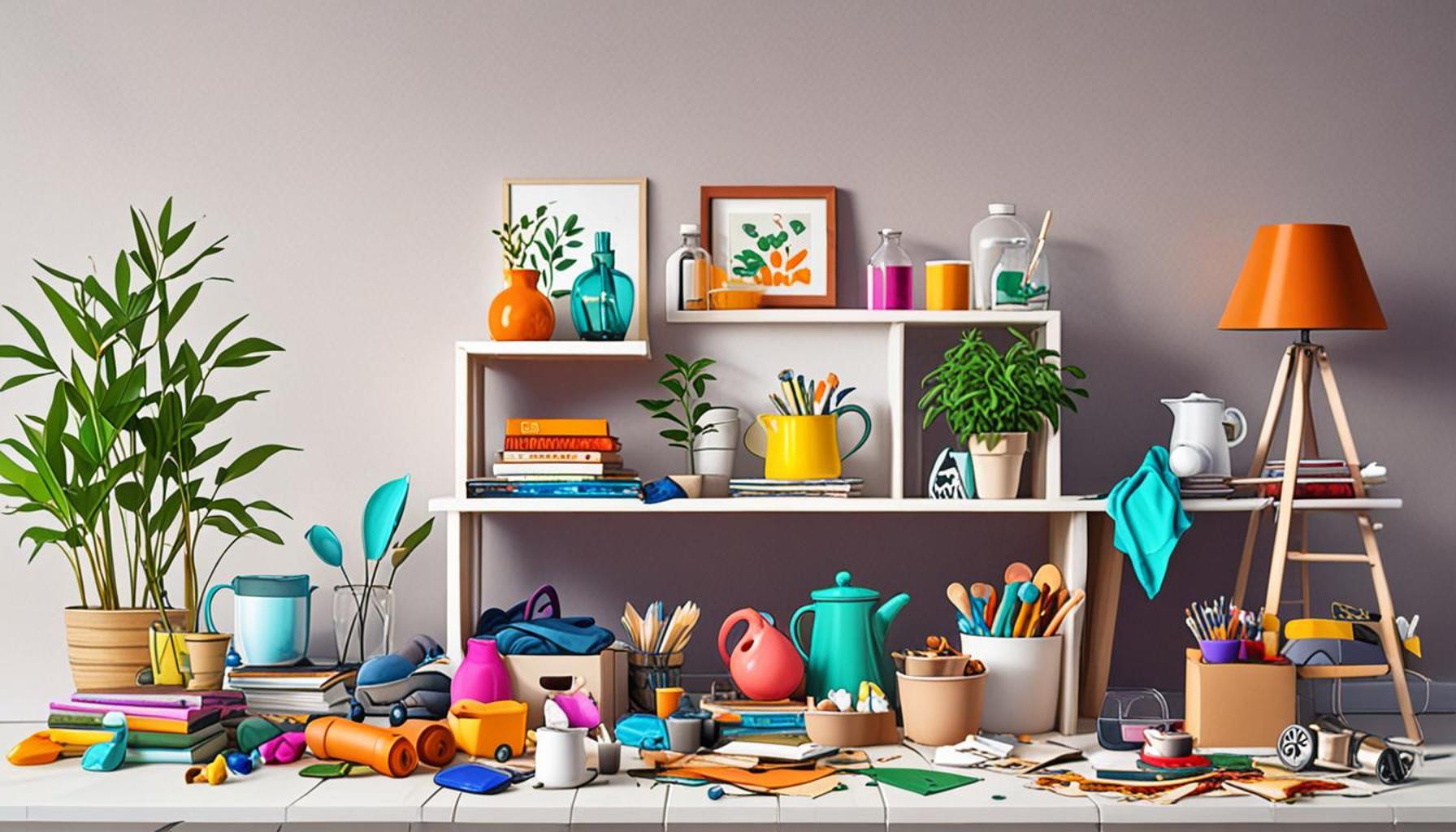
The Power of Decluttering During Life Transitions
Life transitions, whether they signify an exciting new chapter or pose significant challenges, often bring a surge of uncertainty and change. Events like relocating to a different city, embarking on a new career, or even welcoming a new family member can introduce a whirlwind of emotions and responsibilities. Yet, amidst this chaos lies a valuable opportunity to reduce clutter and transform your living space into a sanctuary for growth and positivity.
- Decluttering during significant life events can significantly enhance mental clarity and alleviate stress. Studies have shown that a tidy environment can lead to improved focus and reduced anxiety levels, allowing individuals to navigate these transitions with greater ease.
- Moreover, this process encourages you to reassess what you genuinely value in your life. As you sift through your possessions, you may discover items that no longer resonate with your current identity or aspirations.
- A streamlined space can act as a clean slate, inviting fresh beginnings and fostering an environment that supports your evolving goals and dreams.
Organizing your surroundings is more than just straightforward cleaning; it’s an act of making intentional choices about what to keep and what to release. As you confront a transition, here are several practical steps to consider:
- Identify items associated with the past that may impede your momentum. For instance, consider whether a souvenir from a relationship that has ended is helping you or holding you back.
- Establish a plan for categorizing and sorting belongings. This might involve setting aside specific days for decluttering each room or using tools such as sorting boxes to organize items into categories: keep, donate, or discard.
- Incorporate practical decluttering techniques such as the “One-Year Rule,” which suggests letting go of items that haven’t been used in the past year. This can help in creating a more inviting, functional space that encourages new experiences.
By recognizing the profound connection between your physical space and mental well-being, you can navigate life transitions with newfound confidence and composure. It is essential to understand that organization during life changes not only brings clarity but also opens the door to increased productivity and serenity. As you embark on this transformative journey of decluttering, prepare to uncover strategies that empower you to embrace change with clarity and purpose, leading you to a life that thrives amidst uncertainty.
DISCOVER MORE: Click here for minimalist organization tips
Strategies for Effective Decluttering During Life Changes
As we navigate through various life transitions, the act of decluttering becomes an essential tool to regain control and clarity. Whether you’re moving into a new home, transitioning to a different job, or experiencing shifts in personal relationships, the space around you significantly impacts your mental and emotional state. The process of reducing clutter can lead to a greater sense of calm, allowing you to concentrate on the opportunities that lie ahead.

To effectively tackle clutter during these pivotal moments, it is essential to implement focused strategies that align with your unique circumstances. Here are some steps that can guide you through the decluttering process:
- Set Clear Objectives: Before diving into the task, define what you wish to achieve. Perhaps your goal is to create a serene home office setup for a new remote work position or to declutter your living space to welcome a growing family. Having specific targets can keep you motivated.
- Time Management: Carve out dedicated time in your schedule for decluttering sessions. Rather than trying to tackle everything at once, approach it in manageable increments. This could mean dedicating 20 minutes a day or several hours on the weekend to sort through each room systematically.
- Utilize a Sorting System: As you sift through your belongings, categorize them effectively. Use labels or boxes to distinguish items into four categories: keep, donate, sell, and discard. This approach can help clarify your decisions and streamline the process.
- Involve Family and Friends: If your life transition affects others in your household, consider involving them in the decluttering process. This not only makes the task more manageable but can also lead to shared discussions about what is most important for everyone involved.
Additionally, it’s worth considering the emotional implications of your belongings. Items that once held significant meaning may now evoke memories that impede your progress. As you go through your possessions, challenge yourself to reflect on how each item aligns with your current life and future ambitions. For instance, an old uniform or trophy could be a reminder of past accomplishments, yet it may also serve as a hindrance to embracing your new reality.
Many people find that visualization techniques can provide support during the decluttering phase. Picture your decluttered space and the new opportunities it will accommodate. This mental image can serve as a powerful motivator to continue pushing through the challenges of letting go.
As you embark on this transformative journey of clutter reduction, remember that each decision holds the potential to create a more harmonious environment. A clean and organized space is a fundamental step towards embracing new beginnings with confidence and optimism.
The Importance of Emotional Clarity in Transitions
During significant life transitions, whether it’s moving to a new home, starting a new job, or experiencing a major life change, emotional clarity plays a pivotal role. When clutter accumulates, it often serves as a visual manifestation of internal chaos. Thus, reducing physical clutter is not only beneficial for practical reasons but also for emotional wellbeing. Research indicates that a clutter-free environment can enhance focus and productivity, allowing individuals to navigate changes with greater ease.
Steps to Achieve Emotional and Physical Clarity
The journey towards organization and clarity begins with deliberate actions. Start by assessing your emotional attachments to items within your space. Here are some practical steps to guide you:
- Identify Essential Items: Focus on belongings that hold genuine value in your life, both practically and sentimentally.
- Declutter with Purpose: Set aside time to declutter intentionally. Create categories such as “keep”, “donate”, and “discard” to streamline the process.
- Mindfulness Practices: Incorporate mindfulness practices, such as meditation, into your routine. This can foster a sense of calm and clarity, making it easier to let go of unnecessary items.
- Seek Support: Engage friends or professionals who can provide assistance and an objective viewpoint to help you in your organizing journey.
Building New Habits for Organization
Incorporating habits that promote organization can significantly reduce the likelihood of clutter reaccumulating. Maintaining an organized space is an ongoing process, and establishing daily routines can be one of the most effective strategies.
- Daily Clean-Up: Spend a few minutes each day tidying your space to prevent clutter from building up again.
- Organizational Tools: Invest in storage solutions like bins, baskets, and shelves to keep items sorted and easy to find.
- Regular Reflection: Periodically assess your belongings and organization methods to find what works best for your current situation.
By embracing these strategies, individuals can not only reduce physical clutter but also foster emotional resilience during times of change. The act of organization transcends mere tidiness; it opens the door to new beginnings filled with potential and clarity.
DISCOVER MORE: Click here to dive deeper
Embracing Minimalism in Life Transitions
Incorporating a minimalist lifestyle into your daily routine can significantly enhance your ability to stay organized and reduce clutter, especially during times of change. Minimalism isn’t just about the number of items you own; it embodies a mindset that champions intentional living. As you transition into a new phase of life, consider the following aspects to further streamline your environment:
- Adopt the “One In, One Out” Rule: For every new item acquired, aim to remove one that you no longer use or need. This simple yet effective strategy helps maintain balance, ensuring your belongings do not multiply faster than your organizational efforts. It also encourages mindfulness about what you choose to bring into your life, aligning with your goals and the reasons behind your transition.
- Digital Decluttering: In our increasingly digital world, clutter is not limited to physical belongings. Take time to organize your digital life. Unsubscribe from newsletters, delete unused apps, and organize files on your computer. A cleaned-up digital workspace can markedly improve productivity as you adapt to new roles or responsibilities.
- Practice the 30-Day Minimalism Game: This game involves decluttering one item on the first day, two items on the second day, and so forth for thirty days. By the end of the month, you will have rid yourself of 465 items. Not only does this technique make the process enjoyable, but it also encourages a gradual and manageable approach, which is vital during life transitions.
- Reevaluate Storage Solutions: Upgrading your storage can make a significant difference in how clutter accumulates. Invest in organizational tools such as shelves, baskets, or drawer dividers that cater to your new lifestyle. For instance, if you’ve transitioned to working from home, creating a designated work zone can help delineate your personal and professional life, reducing clutter and distractions.
Moreover, embracing the concept of temporary housing solutions can ease transitions as well. If you are moving and experiencing a gap between homes, consider using storage units to minimize the stress of immediate decisions about your belongings. This allows you to live in the present while pondering the future of your items without the pressure of making quick choices.
To enhance your decluttering journey, leverage technology through dedicated apps designed to assist with organization and inventory management. Applications such as TradeMe or Letgo simplify selling unused possessions, while others like Todoist or Evernote help you maintain task lists or ideas as you navigate through changes.
Finally, remind yourself to prioritize self-care throughout this process. Decluttering, while beneficial, can also evoke a range of emotions tied to memories and experiences. Don’t hesitate to seek support from friends or professionals, especially if the task feels overwhelming. Engaging in mindful practices, such as journaling, meditation, or even simple breathing exercises, can keep you grounded during this transformative time.
Overall, the conscious effort to simplify your surroundings aligns seamlessly with your pursuit of a new beginning. By integrating these minimalist principles, you can foster a nurturing environment that not only reflects your current phase of life but also opens doors for new opportunities.
DISCOVER MORE: Click here to learn how saying no can enhance your productivity
Conclusion: Navigating Life Transitions with Clarity
In times of change and new beginnings, the journey toward reducing clutter and achieving organization is not merely a physical endeavor; it is a holistic approach that influences our mental and emotional well-being. As we’ve explored, embracing strategies such as minimalism, the “One In, One Out” rule, and digital decluttering can transform our environments and ultimately improve our productivity and peace of mind.
Moreover, the act of letting go—whether it be of physical possessions or mental clutter—fosters a sense of freedom, allowing us to focus on what truly matters during transitions. By adopting methods like the 30-Day Minimalism Game or reevaluating our storage solutions, we empower ourselves to create spaces that reflect our aspirations and support our new roles. It is essential to remember the importance of self-care throughout this process; seeking support and practicing mindfulness can mitigate stress and enhance our clarity as we navigate the uncertainties of life changes.
As you embark on your own journey of organization and simplification, keep in mind that every small step you take contributes to a more manageable and fulfilling lifestyle. Embrace this opportunity for growth and renewal, and allow your newly organized space to inspire a fresh perspective filled with possibilities. In the end, the reduction of clutter is not just about what we leave behind, but rather about making room for our bright futures and the opportunities that lie ahead.