Reducing Clutter and the Importance of Personal Space: Creating a Sanctuary at Home
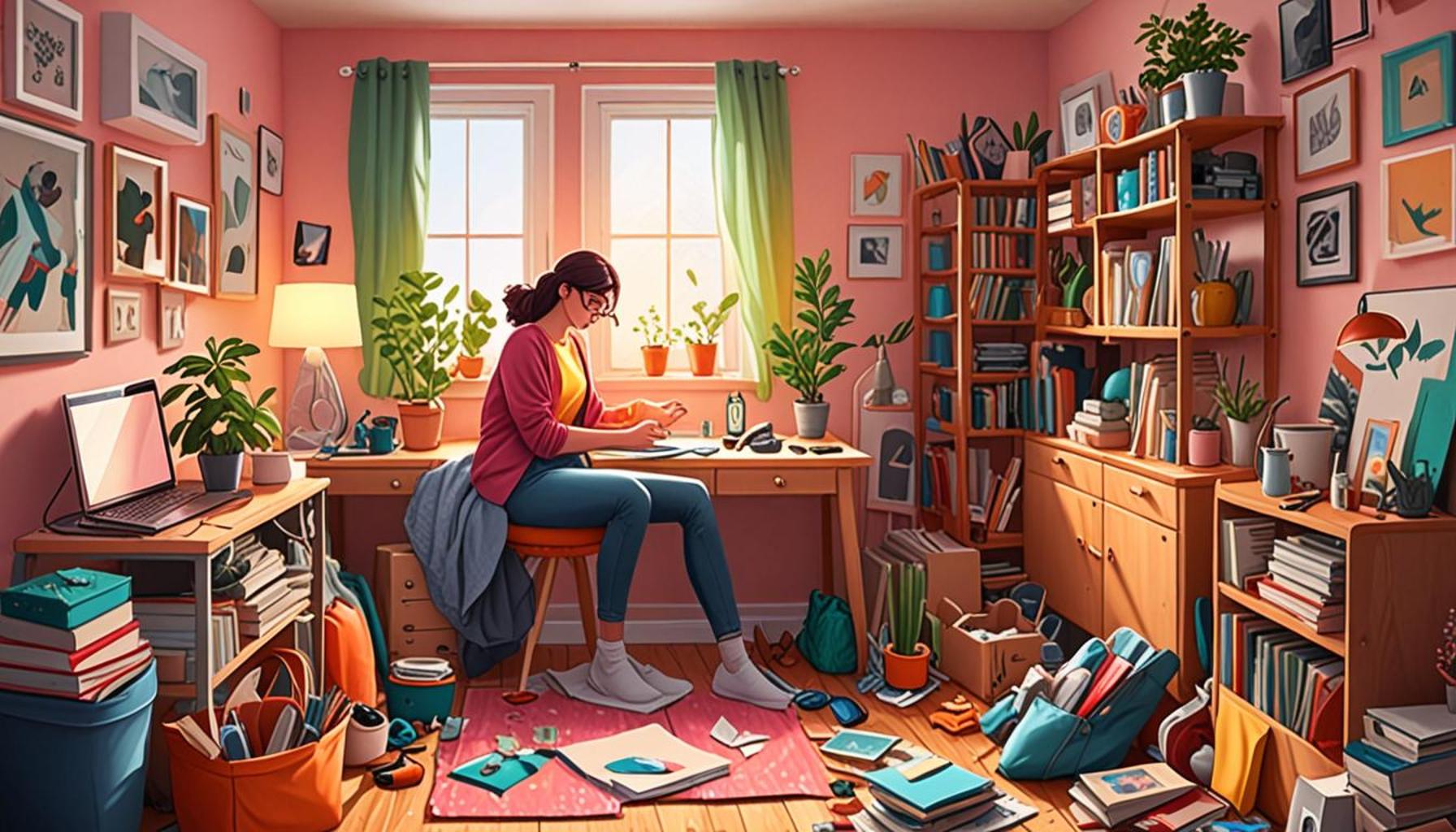
Understanding the Need for Clutter Reduction
In our hectic lives, the spaces we inhabit carry a profound influence on our mental and emotional wellness. Research has shown that chaotic environments can lead to heightened levels of stress and anxiety, making it essential to embrace the practice of reducing clutter. Imagine walking into a room filled with excessive items; the overwhelming sight can cloud your thoughts and diminish your ability to focus. Conversely, a serene and organized area fosters a sense of calm and order, allowing for a more peaceful mindset.
The Stress-Reducing Power of Tidy Spaces
One of the most compelling benefits of maintaining a clutter-free home is the ability to significantly reduce stress. Studies suggest that when our surroundings are neat and orderly, cortisol levels—the hormone associated with stress—tend to decrease. This creates a tranquil atmosphere that promotes relaxation. For instance, a minimalist bedroom decorated with soothing colors can help facilitate better sleep, while an organized workspace can enhance your concentration and productivity throughout the day.
Greater Focus and Mental Clarity
Many individuals fail to realize how enhanced focus is directly linked to decluttering. Less visual chaos leads to fewer distractions, thereby improving attention to tasks at hand. When we streamline our environments, there is less to divert our gaze and thoughts. For example, a clean kitchen countertop allows one to focus solely on preparing meals without the weight of miscellaneous items pulling attention away. This clarity can be transformative, especially for those working from home or juggling multiple responsibilities.
The Path to Increased Productivity
Along with reduced stress and improved focus, a clutter-free environment promotes increased productivity. An organized home facilitates better time management and efficiency, as everything is in its designated spot and readily accessible. Consider the common scenario of searching for a misplaced item; this can be not only frustrating but also time-consuming. By establishing a system where every item has its place, individuals can save precious time and become more effective in their endeavors.
Creating Your Personal Sanctuary
Embarking on the journey to create a personal sanctuary requires intentionality and awareness. Key elements to focus on include:

- Decluttering: By regularly assessing your belongings, you can identify items that no longer serve your needs or bring you joy. A useful practice is to apply the “one in, one out” rule, ensuring that for every new item brought into your home, an old item is removed.
- Functional Layout: The arrangement of furniture plays a significant role in the comfort of your space. Consider the flow of movement and how each piece enhances accessibility, making sure to create cozy nooks for relaxation.
- Personal Touches: Infuse your space with items that resonate with you personally. Whether it’s family photographs, artwork that inspires you, or plants that bring life to your surroundings, incorporating these elements can foster a deeper connection to your home.
Ultimately, as you invest time in reducing clutter and recognizing the importance of personal space, you cultivate an environment that can improve your mental health and emotional wellbeing. This transformative process of creating an organized, personalized space allows you not just to organize your physical surroundings but to nurture what can become an emotional sanctuary, promoting greater happiness and fulfillment in your life.
DISCOVER MORE: Click here to dive deeper
The Importance of Personal Space in Our Lives
In a world where we constantly juggle responsibilities—from demanding work schedules to social commitments—the significance of personal space has never been more pertinent. This sanctuary within our homes provides a retreat from the noise and chaos of daily life, allowing individuals to recharge and reconnect with themselves. A well-defined personal space, free from clutter, can be the key to achieving emotional balance and mental clarity.
How Clutter Disrupts Personal Space
Clutter is not merely an eyesore; it can act as a barrier to the tranquility that personal space has to offer. When our homes are filled with unnecessary items, the resulting disarray can lead to feelings of overwhelm and anxiety. It is an established fact that a cluttered environment can not only disrupt our focus but also hinder our ability to engage in meaningful activities. In recognizing this, prioritizing a clutter-free living space becomes an essential element of enhancing personal well-being.
Strategies for Redefining Personal Space
To reclaim your personal sanctuary, consider implementing the following strategies that promote both reducing clutter and enhancing overall comfort in your home:
- Set Boundaries: Designate specific areas in your home for relaxation, work, and entertainment. By clearly defining these zones, you help prevent the clutter from intermingling with your personal time.
- Regular Decluttering Sessions: Schedule periodic check-ins to assess the organization of your space. This could involve going through clothing, books, or decorative items to determine what you truly need and love. Aim for a seasonal declutter to maintain a fresh environment.
- Mindful Acquisitions: Before bringing new items into your space, ask yourself if they serve a purpose or bring joy. This simple reflection can curb impulse purchases and minimize future clutter.
The Role of Aesthetic Appeal
An often-overlooked aspect of personal space is the impact of aesthetic appeal on our emotional states. A beautifully arranged room with intentional decor can serve as a balm for the soul. Incorporating elements like calming colors, soothing art pieces, or natural elements such as plants can elevate your sanctuary from a mere space to a holistic retreat. Research indicates that environments rich in natural light, clean lines, and minimalistic designs promote feelings of serenity and enhance our emotional well-being.
As you begin reshaping your space into a sanctuary, remember that reducing clutter and emphasizing personal space are not just chores; they are vital activities that nurture both the mind and spirit. A thoughtfully arranged home has the power to serve as a foundation for a happier and more fulfilled life.
Creating a personal sanctuary at home is not just about aesthetics; it significantly impacts mental and emotional well-being. Let’s delve into how reducing clutter serves as a foundation for enhancing personal space and instilling a sense of calm amidst the chaos of daily life.
One of the primary benefits of reducing clutter is the boost in productivity. A tidy space not only minimizes distractions but also facilitates better focus and creativity. When your surroundings are organized, it allows your mind to engage more freely with ongoing tasks, fostering an atmosphere conducive to innovation and efficiency. This is particularly crucial in today’s fast-paced world where demands on our time and attention are at an all-time high.
Moreover, creating a sanctuary begins with distinguishing between what is essential and what is not. By investing time in evaluating possessions, individuals often experience a profound sense of clarity. This practice of discernment encourages intentional living, where each item serves a purpose and contributes positively to one’s environment. For many, this shift results in a profound transformation of their emotional landscape, leading to reduced anxiety and an enhanced sense of well-being.
Additionally, the incorporation of personal preferences in design elements can play a pivotal role in establishing a haven within the home. Optimal lighting, calming colors, and carefully chosen decor can greatly enhance the ambiance, making the space feel more welcoming and personalized. Integrating nature, such as houseplants or natural light, can further promote tranquility, reminding us of the outdoors in our private spheres.
| Advantages | Characteristics |
|---|---|
| Enhanced Focus | A clutter-free environment minimizes distractions and enhances concentration. |
| Increased Calmness | Less clutter can lead to reduced anxiety, promoting a serene home sanctuary. |
As individuals prioritize personal space within their homes, the payoff extends beyond mere aesthetics—it transforms how one interacts with the world. Your sanctuary is an extension of your inner self, and by curating it thoughtfully, you create not just a home, but a space for rejuvenation and growth.
DIVE DEEPER: Click here to uncover more insights
Transforming Your Home into a Sanctuary
As we navigate our daily lives, the home should serve as a refuge—a space where we can retreat and rejuvenate. However, clutter often seeps into our living areas, transforming our sanctuary into a source of stress. Recognizing the importance of personal space is the first step in reclaiming this environment. By embracing a few additional strategies, you can effectively transform your home into a calming oasis.
Embracing Minimalism
Minimalism is more than just a trend; it is a lifestyle choice that can drastically change your personal space. By adopting a minimalist approach, you focus on what truly matters. This philosophy encourages the removal of non-essential items, allowing for greater freedom and less distraction. A recent study highlighted that individuals living in minimalist environments report lower stress levels and greater satisfaction. This can be as simple as reducing furniture to essential pieces, allowing for open spaces that enhance airflow and create a sense of serenity.
The Power of Organization
Effective organization is crucial in reducing clutter and establishing clear boundaries in your personal space. Utilizing storage solutions like baskets, bins, and shelving can help maintain order while providing easy access to everyday items. The KonMari Method, developed by Marie Kondo, emphasizes that each item should ‘spark joy’ to remain in your home. This method combines tidiness with emotional intelligence, leading to a curated personal space that reflects your true self. Moreover, digital organization—clearing out your email inbox or digital files—can further enhance this sense of space in both your physical and virtual life.
Creating Comfort Zones
Personal spaces should not only be clutter-free; they should also be comforting and inviting. Designate specific comfort zones within your home that cater to relaxation and activities that bring you joy. Whether it’s a cozy reading nook by the window or an art corner equipped with supplies, customizing these areas to meet your needs helps you reclaim ownership over your sanctuary. Adding elements such as soft pillows, gentle lighting, and familiar scents can further enhance the ambiance, making each comfort zone a personal escape.
Nature’s Impact on Personal Space
Incorporating elements of nature into your home can dramatically elevate the ambiance of your personal space. Studies regarding biophilic design show that adding natural elements—be it plants, rocks, or water features—can boost mood and cognitive function while reducing stress. Houseplants such as snake plants or peace lilies not only purify the air but also add a touch of tranquility to your space. Creating a view of nature, whether through large windows or by positioning household plants strategically, can result in a more fulfilling personal experience.
Mindfulness and Personal Reflection
Engaging in mindfulness practices within your home can lead to deeper connections with your personal space. Activities like meditation or journaling can help you become more aware of the items in your environment, fostering appreciation and clarity on what you wish to keep or eliminate. Establishing a routine that includes these practices can create a sense of ritual, reinforcing the soothing aspect of your sanctuary.
As you explore these strategies for reducing clutter and enhancing personal space, remember that the journey towards creating a sanctuary is highly personal. Each step you take not only contributes to a cleaner environment but also nurtures a healthier mindset, ultimately leading towards a more balanced life.
DISCOVER MORE: Click here to learn how to declutter for clarity
Reclaiming Your Sanctuary
The journey toward reducing clutter and enhancing personal space is more than a mere task; it is an essential investment in your mental and emotional well-being. As we have explored, transforming your home into a personal sanctuary involves embracing minimalism, prioritizing effective organization, establishing comforting zones, integrating nature, and practicing mindfulness. Each of these strategies serves to elevate your living environment, turning it into a refuge that fosters peace and rejuvenation.
Moreover, consider the lasting impacts of creating such spaces. Scientific research underscores the relationship between our surroundings and our mental health, suggesting that a tidy, well-organized home significantly contributes to reduced anxiety and increased happiness. Therefore, simplifying your environment isn’t just about aesthetics—it’s a powerful act of self-care that promotes clarity in thought and a sense of control over one’s life.
As you embark on this transformative journey, remember that every small step counts. Whether you choose to declutter a single drawer or design a whole room dedicated to relaxation, every act contributes to fostering a sense of sanctuary in your home. Ultimately, your personal space should reflect who you are and support the life you aspire to live. By prioritizing these elements, you can create not just a house, but a true home—a sanctuary that nourishes your spirit and shields you from the chaos of the outside world.