Common Pet Diseases Prevention Tips for a Healthy Companion

Pets bring joy, companionship, and unconditional love into our lives, yet they also face various health challenges. Understanding these challenges is essential for every pet owner who wishes to ensure the well-being of their furry friends. Proper knowledge about common pet diseases can help prevent ailments that affect the quality of life for both pets and their human families.
Here are some significant points to consider regarding pet health:
- Education: Learning about potential diseases can empower owners to take proactive steps.
- Regular Vet Visits: Routine check-ups play a crucial role in early detection and prevention.
- Nutrition: A balanced diet can enhance your pet’s immune system and overall health.
In this article, we will delve into the Top 5 common pet diseases you should be aware of, along with effective prevention strategies. By being informed, you can take the necessary precautions to keep your cherished companions happy and healthy.
Top 5 Common Diseases in Pets and How to Prevent Them
As devoted pet owners, understanding the health challenges faced by our beloved companions is crucial. Pets, much like humans, are susceptible to a range of diseases that can significantly affect their well-being and quality of life. Awareness and prevention are key in ensuring that these companions stay healthy and happy companions. In this article, we delve into the top five common diseases affecting pets, from the relatively mild to the more severe, providing insights and prevention strategies that can help your pets thrive.
5. Ear Infections
Ear infections are a frequent affliction in pets, particularly dogs with floppy ears, such as Cocker Spaniels or Basset Hounds. These infections typically arise when moisture, wax, or debris accumulates and leads to microbial invasion. Indicators of an ear infection can include scratching, head shaking, or a potent odor emanating from the ears.
Without timely intervention, ear infections can cause severe discomfort and potential hearing loss. Here’s how you can take preventive steps:
- Regular Cleaning: Utilize veterinarian-recommended solutions to clean your pet’s ears regularly. This practice helps prevent dirt buildup and potentially harmful bacterial growth.
- Dry Ears: Ensure that your pet’s ears are thoroughly dried after water exposure, like swimming or bathing, as moisture can encourage infections.
- Vet Check-ups: Regular appointments with your vet can catch infections in their early stages, allowing for simple and effective treatments.
Understanding that certain breeds are more predisposed to ear infections can be a game changer in preventive care. Breeders and owners of susceptible breeds often have anecdotal strategies that could be considered in your routine care.
4. Obesity
Obesity remains a growing health challenge not just for humans but increasingly for pets, affecting both dogs and cats. Besides well-known risks such as diabetes and joint complications, obesity can also shorten your pet’s lifespan. The causes are multifaceted, often a mix of overfeeding and insufficient exercise.
Prevention is straightforward, although it requires commitment:
- Balanced Diet: Consider your pet’s age, breed, and activity level when selecting their diet. Protein-packed foods, alongside vegetables, often help in maintaining a healthy weight.
- Regular Exercise: Engage in daily activities that promote movement, whether it’s a leisurely walk around the block or interactive play with toys.
- Portion Control: Be mindful not only of the quantity of food but also of treats. Healthy snacks like carrots can be a lower-calorie alternative.
It’s fascinating to note that some studies suggest that pets can mirror the lifestyle habits of their owners, underscoring the importance of an active life for both parties. Moreover, pet obesity campaigns led by reputable animal welfare organizations offer resources and support for owners aiming to manage their pet’s weight.
3. Dental Disease
Often overlooked, dental disease in pets is more serious than many realize. Dental diseases, including gingivitis and advanced periodontal disease, can lead to infections that may spread to vital organs like the heart, liver, and kidneys due to bacteria entering the bloodstream.
Taking preventative actions is crucial:
- Regular Dental Checks: Routine vet visits should include dental check-ups to identify any early signs of dental issues.
- Home Care: Brushing your pet’s teeth regularly with a pet-safe toothbrush and toothpaste can prevent plaque and tartar. Introducing pet dental chews can supplement at-home care.
- Dental Diet: Specially formulated diets exist to help reduce plaque. These can be an excellent addition to your pet’s health regime when recommended by a vet.
Interestingly, some breeds, particularly small dogs, are more prone to dental problems due to the overcrowding of teeth in their smaller mouths. Breed-specific advice and dental care routines have been shown to significantly improve oral health outcomes.
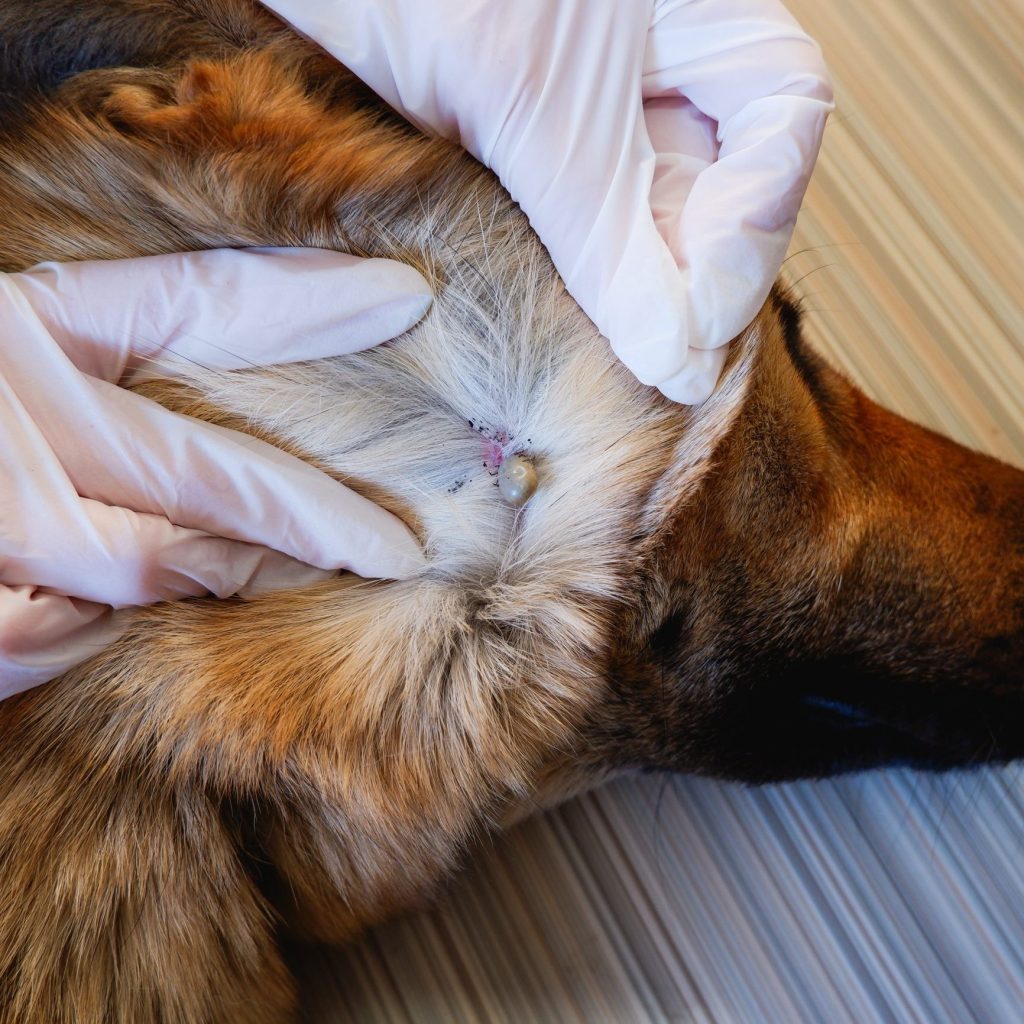
2. Parasites (Fleas, Ticks, and Worms)
Parasites present a silent yet significant threat to pets, primarily through fleas, ticks, and worms. Besides causing discomfort through bites or itching, they can spread diseases not only to other animals but, in some cases, to humans as well. Lyme disease, for example, caused by tick bites, can lead to chronic health issues in pets if not promptly managed.
Effective prevention involves:
- Regular Treatment: Administer preventive medications or treatments for fleas and ticks as advised by a veterinarian.
- Clean Environment: House hygiene plays a critical role; regular cleaning, vacuuming, and yard maintenance can significantly reduce parasite infestations.
- Routine Deworming: An appropriate deworming schedule, particularly for young or high-risk pets, should be discussed with your vet.
It’s worth noting that regional parasite prevalence varies; for instance, tick infestations may be more of a concern in some geographies than others. Local veterinary advice can provide the best guidance tailored to your area.
1. Osteoarthritis
As pets age, osteoarthritis becomes a major health concern, negatively impacting their movement and quality of life. This degenerative joint disease not only causes discomfort and pain but can also lead to behavioral changes such as irritability or withdrawal from activities.
Mitigating osteoarthritis involves:
- Maintain Healthy Weight: Prevent excess weight gain to lessen the strain on joints, thereby slowing down the degeneration process.
- Regular Exercise: Engage in low-impact activities, such as swimming or walks, to enhance joint flexibility and muscular strength without adding stress.
- Supplements: Joint supplements containing glucosamine and chondroitin can be beneficial, as they support cartilage health and may reduce inflammation.
While osteoarthritis is more prominent in aging pets, hereditary factors can also play a role, with certain breeds being more prone to this condition. Engaging with a specialized veterinarian knowledgeable about orthopedic health in animals could yield more tailored intervention strategies, such as physiotherapy or tailored exercise regimens.
By understanding these common diseases and implementing effective prevention strategies, pet owners can significantly improve the quality of life for their furry friends. Consistent veterinary attention, combined with proactive care at home, can make a world of difference in maintaining your pet’s health. After all, a healthy pet is a happy pet, and the bond between owner and pet is one worth investing in through informed care.
| Category | Information |
|---|---|
| Parasite Infestations | Commonly affecting pets, infestations can lead to serious health issues if left untreated. |
| Preventive Measures | Regular deworming, use of flea and tick preventatives can significantly decrease the risk of infestations. |
| Dental Diseases | Poor dental hygiene can lead to periodontal disease, affecting overall health. |
| Regular Dental Care | Brushing teeth and providing dental chews can help maintain good oral health for pets. |
| Obesity | An increasing number of pets are affected by obesity, leading to diabetes and joint problems. |
| Healthy Lifestyle | Maintaining a balanced diet and regular physical activity is essential in preventing obesity. |
| Skin Allergies | Allergies can manifest as skin irritations, leading to discomfort and secondary infections. |
| Allergy Management | Identifying triggers and using appropriate treatments can alleviate symptoms effectively. |
Within the realm of veterinary care, understanding the importance of monitoring health through preventive measures is crucial. For instance, the rise in pet obesity is alarming; statistics show that over 50% of pets in some areas are considered overweight or obese. This condition dramatically raises the risk of several chronic issues, making it vital for pet owners to embrace a proactive approach to diet and exercise.Moreover, dental diseases are often overlooked. The American Veterinary Medical Association estimates that by the age of three, over 80% of dogs and 70% of cats show some signs of oral disease. Regular dental check-ups and at-home care can counteract this prevalent issue.Skin allergies, often triggered by environmental factors or food ingredients, can lead to severe discomfort for pets. Identifying these allergens through veterinary testing opens doors to effective management strategies, ensuring your pet leads a comfortable life.In exploring these prevalent health issues, it becomes evident that prevention remains the key. By actively engaging in your pet’s health, whether through dietary management, dental care, or understanding skin sensitivities, you lay the groundwork for a long, thriving companionship.
Frequently Asked Questions About Common Pet Diseases and How to Prevent Them
What are the most common diseases found in cats and dogs?
Among the most prevalent ailments in cats and dogs are parasitic infections such as fleas and ticks; oral diseases like periodontal disease in dogs and gingivitis in cats; obesity, which is a risk for many health complications; and infectious diseases such as kennel cough or feline immunodeficiency virus (FIV). It’s crucial for pet owners to be informed about these common conditions as early detection can significantly improve treatment outcomes.
How can I recognize if my pet is suffering from a disease?
Certain behavioral and physical changes might indicate your pet is unwell. Look out for changes in appetite or drinking habits, unusual lethargy, persistent coughing, scratching or biting itself excessively, and any unexplained weight changes. It’s also important to monitor their stool for signs of gastrointestinal issues. If you observe any of these signs, consult with a veterinarian as soon as possible to ensure prompt medical intervention.
What preventative measures can pet owners take to avoid diseases?
Prevention starts with routine veterinary check-ups. Regular vaccinations and deworming are vital, especially for preventing infectious diseases. Maintain your pet’s health with a balanced diet and adequate exercise to prevent obesity-related conditions. Additionally, ensuring a clean living environment and using preventative products like flea and tick repellants contribute significantly to disease prevention. Investing in pet insurance can also help manage unexpected medical costs and treatments.
Are there specific vaccinations my pet should receive?
Yes, vaccinations are essential in protecting your pet from various life-threatening diseases. For dogs, core vaccines typically include distemper, parvovirus, and rabies. For cats, common vaccines include those against feline herpesvirus, calicivirus, and rabies. Your veterinarian will recommend a vaccination schedule tailored to your pet’s specific needs and risk factors. Keeping up to date with these vaccines is one of the most effective means of prevention.
How important is diet in the prevention of pet diseases?
A well-balanced diet plays a crucial role in maintaining your pet’s health and preventing diseases. Ensure that your pet receives a diet appropriate for their life stage, breed, and health status. Quality pet food that provides all necessary nutrients, along with proper portion control, can help prevent conditions such as obesity, diabetes, and gastrointestinal diseases. Consult your veterinarian to help you choose the most suitable diet plan for your pet’s individual needs.
Conclusion
The article on common diseases in pets and how to prevent them sheds light on the crucial aspect of pet care. Our furry companions are susceptible to a myriad of health issues that, if left unchecked, can significantly affect their well-being and happiness. Among the top five diseases discussed, parasite infestations, obesity, dental disease, ear infections, and urinary tract infections, stand out as the most prevalent. These ailments can be effectively managed with regular veterinary check-ups, proper nutrition, and diligent hygiene practices.
By prioritizing regular health assessments, owners can detect early signs of potential illnesses, allowing for timely intervention. Furthermore, a balanced diet helps in maintaining a healthy weight and preventing conditions such as obesity, which is often a precursor to other severe health issues. Dental care, often overlooked, is crucial as it prevents periodontal diseases that can lead to more severe complications beyond oral health. Routine ear cleaning and vigilance over any unusual symptoms are essential in preventing and treating ear infections swiftly.
For pet owners, the importance of being informed and observant cannot be overstated. Educating oneself on symptoms and preventive measures is a powerful tool in ensuring a pet’s health remains robust. While the path to prevention might seem demanding, the rewards of having a happy and healthy pet are immeasurable. Ultimately, it is about fostering a healthier environment where pets can thrive, bringing joy to both themselves and their owners. Remember, a proactive approach today could save your pet from distress tomorrow, reaffirming the bond between humans and their beloved animal companions.