Exotic Cat Breeds Special Care for Urban Living Needs
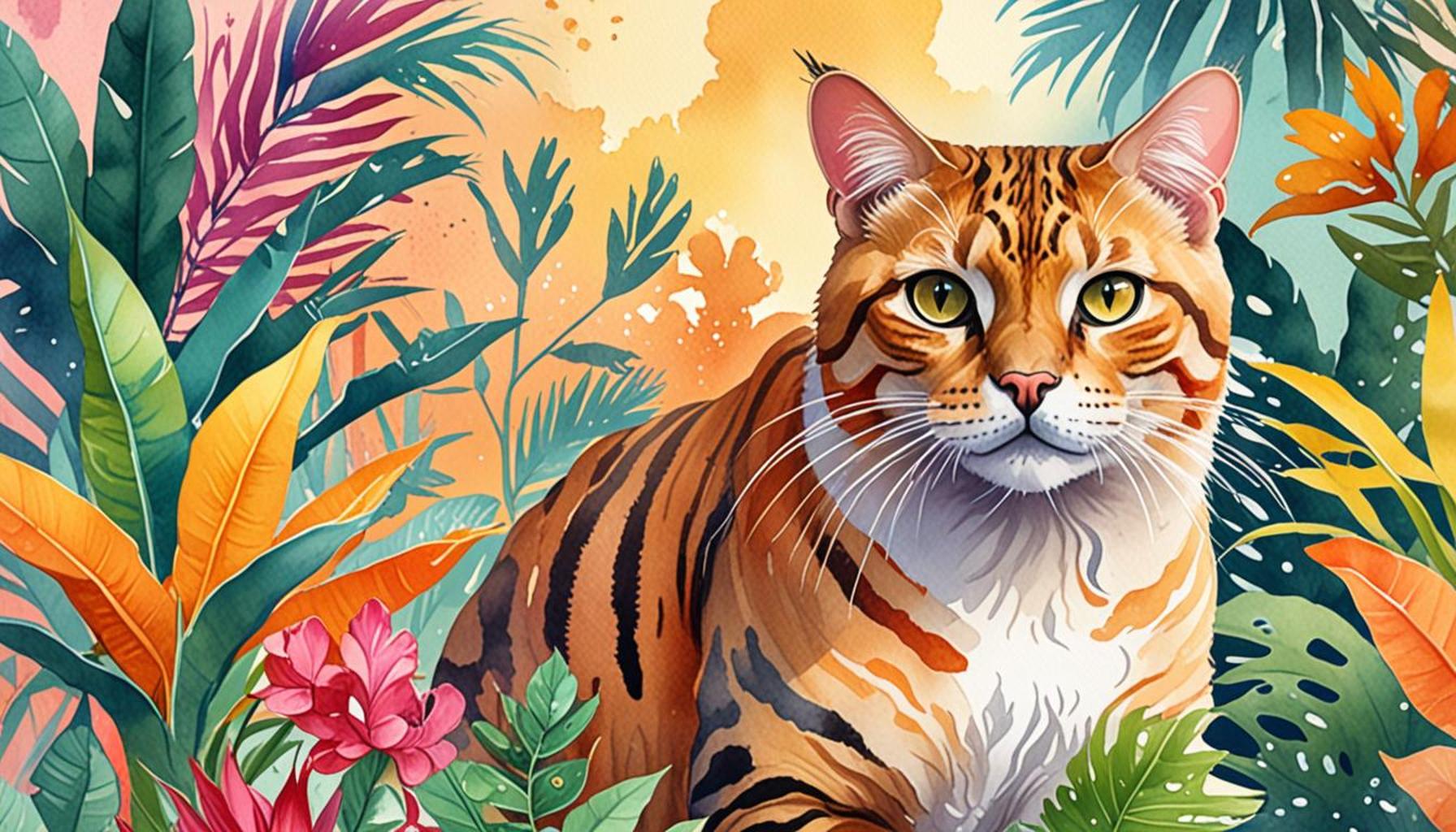
Urban living has become a reality for many pet owners, creating unique challenges and opportunities for those who choose to adopt felines. Among the plethora of choices, exotic cat breeds stand out for their distinct appearance and personalities, often requiring specialized care to thrive in city environments. Understanding their needs is crucial for ensuring their well-being and happiness.
- Space Requirements: Exotic breeds often need more room than typical cats.
- Environmental Enrichment: They thrive on mental and physical stimulation.
- Dietary Needs: Specialized diets can vary significantly between breeds.
As we delve into the fascinating world of exotic cats, it’s essential to recognize that their unique qualities demand tailored care, especially in the urban setting. In this article, we will explore the Top 5 exotic cat breeds suited for city life, highlighting their specific needs and quirks that every potential owner should know. Prepare to uncover the intricacies of these captivating companions.
Top 5 Exotic Cat Breeds and Their Special Care in Urban Environments
Urban living presents an exciting yet challenging backdrop for pet ownership, particularly for those enamored by the allure of exotic cat breeds. These unique felines captivate with their striking looks and distinctive personalities but often come with care requirements that can be demanding in bustling city environments. This article delves into the top five exotic cat breeds, highlighting their individual needs and how best to care for them in urban settings.
5. British Shorthair
The British Shorthair, with its plush coat and round face, stands out as one of the globe’s most prestigious and beloved breeds. Its serene nature and strong personality make it a good candidate for urban dwellers who appreciate a mix of independence and companionship.
Care Needs: While the British Shorthair adjusts well to apartment living, it requires regular grooming to maintain its thick coat. Twice-weekly brushing is advised to help manage shedding and reduce hairballs. These cats benefit significantly from mental stimulation, necessitating engaging puzzle toys and interactive play sessions. Providing vertical spaces like cat trees and shelves can help fulfill their natural curiosity and desire for exploration.
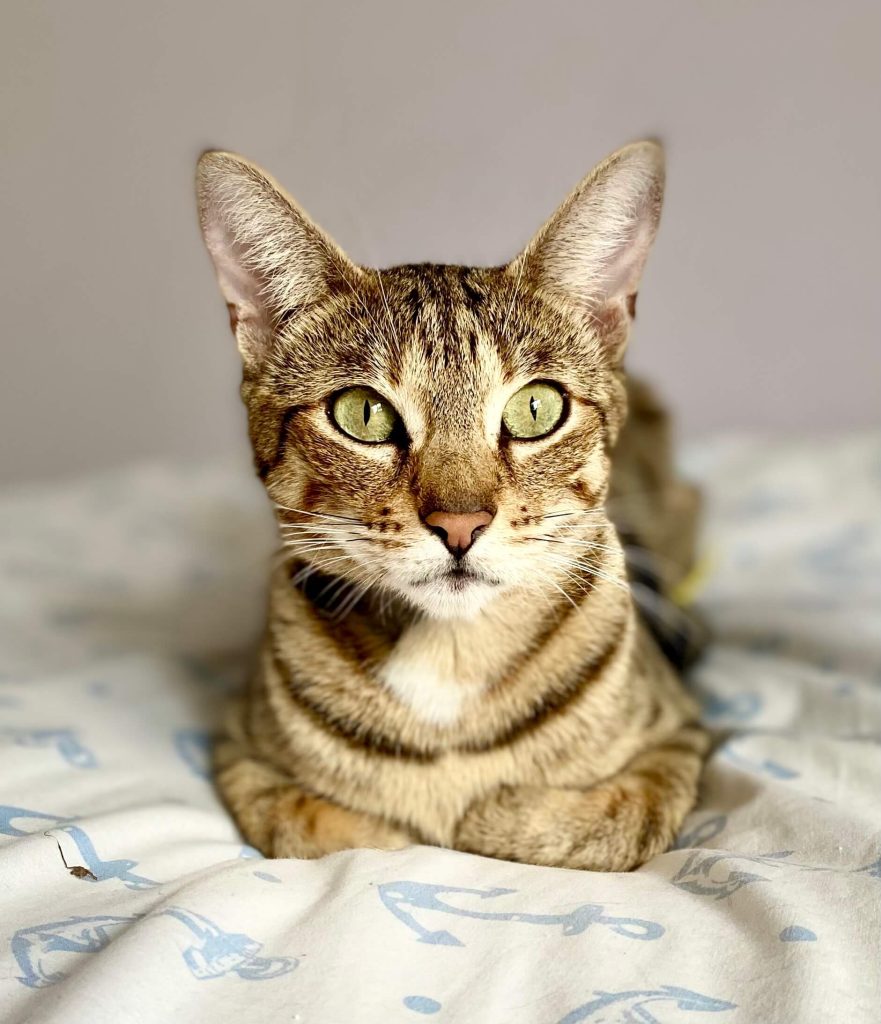
Furthermore, British Shorthairs appreciate a laid-back environment, making them well-suited to apartments where they can snuggle on window sills or quietly observe the world go by.
4. Bengal
Bengals capture attention with their wild, leopard-like patterns and spirited energy. They are the embodiment of exotic beauty, coupled with a playful and inquisitive nature that keeps pet owners on their toes.
Care Needs: Bengals thrive in environments that cater to their high-energy lifestyle. They demand a significant amount of exercise, which can be achieved through safe balcony enclosures that offer a taste of the outdoors. Due to their robust intelligence, incorporating puzzle feeders and interactive play is crucial. Socialization from a young age enhances their adaptability to urban settings, reducing potential behavioral issues.
Owners must also provide plenty of vertical spaces and scratch posts to accommodate their natural climbing instincts and to prevent destructive behavior due to boredom.
3. Sphynx
The Sphynx cat, renowned for its hairless, wrinkled appearance and affectionate demeanor, is a true urbanite’s companion. Their notable need for constant interaction aligns with city lifestyles where human presence is typically prevalent.
Care Needs: Sphynx cats necessitate a unique care routine, primarily due to their lack of fur. Regular baths are important to cleanse the oil build-up on their skin. To keep warm, they should have access to cozy blankets and be provided with sweaters during colder months. Additionally, urban environments pose environmental stressors such as noise; thus, offering quiet retreats is vital.
Ensuring Sphynx cats have plenty of social stimulation through toys and human interaction is critical to prevent loneliness.
2. Exotic Shorthair
The Exotic Shorthair resembles a Persian but with the added advantage of less grooming due to its shorter coat. Its sweet, calm nature makes it an ideal pet for urban environments.
Care Needs: Despite requiring minimal grooming, due to potential health issues associated with brachycephalic breeds, regular veterinary check-ups are necessary. These cats enjoy relaxing environments where they can engage with interactive toys and family playtime. They are best suited to quieter apartments, where the noise is minimal, thereby reducing the likelihood of stress.
Interactive activities are essential to prevent boredom, which also helps in maintaining their playful demeanor.
1. Maine Coon
Earning the title as a top exotic cat for urban living is the Maine Coon. Known for its immense size and affable temperament, this cat thrives in urban settings, bringing warmth and companionship to households of all sizes.
Care Needs: Although possessing a long coat, Maine Coons require only bi-weekly grooming. Their playful and intelligent nature demands ample physical and mental stimulation, making toys and climbing structures indispensable. Long play sessions and training keep their minds sharp and bodies agile. These cats adapt well to social environments, making them ideal for families with children.
Maine Coons’ adaptability and affectionate demeanor make them a top choice for urban living, providing companionship without overwhelming care demands.
In conclusion, choosing an exotic cat breed involves more than just an appreciation for their beauty. It demands a commitment to understanding and meeting their specific needs, particularly in urban environments where the balance between activity, mental stimulation, and comfort must be carefully managed. For prospective pet owners, thorough research and preparation can lead to a rewarding companionship that thrives amidst the city’s hustle and bustle.
| Category | Details |
|---|---|
| Exotic Cat Breeds | Cats such as the British Shorthair, Sphynx, and Maine Coon thrive in urban settings, possessing unique characteristics and adaptability. |
| Adaptation to Urban Life | They require special care due to the limited space and unique challenges of urban living, including noise and confined environments. |
| Health Considerations | Urban environments present health risks such as pollution and traffic, necessitating regular veterinary check-ups and attention to their diet and well-being. |
| Environment Enrichment | Exotic breeds need interactive toys and horizontal spaces to climb and explore, helping to prevent behavior issues and ensure their happiness within the constraints of urban life. |
Frequently Asked Questions about Exotic Cat Breeds and Their Special Care in Urban Environments
What are some examples of exotic cat breeds and why are they considered special?
Exotic cat breeds like the Bengal, Savannah, and Sphynx are popular for their unique appearances and distinct personalities. These breeds are often a blend of domesticated cats and wild ancestors, which contribute to their exotic status. For instance, the Bengal is known for its leopard-like spots, while the Savannah possesses a striking resemblance to a wild Serval. These physical traits, alongside their lively and sometimes challenging temperaments, make them a fascinating choice for cat enthusiasts.
What special care do exotic cats require in urban settings?
Exotic cats often demand more attention than typical domesticated breeds. In urban environments, it’s crucial to provide them with enough enrichment to stimulate their natural instincts. Regular playtimes that mimic hunting activities, access to vertical spaces like cat trees, and a safe outdoor space or balcony (if possible) are beneficial. Keeping up with their veterinary care is also important, as some exotic breeds may have special health considerations due to their unique genetic makeup.
How can urban pet owners manage the grooming needs of these cats?
The grooming needs for exotic cats can vary significantly between breeds. For instance, the Sphynx, a hairless cat, requires regular skin cleaning to prevent oil buildup, which is seldom seen in other breeds. On the other hand, Bengals have short, dense fur that requires minimal grooming but regular deshedding practices to maintain a healthy coat. Urban pet owners should devise a consistent grooming schedule tailored to their specific breed’s requirements.
Do exotic cats adapt well to indoor living?
Exotic cats can adapt to indoor living, but it often depends on how well their environment mimics the activities and stimuli they would have in the wild. Providing them with cognitive challenges, interactive toys, and opportunities to explore and perch can satisfy their adventurous spirit. Ensuring they have a variety of sensory experiences within the home will help them thrive in an indoor setting.
Are there any legal considerations when owning an exotic cat breed?
In some regions, owning exotic cat breeds like the Savannah may be subject to legal restrictions or require special permits. It’s essential for potential owners to research local regulations before acquiring one, as compliance with these laws ensures both the well-being of the cat and the peace of mind of the owner. Consulting with local authorities or reputable breeders is advisable to navigate these considerations effectively.
Conclusion
In exploring the world of exotic cat breeds and their special care requirements in urban environments, it’s clear that a unique set of considerations must be addressed by potential pet owners. These breeds such as the Bengal, Savannah, and Sphynx, each bring a distinct charm and personality to a household but also necessitate specific care tailored to their exotic natures.
From maintaining a stimulating environment to managing dietary needs, urban cat owners need to be particularly mindful of these aspects. Providing ample playtime, scratch posts, and safe outdoor excursions are crucial to ensuring the happiness and health of these exotic breeds. Additionally, understanding the social needs of these felines can help mitigate common issues such as stress and anxiety that can arise in bustling urban settings.
The increased interest in these cats can be attributed to their striking appearances and intriguing behaviors, which draw many cat enthusiasts. However, it’s important to note that their care often requires additional time, resources, and responsibility compared to more common domestic breeds. Regular vet visits, grooming, and a balanced diet are not just recommendations but necessities for their well-being.
Given the variety of exotic breeds and the complexities involved in their care, prospective owners should conduct thorough research and engage with experts or resources dedicated to feline care. By doing so, they can ensure a harmonious living arrangement in urban landscapes that caters to both the pet and the owner.
Ultimately, the world of exotic cats in urban settings is as fascinating as it is complex, requiring an informed and proactive approach to pet ownership. For those willing to invest the necessary effort, these extraordinary companions offer rewarding relationships that enrich the lives of their caregivers in profound ways.