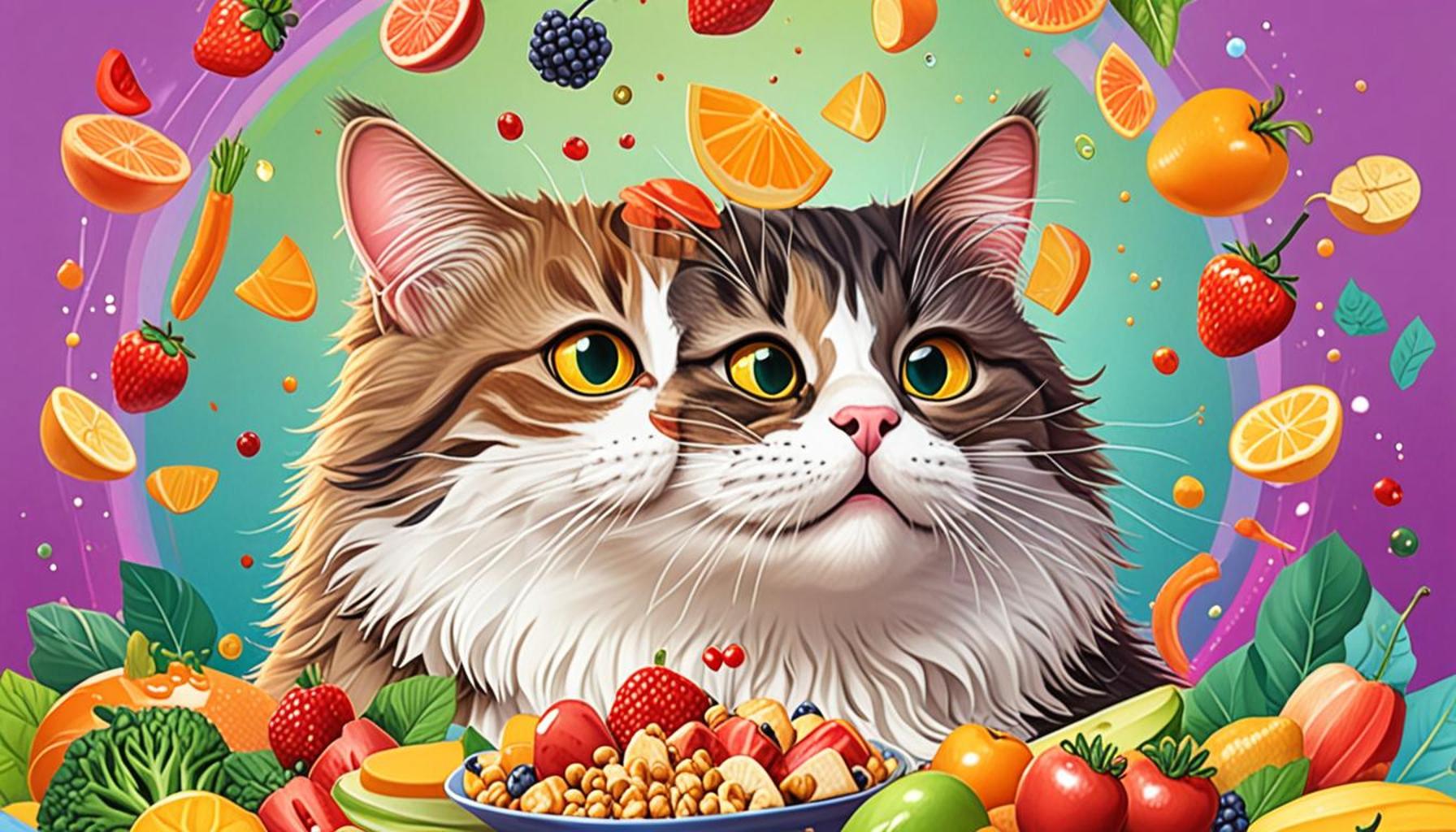
Healthy Cat Diet Tips Keeping Your Feline Happy and Healthy
Introduction
Understanding your cat’s nutritional needs is essential for ensuring their happiness and long-term health. With a plethora of pet food options available, choosing the right diet can be overwhelming for cat owners. A balanced diet not only supports physical well-being but also affects your feline’s mood and behavior.
Incorporating nutritious foods and being aware of dietary restrictions can significantly enhance your cat’s quality of life. It’s crucial to recognize that each cat is unique; their age, weight, and health condition play a key role in determining their diet. This makes tailored nutritional advice invaluable for pet owners seeking the best for their companions.
In this article, we will delve into the Top 5 Healthy Feeding Tips for cats, designed to guide you in making informed decisions. These tips not only contribute to your pet’s physical health but also enrich their daily experience, keeping them active and engaged.
Dicas de Alimentação Saudável para Gatos: Mantendo seu Felino Feliz e Saudável
When it comes to caring for our feline friends, diet plays a pivotal role in maintaining their health and happiness. A nutritious, balanced diet not only supports their physical well-being but also enhances their overall quality of life. With the myriad of cat food options available today, cat owners may find it daunting to decide what is best for their furry companions. In this comprehensive guide, we will explore essential tips for crafting a healthy diet for your cat, ensuring they thrive and remain vibrant. From portion control to the importance of consulting veterinarians, we’ll delve into these crucial aspects to help keep your pet in prime condition.
5. Avoid Overfeeding
Many pet owners mistakenly believe that giving their cats extra food or treats is a way to show love. However, it’s important to bear in mind that overfeeding can lead to obesity, a serious and growing concern in the feline community. Obesity is linked to numerous health issues, such as diabetes, respiratory disorders, and joint problems, which can drastically affect a cat’s quality of life and longevity. Here are some strategies to avoid overfeeding:

- Measure food portions according to your veterinarian’s guidance. Each cat’s caloric needs can vary based on age, activity level, and health.
- Be mindful of the calorie content in treats. Consider incorporating low-calorie or calorie-free options, such as playtime or affection, as alternatives to high-calorie treats.
- Establish regular feeding schedules to help regulate your cat’s appetite and prevent constant grazing, which can lead to weight gain.
By managing portion sizes and feeding routines, you’ll not only help maintain a healthy weight for your cat but also significantly improve their overall quality of life.
4. Choose Quality Ingredients
Not all cat foods are created equal. The quality of the ingredients in your cat’s food can hugely impact their health. Cats are obligate carnivores, meaning they require a diet high in protein derived from animal sources. Here are key factors to consider when selecting a food product:
- No fillers: Avoid foods with excessive grains or artificial fillers that do not provide nutritional value. Ingredients like corn and soy are often used as cheap fillers and can be hard to digest for cats.
- Real meat sources: Ensure your cat’s food lists a recognizable protein source as the first ingredient, such as chicken, beef, or fish.
- Natural preservatives: Opt for foods that use natural preservatives like vitamin E (mixed tocopherols) instead of chemical ones, which can be harmful over time.
Diets rich in high-quality ingredients often lead to better digestion and nutrient absorption, promoting overall health and reducing the risk of food-related allergies or sensitivities.
3. Hydration is Key
Just like humans, cats require adequate hydration for optimal health. Cats naturally drink less water compared to dogs, leading to a higher risk of dehydration. This can become particularly problematic for cats fed primarily on dry food diets. Effective strategies to ensure your cat stays hydrated include:
- Provide fresh water daily, changing it regularly to encourage your cat to drink more often.
- Consider incorporating wet food into their diet, which has a higher moisture content than kibble. This simple change can significantly improve your cat’s water intake.
- Use cat water fountains, as many cats prefer the sensation of running water over still water. The sound and movement can attract them to drink more frequently.
By emphasizing hydration, you help maintain healthy kidney function and urinary tract health, both of which are critical for your cat’s well-being.
2. Monitor Food Labels for Nutritional Needs
Cats have specific dietary needs that must be met to ensure they remain healthy and energetic. Understanding and dissecting food labels is essential to provide the best nutrition for your cat. Elements to focus on include:
- Protein content: Ensure your cat’s food contains at least 30% protein. High protein levels support muscle health and overall vigor.
- Fat content: Look for appropriate levels of fat, which is crucial for providing energy and supporting a shiny, healthy coat.
- Vitamins and minerals: A balanced supply of vitamins and minerals prevents deficiencies and supports body functions and the immune system.
Regularly assessing and adjusting your cat’s diet based on life stages and health conditions, such as pregnancy, aging, or illness, is crucial for meeting their nutritional requirements. This proactive approach helps in avoiding deficiencies and promoting a long, healthy life.
1. Consult Your Veterinarian
The best way to ensure your cat receives the appropriate nutrition is to consult with a veterinarian. Every cat is unique, and factors like age, activity level, and health condition can result in different dietary needs. Regular check-ups with your vet are crucial because they allow you to:
- Discuss food options tailored to your cat’s specific health and wellness requirements. Your vet can provide insights into the best brands and formulas for your pet.
- Evaluate any food sensitivities or allergies your cat may have and receive suggestions for hypoallergenic diets if necessary.
- Receive guidance on transitioning to new diets safely, minimizing any stress or digestive upset for your pet.
By prioritizing veterinarian consultations, you’re taking the most effective step toward ensuring your cat stays happy and healthy for years to come. These healthcare professionals are invaluable partners in your journey to provide the best care for your furry companion.
In conclusion, making thoughtful and informed decisions about your cat’s diet is foundational to their health and happiness. Embracing high-quality food choices, ensuring adequate hydration, and consulting veterinarians regularly will help you maintain a balanced diet for your cat. By implementing these tips, you can rest assured that your feline friend will enjoy a long, joyous life filled with purrs and play, becoming the cherished companion you envisioned when they first entered your home.
| Category | Advantages |
|---|---|
| Quality of Ingredients | Products with high-quality proteins and natural ingredients support better digestion and overall health. |
| Balanced Nutrition | A diet rich in vitamins and minerals strengthens your cat’s immune system, keeping them energetic and vibrant. |
| Weight Management | Providing appropriate portions helps maintain a healthy weight, reducing the risk of obesity-related diseases. |
| Hydration Needs | Incorporating wet food into your cat’s diet increases water intake, promoting better kidney health and urinary function. |
Ensuring your cat receives a well-rounded diet is paramount for their longevity and happiness. When purchasing cat food, always check for the ingredient list. Diets that feature real meat or fish as the first ingredient are superior, as they provide essential amino acids crucial for a cat’s health. Moreover, understanding the nutritional requirements specific to your cat’s age, weight, and activity level is vital. Kittens require more calories and nutrients than adults, while senior cats need a diet low in calories but rich in fiber to aid digestion. Regular consultation with your veterinarian can tailor an optimal diet plan that keeps your feline thriving. Another often overlooked area is monitoring your cat’s weight and body condition. Regularly weighing your cat can help avert obesity, which can lead to significant health issues like diabetes and joint problems. If your cat is overweight, gradual weight loss through controlled feeding and increased activity is more efficient than drastic changes, which can be harmful.Finally, cats often have low thirst drives, leading to dehydration. To encourage hydration, consider integrating high-moisture food options or even providing water fountains that encourage them to drink more frequently. Observing your cat’s drinking habits can offer insight into their health, ensuring their well-being remains a top priority.
Frequently Asked Questions on Healthy Feeding Tips for Cats
How often should I feed my cat to maintain a healthy weight?
Feeding frequency can depend on a number of factors including your cat’s age, activity level, and health status. Typically, adult cats benefit from two meals a day, spaced roughly 12 hours apart. Kittens, in contrast, require more frequent meals due to their rapid growth and energy needs. Always consult your veterinarian for personalized advice tailored to your feline’s specific requirements.
What is the importance of protein in a cat’s diet?
Cats are obligate carnivores, which means their diet must be heavily composed of protein. Protein provides essential amino acids that cats cannot synthesize on their own. A diet rich in high-quality animal protein supports muscle maintenance, immune function, and overall growth. Ensure the primary ingredient in your cat’s food is a reputable protein source such as chicken, beef, or fish.
Is it safe to give my cat homemade food?
Preparing homemade food for your cat can be safe and healthy if done correctly. The critical aspect is to maintain a balanced diet that meets all the nutritional needs of your cat. It’s important to understand the necessary vitamins and minerals required to avoid deficiencies. Consultation with a veterinarian or a veterinary nutritionist can guide you in formulating a proper meal plan that ensures all dietary needs are met.
Should I avoid dry cat food altogether?
Dry cat food can be part of a balanced diet when provided in moderation alongside wet food to ensure sufficient moisture intake. One of the potential drawbacks of dry food is its lower water content, which might not be optimal for cats with urinary or kidney issues. It’s essential to ensure your cat has continuous access to fresh water when feeding dry kibble to prevent dehydration. Evaluating the comprehensive benefits and your cat’s health status can guide you in finding the right balance.
Conclusion: Ensuring a Healthy and Happy Feline
In the quest to maintain our beloved felines both happy and healthy, it’s crucial to focus on their dietary needs. This not only affects their physical well-being but also plays a significant role in their emotional state. By considering the specific aspects of a cat’s diet, we can greatly contribute to their overall health and happiness.
Throughout the article, we highlighted five essential tips for ensuring a healthy diet for cats. Firstly, providing a balanced diet that includes high-quality protein is fundamental. Cats are obligate carnivores and require nutrients that are primarily found in animal-based foods. Secondly, the importance of hydration cannot be overstated; ensuring cats have access to fresh water and, if necessary, wet food, can prevent health issues related to dehydration.
Portion control and monitoring weight represent the third tip. Overfeeding can lead to obesity, a common issue that dramatically affects a cat’s quality of life. Fourth, accommodating special dietary needs and understanding allergies or intolerances is crucial for preventing discomfort and potential long-term health problems.
Lastly, addressing any concerns with a veterinarian ensures that your cat receives tailored nutritional advice. This professional insight can further affirm that your chosen diet promotes longevity and vitality.
As we conclude, it is evident that understanding and responding to the unique dietary needs of felines is indispensable. A healthy diet enhances their quality of life, contributing to their happiness and ensuring pet owners enjoy the companionship of a thriving, content feline friend. By keeping these dietary tips in mind, you pave the way for a life of health and happiness for your furry companion, inviting pet lovers to explore more and engage deeply with their pets’ nutritional needs.