Balanced Diet for Dogs Cats Essential Nutrients for Health
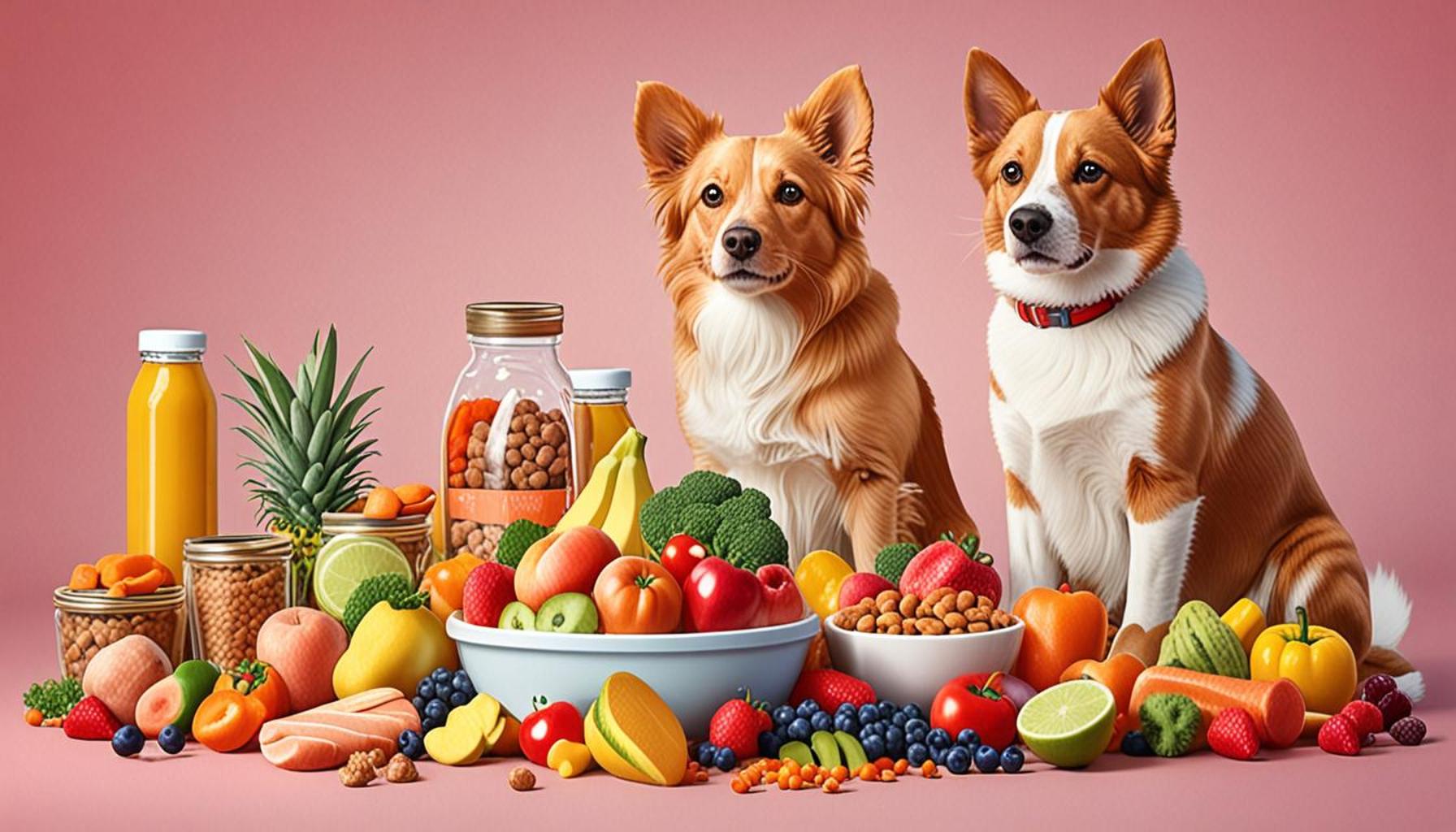
Ensuring Your Pets Thrive
A proper diet is vital for the overall well-being of your pets. Dogs and cats require a balanced intake of essential nutrients to maintain their health, energy, and longevity. Understanding what type of food provides these nutrients can significantly impact their quality of life.
The Stakes Are High
The consequences of improper nutrition can be severe, leading to a multitude of health issues. From obesity to diabetes, the right diet helps to prevent various ailments and ensures a happier, more active lifestyle for your furry companions.
Exploring Essential Nutrients
In this article, we will explore the key nutrients that every pet requires, shedding light on their importance and where to find them. Staying informed about the best dietary choices brings you one step closer to providing optimal care for your pets.
Get Ready for the Top 5
Additionally, we will rank the top 5 essential nutrients that every dog and cat should incorporate into their diets. This valuable information is crucial not only for pet owners but also for anyone looking to enhance their pets’ health.
Top 5: The Importance of a Balanced Diet for Dogs and Cats: Essential Nutrients for Health
Our pets are more than just animals; they are beloved family members. Just as humans thrive on a balanced diet, so do our furry friends. A balanced diet is crucial for their well-being, providing essential nutrients that support their growth, development, and overall health. Understanding the components that make up a balanced diet can help pet owners make informed choices for their dogs and cats. In this article, we explore the top five aspects of a balanced diet for pets, emphasizing their significance and impact on health.

5. Proteins: The Building Blocks of Life
Proteins are the cornerstone of a balanced diet for pets. These macronutrients are essential for the growth and repair of tissues, acting as the building blocks of life. Dogs and cats require high-quality protein sources to maintain strong muscles, repair tissues, and support a healthy immune system. Without sufficient protein, pets can suffer from muscle wasting and a weakened immune response.
Animal-based proteins, such as chicken, fish, and beef, provide complete sets of amino acids that are vital for various bodily functions. These proteins are rich in essential amino acids that pets cannot synthesize on their own, making them a critical component of their diet. While plant-based proteins can also be included in their diet, they may need careful planning to ensure all essential amino acids are obtained in the right balance.
- Muscle Health: Protein is necessary for building and repairing muscles, ensuring pets remain agile and active.
- Skin and Coat: A protein-rich diet contributes to a shiny coat and healthy skin, reducing issues like dandruff and dull fur.
- Immune Function: Adequate protein supports a robust immune system, helping pets fight off infections and diseases.
In conclusion, including sufficient protein in your pet’s diet facilitates proper growth and maintenance of body functions, ensuring vibrancy and vitality.
4. Fats: The Energy Source
Fats are a crucial component in your pet’s diet, providing a concentrated source of energy. These macronutrients are not only calorie-dense but also support vital biological functions. Fats are integral to forming cell membranes, regulating hormones, and helping absorb certain vitamins (A, D, E, and K). However, not all fats offer the same benefits, and understanding which fats to include can make a significant difference to your pet’s health.
Healthy fats, such as omega-3 and omega-6 fatty acids, are essential for maintaining healthy skin, a glossy coat, and proper cell function. Fish oil and flaxseed oil are excellent sources of omega-3 fatty acids, which have anti-inflammatory properties that can help pets with joint issues or skin problems. Meanwhile, omega-6 fatty acids, found in poultry fat and vegetable oils, are vital for maintaining a healthy coat and encouraging the growth of healthy skin cells.
- Energy Supply: Fats provide a dense source of energy for active pets, ensuring they have enough stamina for play and exercise.
- Skin and Coat Health: Omega fatty acids contribute to a shiny and healthy fur, reducing shedding and breakage.
- Vitamin Absorption: Fats aid in the absorption of fat-soluble vitamins, which are crucial for metabolic processes.
Thus, incorporating healthy fats into the diet is vital for optimal health and function, keeping pets energized and vibrant.
3. Carbohydrates: The Digestive Help
Unlike proteins and fats, pets do not have a strict dietary requirement for carbohydrates. However, they can be a beneficial source of energy when included in moderation. Carbohydrates provide fiber, which is instrumental in digesting food efficiently and maintaining a healthy gut. This group of nutrients includes sugars, fibers, and starches, found in plant-based sources.
Ingredients such as brown rice, sweet potatoes, and oats furnish essential energy while offering dietary fiber, which promotes regular bowel movements. Fiber is particularly beneficial for pets prone to digestive issues, as it helps regulate the gut environment and maintain bowel health.
- Energy Resource: Carbohydrates serve as an immediate energy source, providing the necessary fuel for day-to-day activities.
- Digestive Health: Fiber from carbs supports digestive health by promoting regular defecation and preventing constipation.
- Weight Management: Balanced carb intake helps prevent overweight conditions and supports weight management strategies.
Therefore, when formulated correctly, carbohydrates can add significant value to your pet’s overall diet, contributing to both energy levels and digestive health.
2. Vitamins: The Micronutrient Powerhouses
Vitamins are essential micronutrients that play various roles in maintaining overall health. Each vitamin has specific functions in a pet’s body, and their presence is vital for normal biological processes. Vitamins do not provide energy, but they are critical in converting food into energy and facilitating other bodily functions.
Different vitamins support different aspects of health—Vitamin A is crucial for vision and maintaining healthy skin; Vitamin D aids in calcium absorption and bone health, crucial for pets in growth stages; Vitamin E acts as an antioxidant, protecting cells from damage. A balanced diet for dogs and cats must include a variety of vitamins sourced from vegetables, fruits, and supplements when necessary. It is crucial to avoid deficiencies, as they can lead to serious health issues, such as poor growth and immune dysfunctions.
- Vision Support: Vitamins like A play a key role in maintaining eye health and preventing degenerative ocular diseases.
- Immune System: Antioxidant vitamins are important for strengthening the immune system, reducing illness frequency.
- Calcium Absorption: Vitamin D facilitates the calcium uptake necessary to build and maintain strong bones and teeth.
In summary, making sure your pets receive plenty of essential vitamins contributes tremendously to their health and longevity. Regular check-ups and balanced meals are key to ensuring these micronutrients are sufficiently provided.
1. Minerals: The Building Blocks of Wellness
Coming in at the top spot are minerals, which are critical for numerous body functions, contributing to bone development, enzyme activation, and nervous system health. Unlike vitamins, which are organic, minerals are inorganic elements that come from the earth and are absorbed by plants or consumed by animals. Essential minerals such as calcium, phosphorus, sodium, potassium, and magnesium play diverse roles in forming strong bones, regulating fluids, and supporting nerve and muscle function.
Calcium and phosphorus work together to build strong bones and teeth, which is crucial for young, growing animals and older pets at risk of osteoporosis. Potassium and sodium are electrolytes that help maintain fluid balance and nerve function. Minerals are usually present in balanced pet food, but specific needs might require additional supplementation, particularly for pets with unique health conditions or dietary restrictions.
- Bone Health: Minerals like calcium and phosphorus are essential for developing and maintaining strong bones and teeth.
- Fluid Regulation: Electrolytes such as sodium and potassium are crucial for maintaining hydration and supporting cellular functions.
- Nervous System Support: Minerals contribute to proper neuromuscular function, ensuring pets remain responsive and alert.
Without adequate mineral intake, pets can suffer from deficiencies that may lead to weakness, poor growth, and health problems over time. Therefore, ensuring pets receive the right balance of minerals is fundamental for their overall wellness. A diet supplemented with a strategic balance of vitamins and minerals can lead to a healthier and happier life for your furry companion.
In conclusion, understanding the specific nutritional needs of your pets and providing a balanced diet that includes all these elements—protein, fats, carbohydrates, vitamins, and minerals—can greatly contribute to their health and well-being. This approach helps prevent diseases, enhances energy levels, and increases longevity, keeping your pets happy and thriving throughout their lives.
| Category | Description |
|---|---|
| Proteins | Essential for building and repairing tissues in both dogs and cats. They contribute to muscle development and are crucial for a healthy immune system. |
| Fats | Provide a concentrated source of energy and are vital for cell structure. |
| Carbohydrates | Act as a primary energy source. They are important for optimal digestion and can help support metabolic functions. |
| Vitamins and Minerals | Play a key role in numerous body processes, including bone health and enzyme function. These nutrients are not produced by the body and must be obtained through diet. |
Understanding the significance of a balanced diet for pets, especially dogs and cats, goes beyond merely feeding them. Each nutrient contributes to the overall well-being and longevity of these beloved companions. For instance, the importance of proteins cannot be overstated—they do not only aid in muscle growth but also bolster the immune system, ensuring that your pet is not easily susceptible to diseases.Furthermore, dietary fats, including omega-3 and omega-6 fatty acids, are crucial not just for providing energy but also for maintaining healthy skin and a lustrous coat. Omega fatty acids also have anti-inflammatory properties, which can be beneficial for pets suffering from arthritis or other inflammatory conditions. Carbohydrates, often overlooked, serve as a ready energy source that pets can utilize for daily activities. They also promote good digestive health when they come from high-quality sources like brown rice, sweet potatoes, or whole grains, which can help maintain gastrointestinal health and regularity.Lastly, a pet’s need for vitamins and minerals varies significantly between breeds, age, and health conditions. Vitamin D, for instance, is vital for maintaining healthy bones, while minerals such as calcium and phosphorus help in developing an appropriate skeletal structure. Owners must pay close attention to these nutritional requirements to ensure their furry friends thrive. By grasping the complex interplay of these essential nutrients, pet owners can make informed dietary choices for their companions, ultimately leading to a happier and healthier life for all.
FAQs: Essential Nutrients and Balanced Diets for Pets
What are the consequences of an unbalanced diet for cats and dogs?
An unbalanced diet for pets can lead to a variety of health issues such as obesity, malnutrition, and even chronic diseases. Without the right nutritional balance, pets might also suffer from a weakened immune system and poor coat quality. Nutrient deficiencies or excesses can further result in digestive issues and joint problems. Thus, understanding and providing the essential nutrients is crucial for their overall well-being.
What are the essential nutrients that dogs and cats need?
Both dogs and cats require a combination of proteins, fats, carbohydrates, vitamins, and minerals to thrive. Proteins are vital for tissue development and repair, while fats provide energy and support cell function. Carbohydrates serve as an energy source and aid in proper digestive function. Vitamins and minerals like calcium and potassium are crucial for bone health and metabolic processes. It’s essential to tailor these nutrients to the species-specific needs of dogs and cats.
How can pet owners ensure their pets are receiving a balanced diet?
Pet owners can ensure a balanced diet by providing high-quality commercial pet foods that meet the nutritional standards set by organizations such as the AAFCO (Association of American Feed Control Officials). Consulting with a veterinarian or a pet nutritionist can help in crafting a diet plan that caters to the specific health needs of their pets. Regular check-ups and weight monitoring are also vital to keeping track of a pet’s overall health and dietary needs.
Are supplements necessary in a pet’s diet?
While a well-formulated pet diet usually covers most nutritional needs, some pets may require supplements due to specific health conditions, diet restrictions, or life stages such as pregnancy or old age. It’s important to note that supplements should not be added without professional guidance, as excessive intake of certain vitamins and minerals can be harmful. Always consult with a veterinarian before introducing any new supplements to your pet’s diet.
What should pet owners look for on pet food labels?
When evaluating pet food labels, pet owners should look for assurance like “complete and balanced” as per AAFCO guidelines. The list of ingredients is also crucial; the first few items should be specific proteins like chicken or beef. Watch for named animal protein sources, and be cautious of non-specific terms like “meat by-products.” Understanding daily feeding guides and the specific needs of their pets based on age, weight, and activity level are indispensable in choosing the right product.
Conclusion
In summary, maintaining a balanced diet for our canine and feline companions is not just a matter of indulgence, but a fundamental aspect of their overall health and well-being. Through understanding the specific nutritional needs of dogs and cats, pet owners can ensure their pets lead a long, healthy, and vibrant life. The journey begins with identifying the essential nutrients required, such as proteins, fats, carbohydrates, vitamins, and minerals, each playing a unique role in their physical and mental development.
A significant takeaway is that while dogs and cats share some dietary requirements, the specific needs of each species must be considered. Dogs, being omnivores, thrive on a blend of plant and animal sources, while cats, as obligate carnivores, require a protein-rich diet primarily from animal origin. Understanding these distinctions can prevent nutritional deficiencies that may lead to serious health issues.
Another crucial element is to be mindful of the quality of pet food products. Opting for reputable brands or preparing home-cooked meals with guidance from a veterinary nutritionist ensures that your pets receive all necessary nutrients. This attention to detail can result in improved energy levels, a shinier coat, better digestion, and a strengthened immune system.
Ultimately, a balanced diet is an investment in your pet’s health and happiness. By taking the time to learn and implement these nutritional principles, pet owners can provide their beloved dogs and cats with the foundation for a healthier and more fulfilling life. The responsibility lies with us to make informed choices and explore further information, continually adapting to meet the evolving dietary needs of our furry friends.