Cat Training: Effective Techniques for Teaching Desired Behaviors
Understanding Cat Training
Training your cat can be both a rewarding and challenging experience. Many cat owners in Nigeria often wonder how to effectively guide their feline companions to exhibit desired behaviors. This article will explore innovative techniques to transform the way you approach cat training.
Why Training Matters
Training your cat is not merely about instilling rules; it significantly enhances the quality of life for both you and your pet. Establishing a trained cat leads to a deeper bond that fosters understanding. The advantages of cat training extend far beyond mere obedience. Here are some key benefits:
- Improved Behavior: Training helps reduce unwanted actions like scratching furniture or biting during playtime. For example, redirecting a cat’s scratching behavior to a scratching post can preserve household items while simultaneously satisfying their natural instincts.
- Enhanced Communication: By training your cat to respond to certain cues or commands, you strengthen your bond and improve daily interactions. Consider using specific words or sounds to associate with feeding time or playtime, which can lead to a more harmonious living environment.
- Safety: Training your cat to avoid high-risk situations, like staying away from toxic plants or busy roads, can prevent serious accidents. It’s crucial, especially in urban areas where dangers are pervasive, to ensure your cat understands boundaries.
Effective Techniques to Explore
Understanding the best techniques can lead to successful training outcomes. Here are some effective methods that can make the training process enjoyable and productive:
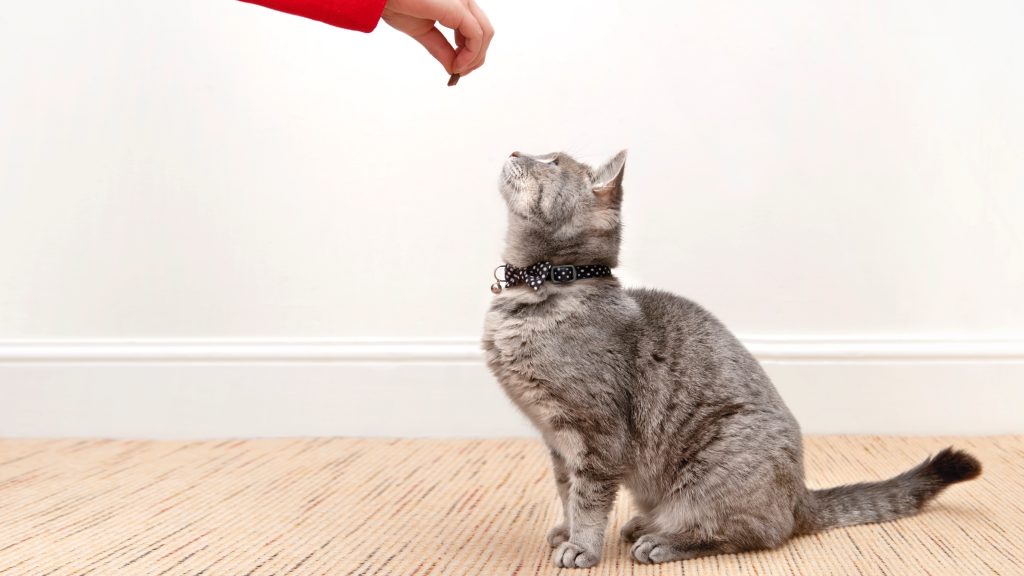
- Positive Reinforcement: This method involves rewarding your cat with treats, affection, or praise when they demonstrate desirable behavior. For instance, if your cat uses the litter box instead of the floor, immediately reward them with a small treat and affectionate praise to reinforce that behavior.
- Clicker Training: Utilizing a clicker can be an effective way to communicate desired actions. When your cat performs a task correctly, click the device and follow it with a treat. This helps your cat associate the sound of the clicker with positive outcomes, making it easier for them to learn.
- Consistency: Establishing a routine is critical. Cats thrive on structure, so maintain regular feeding, play, and training times. For instance, if you train your cat every evening, they will adjust to and expect those sessions, making them more receptive to learning.
By applying these strategies, you will discover how enjoyable and fruitful cat training can be. Leveraging the natural instincts of your feline friend while patiently reinforcing desired behaviors can lead to significant improvements in your cat’s actions and demeanor. Dive into the detailed techniques outlined above, and unlock the full potential of your feline friend’s behavior!
CHECK OUT: Click here to explore more
The Foundations of Cat Training
Before embarking on your cat training journey, it is essential to understand the underlying principles that dictate how cats learn and interact with their environment. Unlike dogs, cats are more independent and may not respond to commands in the same way. Emphasizing their unique characteristics can pave the way for more effective training sessions that resonate with your feline companion.
Recognizing Your Cat’s Learning Style
Each cat has its personality and learning preferences. Some may be motivated by food, while others respond better to play or affection. To tailor your training approach effectively, begin by observing your cat’s reactions to different stimuli. This observation can help you identify what excites or motivates your cat:
- Food Motivation: Treats can be an inspiring tool for training. Offer small, tasty morsels that your cat finds irresistible. Consider using local snacks like cooked chicken or fish, which can work wonders in encouraging desired behaviors.
- Play Motivation: If your cat is playful, include toys as rewards. Engage your cat with a feather wand or laser pointer during training sessions. This not only rewards them for good behavior but also strengthens their physical health and well-being.
- Affection Motivation: Some felines thrive on love and attention. If your cat values your praise, shower them with affection whenever they perform the desired behavior. Different cats have different love languages, so finding which one resonates best with your cat can significantly enhance your training.
The Importance of Environment
Creating a conducive environment for training is just as crucial as understanding your cat’s learning style. Distractions within your home can often hinder progress, so consider these tips:
- Choose a Quiet Space: Whether it’s a designated corner in your living room or an isolated area, a tranquil setting reduces outside interruptions and allows your cat to focus on you.
- Minimize Disturbances: Turn off TVs, loud music, or any other distractions during training sessions. This will help your cat concentrate on the task at hand, making your training more effective.
- Use Interactive Tools: Utilize items that engage your cat’s senses, like textured scratching posts or exotic scents. This engagement can be particularly beneficial in reinforcing positive behaviors.
With a foundational understanding of your cat’s learning style and a distraction-free environment, you can create a training routine that fosters engagement and excitement. By respecting your cat’s individuality and preferences, you will not only teach them desired behaviors but also build a solid bond that enhances your connection. As you delve deeper into the art of cat training, remember that patience and consistency play pivotal roles in transforming your cat into a well-behaved companion!
| Training Technique | Advantages |
|---|---|
| Positive Reinforcement | Encourages good behavior through rewards, leading to a stronger bond between cat and owner. |
| Clicker Training | Helps cats associate sounds with actions, making it easier to communicate expected behaviors. |
When it comes to effective cat training, understanding various techniques can significantly improve your feline’s behavior. Positive reinforcement, for instance, relies on rewarding your cat for exhibiting desired actions, creating a motivational environment that promotes learning. This method not only improves your cat’s behavior but also fosters a trusting relationship, as your pet begins to view you as a source of positivity and care. Another impactful method is clicker training. The principle behind this technique is straightforward; it uses a distinct sound to mark a behavior, allowing your cat to connect the action with a reward swiftly. This method is particularly effective in teaching tricks or commands, demonstrating that a sound can simplify the communication process. By integrating these effective techniques into your training routine, you can pave the way for an engaging and rewarding experience for both you and your cat, ultimately enhancing your pet’s behavior and your shared living environment.
ADDITIONAL INSIGHTS: Expand your understanding here
Techniques for Reinforcing Desired Behaviors
As you embark on your journey towards successful cat training, it’s crucial to employ effective techniques that not only teach but also reinforce desired behaviors. Understanding the mechanisms of reinforcement can make all the difference in your training sessions. Here, we’ll explore various methods to encourage good habits in your feline friend while keeping the experience enjoyable for both of you.
Utilizing Positive Reinforcement
Positive reinforcement is a cornerstone of effective cat training. It involves rewarding your cat immediately after they exhibit a desired behavior, which helps them connect the action with a positive outcome. Here are some practical ways to implement this technique:
- Clicker Training: Clicker training is an efficient method that utilizes a small handheld device that makes a distinct sound when pressed. By clicking at the precise moment your cat performs the desired behavior, followed by a reward, you establish a clear communication pathway. This technique can be particularly useful for teaching commands and tricks, such as sit or high five, which can amuse visitors and even lead to social media-worthy moments.
- Reward Schedules: Varying the frequency of rewards can maintain your cat’s interest in training. Initially, reward them every time they follow a command, and gradually transition to intermittent reinforcement. This method keeps your cat guessing and engaged, still earning treats or affection sporadically.
- Food-Based Rewards: In Nigeria, local delicacies like tiny pieces of dried fish or chicken are attractive to many cats. Incorporating these treats into your training routine can significantly increase motivation and compliance. Always ensure that the rewards are small and balanced within their diet to prevent overfeeding.
Incorporating Enrichment Activities
Enhancing your cat’s environment with activities that stimulate their natural instincts can also aid in training. Engaging your cat mentally and physically leads to a well-rounded, well-behaved pet. Here are some ideas to explore:
- Puzzle Feeders: These are devices that dispense food as your cat interacts with them, providing a challenge. Puzzle feeders can promote problem-solving skills while encouraging them to stay focused during training sessions.
- Agility Training: Set up a mini obstacle course using household items. Using tunnel boxes, paper bags, or even chairs, you can create an exciting environment. Guide your cat through the course, rewarding them for navigating successfully. This not only reinforces obedience but also serves as great exercise.
- Interactive Games: Games that encourage stalking and pouncing tap into your cat’s predatory instincts. Whether it’s a fishing rod toy or a simple ball of yarn, interactive play can reinforce your bond and create a fun training atmosphere.
Curbing Undesirable Behaviors
While teaching desired behaviors is key, it’s equally essential to address and modify unwanted actions. Negative punishment, when used properly, can discourage specific behaviors without inducing fear. Understanding the following approaches can help in this regard:
- Redirecting Behavior: If your cat is scratching furniture, redirect them to an appropriate scratching post immediately. Positive reinforcement upon successful use of the post will reinforce the behavior you want to see.
- Implementing Time-Outs: When a negative behavior occurs, utilizing a time-out—removing the cat from the situation—can effectively teach them that certain actions lead to a lack of interaction. Be sure to only use this sparingly, as it should not induce fear.
- Behavioral Pheromones: Consider using diffusers that release calming pheromones, which can reduce anxiety and subsequently help diminish behavioral issues like aggression or excessive meowing.
Incorporating these techniques into your cat training regimen can lead to significant improvements in your cat’s behavior while enhancing your relationship. Tailoring your approach to your cat’s unique personality and preferences will make each session a valuable investment in a harmonious life together.
YOU MAY ALSO LIKE: Read read another article
Conclusion
In conclusion, cat training is an enriching and rewarding venture that strengthens the bond between you and your feline companion. By employing techniques such as positive reinforcement, enrichment activities, and skillful management of undesirable behaviors, you set the stage for a well-mannered and happy pet. Remember that each cat possesses a unique personality, and understanding your pet’s preferences and instincts is essential to making your training sessions fun and effective.
The significance of positive reinforcement cannot be overstated—it remains the cornerstone of any successful training regimen. Freeing your cat from common behavior issues, while simultaneously fostering desirable actions, directly contributes to their overall well-being. Additionally, consider incorporating interactive games and agility training to keep the process lively and captivating. These methods not only stimulate your cat’s mind and body but also deepen your connection, making training a shared adventure.
As you journey through training, patience is key. Every small victory is a step toward a more harmonious coexistence. For pet owners in Nigeria, leveraging local treats and understanding cultural nuances can create a training atmosphere that resonates with your cat. Therefore, embrace these effective techniques to transform training into an enjoyable and fulfilling experience—for both you and your furry friend. With dedication and understanding, you’ll not only teach desired behaviors but also pave the way for a lifelong companionship filled with mutual respect and love.