Menu

Balanced Diet for Dogs Cats Essential Nutrients for Health

A balanced diet for dogs and cats is vital for their overall health, requiring essential nutrients like proteins, fats, vitamins, and minerals. Proper nutrition supports energy levels, immune function, and a shiny coat, while preventing diseases. Tailoring diets to individual pets' needs is crucial for maintaining their well-being.

Natural Pet Food vs Commercial Which Is Healthier for Your Pet

Discover the debate between natural and commercial pet food in determining your pet's health. Explore nutrient content, potential benefits, and safety concerns. Learn which option boosts energy levels and overall well-being, helping you make an informed choice for a healthier, happier pet.

Toxic Foods for Pets: What to Avoid in Your Pets’ Diet

Pet owners must be vigilant about the hidden dangers in everyday foods. Common toxic foods for pets, like chocolate, onions, and grapes, can have severe health consequences. By staying informed and creating a pet-friendly environment, owners can significantly enhance their pets' safety and well-being. Prioritize your pet’s diet to prevent accidental poisonings.

Strategies to Increase Pet Appetite: Practical Tips for Owners in Nigeria

This article provides practical tips for Nigerian pet owners to enhance their pets' appetite. It explores factors influencing food intake, like environmental changes, dietary adjustments, and health concerns. Strategies include creating a comfortable feeding environment, introducing variety and healthy treats, maintaining consistent mealtimes, and consulting veterinarians for tailored advice.

The Influence of Nigerian Culture on Pet Food

Nigeria's pet food industry is evolving, incorporating local ingredients like yam, beans, and fish that reflect cultural values. This trend emphasizes nutrition and sustainability, as pets are increasingly seen as family members. Local brands tailor their offerings to meet demand while honoring Nigeria's rich culinary heritage.

Natural Feeding vs. Commercial Food: What is Better for Nigerian Cats?

The article explores the dietary options for Nigerian cats, comparing natural feeding with commercial food. While natural diets offer freshness and tailored nutrition, they require time and expertise to balance. Conversely, commercial food provides convenience and assurance of complete nutrition, making it essential for cat owners to weigh their choices for optimal feline health.

Nutritional Considerations for Pets in Urban Environments of Nigeria

Pet ownership in Nigeria's urban centers demands innovative nutritional strategies to overcome challenges like limited space, access to quality food, and environmental pollution. By exploring local sourcing, homemade diets, and community initiatives, pet owners can enhance their pets' health while fostering a sustainable urban pet culture.

Nutritional Supplements: When and How to Use Them in Pet Diets

This article explores the essential role of nutritional supplements in pet diets, emphasizing their importance in addressing dietary gaps, supporting specific health needs, and enhancing overall vitality. It guides pet owners on selecting appropriate supplements, incorporating them safely, and dispelling common misconceptions, ensuring a balanced diet for healthier, happier pets.

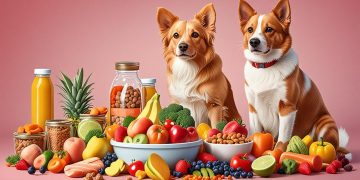
The Importance of Fats in Pet Diets: Benefits and Healthy Sources

Fats are essential in pet diets, providing energy, promoting healthy skin and coat, and supporting cognitive function. By selecting quality sources like fish oil, flaxseed, and coconut oil, pet owners can enhance their furry companions' overall well-being, ensuring they lead vibrant and active lives.

The Influence of Local Agricultural Practices on Pet Nutrition in Nigeria

Local agricultural practices in Nigeria significantly impact pet nutrition, enhancing diets through fresh, locally sourced ingredients. As awareness of sustainable farming grows, pet owners increasingly embrace the nutritional benefits of indigenous crops, fostering healthier pets and supporting local communities. This paradigm shift promotes a sustainable future for both agriculture and pet health.