Challenges of Reducing Clutter in Modern and Connected Lifestyles

Understanding the Impact of Clutter in Modern Life
In a world increasingly shaped by technological advancements, the challenge of managing clutter—from physical possessions to digital clutter—has reached unprecedented levels. The fast-paced, hyper-connected lifestyle many lead today offers convenience but often comes at a cost. The sheer volume of items and information that inundate daily life can overwhelm individuals, leaving them feeling disorganized and stressed.
One significant hurdle is the abundance of information. The digital age has spawned a deluge of social media updates, emails, and instant notifications vying for our attention. A study by the American Psychological Association found that constant notifications can lead to lower productivity, leading to a perpetual state of distraction. For instance, it’s not uncommon for someone to multitask between work emails and social media while trying to engage in a virtual meeting, ultimately leading to less focus and decreased performance.
Another obstacle is the pervasive consumer culture in the United States, where advertisements and online shopping platforms encourage impulse buying. Research conducted by the National Retail Federation shows that consumers buy an average of seven pairs of shoes each year, and this trend extends beyond footwear to clothing, gadgets, and home decor. This culture not only contributes to the accumulation of unnecessary items but also promotes a cycle of guilt and anxiety associated with overconsumption.
Additionally, emotional attachment to possessions complicates the decluttering process. Individuals often find it difficult to part with gifts or family heirlooms due to the memories they represent. Websites like Pinterest and social media platforms often showcase ‘before and after’ decluttering transformations, which can inspire individuals but may also amplify feelings of inadequacy if the emotional aspect of decluttering isn’t acknowledged.
Effects of Clutter on Mental Well-being
The implications of clutter extend beyond physical spaces into the realm of mental health. Physical clutter—be it a crowded garage or an overflowing closet—can lead to increased stress and anxiety levels. A clean, organized environment is often linked to improved productivity and mental clarity, while cluttered spaces can result in feelings of chaos and overwhelm.
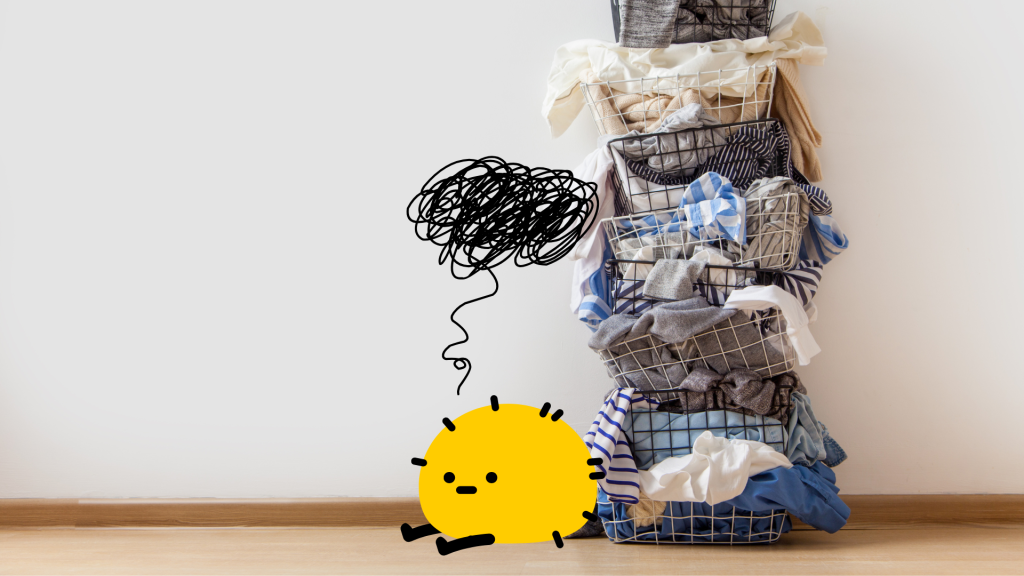
Digital clutter is equally problematic. With countless unread emails and unorganized files, individuals can experience digital fatigue, making it harder to concentrate and complete tasks efficiently. A study from the University of California found that the average worker receives over 120 emails a day, leading to digital distraction and decreased job performance.
Lastly, the lack of time exacerbates these issues. Many individuals have packed schedules that don’t leave room for self-care or organizational tasks. Without dedicated time to tackle clutter, it can accumulate, creating an ongoing cycle of disorganization. Understandably, it can feel daunting to embark on a decluttering journey when life is already demanding.
By recognizing these essential challenges, individuals can begin to take concrete steps toward creating a more sustainable and organized lifestyle. Understanding the factors contributing to clutter paves the way for effective strategies to regain control over personal spaces and mental well-being.
DISCOVER MORE: Click here to learn how minimalism can enhance your efficiency
Navigating the Clutter Conundrum
As we delve deeper into the complexities of reducing clutter in our modern and connected lifestyles, it becomes evident that multiple dimensions contribute to ongoing disorganization. This phenomenon is not merely a personal struggle but a collective challenge faced by many in today’s fast-paced society. Understanding these layers can illuminate a clearer path toward effective decluttering.
One prominent challenge is the ever-present information overload. The convenience of technology has resulted in a surge of data entering our lives. From work-related projects to personal interests, our devices are constantly bombarded with notifications. A 2022 study by the Pew Research Center reported that over 80% of Americans feel overwhelmed by the influx of digital messages. This barrage can lead to what experts refer to as “decision fatigue,” where the sheer number of choices leads to mental exhaustion rather than clarity, making it difficult to prioritize and sort through necessary information.
Moreover, the impact of social media can’t be overlooked. Platforms designed to foster connection often exacerbate feelings of inadequacy and the need for constant consumption. Users often find themselves exposed to curated lifestyles that reflect minimalism or organization, creating an unrealistic benchmark to aspire to. This phenomenon raises the question: How does one reconcile the idealized portrayal of a tidy home with the reality of everyday life? The pressure to maintain an ‘Instagram-worthy’ space can lead individuals to accumulate more items, striving for perfection rather than managing what they already possess.
Another hurdle in reducing clutter is the sentimental value of possessions. Emotional attachments to items often complicate the decluttering process. Whether it’s a birthday gift from a loved one or a family heirloom, the reluctance to part with such items stems from a desire to preserve memories. Yet, statistics show that nearly 80% of belongings are rarely used, suggesting that many of these possessions occupy valuable space without providing equivalent value to our lives. The challenge lies in distinguishing between items that are truly cherished and those which merely clutter our environments.
When it comes to tackling physical clutter, the lack of effective organization strategies can also hinder progress. Many individuals are unaware of practical methods to sort, donate, or dispose of excess items. To aid those struggling with this challenge, consider the following organizational strategies:
- Implement the “One In, One Out” Rule: For every new item brought into the home, commit to letting go of another.
- Schedule Regular Decluttering Sessions: Dedicate time each month to assess belongings and create a more functional living space.
- Utilize Storage Solutions: Invest in storage options that promote organization and easy access, thereby reducing visual clutter.
Finally, the interconnectedness of modern technology introduces a new layer of challenge. The proliferation of smart devices in homes, from smart speakers to home assistants, increases reliance on digital organization but simultaneously breeds a new form of clutter—both digital and physical. As more devices are added to our lives, the need for streamlined organization becomes even more urgent. Engaging in thoughtful consideration around the tools we incorporate into our daily routines can make significant strides toward minimizing chaos.
Tackling clutter may seem daunting, especially in a world that never stops moving. However, by recognizing the multifaceted challenges present in our lives and adopting thoughtful strategies, it is possible to reclaim order in both our spaces and our minds.
In the context of modern and connected lifestyles, one of the primary challenges individuals face is the overwhelming amount of information and physical items vying for their attention. The digital age has not only introduced new forms of clutter but has also amplified the existing chaos. Smart devices, notifications, and continuous connectivity can lead to mental fatigue, making it increasingly difficult to focus on the essentials.
Moreover, the pressure to maintain a curated online persona often leads to an accumulation of unnecessary digital content. Social media platforms encourage sharing, resulting in a proliferation of photos, messages, and digital memorabilia that contribute to a cluttered digital space. This challenge is compounded by the fear of missing out (FOMO), which drives individuals to continually acquire new experiences and possessions, further thickening the clutter.
Additionally, our homes are no longer just places for living; they have transformed into multifaceted hubs for work, entertainment, and online shopping. This transformation has led to a blend of personal and professional clutter, intensifying feelings of disorganization. The availability of e-commerce has made it all too easy to accumulate items, often leading to a cycle of buying, hoarding, and discarding.
As we navigate this challenge, strategies such as mindful consumption, digital decluttering, and embracing minimalism can offer pathways to reduce the chaos. By prioritizing what truly matters and learning to let go of excess, it’s possible to reclaim mental and physical space in our lives, fostering a more balanced and serene environment.
| Category | Description |
|---|---|
| Digital Clutter | The accumulation of unwanted files, notifications, and applications on devices. |
| Physical Clutter | The excessive collection of items in living spaces, including home offices and storage areas. |
| Mindful Consumption | A strategy focused on intentional purchasing and valuing quality over quantity. |
| Digital Decluttering | Regularly managing and organizing digital files and applications to enhance productivity. |
These points encapsulate the emerging trends and obstacles in our quest for a decluttered existence amidst the chaos of modern life. Embracing these strategies could dramatically improve mental well-being and create a sense of more profound fulfillment.
DISCOVER MORE: Click here to learn about the benefits of mindfulness in minimalist living</
Confronting the Emotional Dimension
Alongside the tangible and digital clutter, an often-overlooked aspect of reducing clutter is the pervasive emotional burden that accompanies our possessions. The act of decluttering can trigger feelings of anxiety, guilt, and nostalgia, making it challenging for individuals to navigate through their belongings effectively. This psychological weight can be particularly pronounced for those who have experienced significant life changes, such as a loss or major lifestyle transition, as they grapple with the emotional ties to their possessions.
Furthermore, studies indicate that emotions associated with decluttering can hinder the decision-making process. According to research published in the journal Psychological Science, the impact of emotions on decision-making can sometimes lead to what is known as bounded rationality, where emotional factors can cause individuals to make less than optimal choices regarding what to keep or discard. This can stall progress in the decluttering journey and often leads to procrastination, ultimately perpetuating feelings of chaos.
Another significant challenge arises from the consumer culture pervasive in American society today. With the rise of e-commerce, particularly post-pandemic, purchasing behaviors have shifted dramatically. A report from Statista showed that online shopping in the United States reached record highs, with over $900 billion in sales in 2021 alone. This constant influx of new products, often promoted by targeted advertising, places excess temptation on consumers, who find themselves caught in a cycle of acquiring more items without fully considering their long-term utility or necessity.
In addition, modern conveniences, such as subscription services, further exacerbate this clutter crisis. With just a few clicks, individuals can have a plethora of items delivered to their doorsteps, creating an overwhelming influx of belongings. Many individuals may find themselves unintentionally enrolled in multiple subscription boxes, leading to unopened items accumulating in their homes, which can negatively impact their physical spaces and mental well-being. A survey conducted by Mintel highlighted that nearly 30% of respondents were struggling with managing these subscription services, indicating a growing issue related to expectational consumerism.
The environmental repercussions of clutter also deserve attention. The modern cultural phenomenon of mass consumption contributes to an increase in waste. As possessions pile up, many individuals choose to dispose of items rather than donate, recycling, or upcycling them. Reports indicate that nearly 25 billion pounds of clothing are sent to landfills in the U.S. each year, illustrating the excess that modern lifestyles generate. This realization brings forth a pivotal question about sustainability; how can we align our decluttering efforts with responsible consumption?
Yet, within this complex web of challenges lies an opportunity for those seeking change. Increasing awareness of the impact of consumption habits can motivate individuals to adopt more sustainable practices. Utilizing online resources, including community programs for donation or recycling, can aid in creating a more organized living situation while having a positive effect on the environment.
By acknowledging the emotional dimensions, the consumer culture influences, and the environmental impacts, individuals can better equip themselves to confront the numerous challenges of reducing clutter in their increasingly connected lives. Each challenge offers pathways to not just decluttering physical space, but also enhancing mental clarity in a world saturated with excess.
DISCOVER MORE: Click here for effective clutter reduction strategies
Finding Balance in a Cluttered World
The journey to reduce clutter in our modern and connected lives is a multifaceted challenge that invokes emotional, psychological, and societal dynamics. As we’ve explored, the emotional tethering to our possessions complicates the decluttering process, often leading to a paralysis that hinders effective decision-making. Coupled with the relentless flow of consumerism and the convenience of subscription services, individuals find themselves navigating a maze of acquisition and emotional attachment that ultimately undermines their quest for clarity and simplicity.
Moreover, the environmental implications of our consumption habits compound the urgency for change, raising awareness about the vast amounts of waste generated from our lifestyles. With nearly 25 billion pounds of clothing ending up in landfills annually, it becomes imperative to not only declutter our homes but also to cultivate a mindset of sustainability and responsible consumption.
However, amidst these daunting challenges lies a glimmer of hope. As awareness grows concerning our habits and the cumulative effects of clutter, individuals can adopt practical strategies such as mindful purchasing, engaging in local recycling initiatives, and exploring creative upcycling options. Leveraging digital resources for decluttering, donation platforms, and community organizing can further aid in fostering a sense of control over our living spaces.
Ultimately, reducing clutter is less about achieving perfection and more about finding equilibrium within our lives. By embracing a holistic approach that addresses emotional ties, consumer culture, and environmental considerations, we open ourselves to a lifestyle that values quality over quantity. The path to clarity is thus illuminated—not through the sheer act of discarding but through intentional living, conscious choices, and a commitment to simplicity in an ever-connected world.