Common Diseases in Pets and How to Prevent Them in Urban Environments in Nigeria
The Importance of Pet Health in Nigerian Cities
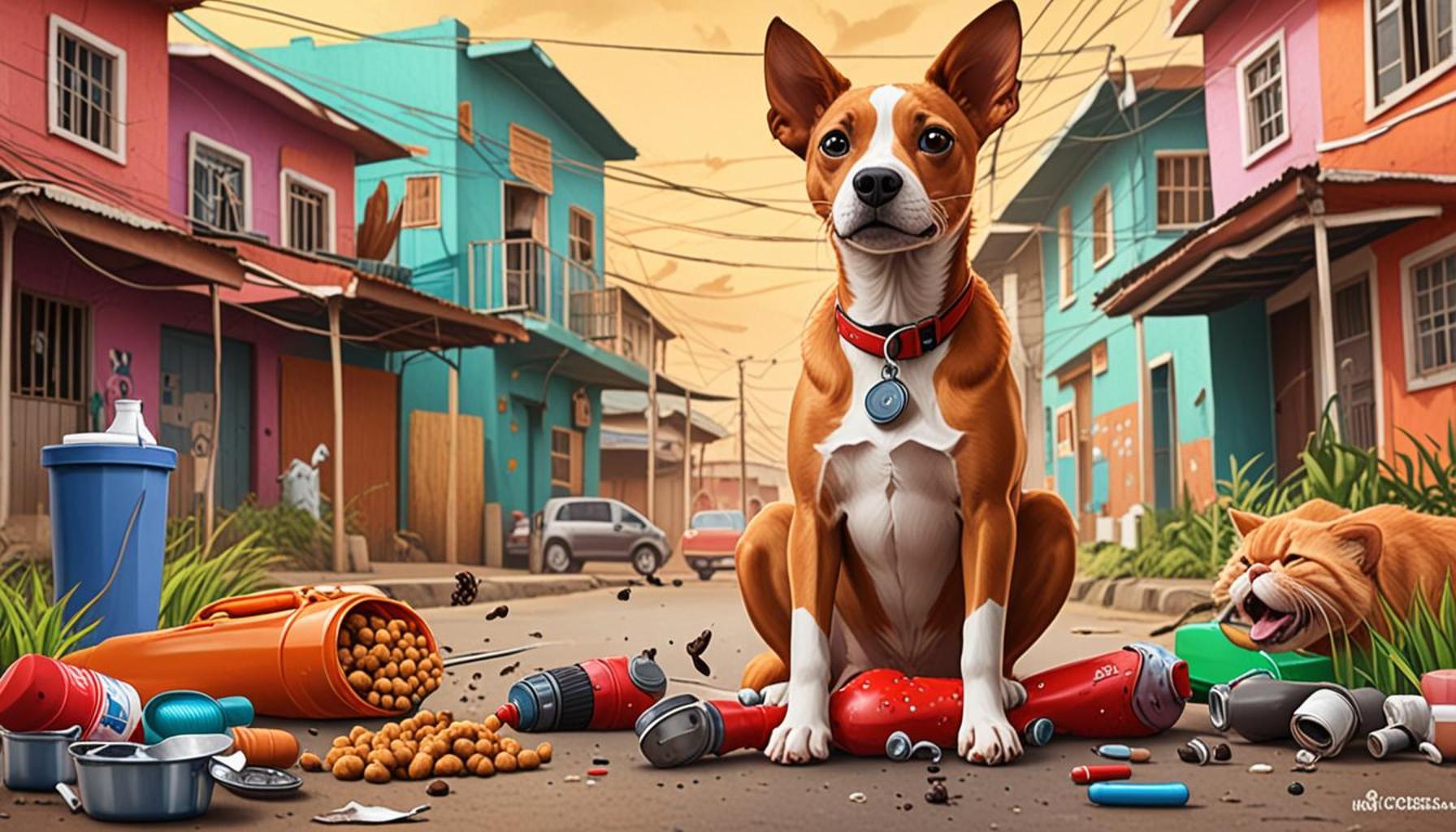
Urban living in Nigeria presents a unique crossroads for pet owners. The vibrant lifestyle combined with the challenges of crowded surroundings creates an environment that is both enriching and fraught with risks for pets. As cities like Lagos, Abuja, and Port Harcourt grow, the potential for exposure to various health threats increases, making it essential for pet owners to be vigilant and informed about their pets’ health.
Among the myriad of health issues pets face in urban areas, several diseases have emerged as particularly concerning:
- Canine Parvovirus: This is a highly contagious virus that primarily affects dogs, especially puppies who have not yet been vaccinated. Symptoms include severe vomiting and diarrhea, leading to rapid dehydration. Parvovirus can be fatal if not addressed promptly, making understanding its transmission critically important for pet owners.
- Rabies: This viral disease poses a significant risk, particularly in densely populated areas where stray animals may be common. Rabies can be transmitted through bites and has a near 100% fatality rate once symptoms appear. The good news is that it is highly preventable through routine vaccinations, which all pet owners should prioritize.
- Leptospirosis: This bacterial disease is often contracted through contaminated water or soil. In Nigerian cities, where flooding can be common during the rainy season, pets may inadvertently consume contaminated water, making them vulnerable to serious health complications such as liver and kidney damage.
- Obesity: As the lifestyle of pets in urban environments shifts towards more sedentary habits—mainly due to less space for exercise and an increase in calorie-dense diets—obesity has become a rising concern. This condition can lead to numerous health issues, including diabetes, heart disease, and joint problems. Owners must be proactive in ensuring their pets receive adequate physical activity and nutritional balance.
Understanding these prevalent diseases is just the first step; preventive measures are vital in safeguarding our furry companions. Pet owners in Nigeria should consider the following approaches:
- Regular veterinary check-ups: Early diagnosis often leads to better outcomes. Veterinary clinics in urban areas frequently have access to modern diagnostic tools and treatments.
- Routine vaccinations: Following a vaccination schedule can help protect pets from various diseases, including rabies and parvovirus, which can spread quickly in communities with high animal populations.
- Proper nutrition and exercise: Balancing a pet’s diet with regular play and exercise not only combats obesity but also supports overall physical and mental health. Engaging in activities such as walking in parks or joining pet-friendly community events can enhance their quality of life.
By diving deeper into these health challenges and adopting proactive strategies, pet owners in Nigeria can ensure their beloved companions lead healthy, happy lives amidst the hustle and bustle of urban living. In the upcoming sections, we will further explore each of these diseases, their transmission methods, and effective preventive strategies that can make a significant difference. Knowledge is power, and for all pet owners, a focus on health will undoubtedly enhance the bond shared with their furry friends.
YOU MAY ALSO LIKE: Read read another article
Identifying Common Pet Diseases in Nigerian Urban Areas
In the heart of bustling Nigerian cities, pet owners must be aware of the common diseases that can significantly affect the health and well-being of their furry companions. Urban environments create unique conditions that can facilitate the spread of various ailments. Recognizing the symptoms and understanding how these diseases thrive is essential for every pet owner. Below, we highlight a few prevalent illnesses that pose considerable risks in urban settings:
- Canine Parvovirus: Notorious for its rapid spread, canine parvovirus thrives in communal spaces—like parks and streets where multiple dogs congregate. Puppies, unvaccinated or inadequately vaccinated, are especially susceptible. Signs of infection include extreme lethargy, intense vomiting, and bloody diarrhea. Timely medical intervention can save lives, but prevention through tilting towards dog vaccination is crucial. Pet owners should ensure their puppies receive a full vaccination series starting at six weeks of age.
- Rabies: With urban wildlife and unmonitored stray animals lurking, rabies remains an ever-looming threat. Though rare in vaccinated pets, the presence of rabid wildlife can expose outdoor pets to this deadly virus. Highlighting the necessity for routine vaccinations, the World Health Organization underscores that rabies vaccines are vital for all pets, particularly in cities where stray populations are prevalent.
- Leptospirosis: This bacterial infection is closely linked to water contamination, particularly during the rainy season. Dogs can contract leptospirosis by drinking stagnant water or through contact with urine from infected animals. Symptoms might manifest as fever, vomiting, and jaundice, which can lead to severe complications. Owners should be aware of the risks during the rainy season and ensure their pets have access to clean water to minimize exposure.
- Obesity: In urban environments where walking spaces may be limited, pets often lead more sedentary lives, resulting in obesity. Obesity is an increasing concern as it leads to other serious health complications such as diabetes, arthritis, and heart disease. To combat this trend, pet owners should regulate their pet’s diet and encourage regular exercise. Simple activities like neighborhood walks or engaging in play at dog parks can significantly contribute to a pet’s overall fitness and quality of life.
Each of these diseases presents distinct challenges in urban settings, but with vigilance and informed action, owners can take significant steps to protect their pets. Emphasizing preventive healthcare is critical, and making regular veterinary visits a priority allows for early intervention and management of potential health threats.
In the next segment, we will delve deeper into prevention strategies that can shield pets from these diseases, ensuring that they thrive amid the urban sprawl of Nigerian cities. By arming themselves with knowledge, pet owners can foster healthier, happier lives for their beloved companions.
| Common Diseases | Prevention Measures |
|---|---|
| Canine Parvovirus | Vaccination and hygiene practices in high-traffic areas. |
| Feline Leukemia | Regular vet check-ups and minimization of outdoor exposure. |
| Heartworm Disease | Monthly preventatives and regular screenings. |
| Rabies | Vaccination and education on avoiding stray animals. |
In urban environments in Nigeria, pet owners should be acutely aware of the prevalent diseases impacting their animals, as these can be exacerbated by dense populations and incomplete healthcare infrastructures. Canine Parvovirus, for instance, is highly contagious and can be fatal; vaccination is essential for prevention. Similarly, Feline Leukemia can affect cats significantly, yet regular veterinary check-ups serve as a key prevention measure.Heartworm disease, often transmitted through mosquitoes, poses serious threats, while monthly preventatives and screenings can shield pets from infection. Additionally, rabies remains a concern, making vaccination and proper education paramount. By taking these preventative measures, pet owners can significantly reduce the risk of these diseases and enhance the well-being of their furry companions. Urban pet management involves a commitment to awareness and proactive measures, ensuring pets lead healthy lives.
CHECK OUT: Click here to explore more
Effective Prevention Strategies for Pet Diseases in Nigerian Urban Areas
In urban environments across Nigeria, where challenges such as overcrowding, pollution, and limited space abound, pet owners must be proactive in preventing diseases that can affect their beloved companions. Understanding the necessary measures to safeguard pets against common diseases is not only beneficial for pet health but also crucial for public health, considering the shared spaces between humans and animals. Below are actionable strategies that pet owners can implement to keep their pet’s health in check:
- Regular Veterinary Check-ups: Routine vet visits should be a cornerstone of any pet care routine. Annual or biannual examinations allow veterinarians to identify potential health issues early on, ensuring timely vaccinations and diagnostic tests. These check-ups enable pet owners to stay informed about their pet’s health status and receive tailored preventive care, addressing risk factors specific to urban living.
- Timely Vaccinations: Vaccinations form an essential line of defense against infectious diseases. Pet owners should adhere to vaccination schedules recommended by veterinarians, particularly for conditions like rabies and canine parvovirus. Local animal health organizations often provide resources regarding vaccination clinics, making it easier for pet owners to access essential vaccines at various intervals.
- Leash and Harness Safety: Stray animals pose a significant risk for transmitting diseases such as leptospirosis. Pet owners should ensure their dogs are leashed when outdoors to prevent them from wandering into contaminated areas or interacting with stray animals. A strong, well-fitted harness not only keeps pets safe but also enables better control, reducing the risk of accidents.
- Maintain Clean Water Sources: Access to clean and fresh water is crucial in urban areas. Stagnant or contaminated water sources increase the likelihood of exposure to leptospirosis. Pet owners should provide animals with filtered or boiled water and avoid allowing them to drink from puddles or open drains, especially during the rainy season.
- Nutrition and Regular Exercise: Balancing high-quality pet food while maintaining a routine for physical activity plays a vital role in preventing obesity. Urban pets may lack exercise due to limited outdoor spaces; hence, pet owners should engage in daily walks or fetch games in nearby parks to promote fitness and stave off obesity-related diseases like diabetes or heart disease.
- Flea and Tick Control: Urban environments can be hotspots for fleas and ticks, which may lead to secondary infections or diseases like Lyme disease. Pet owners are advised to use veterinarian-approved flea and tick preventive products. Regular grooming can also help in identifying any infestations early, ensuring prompt treatment.
- Promote Responsible Pet Ownership: Engaging with the local community to promote responsible pet ownership creates a more understanding and safer environment for pets. Spaying and neutering reduce the number of strays, thus decreasing the risk of disease transmission. Furthermore, responsible pet ownership includes educating others about the importance of vaccination and regular vet check-ups.
By incorporating these preventive measures into their daily routines, pet owners in Nigerian urban areas can enhance their pets’ quality of life while reducing the risk of diseases that are commonplace in their environment. Empowered with knowledge and a proactive stance, they can pave the way for healthier pet populations in cities.
ADDITIONAL INSIGHTS: Expand your understanding here
Final Thoughts on Pet Health in Urban Nigeria
In conclusion, the challenge of managing common diseases in pets amid the complexities of urban life in Nigeria cannot be understated. With a growing population of both humans and animals in cities, it is essential for pet owners to take an active role in the health and well-being of their furry companions. By embracing effective preventive measures such as regular veterinary check-ups, timely vaccinations, and promoting responsible pet ownership, we can significantly reduce the prevalence of diseases that threaten the health of our pets.
Moreover, the responsibility extends beyond individual households; community engagement plays a crucial role in fostering an environment conducive to healthier pets. Initiatives that educate and inform pet owners on the significance of disease prevention can lead to a united front against potential outbreaks, improving not just the lives of pets but enhancing public health overall.
As urban residents of Nigeria, pet owners must navigate the unique challenges posed by their environment, including pollution, limited space, and the interaction with stray animals. By implementing simple yet effective strategies, such as maintaining clean water sources and ensuring proper nutrition, we can create a safer and healthier urban habitat for our pets. Ultimately, with vigilant care, education, and community cooperation, we can look forward to a future where urban pets thrive, free from the common diseases that plague them today.