Digital Minimalism: How to Limit Information and Increase Personal Efficiency
Understanding Digital Minimalism
In today’s fast-paced digital landscape, information overload has become a common challenge. With constant notifications, social media updates, and endless streams of data, maintaining focus can feel nearly impossible. This is where digital minimalism steps in, offering a pathway to reclaiming your attention and enhancing your productivity. It empowers individuals to be more selective about their digital interactions, thereby fostering a more intentional life.
The Essence of Digital Minimalism
Digital minimalism isn’t merely about reducing screen time; it involves making strategic decisions that enhance personal efficiency and well-being. Below are key aspects that define the practice:
- Intentional Device Usage: By limiting the time spent on devices, individuals can prioritize meaningful interactions. For example, setting specific hours for social media use can help reduce mindless scrolling and encourage face-to-face conversations, which have been shown to improve emotional well-being.
- Curated Information Sources: In a world inundated with news and entertainment, curating content means selecting only the most relevant platforms and materials that align with personal values and goals. This could involve unsubscribing from newsletters that clutter the inbox and focusing on quality rather than quantity, such as following only a few trusted news sources or educational content providers.
- Mindful Consumption: Developing habits around consuming digital content intentionally, rather than passively, is crucial for digital minimalists. This might involve actively engaging with content by taking notes or discussing with others, rather than consuming information in a disjointed or distracted manner.
With a significant number of Americans finding themselves overwhelmed by distractions, the necessity of a disciplined approach becomes all the more apparent. Research indicates that individuals who adopt minimalistic digital habits report higher satisfaction and increased productivity. A study by the American Psychological Association found that reducing digital distractions can lead to enhanced focus and creativity, allowing individuals to engage more deeply in their work and relationships.
Moreover, this approach diminishes feelings of anxiety commonly associated with constant connectivity. Fostering a more meaningful connection in both personal and professional spheres can lead to richer interactions and a stronger sense of community. When individuals take the time to disconnect from digital distractions, they often find that they are more present with friends and family, enriching their social lives.
By embracing digital minimalism, you can discover powerful strategies to streamline your digital life and enhance your productivity. By limiting information consumption and focusing on what truly matters, you pave the way for a more intentional existence, one where each interaction and experience has a purpose. Join us as we explore specific actionable steps and strategies to help you harmonize your relationship with technology, reinvigorating your daily life and restoring your mental clarity.
DISCOVER MORE: Click here to enhance your space
Implementing Digital Minimalism in Daily Life
Adopting the principles of digital minimalism in your daily routine can significantly transform your relationship with technology. By streamlining your digital interactions, you can reclaim valuable time, foster genuine connections, and enhance your overall productivity. To get started, consider the following practical strategies:
- Establish Digital Boundaries: Setting clear limits on when and how you use your devices is essential. For instance, designating ‘tech-free’ zones or times—such as during meals or the first hour after waking—can help cultivate a sense of presence. By establishing these boundaries, you train your mind to engage more fully with the world around you, reducing the urge to check notifications.
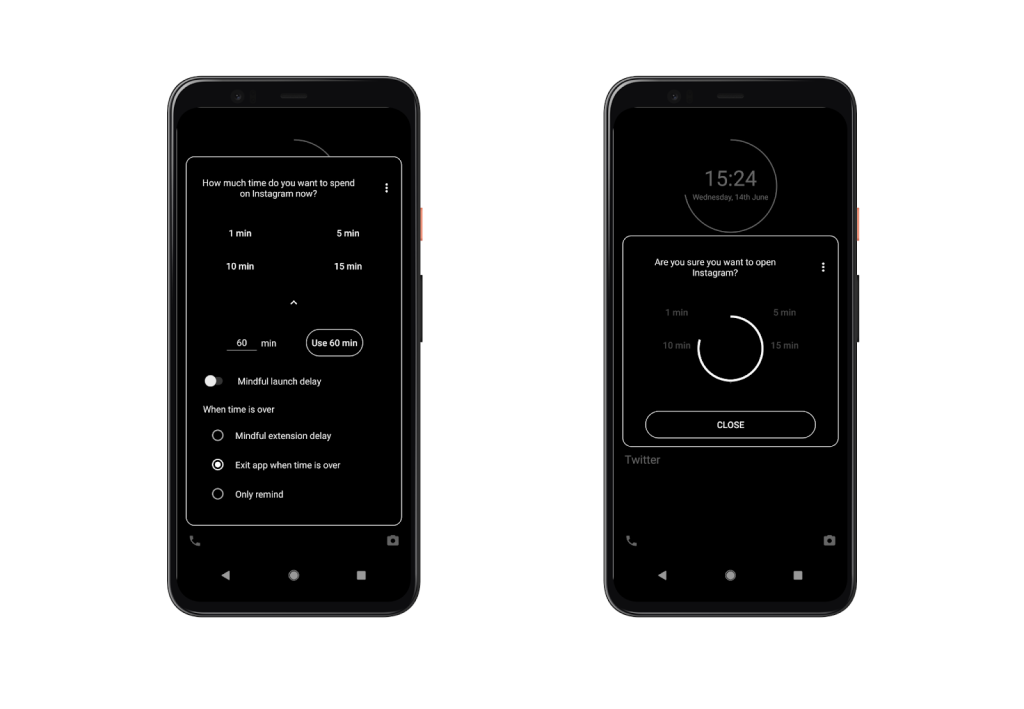
- Utilize Focus Tools: Numerous apps and features are designed to help minimize distractions. Digital wellbeing tools, such as focus timers or notification management systems, can assist in creating focused work sessions. Implementing techniques like the Pomodoro Technique—where you work for 25 minutes, followed by a 5-minute break—can enhance concentration and productivity.
- Opt for Quality over Quantity: Instead of following countless social media accounts or subscribing to numerous newsletters, take the time to curate your digital spaces. Identify platforms and sources that resonate with your interests and values, and actively engage with that content. This curation not only reduces cognitive load but also enriches your online experience, providing meaningful content that encourages thoughtful engagement.
Studies show that the average American spends nearly seven hours a day interacting with digital devices. This staggering amount of time contributes to cognitive overload and stress, prompting many individuals to seek a more balanced approach. A comprehensive survey conducted by the Pew Research Center found that a majority of adults are concerned about the potential impact of digital distractions on their mental health, highlighting the need for effective strategies for digital well-being.
Additionally, research from the University of California, Irvine, indicates that it can take an average of 23 minutes to regain focus after an interruption. This statistic underscores the importance of minimizing daily distractions to maintain efficiency. By embracing digital minimalism, you can create a work environment conducive to deep thinking and innovation.
Furthermore, adopting a minimalist approach exposes the stark contrast between passive consumption and active participation. Engage with content actively by journaling your thoughts, discussing ideas with peers, or summarizing key takeaways post-session. Such practices not only deepen your comprehension but also help solidify the knowledge you acquire, enhancing your retention and application of information.
In conclusion, integrating digital minimalism into your routine offers a pathway to achieving higher levels of personal efficiency. By evaluating and refining your digital habits, you can reclaim the time lost in repetitive scrolling and distractions. The journey toward digital minimalism requires intention and patience, but the rewards—improved focus, enhanced productivity, and deeper connections—are well worth the effort. In the next sections, we will delve into actionable steps to maintain these practices and further explore the impact of digital minimalism on productivity and personal well-being.
| Advantage | Description |
|---|---|
| Reduced Stress | By filtering out irrelevant information, individuals experience a significant decrease in cognitive overload, leading to improved mental clarity. |
| Enhanced Focus | Digital minimalism encourages prioritizing essential tasks, resulting in greater productivity and a more effective use of time. |
Adopting digital minimalism can revolutionize how we interact with technology. Embracing this approach aids in curating our digital environments, thereby allowing us to focus on what truly matters. As information overload becomes increasingly common, it is crucial to recognize how limiting distractions enhances one’s ability to function efficiently in both personal and professional settings. By disconnecting from unnecessary digital noise, we can reclaim time, creativity, and focus, enabling us to pursue endeavors that genuinely enrich our lives. Moreover, practicing digital minimalism is more than just a fleeting trend; it represents a fundamental shift in how we value our time and attention in today’s fast-paced world. This concept not only facilitates personal growth but also enhances the quality of our connections with others, thus creating a ripple effect that can profoundly impact our communities. Interested in the specific strategies to achieve this? Stay tuned as we delve into actionable steps to implement digital minimalism in your daily routine.
DISCOVER MORE: Click here for minimalist tips
The Benefits of Embracing a Digital Minimalist Lifestyle
In a world saturated with information, the practice of digital minimalism has emerged as a beacon of clarity. The benefits of adopting a minimalist approach to technology extend beyond mere time savings; they touch on various aspects of well-being and productivity. Understanding these advantages can motivate individuals to pursue a more streamlined digital life.
Enhanced Mental Clarity: Reducing information overload allows for improved mental clarity. Studies indicate that too much information can lead to decision fatigue and decreased productivity. According to a report from McKinsey & Company, employees spend an average of 28% of their workweek managing emails alone. By limiting unnecessary digital interactions, we can clear cognitive space for critical thinking and creative problem-solving.
- Improved Cognitive Performance: Engaging with fewer, more meaningful sources of information can enhance cognitive performance. Research conducted at Stanford University found that multitasking significantly impairs an individual’s ability to focus and process information. Digital minimalism encourages deep, focused work, helping to foster a state of flow—a mental state where individuals can fully immerse themselves in their tasks.
- Better Sleep Quality: The link between screen time and sleep quality is well-documented. A study published in the journal Sleep Health revealed that increased screen exposure before bed correlates with poorer sleep, ultimately affecting productivity. By embracing digital minimalism, individuals can establish a pre-sleep routine that limits screen time, paving the way for deeper, more restorative slumber.
Strengthened Relationships: Another significant benefit of digital minimalism is its potential to enhance personal relationships. The National Institute of Health highlights that excessive digital engagement can lead to feelings of isolation, despite being more connected than ever. By prioritizing face-to-face interactions and quality conversations, individuals can nurture stronger emotional bonds with family and friends, which are essential for mental and emotional health.
Real-World Examples
Numerous public figures and companies have adopted principles of digital minimalism to enhance their productivity and overall quality of life. Notably, the success of tech moguls like Bill Gates and Steve Jobs in promoting uninterrupted focus is well-documented. Gates famously takes “think weeks,” during which he disconnects from digital distractions to focus on strategic planning and creative thought.
Even companies like Basecamp promote a culture of less technology reliance, advocating for a four-day workweek and limiting email communication. This approach has not only improved their employees’ mental health but also resulted in increased efficiency and satisfaction in their work.
Adopting Mindful Consumption
Being selective about information intake is a crucial component of digital minimalism. To cultivate mindful consumption, consider the following practices:
- Regularly Audit Subscriptions: Take time to review your email subscriptions and social media followings. Unsubscribe from newsletters that don’t provide value or instigate meaningful engagement. Limit social media connections to those who enrich your feed with insightful content.
- Practice Intentional Reading: Instead of passively scrolling through articles, establish a reading list comprised of books and lengthy articles that challenge your existing beliefs and expand your knowledge. This practice fosters critical thinking and deeper learning.
Embracing these strategies can lead to a more fulfilling relationship with technology, allowing individuals to prioritize their time and mental well-being while navigating the digital landscape more effectively.
DISCOVER MORE: Click here to enhance your productivity
Conclusion
As we navigate an increasingly complex digital landscape, the principles of digital minimalism offer a pathway to reclaiming our time, mental clarity, and overall well-being. The advantages that come from limiting information intake—such as enhanced cognitive performance, improved sleep quality, and stronger interpersonal relationships—serve as compelling reasons to adopt this lifestyle. In a society where distractions are rampant and the pressure to stay connected is ever-present, simplifying our digital environments is not merely a luxury, but a necessity for sustainable productivity.
Moreover, the concept of mindful consumption empowers individuals to make intentional choices about how they engage with technology. By auditing our digital lives and focusing on meaningful interactions, we open the door to a more enriching relationship with our tools, enhancing both personal efficiency and emotional satisfaction. The inspiring practices of icons like Bill Gates and organizations such as Basecamp provide tangible examples of the tangible benefits digital minimalism can yield.
In conclusion, the journey toward a more minimalist digital existence is not without its challenges, but the potential rewards are immense. As we strive for a balance between connectivity and solitude, embracing a digital minimalist lifestyle can guide us toward not only increased efficiency but also a healthier, more fulfilling way of living in an interconnected world.