Healthy Eating for Dogs: Practical Tips for Balanced Nutrition
Understanding the Role of Nutrition in Your Pet’s Life
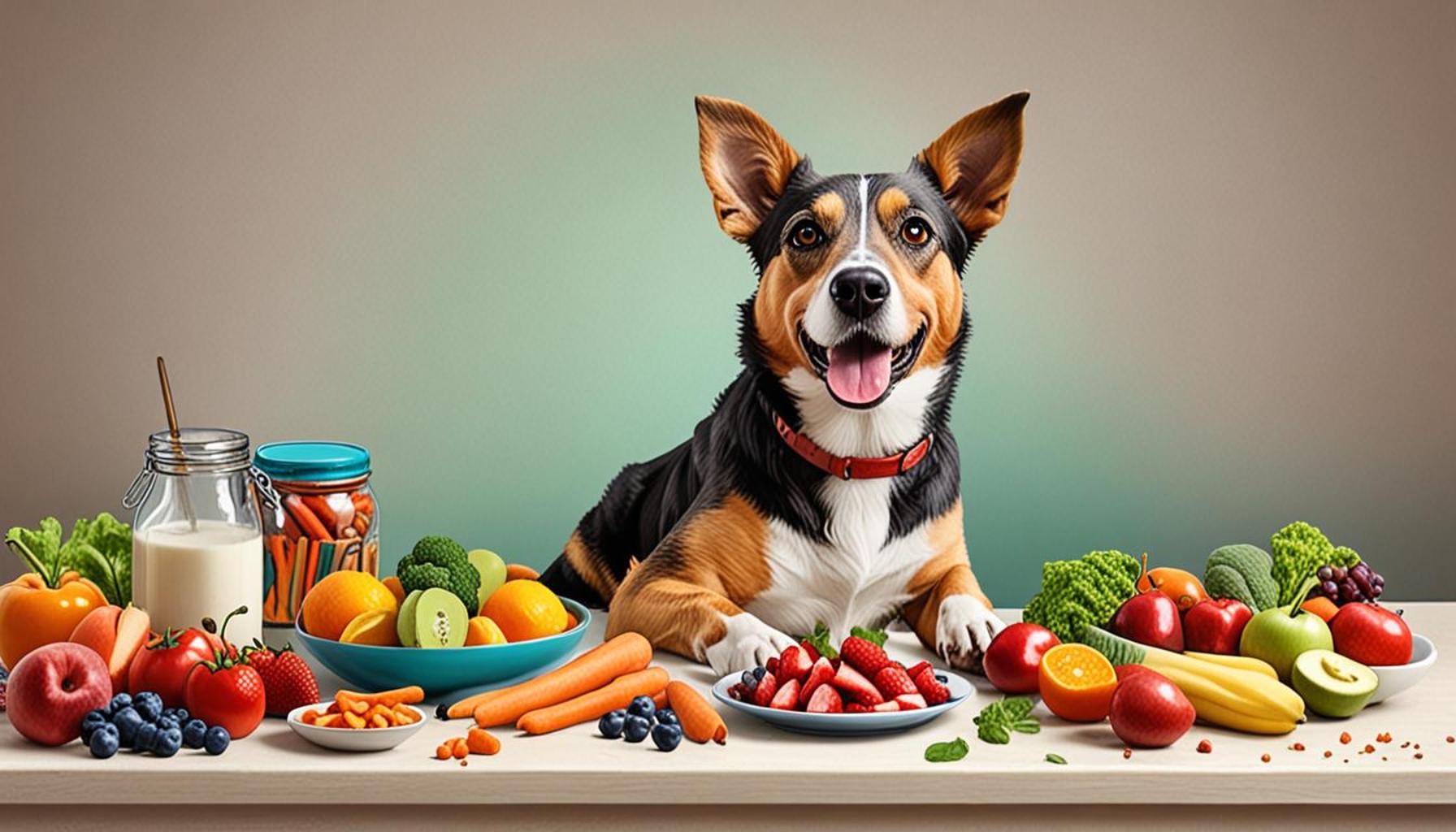
Providing healthy eating options for dogs is essential for their overall well-being. Just like humans, dogs require a balanced diet to thrive and maintain a healthy lifestyle. With the rise in pet ownership in Nigeria, understanding how to nourish our furry friends properly is more important than ever, especially considering the contemporary shifts in pet care and the increasing awareness about animal welfare.
Key Components of a Balanced Dog Diet
Dogs have unique dietary requirements that must be met to keep them vibrant and energetic. Here are some essential components of a balanced dog diet that every pet owner in Nigeria should consider:
- Proteins: Vital for muscle growth and repair, proteins are fundamental for a dog’s diet. Lean meats such as chicken, turkey, and fish provide the necessary amino acids. For example, incorporating fish like tilapia, commonly available in Nigerian markets, not only offers essential protein but also contains omega-3 fatty acids, which benefit skin and coat health.
- Carbohydrates: Carbohydrates serve as a crucial energy source. Opt for wholesome options like brown rice, whole grains, and vegetables like sweet potatoes and carrots. These can be easily integrated into homemade meals, providing fiber and important nutrients that promote digestion and sustain activity levels.
- Fats: Healthy fats support brain function and provide energy. Adding sources such as fish oil or chicken fat can enhance nutritional content. These fats are particularly important in tropical climates like Nigeria, where they help maintain skin health and prevent inflammation.
While considering these components, it’s also essential to monitor your dog’s food intake and make adjustments based on factors such as age, weight, and activity level. It is common for pet owners to underestimate portion sizes, which can lead to obesity—a growing concern in Nigeria, affecting not just the health but the quality of life of our pets.
Making Healthy Choices
Educating yourself on healthy eating for dogs sets a solid foundation for enhancing your pet’s nutrition. By making informed decisions about your dog’s meals, you can help prevent common health issues ranging from obesity to diabetes, leading to a happier, longer life for your furry companion. Moreover, local resources such as community workshops on pet nutrition or input from veterinarians can provide valuable guidance.
As pet lovers, we must also delve into practical tips for maintaining a nutritious diet for our dogs. Exploring local ingredients that can be incorporated into their meals could not only save costs but also keep feeding routines aligned with regional availability. Understanding the right balance and knowing healthy local food options can lead to a thriving pet population in Nigeria. By prioritizing proper nutrition, we can foster a culture that truly values the health and happiness of our canine companions.
ADDITIONAL INSIGHTS: Expand your understanding here
Creating a Nutritious Feeding Plan
As a responsible dog owner in Nigeria, crafting a nutritious feeding plan for your pet is one of the most significant aspects of pet care. To achieve this, it’s not just about understanding the basic components of their diet but also about tailoring meals to meet the specific needs of your dog. You must consider factors such as age, breed, size, and lifestyle, as these can considerably influence dietary requirements.
Tailoring Meals for Different Life Stages
Dogs have varying nutritional needs at different stages of their lives. Puppies, for example, require more calories and nutrients to support their rapid growth and development. As they transition into adulthood, their dietary focus shifts to maintaining a healthy weight and preventing obesity. Senior dogs, on the other hand, may require easily digestible food with reduced calories to keep them active without causing weight gain.
Here’s how to structure a balanced diet for dogs according to their life stage:
- Puppies: Focus on high-quality puppy food that includes proteins, calcium, and DHA to support brain development. Look for brands specifically formulated for puppies, as they contain the essential nutrients needed for growth.
- Adult Dogs: For adult dogs, ensure their meals are well-balanced, consisting of about 18-25% protein and 5-15% fat. This diet supports muscle maintenance and energy without leading to excess weight. Incorporating fresh vegetables can help manage calorie intake while providing fiber.
- Senior Dogs: Older dogs benefit from a diet that is lower in calories but higher in fiber. Nutrients like glucosamine and chondroitin, often found in senior dog foods, can assist in joint health, making it easier for them to stay active.
Understanding Food Labels
When selecting commercial dog food, often found in local markets across Nigeria, it’s essential to read food labels carefully. Just like human food, dog food is often marketed with a variety of claims that may not always align with nutritional needs. Ingredients are typically listed by weight, meaning the first ingredient should ideally be a quality source of protein, such as ‘chicken’ or ‘beef’. Avoid foods that list ‘meat by-products’ or fillers as main ingredients.
Moreover, be cautious of foods that promise weight loss without delving into the quality of ingredients. Sometimes brands cut corners, leading to malnourishment rather than achieving the intended health benefits. Engaging with local veterinarians for advice on reviewing labels can help you make better-informed choices for your dog’s diet.
Establishing a well-thought-out feeding plan that meets your dog’s unique needs is crucial in promoting their long-term health and happiness. By taking these steps to understand their dietary requirements, you not only foster a healthier pet but also create deeper bonds through the love and care you invest in their nutrition.
| Category of Nutrition | Importance for Canine Health |
|---|---|
| Protein Sources | Protein is essential for your dog’s muscle development, energy levels, and overall health. High-quality sources include chicken, fish, and legumes. |
| Components of a Balanced Diet | A balanced diet includes proteins, carbohydrates, fats, vitamins, and minerals. Each contributes distinctly to your dog’s vitality and endurance, promoting a longer, healthier life. |
| Vitamins and Minerals | Essentials like calcium and vitamins A, D, and E help in various bodily functions, including bone health and immune support. |
Understanding the elements of a dog’s diet is vital for their well-being and longevity. In addition to the core nutrients like proteins, incorporating a variety of fruits and vegetables can enhance their nutritional profile. Foods such as sweet potatoes and blueberries are not only palatable but packed with antioxidants. Moreover, ensuring hydration through adequate water intake cannot be understated; it plays a crucial role in digestion and metabolic processes. Engaging with a veterinary nutritionist can also provide tailored advice, ensuring specific dietary needs are met based on age, size, and activity level. This personalized approach can lead to better health outcomes and even enrich your pet’s life, making learning about proper nutrition an exciting journey.
YOU MAY ALSO LIKE: Read read another article
Incorporating Fresh Foods into Your Dog’s Diet
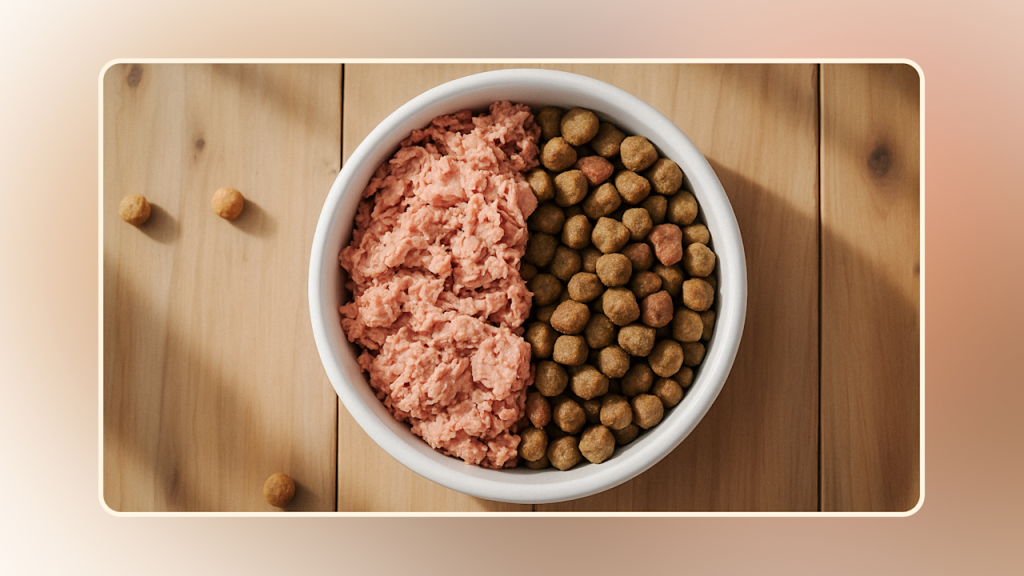
While commercial dog food provides a foundational element to your dog’s diet, incorporating fresh foods can enhance the nutritional value significantly. In Nigeria, you have access to an array of fresh, nutritious ingredients that can boost your dog’s overall health. Many dog owners overlook simple additions that can provide essential vitamins and minerals. But before diving into the addition of fresh foods, it’s important to know which items are safe and beneficial for your furry friend.
Safe Fruits and Vegetables
Many fruits and vegetables available in Nigerian markets can be wonderful supplements to your dog’s diet. For instance:
- Carrots: These crunchy treats are low in calories and high in fiber, promoting dental health while also providing essential vitamins.
- Green Beans: Rich in vitamins K, C, and manganese, green beans can be a wonderful addition. They are also low in calories, which makes them an effective snack for overweight dogs.
- Sweet Potatoes: Packed with beta-carotene and fiber, sweet potatoes offer a healthy source of carbohydrates that can boost your dog’s energy levels.
- Apples: Sliced apples (without seeds) can be a refreshing treat. They contain vitamins A and C and are beneficial for a dog’s immune system. However, moderation is key due to their sugar content.
These additions not only improve nutrition but also increase variety, keeping your dog excited about mealtime. Always introduce new foods gradually and monitor for any adverse reactions.
Understanding Toxic Foods
As exciting as it is to incorporate new foods into your dog’s diet, it’s equally vital to be aware of toxic foods that can pose serious health risks. Some common foods in Nigerian households can be harmful and should never be given to dogs:
- Chocolate: This beloved treat for humans is highly toxic to dogs, even in small amounts.
- Onions and Garlic: Both can damage a dog’s red blood cells, leading to potentially fatal conditions.
- Grapes and Raisins: These can cause kidney failure in dogs, making them dangerously toxic.
- Xylitol: A sweetener often found in sugar-free gums and candies, xylitol can lead to severe drops in blood sugar and liver failure in pets.
Always conduct thorough research or consult with a veterinarian before introducing any new food to your dog’s diet. Knowing what to avoid is just as crucial as knowing what to add.
Crafting Homemade Meals
If you’re feeling adventurous, homemade meals can also be an excellent way to control your dog’s ingredients, ensuring balanced nutrition tailored to their specific requirements. When preparing meals, use high-quality proteins, such as chicken or fish, paired with carbohydrates like rice or quinoa, and complement with fresh vegetables. Adding supplements, like fish oil, can further boost their omega-3 fatty acids intake, which is beneficial for skin and coat health.
That said, homemade diets require a careful balance to meet your dog’s nutritional needs. Consulting with a vet or a canine nutritionist can ensure you’re creating a well-rounded meal plan.
By diversifying your dog’s food sources through safe and healthy fresh foods, or even opting for homemade meals, you’re not merely feeding them—you’re investing in their health and happiness, something every dog owner in Nigeria strives for.
YOU MAY ALSO LIKE: Read read another article
Conclusion: Prioritizing Your Dog’s Nutrition for a Healthy Life
In conclusion, healthy eating for dogs is an indispensable aspect of responsible pet ownership that directly influences the quality and longevity of your furry friend’s life. Adopting a well-rounded diet that combines high-quality commercial food with fresh, safe ingredients can significantly enhance your dog’s health. By introducing safe fruits and vegetables as occasional treats or additives, you can boost their nutritional intake while adding variety to their meals. Understanding which foods are toxic to dogs is equally crucial; keeping harmful items out of their diet safeguards their well-being and prevents serious health issues.
For those who wish to take a more hands-on approach, exploring homemade meal options allows for complete control over ingredients, ensuring diets meet your dog’s unique needs. However, careful planning and consultation with a veterinarian are essential to achieving a balanced homemade diet. This not only ensures that they receive all the necessary nutrients but also fosters a deeper bond through shared mealtime experiences.
As more dog owners in Nigeria become aware of the importance of balanced nutrition, the health landscape for our beloved pets will undoubtedly improve. With the right knowledge and commitment to their dietary needs, we can cultivate happier, healthier lives for our dogs. So, let us embark on this journey of discovery and dedication, making informed choices that enhance the lives of our faithful companions.