How Genetics Influences the Behavior of Pet Breeds

The Genetic Influence on Pet Behavior
Exploring the complexities of how genetics influences the behavior of various pet breeds reveals intriguing insights into why our pets behave the way they do. Each breed has been selectively bred for particular traits that not only dictate their physical appearance but also greatly influence their instincts and personality. For instance, consider the Labrador Retriever, celebrated for its loyalty and obedience. This breed was developed to assist hunters, demonstrating an inherent desire to please humans, which translates into strong trainability and a gentle demeanor.
In contrast, cats often exhibit traits quite different from those of dogs. For example, breeds such as the Basenji are known for their more independent and often aloof behavior. These cats are less likely to seek constant attention and can thrive with minimal interaction, showcasing traits that were advantageous for survival in the wild.
Another breed worth noting is the Rottweiler, typically characterized by its robust build and strong protective instincts. Historically bred for herding and guarding, Rottweilers are often protective of their families, displaying behavior that alerts them to potential threats. This instinctual behavior can sometimes be misinterpreted as aggression, highlighting the importance of understanding what drives a pet’s behavior.
In Nigeria, the choice of pet is often a reflection of various local factors, including cultural significance and environmental adaptability. For instance, in urban settings, the limited space may influence families to choose smaller or more manageable breeds, while in rural areas, larger dogs that can guard livestock are more desirable. The local climate also plays a role in this decision-making process; breeds that can endure the heat and humidity of Nigeria are more suited for certain regions.
As we delve further into this subject, we will examine the genetic basis for inherited traits and behaviors. We will highlight specific breeds, providing case studies that illustrate their unique characteristics and the behavioral patterns associated with them. Additionally, we will explore how the combination of genetics and environment forms a critical matrix shaping the behavior of pets, leading to a deeper understanding of their needs and how best to care for them.
Through this exploration, we aim to enhance our relationship with pets, providing insights that can aid in effective training and responsible ownership. With such knowledge, pet owners can adapt their care strategies to meet the specific requirements of their furry friends, ensuring a harmonious bond between species.
RECOMMENDED: Check out this similar article
Understanding Breed-Specific Behaviors
The underlying genetics of each pet breed significantly shapes their behavioral characteristics. This genetic influence manifests in diverse ways, from energy levels to social interactions, and even predispositions to specific activities. For example, breeds like the Border Collie are renowned for their intelligence and high energy, traits that were essential for herding sheep in the rugged Scottish Highlands. These dogs require not just physical exercise, but also mental stimulation, highlighting how genetics can dictate not just what pets do, but how they thrive.
In examining how genetics affects behavior, we can look at several key factors:
- Historical Purpose: Each breed was developed with a specific function in mind. Sporting breeds like the German Shorthaired Pointer were bred for hunting, leading to high energy levels and a strong drive to pursue prey. Understanding this purpose helps owners provide appropriate environments and activities.
- Geographical Influence: The environment in which a breed developed plays a crucial role in shaping its instincts. Breeds originating in colder climates, such as the Siberian Husky, often exhibit traits necessary for survival in harsh conditions, such as endurance and pack behavior.
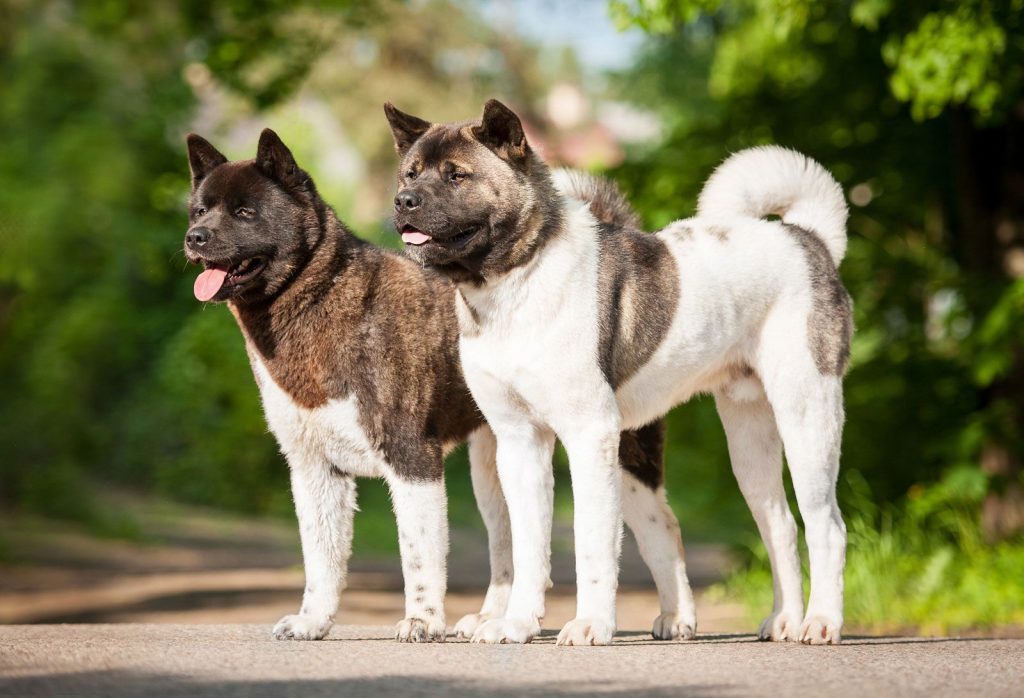
- Social Structures: Some breeds exhibit a natural tendency to form social hierarchies. For instance, Akitas are known for their loyalty to a single person while displaying a more independent demeanor, a reflection of their lineage as protectors of families.
Moreover, not all behaviors can be solely attributed to genetics; interactions with the environment and upbringing also play a vital role. For instance, a well-socialized Golden Retriever, known for its friendly disposition, may develop a more pronounced eagerness to interact with people compared to a Golden that has not had similar exposure during its formative months. This indicates a complex interplay between genetics and environmental factors, where inherited traits can either be amplified or diminished by experiences.
As we consider the significance of genetics in shaping behavior, it is crucial to understand that such traits are not deterministic. A breed’s lineage provides a predisposition to certain behaviors, but it is how these traits are nurtured that ultimately dictates an individual pet’s personality. For pet owners in Nigeria, where dogs and cats are common companions, recognizing these genetic influences allows for better training, fostering an environment that resonates with the innate behaviors of their chosen breed.
This understanding is essential not only for enhancing the bond between humans and their pets but also for minimizing behavioral issues that could arise from misunderstandings of breed tendencies. As we continue to explore these fascinating genetic connections, we will uncover further insights into how to adapt care strategies and ultimately improve the quality of life for our beloved pets.
| Behavioral Traits | Genetics Influence |
|---|---|
| Aggression | Certain breeds, such as *American Pit Bull Terriers*, have been shown to have higher aggression levels due to specific genetic predispositions. |
| Trainability | Breeds like *Border Collies* are known for their high intelligence and ease of training, largely attributed to their genetic makeup. |
| Social Behavior | Some breeds are naturally more sociable, like *Labrador Retrievers*, indicating a genetic tendency towards being friendly and approachable. |
| Vocalization | Breeds such as *Beagles* are genetically predisposed to bark more, contributing to their hunting heritage and communication style. |
Understanding how genetics shapes these behavioral traits can provide deeper insights into pet ownership. Dog owners and potential adopters can make informed decisions tailored to their lifestyle and needs. Behavior influenced by genetics is crucial for ensuring compatibility between pets and families. Exploring genetics not only enriches our knowledge but significantly enhances the experience of pet ownership. Delving deeper into genetics paves the way for a profound understanding of how each pet may behave in various situations, allowing for better training and socialization strategies. The ongoing research of genes that impact traits emphasizes the importance of carefully selecting pet breeds aligned with owner expectations.
LEARN MORE: This related article may interest you
The Role of Genetics in Behavioral Variability
Genetics is not merely a preset blueprint of behavior; it often results in variability within breeds. While certain characteristics are prevalent among specific breeds due to their genetic composition, individual pets may still vary significantly in behavior. For example, two Boxers may exhibit different levels of energy and playfulness based on their individual genetic makeup. This variability is an expression of polygenic traits, where multiple genes interact to influence a single behavioral outcome. Such differences highlight that while genetics sets the stage, it is the unique combination of an individual’s genetic makeup that ultimately shapes its personality.
Furthermore, the concept of heritability comes into play when considering how specific traits influence behavior. Heritability refers to the proportion of variation in a trait among individuals in a population that is attributable to genetic differences. Research has shown that traits such as aggression, sociability, and even trainability can have a genetic basis. For instance, studies on Rottweilers and German Shepherds indicate a heightened tendency toward protective behaviors, which correlates with their breeding history. This inclination can manifest in guarding tendencies or protective instincts, which, when not properly channeled through training and socialization, can lead to behavioral challenges.
Moreover, the epigenetic factors—or the changes in gene expression that do not involve alterations to the underlying DNA sequence—play a significant role in affecting behavior. Environmental stimuli, such as stress, nutrition, and social exposure during key developmental periods, can interact with genetics to influence how certain traits are expressed. For example, a genetically predisposed anxious Chihuahua could become even more fearful when raised in a chaotic environment, illustrating the impact of early life exposure. In Nigeria, where many dogs may live in varying conditions from urban settings to rural areas, understanding these influences can help owners effectively manage and nurture their pets’ behaviors.
Training styles can also significantly influence the intersection of genetics and behavior. For example, a naturally dominant breed like the Doberman Pinscher may exhibit problematic behaviors if not provided with consistent, firm, and positive reinforcement training. In contrast, techniques that emphasize agility and obedience can unlock the true potential of these breeds, allowing their natural predispositions to shine positively. This highlights the necessity of understanding breed traits so owners can tailor their training approaches accordingly.
- Positive Reinforcement: Utilizing reward-based training helps cultivate desired behaviors while reducing potential behavioral issues.
- Socialization: Early interaction with various environments and people can enhance sociability, allowing genetically social breeds to flourish.
- Consistent Structure: Providing a stable routine caters to structured breeds’ needs, reducing anxiety-related behaviors.
It is also worth noting that the crossbreeding of dogs can lead to a complex array of behavioral traits, as seen in mixed breeds. These breeds often exhibit a blend of inherited traits from their lineage, making their behaviors intriguing yet unpredictable. For instance, a mixed breed with a parent from a high-energy breed like the Australian Shepherd and a parent from a more laid-back breed, such as the Basset Hound, may display an eclectic mix of temperaments, showcasing the beautiful unpredictability of genetics in shaping behavior.
Understanding the effects of genetics on behaviors in pets allows owners in Nigeria to create optimal living conditions that cater to their pets’ inherited traits. Whether it be the playful spirit of a Labrador Retriever or the aloofness of a Persian cat, recognizing the genetic influences behind each behavior not only enhances the human-animal bond but also ensures that families can fully enjoy the companionship their pets offer.
YOU MAY ALSO LIKE: Read read another article
Understanding the Genetic Underpinnings of Pet Behavior
In conclusion, genetics serves as a foundational element in shaping the behaviors of various pet breeds, but it is not the sole determinant. While certain breeds like the Border Collie may be predisposed to herding instincts, the individual behavior of each pet often reflects a complex interplay between genetic factors and environmental influences. This variability is crucial for pet owners, as understanding both genetic predispositions and the impact of environmental factors can tailor training approaches to fit individual needs.
Particularly in Nigeria, where lifestyle differences vary significantly between urban and rural settings, recognizing this genetic influence offers immense potential to enhance the human-animal bond. By applying effective training techniques and providing stable environments, pet owners can channel their pets’ natural behaviors into positive experiences, minimizing the chances of behavioral issues. Additionally, the growing popularity of mixed breeds introduces a fascinating dynamic, as owners witness a diverse range of temperaments and behaviors that stem from an intricate blend of genetics.
Ultimately, embracing the insights offered by genetics not only informs responsible pet ownership but can also enrich the lives of pets and their families. As we delve deeper into the genetic intricacies of our beloved companions, we open doors to understanding them better and creating stronger bonds within our households.