How Lighting Can Influence Space Optimization in Minimalist Homes
The Role of Lighting in Minimalist Design
In the realm of minimalist homes, where every inch matters, lighting stands out as a crucial component that can dramatically influence both aesthetics and ambiance. While functionality takes precedence in minimalist design, the strategic use of lighting can elevate a space, making it feel more expansive and welcoming. This article delves into effective lighting strategies that not only enhance the beauty of minimalist settings but also optimize spatial efficiency.
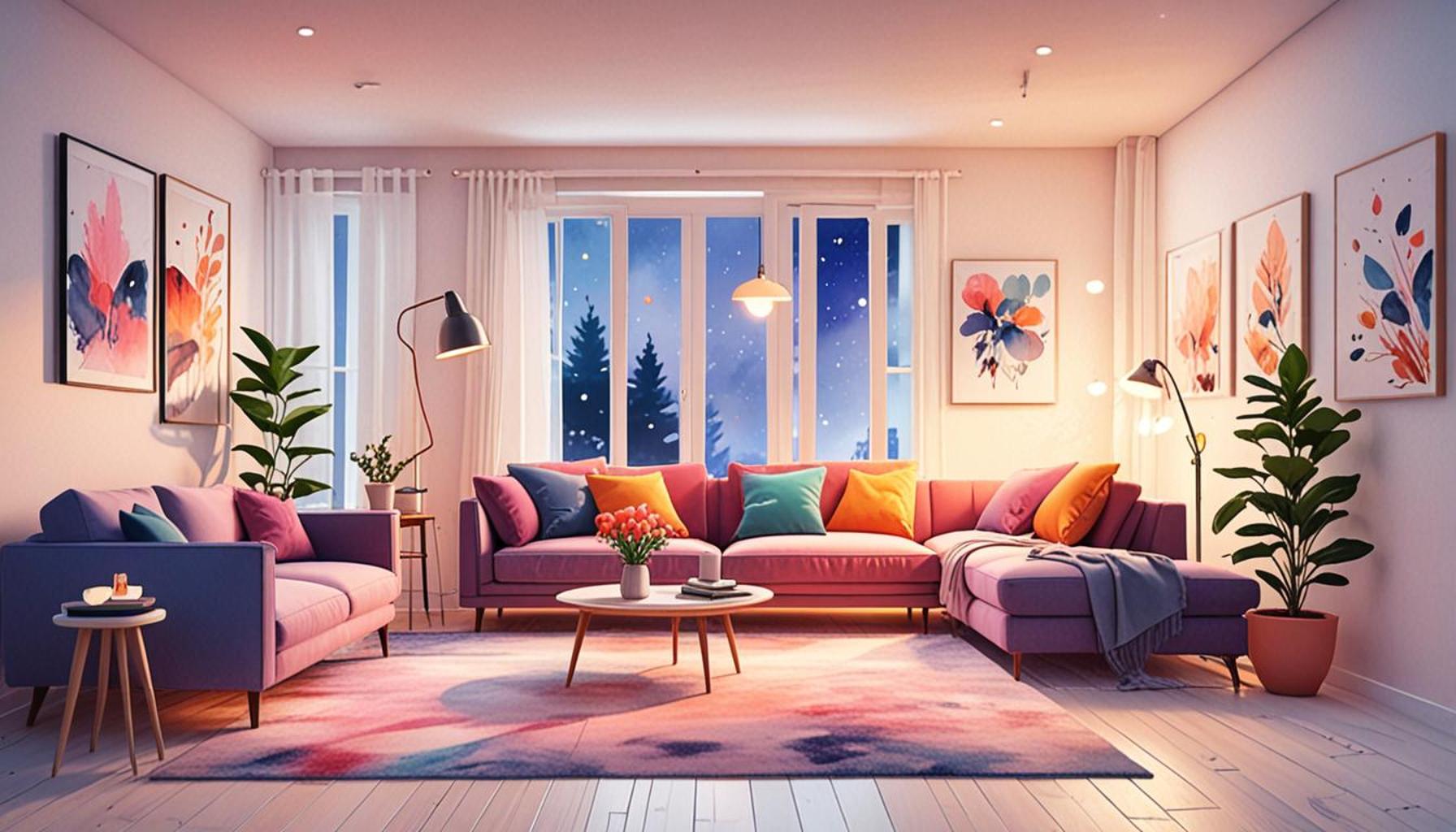
One of the most significant aspects to consider is natural light. Harnessing sunlight through well-placed windows and skylights can completely transform the perception of a room. For instance, a large, unobstructed window can flood a living area with natural light, creating a warm and inviting atmosphere. In contrast, darker spaces can feel cramped and unwelcoming, making it essential to plan for optimal light exposure in any design phase. The addition of mirrors can further amplify this effect; strategically placing them across a window can reflect light deeper into the room, enhancing the sense of space.
- Layered Lighting: Integrating various lighting sources plays a vital role in minimalist design. By combining ambient lighting, such as ceiling fixtures, with task lighting from floor lamps or desk lamps, and accent lighting from wall sconces or LED strip lights, one can create depth and dimension. This layering not only serves practical purposes—like providing focused light on workspaces—but also helps to delineate different areas without physical barriers, contributing to an open and cohesive environment.
- Color Temperature: The temperature of the light is another critical factor. Warm white tones, around 2700K to 3000K, can infuse spaces with a cozy, intimate feel, perfect for bedrooms or reading nooks. Conversely, cooler tones, ranging from 4000K to 5000K, can offer an energizing effect, making areas feel more open and fresh, ideal for kitchens or workspaces. By strategically selecting light fixtures that emit the desired color temperature, homeowners can influence both mood and functionality.
Moreover, the quality of light significantly impacts both aesthetics and the usability of spaces. Well-placed fixtures can subtly guide movement and attention throughout the home. For instance, task lighting above a kitchen island not only facilitates food preparation but also draws the eye to a focal point within the room, enhancing the overall design without cluttering the space.
As we explore further into how to optimize lighting within minimalist homes, you’ll uncover a treasure trove of practical tips and innovative ideas to implement in your own space. Simple changes, such as using dimmers to adjust lighting intensity or opting for fixtures with clean lines and transparent materials, can breathe new life into your home. By understanding the intimate relationship between structure and illumination, you can create a harmonious environment that embodies the principles of minimalist design while maximizing comfort and functionality.
DISCOVER MORE: Click here to learn how minimalism can enhance your daily efficiency
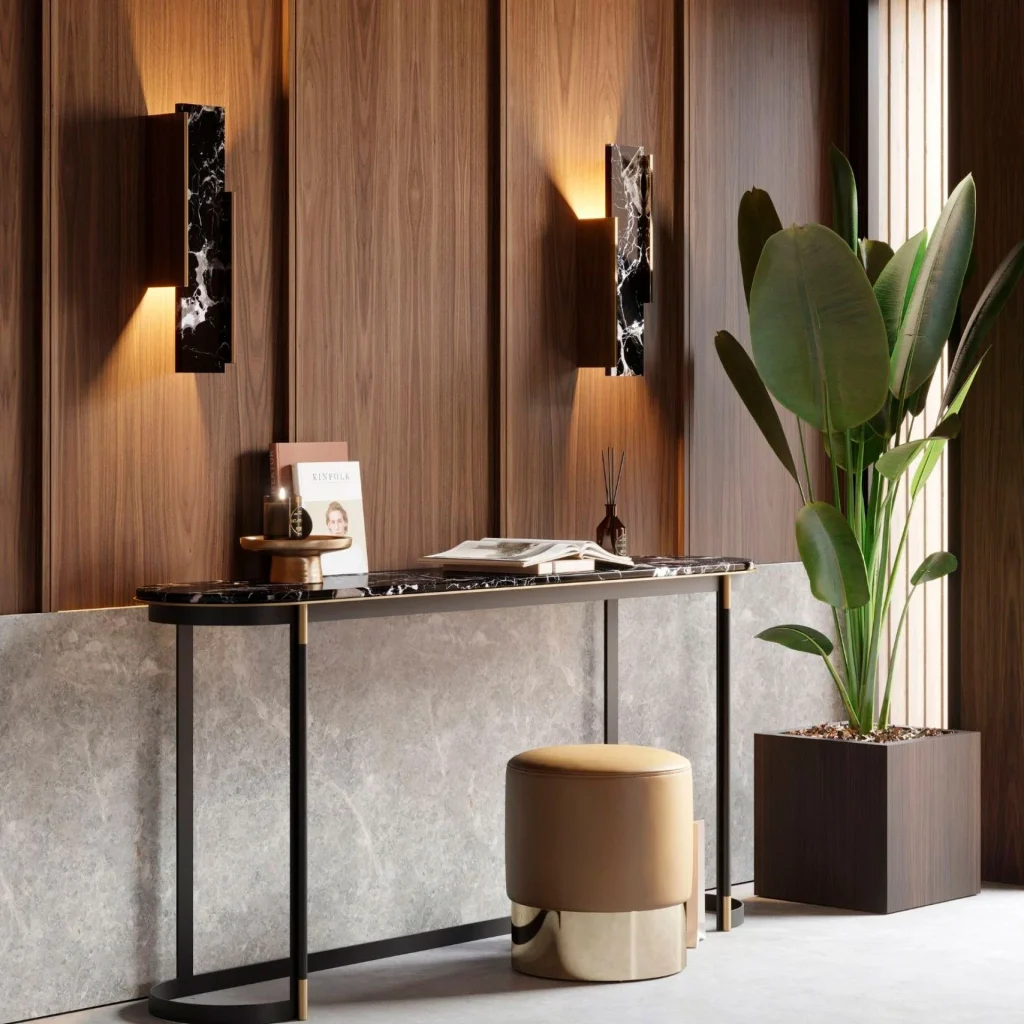
Natural Light: The Heart of Minimalist Spaces
When discussing the optimization of space in minimalist homes, natural light emerges as an unparalleled asset. Beyond its aesthetic appeal, the presence of ample daylight can significantly alter the perception of a room’s size. Minimalist design thrives on the principle of simplicity and clarity, and few elements can enhance these qualities as effectively as sunlight. A cleverly positioned window or skylight can transform a constricted area into an airy, expansive environment. The interplay of light and shadow creates visual intrigue, drawing attention to the architectural details that make minimalist homes unique.
In addition to windows, incorporating elements such as glass doors or translucent partitions can create a seamless flow of light between spaces. These features not only maintain a connection to the outdoors but also contribute to the overall spacious feel of the home. As light filters through, it contributes to a sense of continuity, making one area feel integral to another rather than isolated. This fluidity is essential in minimalist living, where clutter is minimized, and each piece of furniture and decor is intentionally chosen.
The Impact of Artificial Lighting
While natural light is indispensable, the strategic use of artificial lighting is equally vital for optimizing space in minimalist homes. Each room should have a carefully crafted lighting plan that complements its design style and purpose. This often involves a combination of various lighting types:
- Ambient Lighting: Provides overall illumination, ensuring no area of the room feels neglected. Consider fixtures like recessed lights, which blend seamlessly into ceilings, or simple pendant lights that offer functionality without detracting from the minimalistic aesthetic.
- Task Lighting: Serves a specific function, such as illuminating a reading area or kitchen workspace. Flexible options like adjustable desk lamps or under-cabinet lighting can highlight features while ensuring usability remains high.
- Accent Lighting: Draws attention to specific elements, such as artwork or architectural features. This lighting can create dramatic effects and highlight the beauty of fewer objects within the minimalist approach.
The quality and intensity of light are also central considerations in enhancing minimalist spaces. Using dimmable fixtures allows homeowners to adjust brightness according to time of day or activity, enabling a deeper sense of control over the environment. Warmer tones can evoke a sense of coziness, ideal for intimate areas, while cooler hues contribute to a lively vibe, making spaces feel more dynamic.
Moreover, how one chooses to illuminate a space can dictate the mood and functionality of that area. For instance, thoughtful lighting can foster a calming atmosphere in bedrooms while uplifting energies in home offices or kitchens. This intention behind lighting choices stands as a testament to the idea that functionality and design can coexist beautifully in minimalist homes.
As we delve further into the topic of How Lighting Can Influence Space Optimization in Minimalist Homes, we encounter various strategies that enhance both the visual appeal and functionality of these carefully curated spaces. One powerful tool is the use of natural light. Integrating large windows or skylights can not only brighten up a room but also create an illusion of spaciousness, making areas feel more expansive than they truly are. The interplay of sunlight with minimalist decor can generate dynamic shadows and highlight key architectural features.
Moreover, artificial lighting plays a pivotal role in maintaining the minimalist ethos. Using versatile fixtures like dimmers and smart lights allows homeowners to control ambiance and mood, tailoring the lighting to suit different times of day or activities. This flexibility can significantly optimize how space is perceived. Accent lights can be strategically placed to draw attention to specific elements, such as artwork or furniture, enhancing the overall aesthetic while keeping the design uncluttered.
Furthermore, choosing a monochromatic lighting scheme can unify a space, making it appear larger. Warm tones can create a cozy atmosphere in a small living area without overcrowding it visually. It’s essential to understand that lighting not only serves functional purposes but also enhances the emotional connection one feels within a space. By effectively blending natural and artificial lighting, minimalist homes can achieve a perfect balance between beauty and practicality, thus revealing the true potential of spatial optimization.
| Category 1 | Category 2 |
|---|---|
| Natural Light | Enhances spacious feel, reduces energy costs. |
| Artificial Lighting | Creates ambiance, highlights key features, increases functionality. |
Understanding these nuances allows homeowners to maximize their minimalist designs effectively and to foster environments that are both inviting and practical. In this exploration of lighting, one can appreciate how the interplay of light and space can redefine living areas, driving forward the minimalist philosophy that less truly is more.
DISCOVER MORE: Click here to streamline your space
Layering Light for Enhanced Functionality
In the pursuit of space optimization within minimalist homes, the concept of layered lighting plays a crucial role. Instead of relying solely on a single source of illumination, homeowners can achieve a more dynamic and effective lighting environment by combining multiple light sources. This approach enhances the overall usability of a space, especially in areas where functionality is paramount. A well-layered lighting design can elevate the significance of minimalist principles by ensuring that each corner serves a purpose, and no space feels overlooked.
For instance, in a compact open-plan living area, combining ambient, task, and accent lighting can delineate zones without physical barriers. Ambient lighting offers general illumination, while task lighting, such as a modern floor lamp positioned next to a sofa, provides focused light for reading or social gatherings. Accent lighting could showcase a singular piece of art or family photo, drawing the eye and maintaining a sense of personal connection in an otherwise uncluttered environment.
Utilizing Smart Lighting Solutions
The integration of smart lighting technology is another transformative strategy for enhancing space optimization in minimalist homes. Smart bulbs and fixtures can be programmed for various scenarios—to change color tones throughout the day, adjust brightness based on the room’s activity level, or even mimic natural light patterns, all of which contribute to a home that adapts to its inhabitants’ needs. By utilizing mobile apps or voice-activated systems, homeowners can control lighting effortlessly, further refining their surroundings without adding physical clutter.
Moreover, smart lighting solutions often come with energy efficiency benefits, crucial for sustainable living. For instance, energy-efficient LED bulbs consume significantly less power than traditional incandescent lights, making them a practical choice in environments that prioritize simplicity and ecological responsibility.
Color Temperature and Space Perception
The color temperature of the light source also contributes to the perception of space. Cooler white light (around 5000K to 6500K) tends to create an expansive and invigorating atmosphere, ideal for workspaces or kitchens that require sharp attention and energy. Conversely, warmer light temperatures (around 2700K to 3000K) evoke coziness and comfort, perfect for relaxation areas like bedrooms or living rooms. By thoughtfully considering the color temperature of fixtures, homeowners can influence the emotional response that a space elicits, further aligning the environment with their intended atmosphere.
Additionally, the reflective surfaces found in minimalist homes—whether they are polished wood, treated metals, or glass—can amplify lighting effects and create a more open feel. For instance, strategically placed mirrors can bounce light around the room, while light-colored walls can reflect natural sunlight, enhancing the illusion of space. This reflective quality reinforces the minimalist ideal of enhancing the beauty of a few choice items and creating a serene, uncluttered aesthetic.
Ultimately, the interplay of various lighting types, smart solutions, and an understanding of color temperatures provides minimalist homeowners with the tools necessary to optimize their spaces. With each lighting choice contributing to the overall design ethos, the result is a harmonious balance that respects the principles of minimalism while being functionally rich and visually engaging.
DISCOVER MORE: Click here to enhance your clarity
Conclusion
In the realm of minimalist design, lighting plays a pivotal role in crafting not only aesthetically pleasing spaces but also functional environments that maximize every inch available. By employing a strategic blend of ambient, task, and accent lighting, homeowners can create distinct zones without the need for bulky dividers, promoting both openness and clarity in their living spaces. The importance of smart lighting solutions cannot be overstated, as they offer adaptability, efficiency, and convenience, aligning with the minimalist ethos that promotes simplicity and intention in every choice.
Furthermore, understanding the impact of color temperature on spatial perception adds a layer of sophistication to lighting design. It empowers homeowners to alter the mood and functionality of a room with just a switch, enhancing the overall living experience. The reflective properties of materials used in minimalist homes also contribute to an optimized environment, working hand-in-hand with lighting to amplify brightness and create an illusion of spaciousness.
As we continue to embrace minimalist lifestyles, it becomes clear that thoughtful lighting design does much more than illuminate; it transforms spaces into multifunctional havens that resonate with calmness and clarity. An exploration of lighting innovations can inspire owners to take fresh approaches to their own homes, maximizing both form and function while truly living the minimalist dream. The journey of lighting in minimalist homes is an ongoing discovery—one that invites you to rethink and redefine what your space can become.