How Nutrition Affects Pet Health: Tips for Nigerian Owners
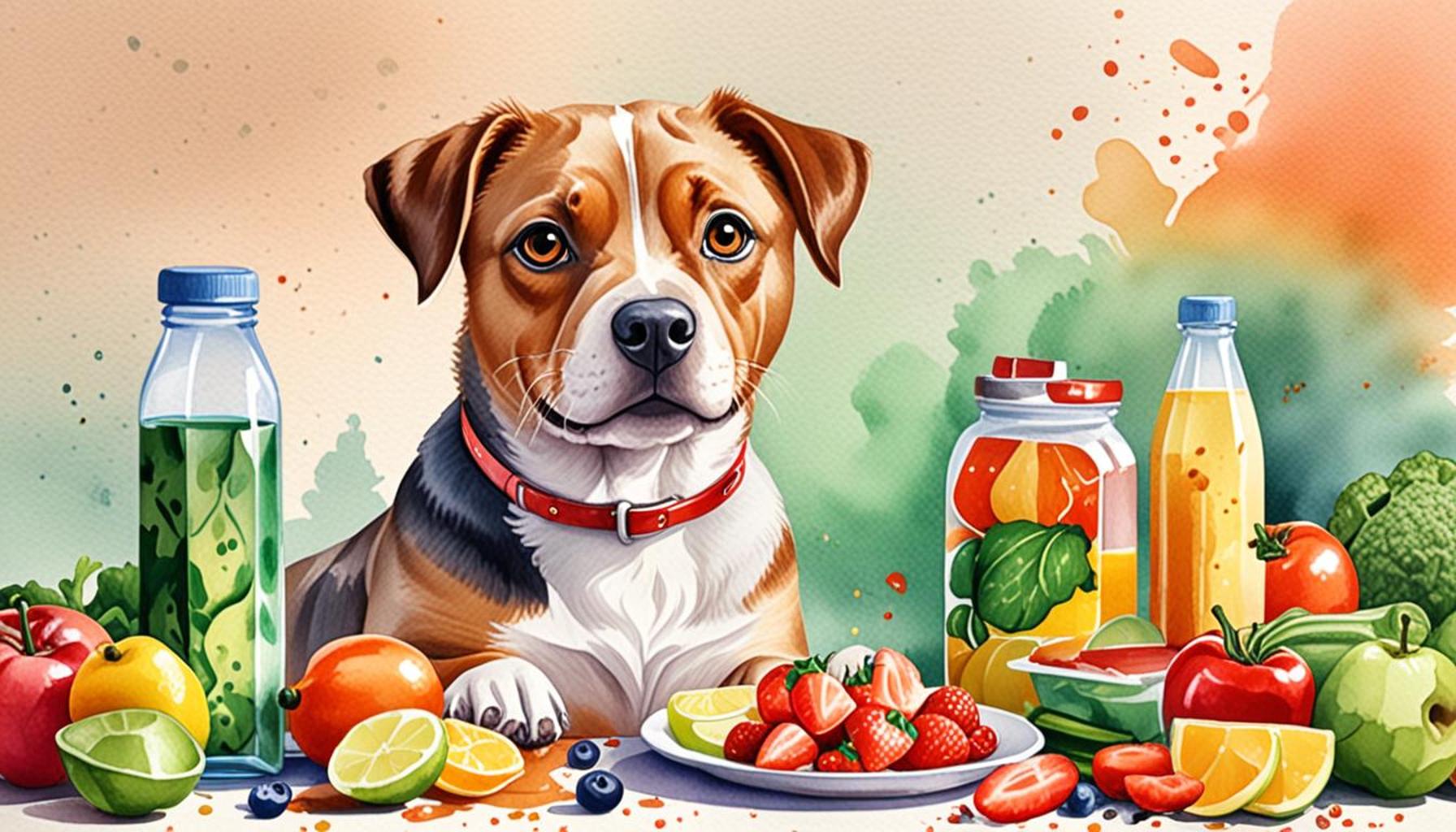
The Importance of Nutrition for Your Pets
Every Nigerian pet owner knows that a happy pet is a healthy pet. Nutrition plays a crucial role in achieving and maintaining that health. Understanding how what we feed our furry friends can lead to vibrant lives or potential health issues is essential not just for pets, but for the owners who care for them. A well-balanced diet not only nourishes pets but can also extend their lifespans and enhance their quality of life.
Navigating Dietary Choices in Nigeria
In Nigeria, the variety of pet foods available can be overwhelming, with many owners grappling with choices like:
- Commercial dog and cat foods, which can vary greatly in quality and nutritional value.
- Homemade meals using local ingredients, a popular choice among many families looking to provide natural nutrition.
- Raw diets versus cooked diets, each with its own set of pros and cons that pet owners must consider.
Understanding the specifics of these options is vital because a pet’s diet can significantly influence numerous aspects of their health, including:
- Weight management: Obesity can lead to various health complications including diabetes and heart disease.
- Skin and coat health: Diets rich in omega fatty acids can improve coat shine and reduce skin irritations.
- Energy levels and behavior: A balanced diet fuels not only physical activity but also mental well-being, impacting pets’ moods and interactions.
Cultural Context and Nutritional Balance
Nigerian customs and food availability significantly impact our choices in pet nutrition. With a culture steeped in agriculture, owners often have access to a diverse range of local ingredients. From maize, which is frequently utilized in various pet food recipes, to locally sourced proteins like tilapia, chicken, and beef, the possibilities are commendable. However, this means pet owners must be vigilant about nutritional balance to avoid common deficiencies, such as a lack of essential vitamins or minerals, or excesses that could lead to health problems.
For example, while incorporating ingredients like yam and plantain into a pet’s diet can be nutritious, it is crucial to ensure these foods do not dominate the diet at the expense of proteins. Likewise, while it can be tempting to feed pets with home leftovers—which is a common practice—it is essential to avoid foods that can be toxic to pets, such as onions or excessive spices.

This article delves deeper into pet nutrition tailored to Nigerian owners, offering practical tips and guidelines to help ensure your furry companions thrive. Join us as we explore best practices for nourishing your pets effectively, ensuring that love and nutrition go hand in hand for the health of your beloved animals!
YOU MAY ALSO LIKE: Read read another article
Understanding Pet Nutritional Needs
As a caring pet owner in Nigeria, it’s essential to be well-informed about your pets’ nutritional needs. Pets, much like humans, require a balanced diet to thrive. Key nutrients include proteins, carbohydrates, fats, vitamins, and minerals, and each plays a vital role in your pet’s overall health. However, not all pets have the same dietary requirements, and understanding these distinctions can significantly influence your pet’s well-being.
Essential Nutrients Your Pets Need
A pet’s diet should consist of various essential nutrients to ensure robust health. Here’s a closer look at some of these critical components:
- Proteins: Vital for growth, development, and tissue repair. High-quality protein sources such as chicken, beef, and fish are particularly beneficial for dogs and cats.
- Carbohydrates: These provide an essential energy source. Sources like rice, oatmeal, and sweet potatoes are not only safe but also nutritious for pets.
- Fats: Healthy fats are crucial for maintaining energy levels and promoting skin and coat health. Omega-3 and Omega-6 fatty acids can be incorporated through fish oil or flaxseed oil.
- Vitamins and Minerals: A well-rounded diet must include vitamins and minerals for various bodily functions. While commercial pet foods often add these nutrients, homemade or raw diets may need supplementation.
Understanding these nutrients is just the beginning. The balance of these components is equally important. For instance, too much protein can strain a pet’s kidneys, while insufficient fat can result in a dull coat and low energy levels. This inherent balance can be tricky in the Nigerian context, where traditional dishes may not align with optimal pet nutrition.
Adjusting Portion Sizes and Frequency
Another element to bear in mind is portion control and feeding frequency. A common practice among Nigerian owners is to feed their pets once or twice a day. However, the right portion sizes depend on the pet’s age, weight, and activity level. Overfeeding, especially with locally sourced Nigerian foods, can lead to obesity, while underfeeding can cause malnutrition.
It is highly recommended to consult with a veterinarian or a pet nutrition expert to determine ideal portion sizes. Keeping your pet healthy also involves being mindful of their activity level. A more active pet might require a higher caloric intake compared to one that is less active. Adjustments in portion sizes ensure that your beloved animal maintains a healthy weight, which is integral to avoiding health issues.
Taking these considerations into account, Nigerian pet owners can make more informed choices about their pets’ diets. This tailored approach not only nourishes pets but also helps foster a healthier, longer life for them.
| Nutritional Components | Impact on Pet Health |
|---|---|
| Proteins | Essential for muscle development and overall growth. Pets require high-quality protein to maintain energy levels. |
| Vitamins and Minerals | Support immune function, bone health, and proper metabolic processes. Deficiencies can lead to serious health issues. |
| Fats | Crucial for energy and nutrient absorption. Healthy fats like omega-3 fatty acids improve skin and coat conditions. |
| Fiber | Aids in digestion and helps prevent obesity. Appropriate fiber levels can improve bowel health in pets. |
Understanding how these core nutritional components contribute to a pet’s well-being provides pet owners with the tools to make informed dietary choices. In Nigeria, where pet ownership is rising, recognizing local dietary limitations and incorporating essential nutrients can dramatically enhance the health of dogs and cats alike. For instance, while protein sources like fish and chicken are widely accepted, the inclusion of certain vegetables may be less familiar to some pet owners, thus presenting a fantastic opportunity for nutritional education. Moreover, educating owners about reading pet food labels can go a long way in ensuring that their pets receive suitable diets that align closely with their nutritional needs. For instance, educating owners to seek pet foods with high-quality ingredients rather than fillers ensures optimal health outcomes for their furry companions.
CHECK OUT: Click here to explore more
The Impact of Diet on Common Health Issues
In Nigeria, pet owners must recognize that the nutritional choices they make for their pets can significantly impact their health and longevity. Common health issues such as obesity, diabetes, and digestive disorders are often linked to poor dietary choices. Understanding these connections can empower owners to make better decisions about their pets’ diets.
Obesity: The Silent Predator
Obesity is a growing concern for pets in urban Nigerian settings, driven largely by the availability of high-calorie treats and the tendency to overfeed. According to studies, up to 50% of pets in metropolitan areas may be classified as overweight or obese. This condition not only reduces a pet’s quality of life but can also lead to severe health problems, including heart disease, arthritis, and diabetes.
To combat obesity, pet owners should closely monitor their pets’ caloric intake. Choosing low-calorie treats, incorporating fresh vegetables like carrots or green beans, and limiting human food scraps can help manage weight. Moreover, engaging pets in regular exercise is equally essential to curbing obesity and promoting overall health.
Diabetes: A Growing Epidemic
Diabetes is increasingly being diagnosed among pets, particularly in those who are overweight or have sedentary lifestyles. In Nigeria, the lack of awareness about this chronic condition can lead to delayed diagnosis and treatment. Signs such as excessive thirst, frequent urination, and unexplained weight loss should never be ignored.
Nutrition plays a vital role in managing diabetes. A high-fiber diet can help regulate blood sugar levels and is beneficial for diabetic pets. It’s essential to work with a veterinarian to create a tailored meal plan, which often includes low-carbohydrate, high-protein options. Additionally, adhering to a strict feeding schedule can further stabilize insulin levels.
Digestive Health: The Role of Probiotics
A healthy gut is imperative for optimal pet health, and the foods we offer can have a direct effect on digestive wellness. Many pets suffer from gastrointestinal issues, often linked to poor diet and diet transitions. To promote digestive health, pet owners should consider including probiotics in their pets’ diets, which can be found in some commercial foods or offered as supplements.
Incorporating fiber-rich foods, such as pumpkin or sweet potatoes, can also aid digestion and prevent issues like constipation or diarrhea. In the local context, a mix of common grains such as sorghum or millet can be beneficial but should be balanced with protein sources to ensure complete nutrition.
Local Ingredients: Nature’s Bounty or Hidden Dangers?
Many Nigerian pet owners lean towards home-cooked meals using local ingredients. While this can be beneficial, it’s crucial to ensure that these meals are nutritionally balanced. Some common Nigerian foods, such as beans or yams, may be safe but can lack certain vital nutrients if fed exclusively.
Additionally, care must be taken to avoid toxic foods such as onions, garlic, and chocolate, which are often found in Nigerian households. Developing a keen understanding of which foods are safe and beneficial will help in crafting a diet that supports long-term health.
By being proactive about diet and understanding the nutritional impacts on common health issues, Nigerian pet owners can significantly enhance their pets’ quality of life. The relationship between nutrition and health is profound, guiding owners toward choices that benefit not just their pets but also foster a more enriching human-animal bond.
SEE ALSO: Click here to read another article
Conclusion: Empowering Pet Owners Through Nutrition
In conclusion, understanding how nutrition affects pet health is vital for every Nigerian pet owner striving to ensure their furry companions enjoy longer, healthier lives. The insights into the links between diet and prevalent health issues, including obesity, diabetes, and digestive disorders, serve as a reminder of the critical role nutrition plays in our pets’ well-being. By adopting better feeding practices—such as incorporating fresh local ingredients, monitoring caloric intake, and consulting with veterinarians—owners can prevent many health problems.
Moreover, pet owners should embrace the benefits of home-cooked meals, while also being cautious of toxic foods like onions and garlic that could be harmful to pets. Taking small but significant steps in dietary management can lead to remarkable health improvements, offering pets not only a better quality of life but also a strengthened bond with their owners.
With Nigeria’s diverse agricultural landscape, there is an abundance of nutritious and affordable ingredients to explore. Incorporating these foods mindfully in pet diets can provide essential nutrients and promote digestive health, ensuring that our pets thrive. Ultimately, being informed and proactive about pet nutrition can lead to a community of healthier pets, enriching our homes and lives in the process. As you reflect on your pet’s dietary choices, remember: a well-fed pet is a happy pet, and every meal is a step towards their longevity and vitality.