How the arrangement of furniture can create a sense of spaciousness in minimalist environments
Creating Illusions of Space
In today’s fast-paced world, where living spaces are often limited, the arrangement of furniture plays a pivotal role in crafting an atmosphere of openness. Minimalist design emphasizes simplicity, and how you position your furniture can elevate that feeling of spaciousness. Understanding the principles behind effective arrangements can transform even the coziest of rooms into airy environments.
Key Considerations for Spaciousness
Several factors influence the perception of space within a minimalist setting:
- Flow of Movement: Ensuring clear pathways can create a visual and physical sense of freedom. For instance, in a small living room, avoiding bulky furniture that interrupts pathways allows for easier movement, making the space feel larger.
- Scale and Proportion: Choosing furniture that complements room dimensions prevents overcrowding and maintains balance. A large sectional sofa in a tiny apartment may dominate the space, while a sleek loveseat can offer cozy seating without overwhelming the room. Opting for multifunctional furniture, such as a coffee table that doubles as storage, can also contribute to an unencumbered atmosphere.
- Focal Points: Strategically placing key pieces draws the eye and enhances the layout. A striking piece of art or an elegant light fixture can become a focal point that anchors the space, encouraging the eye to travel through the room rather than fixating on clutter. Utilizing mirrors can amplify this effect, reflecting light and making the space appear larger.
Additionally, by making conscious choices in furniture placement, you can enhance natural light and improve functionality, further adding to the spacious feel. For instance, positioning furniture away from windows allows sunlight to fill the room, while light, neutral colors on walls and furniture can create an illusion of airiness. This article delves into effective strategies to maximize space with furniture arrangements, ensuring that every square foot serves a purpose.
As we explore various tips and tricks, readers will find inspiration to create their own expansive sanctuaries at home. Think about using vertical storage solutions, such as shelves and wall-mounted units, that draw the eye upward, promoting a sense of height in the room. Keeping surfaces clear can also play a crucial role; the less clutter there is, the more open and inviting a space can appear. Minimalist living is not just a trend; it’s a lifestyle choice that celebrates simplicity while promoting a sense of freedom.
Ultimately, the principles of minimalist design—focusing on functionality, unity, and aesthetics—encourage not only a visually pleasing environment but also a more organized and less stressful way of living. By applying these concepts thoughtfully, you can create a home that feels open, welcoming, and truly reflective of your personal style.
DISCOVER MORE: Click here to learn about the mental health benefits of decluttering
Effective Furniture Arrangement Techniques
In the realm of minimalist environments, the arrangement of furniture is more than just a practical aspect; it serves as a tool to enhance the sense of spaciousness within a room. By adhering to specific arrangement techniques, one can significantly impact how a space is perceived. Let’s delve into a few effective methods to elevate the spaciousness of minimalist settings.
Strategic Placement
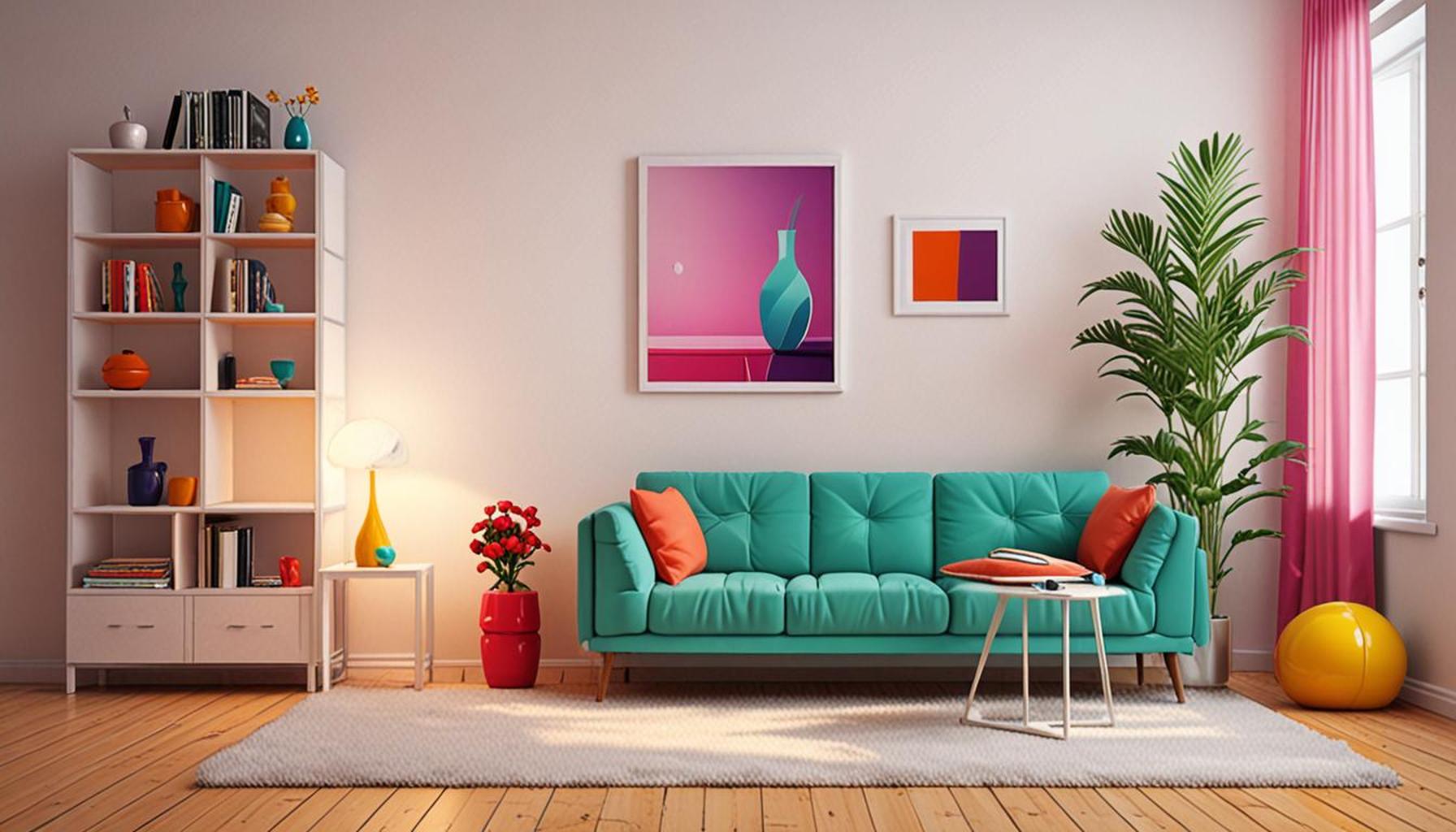
Emphasizing open spaces is essential. One effective technique is to position furniture away from walls. For instance, instead of pushing a sofa up against the wall, consider bringing it a few inches forward. This creates an illusion of depth and allows for more room to breathe around the furniture. Additionally, placing larger pieces, such as bookshelves or dressers, in lesser-used corners can free up central areas, enhancing flow and movement throughout the space.
Furniture Grouping for Coziness
While maintaining openness is key, it’s also crucial to create zones within a room. This can be achieved by grouping smaller furniture items, such as chairs and side tables, into cozy conversation areas. This arrangement not only aids in functionality but also fosters intimacy without feeling cramped. When furniture is arranged thoughtfully, it encourages social interaction while simultaneously preserving a sense of spaciousness.
Utilizing Light and Reflection
Light plays a significant role in how we perceive space, and careful arrangement can maximize its effect. Positioning mirrors opposite windows or light sources can reflect natural light, making the entire area feel more open and bright. Moreover, mirrored furniture choices, such as a glass coffee table or acrylic chairs, can add functionality while contributing to an airy aesthetic.
Simplifying Surfaces
Another crucial aspect of creating spaciousness in minimalist settings is the simplification of surfaces. Cluttered surfaces can quickly overwhelm a small area, making it feel cramped. To combat this, opt for furniture with hidden storage options or try to keep surfaces as clear as possible. Utilizing multi-functional pieces not only serves practical purposes but also maintains an uncluttered visual appeal.
- Choose furniture with visible legs: Furniture that lifts off the ground creates a sense of airiness and openness.
- Incorporate transparent materials: Glass or acrylic furniture can visually reduce bulkiness.
- Limit excess decor: Adhering to a few statement pieces offers a minimalist charm without overwhelming the senses.
By considering these techniques, homeowners can effectively use furniture arrangement to create a more spacious atmosphere in their minimalist environments. The careful placement and choice of furniture, while adhering to the principles of simplicity and functionality, not only enhances the aesthetic but also promotes a serene living experience. As we continue to explore the world of minimalist design, these strategies lay the foundation for transforming any space into an expansive oasis.
| Advantage | Description |
|---|---|
| Visual Flow | An open layout, achieved using minimalist furniture arrangement, allows for a smoother visual transition between spaces, enhancing the feeling of openness. |
| Reduced Clutter | A strategic arrangement prioritizing essential pieces limits visual clutter, leading to a more coherent and airy environment that feels larger. |
| Functional Zoning | Using multi-functional furniture helps to define different areas within the same space without overwhelming it, promoting both usability and a spacious feel. |
The arrangement of furniture plays a crucial role in shaping our perception of space. By focusing on reducing clutter and ensuring visual continuity, minimalist environments can feel more expansive. Utilizing multi-functional pieces not only aids in maintaining this spaciousness but also enhances functionality, making each area purposeful without sacrificing aesthetics. For instance, a sofa that doubles as storage can elegantly disguise clutter while providing essential seating, demonstrating how clever design choices contribute significantly to overall spatial perception. As we explore further, it’s evident that our choices significantly impact both functionality and aesthetics.
DISCOVER MORE: Click here to unlock essential strategies
Maximizing Functionality with Minimalism
In minimalist environments, achieving a sense of spaciousness is not solely about the physical arrangement of furniture; it encompasses the effectiveness with which the space is utilized. Integrating functional design into furniture choices can significantly contribute to the perception of openness. When furniture serves multiple purposes, it reduces the need for excess items, which can congest a room.
Investing in Multi-Functional Furniture
In a world where space often comes at a premium, investing in multi-functional furniture can be a game-changer for creating spaciousness. Pieces like ottomans that double as storage or sofa beds can eliminate the need for cumbersome extras, providing essential functions without overwhelming the space. In contemporary homes, dining tables that extend or nestle into each other further exemplify how scalable options can maximize a room’s usefulness while maintaining a neat aesthetic.
Choosing Minimalist Furniture Designs
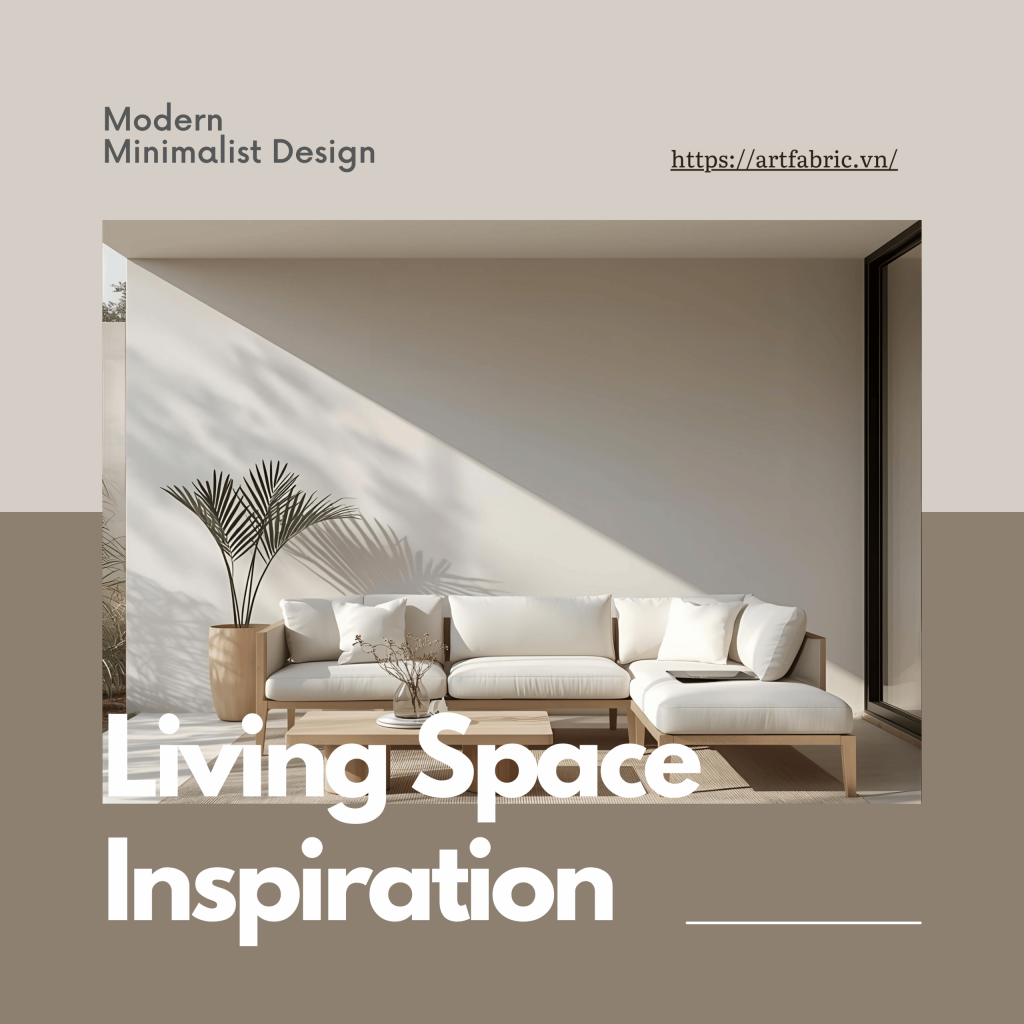
The design of furniture itself can create an illusion of space. Minimalist designs often feature clean lines and a lack of ornate details, which prevents visual clutter. For instance, a sleek, low-profile sofa can create an airy feel in a living room, especially if paired with minimalistic side tables. This contrast not only ensures that the environment appears more open but also aligns with the minimalist ethos of simplicity.
Color and Texture in Furniture Choices
The color and texture of furniture directly affect how spacious a room feels. Lighter colors, like whites and pastels, naturally reflect light, enhancing a room’s openness. Conversely, darker colors can absorb light, making a space feel smaller. Opting for light-toned furniture in minimalist environments—as seen in the popular use of Scandinavian design—can amplify the perceptions of airiness. Moreover, incorporating varying textures through different materials can create depth without adding bulk, allowing for an interesting yet uncluttered visual landscape.
Open Shelving and Transparency
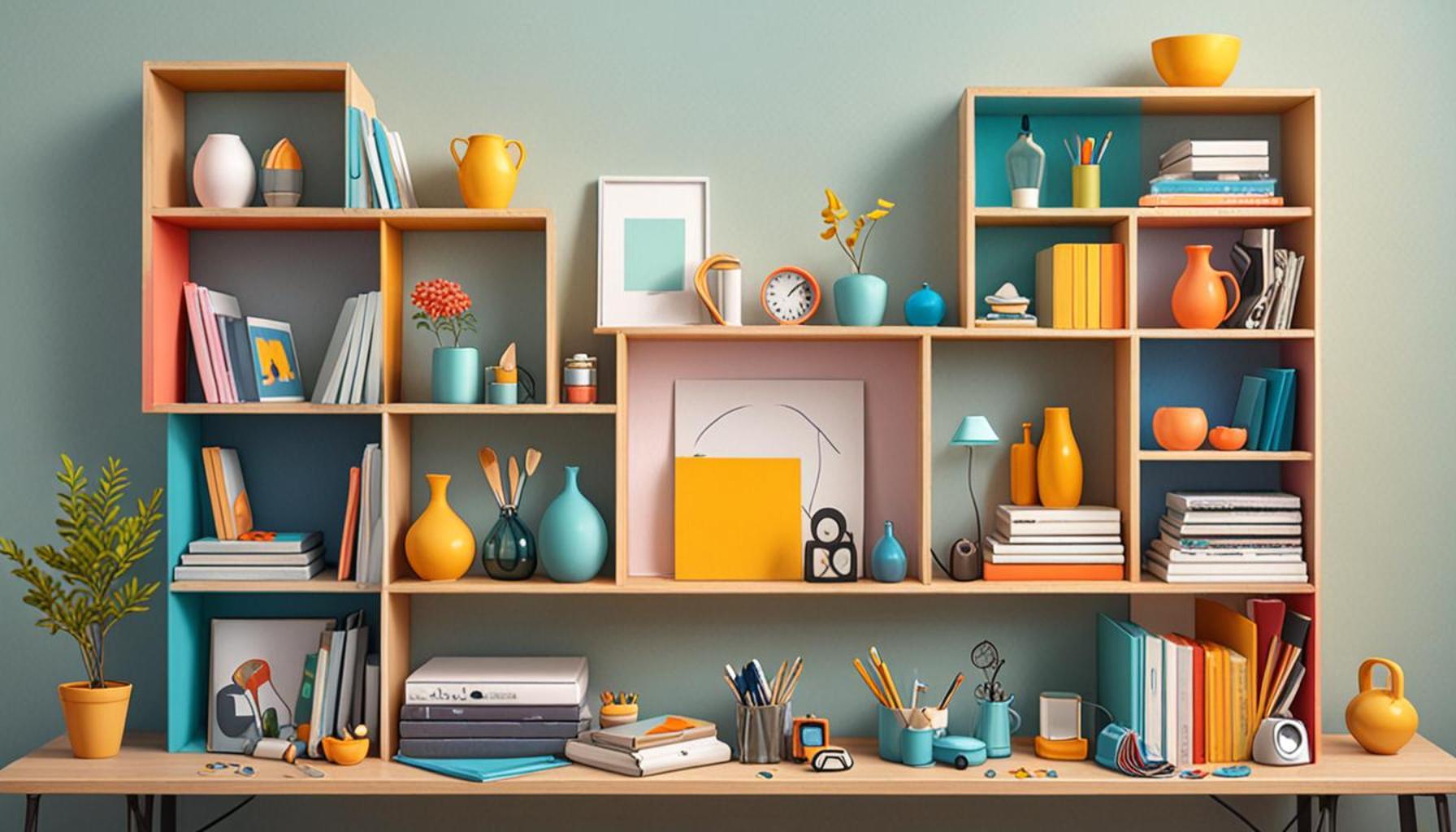
In minimalist living spaces, utilizing open shelving as opposed to bulky cabinets can enhance the sense of spaciousness dramatically. Open shelving allows visual lines to extend beyond obstructions, making the area feel less cluttered. Coupled with a well-placed lighting fixture, open shelves can illuminate the room effectively. Additionally, furniture pieces that are transparent or semi-transparent, like acrylic chairs or glass tables, introduce a sense of lightness that reduces visual density.
- Embrace Verticality: Utilizing vertical space through tall bookshelves or hanging plants can draw the eye upward, making ceilings appear higher and rooms feel more expansive.
- Use Area Rugs Wisely: Define zones with area rugs that maintain an open feel. Choosing rugs that match the color of the flooring can create an uninterrupted flow, further enhancing the spacious illusion.
- Limit Large Furniture Pieces: In minimalist environments, it is essential to refrain from overcrowding the space with oversized furniture. Instead, choose proportionate items that fit comfortably without overwhelming the room.
These strategies and selections are crucial in employing furniture arrangement to achieve a sense of spaciousness in minimalist environments. By focusing on functionality, simplicity, and smart design choices, homeowners can create open, serene spaces that are both practical and stylish.
DIVE DEEPER: Click here to discover mindfulness in home organization
Conclusion: Crafting Inviting and Spacious Minimalist Spaces
Ultimately, the arrangement of furniture in minimalist environments plays a pivotal role in cultivating a sense of spaciousness that not only enhances visual appeal but contributes to overall comfort and functionality. As we’ve explored, the strategic selection of multi-functional furniture, minimalist designs, and lighter color choices all work harmoniously to provide a more open and airy atmosphere. By implementing open shelving and embracing transparency in furniture selection, homeowners can further diminish visual clutter, making each corner feel more inviting.
Moreover, incorporating vertical elements and carefully chosen area rugs can help delineate spaces without obstructing the flow of movement. The key is to balance essential functionality with aesthetic simplicity, ultimately leading to serene environments that feel larger than they are. As urban living spaces grow smaller, the necessity for impactful furniture arrangement becomes ever more critical.
In considering the power of furniture arrangement, individuals are encouraged to think beyond traditional styles and adopt innovative approaches that align with their lifestyle needs. By actively exploring these methods, anyone can transform their minimalist space into a sanctuary of openness and tranquility. As the realm of design continues to evolve, embracing these principles can inspire new living experiences, effectively merging style with spatial awareness.