How to Create a Sustainable Organization System to Reduce Clutter

The Path to a Clutter-Free Life
Imagine walking into a space where everything has its place. Streamlining your environment not only enhances productivity but also brings a sense of calm. A well-organized space is more than just visually appealing; it can dramatically improve your ability to focus, reduce stress, and foster creativity. The journey to achieving this oasis begins with creating a sustainable organization system that suits your lifestyle and needs.
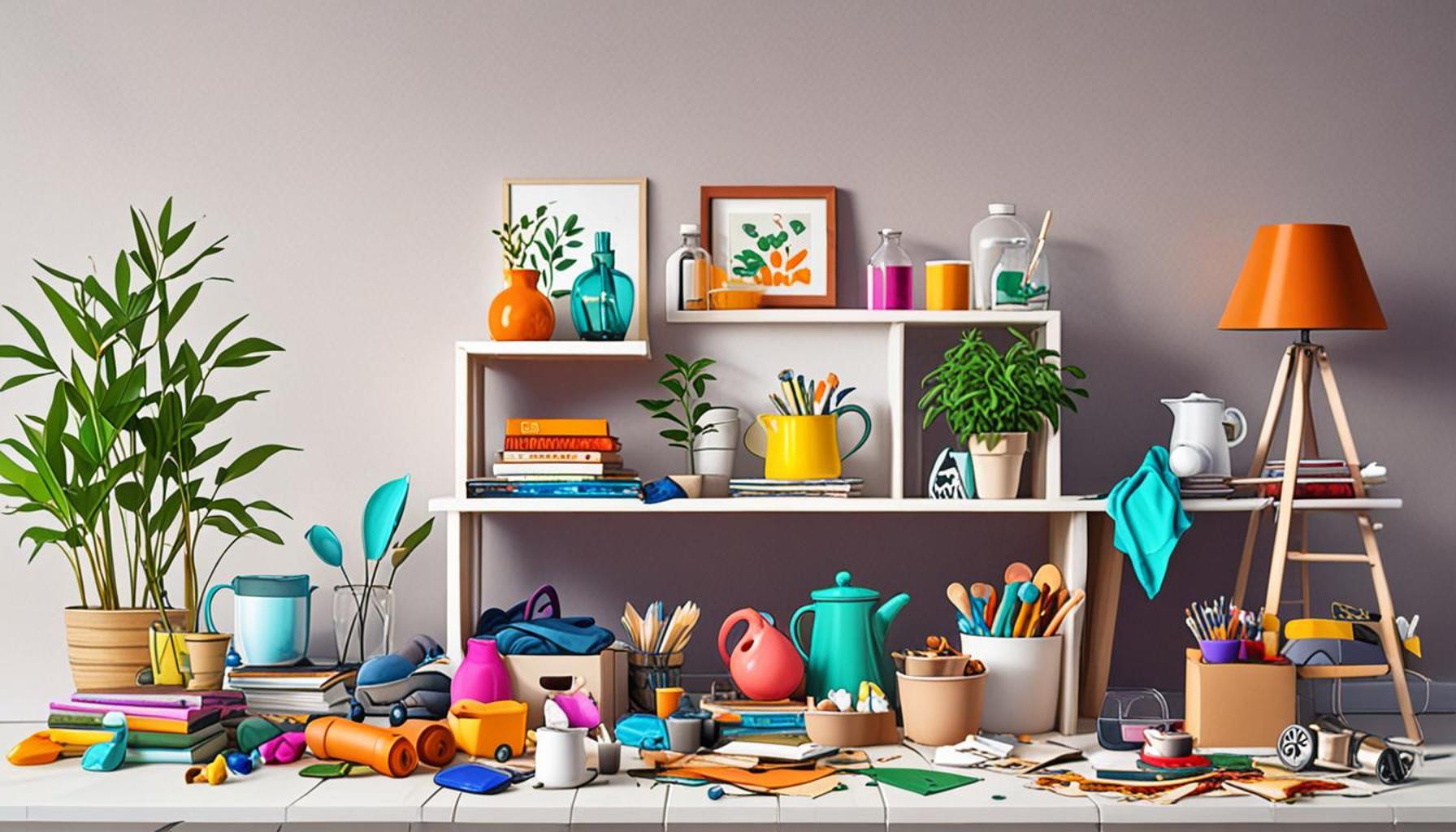
In today’s fast-paced world, clutter accumulates quickly. This can manifest in various forms—whether it’s piles of paperwork on your desk, clothes spilling out of your closet, or kitchen drawers overflowing with gadgets you rarely use. Implementing an effective organization system can significantly transform your environment and lead to a more serene life. Consider these key features:
- Functional Zones: Designate areas for specific tasks. For instance, create a zone for work away from living areas, and establish a dedicated space for hobbies. By clearly defining these environments, you can reduce the overlap of activities that often lead to disorder.
- Minimalism: Embrace the principle of ‘less is more’—this means keeping only what you truly need, use, and love. For example, when you clean out your kitchen, consider donating duplicate utensils or appliances that you may have received as gifts but never utilized.
- Regular Maintenance: Schedule time weekly to declutter and assess your organization system. This could involve allocating just 15 minutes every Sunday to put away items that have been left out, ensuring that your space remains functional and organized.
Adopting a clutter-reduction mindset can free up not just physical space but mental space as well. Research indicates that a tidy environment can significantly enhance focus and creativity, vital elements in any workplace or home setting. An organized space can lead to improvements in efficiency and decision-making. By integrating sustainability into your organization efforts—like using recycled materials for storage or implementing a paperless system—you not only improve your surroundings but also contribute positively to the environment.
Are you ready to dive deeper into the journey of decluttering? Discover the essential steps and strategies that will empower you to build a system that works for you. Whether it’s embracing minimalism, establishing functional zones, or committing to regular maintenance, each positive action you take can lead you towards a sustainable and minimalist approach to organization, making your life not only more enjoyable but also more productive.
DISCOVER MORE: Click here for tips on boosting productivity
Establishing Your Foundation: The Key Components of a Sustainable Organization System
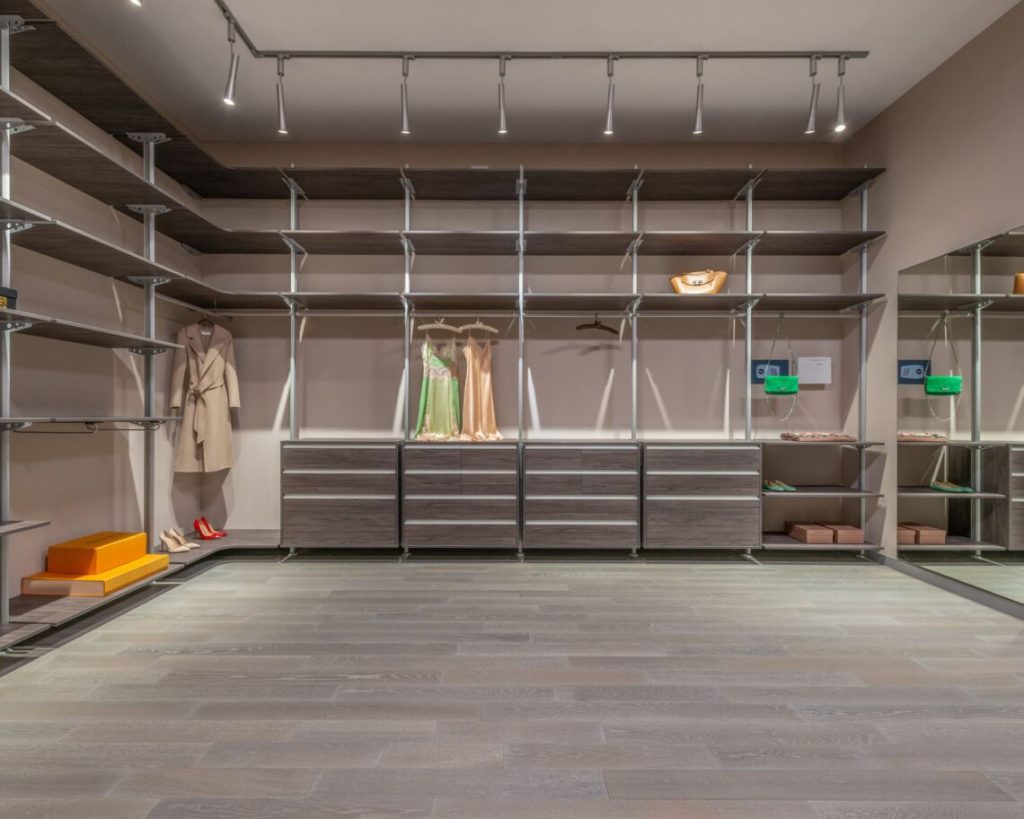
Creating a sustainable organization system to reduce clutter starts with understanding the fundamental components that can guide your journey. Each element plays a crucial role in ensuring the longevity and effectiveness of your organization efforts. Here are essential components to consider when setting up your system:
- Inventory Assessment: Begin by conducting a thorough inventory of your belongings. This process is vital as it helps you identify items you truly use or need and those that are simply taking up space. Use a notepad or digital tool to categorize each item, such as “keep,” “donate,” or “discard.” Having a clear picture of what you own allows you to make informed decisions about what to retain moving forward.
- Smart Storage Solutions: Invest in multi-functional storage solutions that cater to your specific needs. For example, consider collapsible bins for toys that can be stored away easily or drawer dividers in your kitchen to keep utensils organized. Such tools not only create visible order but also fully utilize the space you have.
- Clear Labeling: Implement a system of labeling your storage areas. Clearly labeled bins, shelves, and folders help everyone in your household understand where items belong, reducing the chance of confusion and clutter. This practice can save time during busy mornings or when seeking specific items, reinforcing a sustainable practice.
- Visual Limits: Establish visual limits for each space. For example, if your book collection spills over from one shelf to another, it may be time to evaluate which books are worth keeping. Visual limits act as boundaries that encourage mindful acquisition and management of your possessions.
Incorporating these foundational elements into your organization system not only paves the way for a more streamlined space but also reinforces the behavior of maintaining that order over time. The importance of setting realistic goals cannot be understated; aim for achievable results rather than perfection. Understanding that organization is an ongoing journey will help you to stay motivated and committed in decluttering your life.
Furthermore, technology can be a valuable ally in establishing this sustainable system. Apps designed for inventory tracking or digital decluttering can simplify the process, allowing for a seamless transition to a more organized life. These tools can not only help you manage your physical items but also serve as reminders for regular maintenance.
Building a sustainable organization system is more than just a one-time project; it’s about embedding the principles of order and minimalism into your daily routine. Are you ready to take the next step in creating a clutter-free environment? The transformation begins with small, intentional changes that evolve into lasting habits, leading you to a life enriched by simplicity and efficiency.
Implementing Your Sustainable Organization System
Creating a sustainable organization system to reduce clutter involves a series of practical steps that ensure both effectiveness and longevity. Start by assessing your current space and identifying specific areas that contribute to clutter accumulation. This may include physical spaces such as offices or homes, as well as digital environments like email or file storage. Incorporate the principles of minimalism and flow by adopting a “less is more” mentality. Focus on retaining only the items that serve a purpose or hold significant emotional value. Much like the ‘one-in, one-out’ rule, ensure that whenever a new item is brought into your space, an old one is discarded or donated. This not only curbs clutter buildup but also encourages conscious consumption practices.Regularly scheduled decluttering sessions are crucial. Establish a routine—be it monthly or seasonally—where you review and reevaluate items in your space. This creates a cycle of maintenance that keeps clutter at bay. As a part of this process, consider leveraging technology by utilizing organizational apps that assist with planning and remind you of your decluttering goals.Another vital aspect is educating yourself and others involved about sustainability in organization. Emphasize the benefits of eco-friendly materials and storage solutions. From upcycled furniture to biodegradable storage bins, making informed choices can profoundly impact both the environment and your organization effectiveness.
| Category | Key Features |
|---|---|
| Assessing Clutter Areas | Identifying physical and digital clutter points |
| Regular Maintenance | Scheduled decluttering sessions for ongoing organization |
The outcome of implementing these steps is not just a reduction in clutter; it is the transformation into a space that promotes productivity and peace of mind. Building this sustainable organization system cultivates an environment where both creativity and efficiency can thrive.
DIVE DEEPER: Click here to discover the emotional benefits of decluttering
Implementing Strategies for Long-term Success
Once you have established the foundational components of a sustainable organization system, it’s essential to implement practical strategies that will help you maintain order in the long run. Here are some effective techniques that can evolve your organization habit into a sustainable practice:
- Regular Decluttering Sessions: Schedule routine decluttering sessions to ensure you stay on top of your organization game. Whether it’s a monthly check, seasonal deep cleans, or weekly tidying, consistent assessments will help keep clutter at bay. For example, you can designate the last Saturday of every month as a “Declutter Day” where you revisit your belongings and assess their relevance.
- One In, One Out Policy: Adopting a “one in, one out” policy is an effective way to control the inflow of new items while simultaneously managing existing possessions. This simple rule states that for every new item brought into your home, one should be let go. It encourages mindful consumption and maintains balance in your living space.
- Mindful Acquisition: Peak your awareness regarding your purchasing habits by taking a moment to consciously consider the need for an item before obtaining it. Reflect on whether the item fulfills a utility or will simply contribute to future clutter. Implement a waiting period, such as 30 days, before buying non-essential items, allowing time to evaluate the necessity of the purchase.
- Daily Maintenance Rituals: Incorporate quick daily habits into your routine to prevent clutter from building up. Simple practices like making your bed, immediately putting items back in their designated places, and dedicating just five to ten minutes each day to declutter a specific area can significantly enhance your organization’s longevity. Over time, these small rituals foster a mindset of respect toward your space.
Moreover, engaging in a community through forums or groups focused on minimalism and organization can bolster your commitment to a clutter-free lifestyle. Seek out local workshops, online communities, or social media groups that share similar values where members regularly trade tips and support each other in minimizing possessions. The collective energy of a like-minded community can be incredibly motivating and can give you a fresh perspective.
It’s also worthwhile to consider the psychological impact of your organizational efforts. Studies indicate that a well-organized environment can lead to increased productivity, reduced stress, and enhanced creativity. By fostering a clean and orderly atmosphere, not only are you improving your surroundings, but you are positively influencing your mental well-being. Their connection is so profound that some psychologists advocate for decluttering as a form of self-care, emphasizing how decluttering your physical space can lead to emotional relief and clarity.
Key to achieving these strategies is establishing a system that resonates with your unique lifestyle and preferences. Reflect on what organization looks like for you, as everyone’s approach will vary. Embrace the process of discovering your optimal organization style, whether it is through minimalism or functional design, to solidify a lasting clutter-free environment.
In exploring various strategies and understanding their implications, you will not only create an organization system that works but will also establish an ethos of mindfulness and intentional living. This holistic approach embodies the essence of sustainability—preserving your space and tranquility one intentional choice at a time.
DISCOVER MORE: Click here to learn how less can mean more
Conclusion: Embracing the Journey to Sustainability
Creating a sustainable organization system to reduce clutter not only transforms your physical space but also enhances your overall well-being. By implementing strategies like regular decluttering sessions, a one in, one out policy, and mindful acquisition, you foster an environment that promotes clarity, productivity, and peace of mind. These techniques encourage a lifestyle that values intentionality over materialism, urging you to reflect on what truly matters while shaping a living space that serves you.
Daily maintenance rituals play a crucial role in sustaining an organized environment, demonstrating that small actions can yield significant results over time. Additionally, connecting with community groups or online forums focused on minimalism can provide support and inspiration, reinforcing your commitment to a clutter-free lifestyle. As you embark on this organizational journey, remember the psychological benefits associated with a well-ordered space, including reduced stress and enhanced creativity.
Ultimately, the key lies in finding a system that resonates with your personal values and lifestyle. By embracing your unique approach to organization, you create a sustainable foundation that reflects your individuality and fosters harmony. This journey is not merely about managing clutter; it’s about cultivating an ethos of mindfulness and intentional living. As you navigate through the choices you make each day, consider how these decisions impact your environment and well-being. In doing so, you will not only reduce clutter but also enrich your life, one thoughtful action at a time.