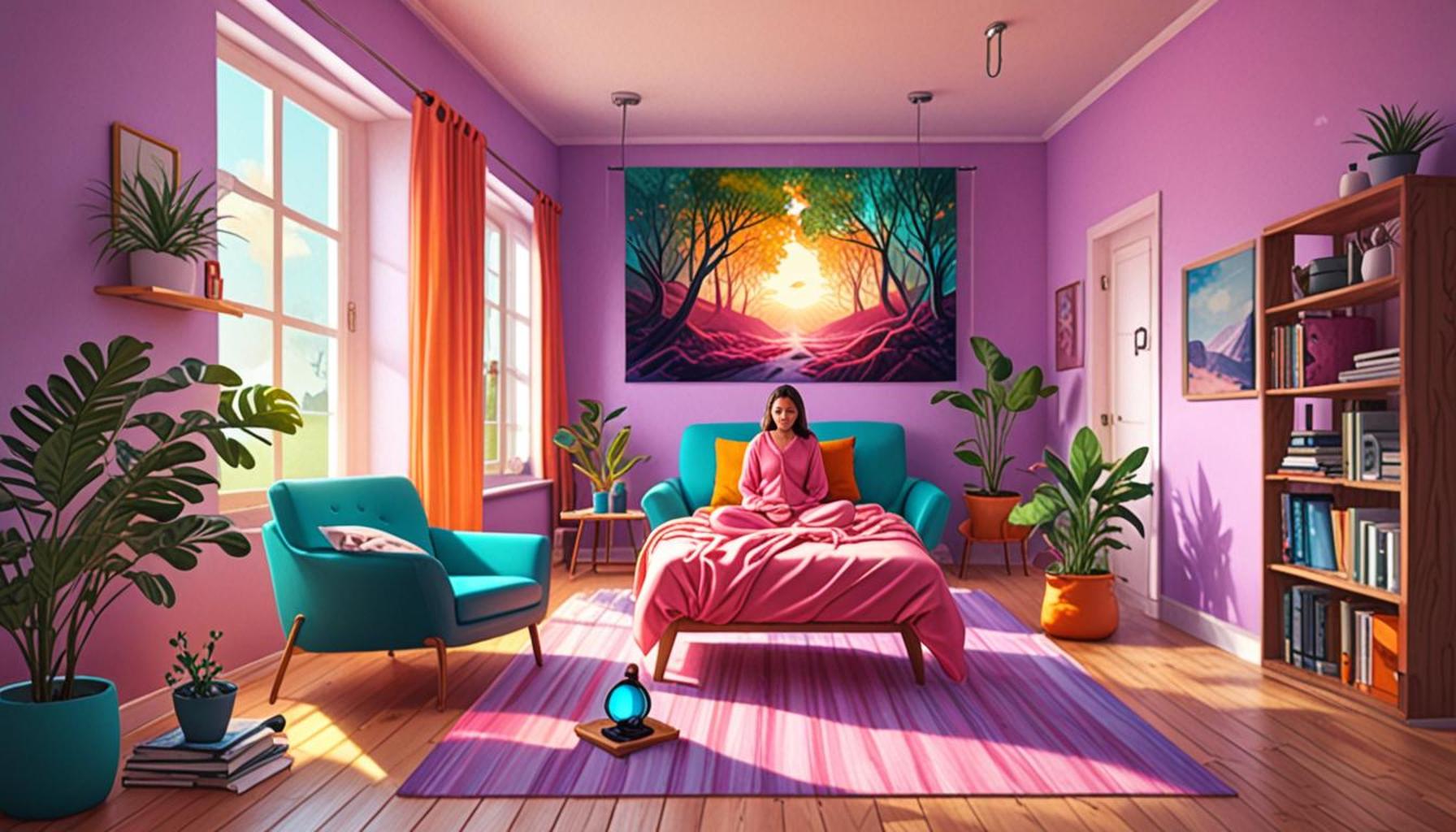
Integrating Mindfulness in Minimalist Home Organization for Serenity

Finding Peace in Simplicity
In today’s fast-paced world, the appeal of minimalism grows as individuals seek serenity in simplicity. Integrating mindfulness into a minimalist lifestyle not only enhances personal organization but also fosters a deeper sense of tranquility within the home. As we navigate through the clutter of modern life, embracing both principles can lead to a profound transformation.
The Fusion of Mindfulness and Minimalism
Mindfulness promotes awareness of the present moment, allowing us to appreciate our surroundings and make intentional choices. Here are key components of this combination:
- Clutter reduction fosters mental clarity.
- Intentional living enhances emotional well-being.
- Mindful decision-making leads to purposeful organization.
What to Expect
In this article, we will explore practical strategies to intertwine mindfulness with minimalistic home organization. Get ready for a Top 5 list that highlights effective methods to create a serene living space, promoting both clarity and peace. Your journey toward a harmonious home begins here.
Top 5 Ways to Integrate Mindfulness into Minimalist Home Organization
In today’s fast-paced world, where distractions abound and chaos often reigns, the practice of mindfulness has become an invaluable tool for improving our overall well-being. Indeed, mindfulness is more than just a trendy buzzword; it’s a powerful practice that, when combined with minimalism—a lifestyle focused on simplicity and intentional living—can transform our homes into sanctuaries of peace and clarity. Let’s explore the top five ways to incorporate mindfulness into your minimalist home organization, revealing how simple yet purposeful changes can result in profound impacts on your life.
5. Embrace Intentional Decluttering
Minimalist organization largely centers around the act of decluttering, yet adding a layer of mindfulness to this process can elevate it to a reflective exercise. Instead of hastily purging items, take a deliberate pause to evaluate the purpose and emotional connection you have with each possession. Asking introspective questions such as “Does this bring me joy?” or “Do I truly need this?” not only grounds you in the present but also fosters an appreciation for what you decide to keep and cherish. To maintain focus, consider these steps:
- Identify zones in your home that require immediate attention, optimizing your efforts in a structured manner.
- Set a timer for short bursts of 15-30 minutes, which helps to prevent becoming overwhelmed by the task at hand.
- Create three categories for each item: keep, donate, and discard. This system simplifies decision-making.
- Reflect on the significance of each item, acknowledging its role emotionally or functionally before making a removal decision.
This shift from a mere chore to a meditative journey not only enhances your connection to your surroundings but also aligns your living space with your inner values.
4. Mindful Arrangement of Spaces
Decluttering is but the first step. The next involves the thoughtful arrangement of spaces, mindful of how item placement influences mood and productivity. Spend time in various rooms, acknowledging how you feel in different areas. By aligning this process with mindfulness, you craft an environment that exudes peace and inspiration. Incorporate natural elements—like plants or textured materials—to deepen your connection with your space. Consider the following when arranging your environment:
- Choose a single focal point for each room to allow your eyes and mind to rest, avoiding overstimulation.
- Maximize the use of natural light to enliven spaces, effectively welcoming nature indoors.
- Minimize visual clutter around critical areas to limit distractions, supporting focused and calm thinking.
This thoughtful curation not only cultivates a tranquil atmosphere but also encourages relaxation and creativity, making your home a haven of calm amidst a busy world.
3. Create a Mindfulness Ritual
Incorporating regular mindfulness rituals into your home organization routine can significantly promote a sense of tranquility. Designate a specific time each week to reflect upon and reevaluate your living spaces. Enhance this ritual with sensory experiences—such as quiet, calming music or the gentle aroma of essential oils—creating a serene environment. This dedicated time becomes not just about physical order but emotional connection. Think about weaving these elements into your rituals:
- Take deep breaths before diving into your organization tasks, grounding your mind in the present moment.
- Set a precise intention for what you aim to achieve, fostering purposefulness.
- Express gratitude for your home and its contents, fostering a positive and appreciative mindset.
This intentional practice fosters clarity and respect for your space, enriching each organizational session with a deeper sense of meaning and purpose.
2. Implement Mindful Cleaning Techniques
Cleaning is often relegated as a mundane chore, yet when approached mindfully, it transforms into an opportunity for meditation. Become fully immersed in each task, such as washing dishes or dusting, by focusing on the direct sensations—the warmth of water, the scent of soap, or the texture of surfaces. Amidst these simple tasks, remain present, prompting an enhanced mindful state that benefits your emotional well-being. Consider these tips for mindful cleaning:
- Remove distractions such as music or television, turning your attention inwards.
- Cultivate gratitude for each item cleaned, pondering its role and significance in your life.
- Upon finishing, take a moment to appreciate the orderly and serene environment you’ve created.
This approach leaves your space not only physically refreshed but also revitalizes your mental clarity and emotional joy, turning routine chores into opportunities for mindfulness practice.
1. Foster a Mindful Living Philosophy
At the core of integrating mindfulness with minimalism is the cultivation of a holistic mindful living philosophy. Embrace a mindset focusing on intentionality in every action—from deciding what to bring into your home to how you engage with your surroundings daily. This involves a commitment to living with less while appreciating more of what you have. To embody this philosophy:
- Reflect daily on your surroundings, contemplating their influence on your life’s balance and peace.
- Adopt a habit of expressing gratitude for the shelter and comfort your home provides, strengthening your emotional bond with it.
- Engage mindfully with every room, appreciating its purpose and beauty rather than focusing on imperfection or lack.
This broader perspective aligns you with the principles of mindfulness, allowing a gradual and holistic transformation to unfold. The philosophy of mindful living imbues each decision with a deeper understanding—not just about organizing and maintaining your home, but also about nurturing your inner environment. Ultimately, by weaving mindfulness into minimalist home organization, you create a continuous cycle of emotional well-being and contentment in the spaces where you live, work, and thrive.
Integrating mindfulness into the minimalist organization of your home is not just about decluttering physical space; it’s also about cultivating a serene mental environment. This approach connects the art of living simply with the practice of being present in the moment. By adopting both methodologies, individuals can create a nurturing atmosphere that promotes peace and clarity. Here are some key aspects that elaborate on this integration:Firstly, embracing minimalism can significantly reduce stress levels. When a space is uncluttered, it becomes visually calming. Less visual stimulation leads to an improved ability to focus on one’s surroundings and current activities, a principle central to mindfulness. With fewer objects to distract us, we can engage more fully in our daily tasks, whether it’s enjoying a cup of tea or reading a book. Moreover, the act of organizing can be approached mindfully. Take a moment to reflect on each item’s significance as you decide what to keep or let go. Ask yourself, “Does this bring me joy?” or “Is this item truly useful?” This not only makes the task of organizing a conscious practice but also enhances one’s emotional intelligence as you learn to let go of attachments to items that no longer serve your purpose.In addition, creating designated spaces for specific activities in your home can amplify mindfulness. For example, having a meditation corner can serve as a physical reminder to practice mindfulness. You can fill this space with elements that evoke calm, such as soft cushions, warm lighting, and plant life. This intentional setup encourages you to disengage from distractions and focus on your mental well-being.Furthermore, incorporating elements of nature into your minimalist home can foster an even deeper connection to mindfulness. Natural materials, such as wood and stone, evoke a sense of tranquility, while plants not only purify the air but also serve as living reminders of growth and presence. The process of caring for these plants can be a mindful practice in itself, pushing us to engage with the rhythms of life.Lastly, integrating mindfulness into minimalist living encourages a consumption mindset that aligns with sustainability. By focusing on quality over quantity, individuals can invest in fewer, but more meaningful, items. This practice reduces waste, promotes environmental stewardship, and enhances the appreciation for what one owns.In essence, merging mindfulness with the principles of minimalist organization offers a holistic approach to living. This synergy fosters an environment where both mental clarity and emotional well-being thrive, making every moment spent in your space more enriching and fulfilling.
Frequently Asked Questions
What is the connection between mindfulness and minimalism in home organization?
The connection between mindfulness and minimalism in home organization lies in their shared emphasis on intentional living. Both practices encourage being present and deliberate with our choices. By integrating mindfulness into a minimalistic approach, one can ensure that every item in the home aligns with both practical needs and personal values. This combination fosters not just a tidier home, but also a more serene and focused lifestyle.
How can one start incorporating mindfulness into their home organization process?
To start incorporating mindfulness into home organization, begin by setting a clear intention for each room. Ask yourself what purpose it serves and what emotions you wish to cultivate within it. During the decluttering process, hold each item and consider its value: does it contribute to your current life? Mindful breathing and pausing can enhance decision-making by allowing you to focus on the present moment, which can lead to a more satisfying and efficient organizational process.
What benefits might one experience by combining these practices in home organization?
Combining mindfulness with minimalism in home organization can lead to a variety of benefits. Notably, there can be a significant reduction in stress levels due to a more orderly environment. Additionally, this approach can increase one’s appreciation for the remaining items, promoting gratitude. A minimalist, mindful home fosters improved focus and can even enhance creativity, as the space is less cluttered both physically and mentally. Over time, these benefits can translate to a more balanced and peaceful life.
Are there tools or resources to assist in mindful minimalistic home organization?
Yes, there are several tools and resources available to assist in this practice. Books such as “The Life-Changing Magic of Tidying Up” by Marie Kondo focus on minimalism, while guides on mindfulness practices can provide additional support. Digital apps that focus on mindfulness meditation can help reinforce the principles of mindfulness. Online communities and workshops offer platforms for sharing tips and experiences, further aiding in successful integration of these two practices.
Conclusion
Incorporating mindfulness into the minimalist organization of our homes is not merely an aesthetic choice—it’s a gateway to a more meaningful, balanced life. As we explored throughout this article, aligning the principles of mindfulness with minimalism invites us to go beyond decluttering our physical spaces. It asks us to cultivate awareness and intentionality in every decision we make concerning our environment.
The practice begins by acknowledging what truly adds value to our lives. By assessing our belongings through a mindful lens, we gain insights into our personal needs and desires. A minimalist home, characterized by simplicity, not only reduces stress but also frees up our mental space, allowing for greater clarity and focus. It fosters an environment where distractions are minimized, and inner peace is more easily achieved.
The Key Benefits Highlighted
- Enhanced Mental Clarity: A decluttered space leads to a clear mind.
- Intentional Living: Each item serves a purpose, adding to the meaningfulness of our lives.
- Stress Reduction: Less clutter translates to a more serene environment.
- Improved Focus: Minimalism supports mindful habits that enhance concentration.
- Sustainable Choices: Mindful consumption promotes sustainability.
As we delve deeper into the integration of mindfulness in our home organization, we step into a lifestyle enriched by purpose and tranquility. The shift may seem daunting at first, yet the rewards are immeasurable. Embracing these practices encourages us to explore and expand our understanding of minimalism, leading us to a life characterized not by what we possess, but by how we live.