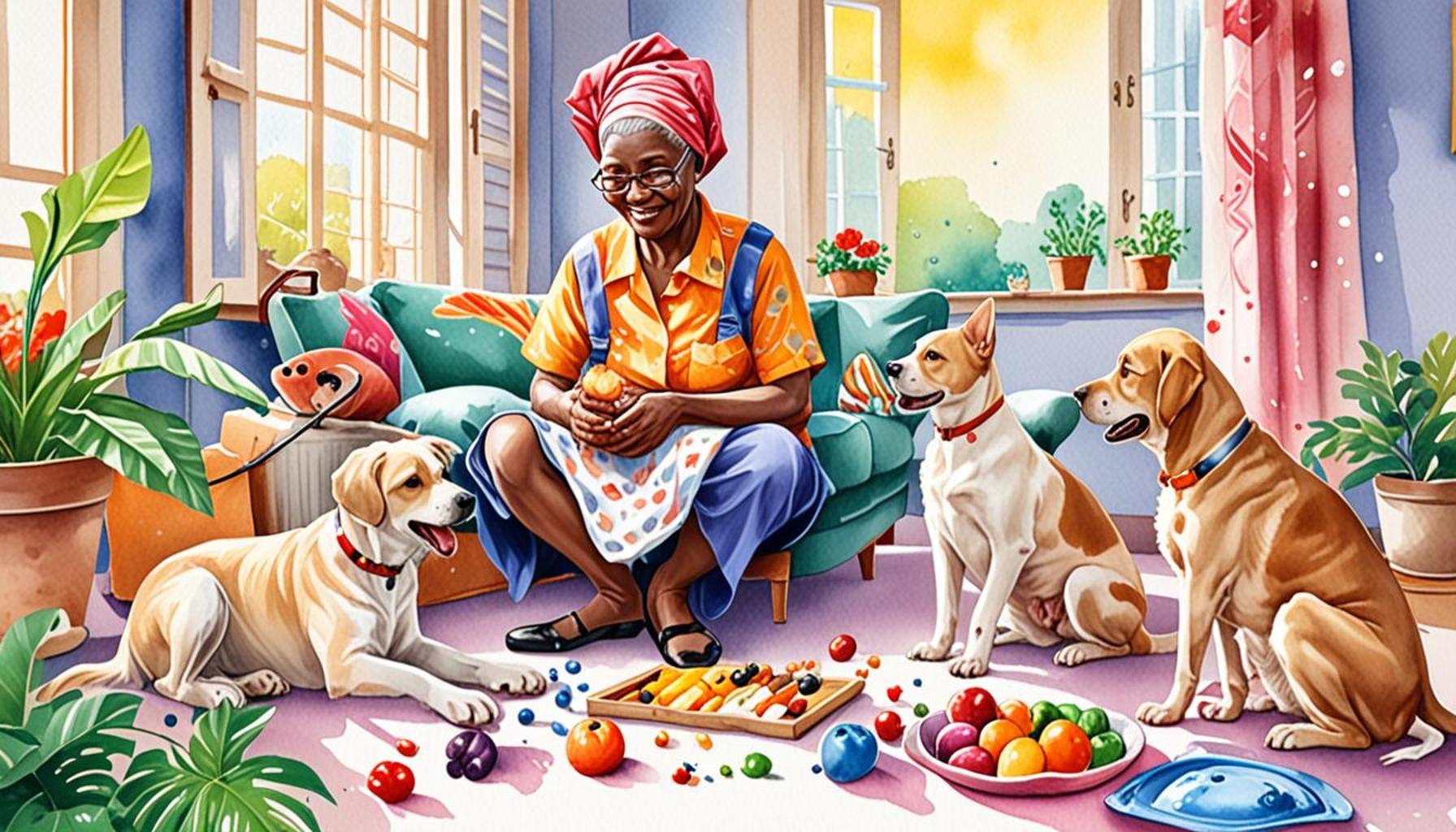
Integrating Pet Training with Socialization in Nigerian Communities
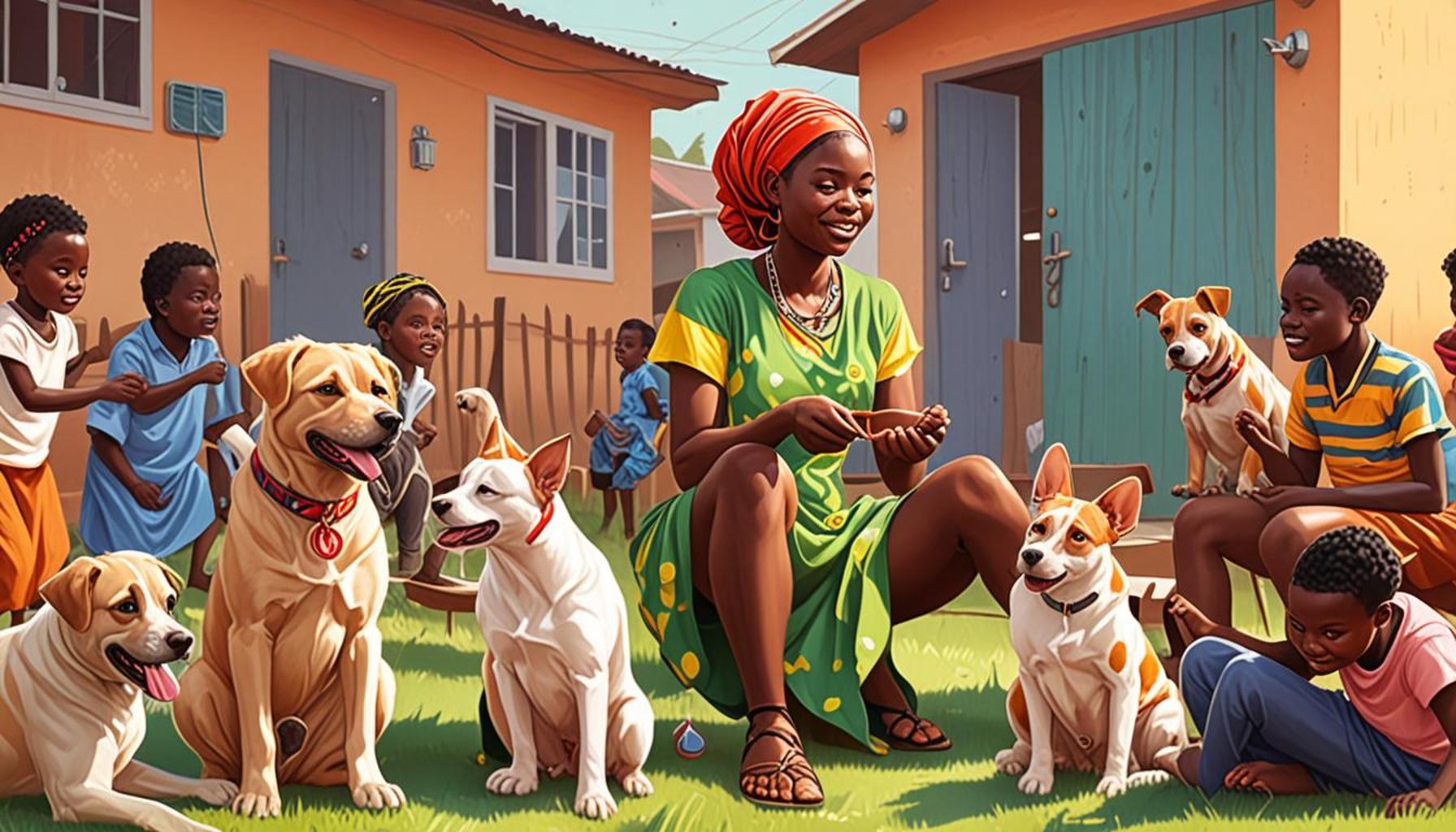
The Deep Bond Between Humans and Pets
In many Nigerian communities, the bond between humans and animals is deeply cherished, rooted in cultural values and daily life experiences. The integration of pet training with socialization plays a crucial role in fostering harmonious relationships between pets and their owners. Understanding the significance of these practices not only ensures that pets behave well but also enriches their ability to thrive within their environment.
The Importance of Socialization
Socialization is vital for pets; it significantly influences their behavior and interactions with people and other animals. A well-socialized pet often displays:
- Confidence around people and other animals. For instance, dogs that have frequent positive interactions with children at community gatherings are less likely to show fear or aggression in those situations.
- Reduced anxiety in new situations, such as being introduced to unfamiliar environments or sounds, which is particularly crucial in bustling Nigerian cities filled with diverse stimuli.
- A healthier temperament, leading to fewer behavioral issues. For example, poorly socialized pets may exhibit undesired behaviors, such as excessive barking, which can lead to tension in communities.
Training as a Foundation
Effective training sets the groundwork for social skills. When pets receive proper training, they:
- Respond positively to commands, making day-to-day management easier and safer for their owners. For example, a well-trained dog will sit and stay when asked, reducing the risk of accidents in crowded places.
- Engage appropriately with their surroundings, understanding the need to behave around livestock or in public spaces.
- Experience less stress during social interactions, which is particularly important during family gatherings or traditional festivals, where numerous people and activities can overwhelm a pet.
Challenges in Nigerian Communities
Despite the numerous benefits of pet training and socialization, integrating these practices presents unique challenges in Nigeria. Factors such as cultural beliefs, where some individuals may view pets primarily as working animals rather than companions, can create obstacles to proper training and socialization. Additionally, limited access to resources, including qualified trainers or training facilities, can hinder pet owners from seeking professional help.
Furthermore, varying levels of awareness about the importance of training can lead to inconsistencies in pet care across different regions. Addressing these challenges through community awareness programs can pave the way for more harmonious human-animal relationships, enhancing the quality of life for both pets and their owners.
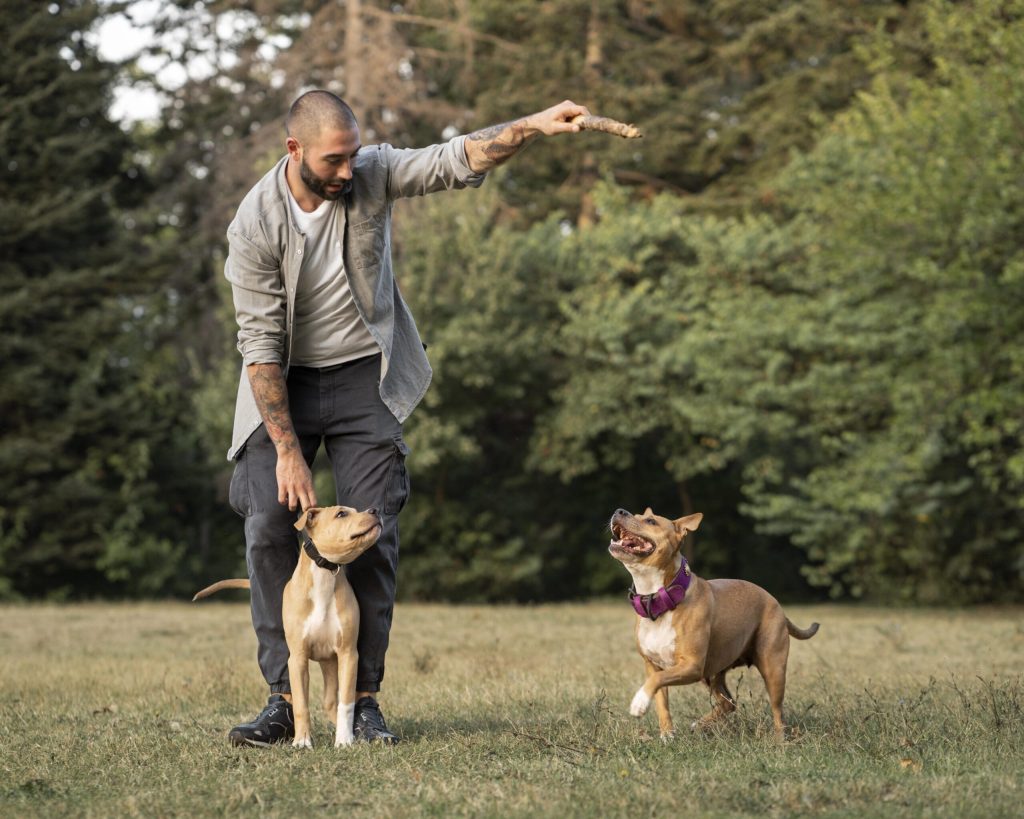
Exploring the effective integration of pet training and socialization within Nigerian communities reveals insights that not only benefit pets but also enrich the lives of their human companions, fostering a greater appreciation of the invaluable contributions pets make to our community life.
YOU MAY ALSO LIKE: Read read another article
Overcoming Barriers to Effective Training
To effectively integrate pet training with socialization in Nigerian communities, it is essential to understand the barriers that often impede progress. One significant challenge is the attitudinal perspective towards pets. In some households, especially in rural areas, animals are predominantly seen as work aids, primarily assisting in farming or guarding properties. This view can lead to neglect in terms of training and socialization, diminishing the pets’ potential to develop into well-rounded companions for their families.
The solution lies in shifting these perceptions through education and awareness campaigns. Community leaders and local veterinarians can play a pivotal role in disseminating information about the advantages of viewing pets as members of the family. Highlighting stories of successful integrations of trained pets that are well-socialized will resonate, encouraging others to rethink their approach towards animal care.
Community Engagement: A Vital Component
Engaging the community is crucial for fostering an environment conducive to the training and socialization of pets. Organizing workshops and training sessions can empower pet owners with the necessary skills. These gatherings can provide:
- Practical demonstrations of effective training techniques for various pets.
- Discussions on behavioral issues that pets may face and how to address them through socialization.
- Networking opportunities for pet owners to share experiences and best practices.
Moreover, leveraging local events such as market days or community festivals to include pet training demonstrations can attract attention. By showcasing trained dogs engaging in agility challenges or obedience exercises, community members are more likely to be intrigued by the concept of integrating training and socialization. Through visual and interactive experiences, pet owners can see firsthand the positive outcomes of investing time in their pets’ upbringing.
Leveraging Traditional Practices
In Nigerian culture, storytelling is a powerful tool for transmitting knowledge and understanding. Integrating traditional narratives that emphasize the human-animal bond can promote the importance of pet training and socialization. For instance, stories that highlight loyal dogs who have saved lives or herded livestock can illustrate the essential role trained pets play in communities. Such narratives can be adapted to reflect contemporary pet ownership, showing how these animals, when trained well, provide companionship and safety.
Furthermore, involving community elders in the conversation can lend credibility to training initiatives. Elders often possess deep-rooted respect in their communities, making their endorsement of pet training practices influential. By aligning modern training methods with customary values, a more holistic approach surfaces, benefiting both pets and their owners.
Integrating pet training with socialization is more than just an obligation; it is a pathway to enhancing the quality of life for pets and their owners in Nigerian communities. When we recognize the interdependence of well-trained pets and the overall welfare of our communities, we take a significant step towards nurturing a lifestyle that cherishes and embraces our beloved companions.
| Advantage | Explanation |
|---|---|
| Enhanced Community Bonding | Integrating pet training creates opportunities for local residents to gather, strengthening community ties through shared experiences. |
| Improved Behavioral Traits in Pets | Effective training methods lead to well-socialized pets, which can reduce incidents of aggression and improve the overall safety of communities. |
| Access to Knowledge Resources | Workshops and social gatherings provide pet owners access to vital information on animal care, fostering informed pet ownership. |
| Promotion of Responsible Pet Ownership | Training initiatives educate owners on the commitment involved in pet care, encouraging them to be responsible and compassionate in their actions. |
In Nigeria, where communities often thrive on interpersonal connections, integrating pet training with socialization can significantly enhance the relationship between humans and their pets. This not only promotes a harmonious environment but also enriches the community by encouraging collaboration and shared responsibilities. Pet owners are now becoming advocates for the well-being of their animals, realizing that through training, they can foster a sense of responsibility that in turn contributes to public safety.Additionally, the increasing interest in pet training workshops has illuminated the diverse benefits of socialization. These gatherings serve as platforms for information exchange, where budding trainers and pet enthusiasts can share their experiences and challenges. Not only do these interactions improve the pets’ behavior, but they also strengthen community bonds as residents support one another in noble endeavors. Ultimately, empowering community members to take part in training initiatives is a significant step towards nurturing a culture that values compassion and responsibility within Nigerian communities.
ADDITIONAL INSIGHTS: Expand your understanding here
Creating Safe Spaces for Socialization
Another vital aspect of integrating pet training with socialization in Nigerian communities lies in the creation of safe, designated spaces for pet activities. Parks and community centers can transform into vibrant hubs where pets can interact freely, facilitating much-needed socialization. However, to actualize this, community collaboration is essential. Local governments can partner with community organizations to establish pet-friendly parks equipped with amenities such as agility equipment, training zones, and shaded lounging areas for both pets and their owners.
Beyond physical spaces, organizing specific ‘pet play dates’ or socialization events can encourage participation. During these gatherings, pet owners can engage in guided activities where they can witness the importance of social interaction for their pets. Encouraging interactions with different breeds and ages will help puppies become well-adjusted adults and contribute to the enrichment of the community’s overall dog culture. Socialization events can also feature fun competitions, local food stalls, and informative sessions on responsible pet ownership, creating a festive atmosphere that appeals to a broad audience.
Incorporating Professional Support
Access to professional trainers, veterinarians, and behaviorists is crucial in the integration process. Workshops led by experts can provide insights into appropriate training techniques and socialization methods. For instance, organizations like the Nigerian Veterinary Medical Association can be pivotal in working with communities to offer expert advice. They can introduce behavior classes targeting common behavioral issues faced by pets in Nigeria, including aggression toward other animals or excessive barking, through tailored workshops designed for the cultural context.
The role of social media should not be underestimated in this regard. Platforms like Facebook and Instagram have seen increased use in sharing experiences regarding pet training. Local trainers can utilize these channels to provide virtual training sessions or to promote community events, allowing them to reach pet owners who may otherwise remain uninvolved. This approach broadens the scope of access, helping pet owners regardless of their geographical limitations.
Encouraging Responsible Ownership
Fostering a culture of responsible pet ownership is crucial for the successful implementation of integrated training and socialization initiatives. Educational campaigns aimed at children can prove transformative; schools could introduce programs that teach young students the responsibilities accompanying pet ownership. Incorporating lessons on empathy and the importance of training pets can cultivate a new generation of skilled pet owners who value proper socialization.
Moreover, a focus on the health aspects of pets should not be overlooked. In Nigeria, a significant number of pets face health challenges due to a lack of vaccinations or access to veterinary care. Establishing regular health check-ups in community-driven initiatives can contribute to better-trained and socially engaged pets. Healthy animals are often more willing to participate in social endeavors, making the integrations smoother and more productive.
As the awareness around responsible pet ownership grows, so too does the potential for building a dog-friendly culture throughout Nigerian communities. With every progressive step toward integrating pet training with socialization, we pave the way for a brighter future for both pets and their human families.
LEARN MORE: This related article may interest you
Conclusion: Building Bonds for a Harmonious Community
In summary, integrating pet training with socialization within Nigerian communities is not just a beneficial initiative; it is essential for fostering healthier relationships between pets and their owners. The collaborative efforts of local governments, communities, and pet professionals to create safe spaces and organized events play a critical role in nurturing well-adjusted pets. These actions not only help improve the behavioral issues prevalent in many animals but also enhance the social dynamics of their human counterparts, promoting an inclusive culture centered around responsible pet ownership.
Furthermore, the ongoing educational campaigns targeting younger generations can lay a solid foundation for future pet owners who prioritize the welfare and training of their animals. By combining knowledge with practice, we equip individuals with tools essential for developing socialized pets, leading to happier homes and neighborhoods. A focus on proactive health measures, such as community veterinary services and vaccination drives, also contributes significantly to ensuring that pets remain eager participants in socializing initiatives.
As Nigeria navigates its path toward becoming a pet-friendly society, the potential for positive change is immense. Every purposeful step taken toward this integration invites a more profound connection between pets and people, paving the way for a future where the well-being of both is championed. Engaging with local trainers, community leaders, and fellow pet enthusiasts will not only expand personal networks but also foster a vibrant community ethos where pets can thrive alongside their families. With dedication and involvement, a richer and more compassionate community experience awaits.