Maximizing Small Spaces: Optimization Strategies for Minimalist Environments
Embracing Minimalism in Compact Living
In today’s fast-paced world, small spaces have become the norm rather than the exception. Urbanization has led to an increase in population density, particularly in cities like New York, San Francisco, and Chicago, where compact living is essential. Whether living in a cozy apartment in New York City or a tiny home in the suburbs, maximizing every square foot is key. This necessity gives rise to innovative optimization strategies that can transform even the most modest environments into functional havens.
Understanding how to make the most of limited space involves several key principles that not only enhance functionality but also contribute to a soothing aesthetic. Here are some critical strategies to consider:
- Multi-functional furniture: Opt for pieces that serve multiple purposes, like a sofa bed that can be transformed into a sleeping area for guests, or a storage ottoman where you can keep blankets and books. Consider a dining table that can collapse or be extended depending on the number of guests. Innovative companies, such as Resource Furniture, specialize in transforming furniture that adapts to your needs.
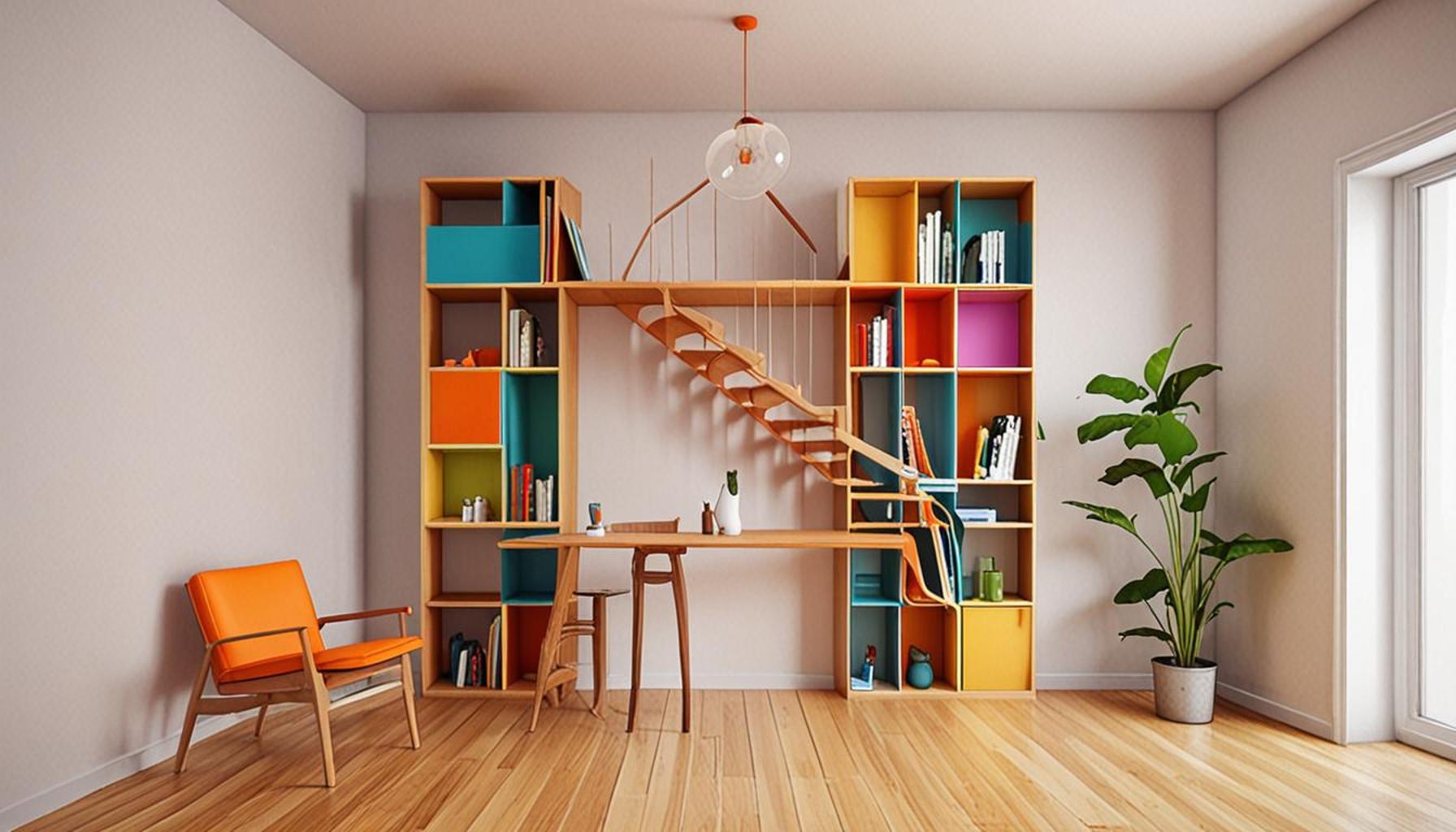
- Vertical storage solutions: Utilize wall space effectively by installing shelves and hooks. High-mounted shelves can store seasonal items while decorative hooks can hold everything from coats to kitchen tools. This tactic not only keeps items off the floor but also creates the illusion of a larger area. Brands like IKEA offer affordable shelving solutions that can be customized for any space.
- Decluttering: Streamline belongings to create a more open atmosphere. The “one in, one out” rule, where you remove an item for every new item you bring in, can be liberating. Organizing items by category and utilizing decorative baskets or bins helps maintain a tidy environment, making smaller spaces feel more inviting. Marie Kondo’s decluttering methodologies have gained popularity, encouraging individuals to keep only those items that “spark joy.”
These approaches not only enhance the aesthetics of your home but also improve its functionality. As urban living spaces shrink, the demand for practical design solutions continues to grow. Embracing minimalist environments can lead to newfound serenity and efficiency. Moreover, a minimalist lifestyle encourages mindfulness, which can positively impact overall well-being by reducing stress and distractions in our lives.
By simplifying our surroundings, we uncover a greater appreciation for the space we inhabit. As we move toward a future where compact living becomes more commonplace, exploring new design trends can inspire and empower us to create a home that reflects our personal values while meeting the practical demands of modern living.
DIVE DEEPER: Click here to discover more about mastering minimalism
Transformative Techniques for Small Space Living
Maximizing small spaces requires a keen eye for design and a willingness to embrace functionality. With the right techniques, limited square footage can evolve into an efficient living area that feels spacious and inviting. Here are some transformative strategies that can help residents of small homes unlock the full potential of their surroundings:
- Use of Mirrors: One of the oldest tricks in the book, mirrors can create an illusion of depth and make a room feel significantly larger than it is. By strategically placing large mirrors across from windows or other light sources, natural light can bounce around the room, brightening up even the most confined corners. Mirrors come in various shapes and styles, allowing you to choose designs that complement your overall decor.
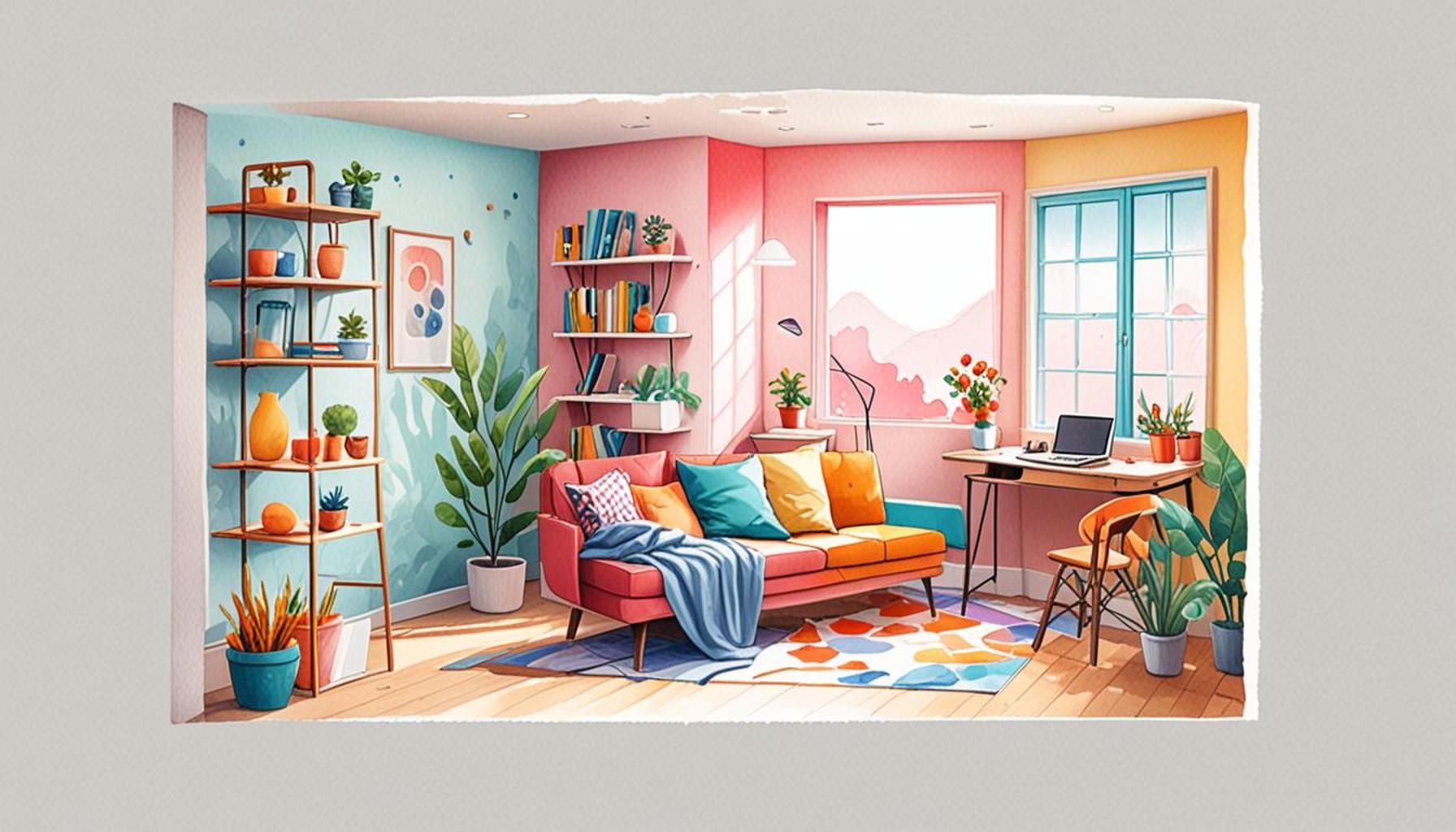
- Smart Color Choices: The colors you choose can dramatically impact the perception of space. Light, neutral shades tend to open up a room, while darker hues can make it feel more enclosed. Soft whites, pale greys, and pastels serve to reflect light, creating an airy atmosphere. Additionally, incorporating a few bold accents can add personality without overwhelming the space.
- Foldable or Stackable Items: For those who frequently entertain or simply need more space, consider investing in foldable or stackable furniture. Chairs and tables that can be neatly stored away when not in use are ideal for small apartments. This flexibility allows you to customize your space according to your needs without sacrificing style.
- Built-in Solutions: If you’re willing to take a more significant step, built-in furniture can be a game-changer. Custom shelving units, murphy beds, or bench seating can significantly maximize available space while blending seamlessly with your home’s layout. These built-ins can not only save space but also provide a designer touch that elevates the overall aesthetic.
- Creative Room Dividers: For studio apartments or open-concept spaces, using room dividers can help define boundaries without constraining the flow of the environment. Options like sliding panels, bookshelves, or decorative screens allow you to create distinct areas for sleeping, working, or relaxing while maintaining the open feel synonymous with minimalist living.
Implementing these innovative strategies can dramatically enhance the functionality of small living spaces. Each of them requires thoughtful consideration, not only regarding aesthetics but also about how the space can cater to daily routines and activities. When every piece of furniture and decor is stylish yet functional, the experience of living becomes more enjoyable and less stressful.
As we navigate the challenges posed by modest living areas, it’s essential to recognize that making the most of these environments often leads to a more fulfilling lifestyle. With minimalism at its core, the principles of maximizing small spaces allow for a calm and organized home, free of clutter and distractions—something that resonates deeply with the contemporary ethos of intentional living.
| Category | Key Features |
|---|---|
| Multipurpose Furniture | Furniture that serves more than one function, such as a sofa bed or an ottoman with storage, helps in maximizing floor space effectively. |
| Vertical Solutions | Wall-mounted shelves and cabinets enhance storage while keeping the floor area clear, a crucial aspect of minimizing clutter. |
| Decluttering Strategies | Regularly assessing and removing unused items helps maintain a tidy environment, which is essential for optimal space utilization. |
| Light and Color | Using light colors on walls and maximizing natural light creates an illusion of more space, enhancing the visual appeal of small areas. |
In the realm of small space living, these optimization strategies not only promote functionality but also contribute to an aesthetically pleasing environment. Through clever design choices, individuals can experience a smoother and more organized lifestyle. This brings us to explore further how technology integration can elevate these tactics. Solutions such as smart home systems and apps for inventory management can streamline daily activities, allowing users to fully embrace the minimalist way of living. As we proceed, we’ll delve deeper into these advanced methodologies and how they can enhance the overall atmosphere of a minimalist home.
DISCOVER MORE: Click here to enhance your productivity
Innovative Storage Solutions for Limited Room
When it comes to small spaces, effective storage solutions can mean the difference between chaos and calm. Maximizing storage not only keeps the living area organized but also allows residents to make the best use of every nook and cranny available. Here are some innovative strategies that intelligent homeowners can employ:
- Underutilized Areas: Areas such as under the bed, beneath stairs, or even over doors are often overlooked for storage opportunities. Consider using stylish under-bed storage bins or creating a dedicated area for your shoes and bags with hooks on the walls above door frames. Such clever use of often ignored spaces can lead to significant decluttering.
- Multi-functional Furniture: Look for pieces designed to serve multiple purposes, such as ottomans that double as storage boxes or coffee tables with built-in shelves. These items not only save physical space but also reduce the number of single-use furniture items, aligning with a minimalist approach.
- Vertical Space Utilization: When floorspace is at a premium, think vertically. Tall bookshelves, wall-mounted shelving units, and pegboards can draw the eye upwards and create additional storage without cramping the room. This not only helps in keeping your workspace tidy but also allows for appealing displays of books, plants, or art.
- Organizational Baskets: Baskets or decorative boxes are perfect for adding style while providing effective storage. They can be placed on shelves or counters to corral smaller items such as remote controls, chargers, or craft supplies. Opt for baskets made from natural materials to create a more inviting atmosphere.
- Hidden Solutions: Choose furniture with built-in hidden compartments, such as sofa beds that can hide away linens or coffee tables that open into spacious storage units. These hidden solutions are perfect for maintaining a clean look without sacrificing functionality.
The rise of online shopping has also provided access to a wide selection of functional-yet-stylish storage options suited for small spaces. Retailers recognize the trend of minimal living and cater to it by offering versatile designs that accommodate modern lifestyles. A simple search for “space-saving furniture” or “smart storage solutions” yields countless ideas and products that range in price and design, supporting a diverse range of interior aesthetics.
Furthermore, psychologies of minimalism show that the benefits extend beyond mere appearance; an organized space can significantly reduce mental clutter and increase productivity. Many people find that a streamlined environment helps them concentrate better and promotes overall well-being. Thus, embracing these innovative storage solutions might lead to a more peaceful and efficient living space.
As you explore ways to maximize your small environments, it is worthwhile to consider the principles of design that prioritize functionality without compromising style. With an array of products and ideas tailored specifically for minimalism, optimizing small spaces can become engaging rather than daunting, aligning with the aspiration for a more intentional and fulfilling life.
DISCOVER MORE: Click here to enhance your productivity
Conclusion: Transforming Spaces with Purpose
In the quest for a more organized and serene living environment, maximizing small spaces emerges as a compelling solution that resonates with the principles of modern minimalism. By recognizing and utilizing underutilized areas, incorporating multi-functional furniture, and embracing vertical space, homeowners can create rooms that are not only practical but also visually appealing. The innovative storage options discussed reveal the endless possibilities that exist within compact living environments, proving that creativity can triumph over constraint.
Moreover, the psychological benefits of maintaining an organized space cannot be overlooked. A well-optimized home significantly reduces mental clutter, allowing for improved focus and productivity. As you explore the dynamic world of space-saving solutions, keep in mind that every piece of furniture or décor can play a dual role. The integration of stylish yet functional designs not only enhances aesthetics but also aligns with a sustainable lifestyle choice that celebrates intentionality.
Ultimately, whether you reside in a cozy apartment or a small home, the strategies outlined in this article empower you to take control of your space. Embracing a minimalist mindset encourages you to curate your surroundings thoughtfully. As you embark on your journey of spatial optimization, remember that maximizing small spaces is more than just a practical necessity; it is an invitation to live freely and purposefully. Venture into the world of minimalist design and discover how these optimization strategies can redefine your relationship with your home.