Mindful Living and Personal Organization: Techniques for Emotional and Physical Decluttering
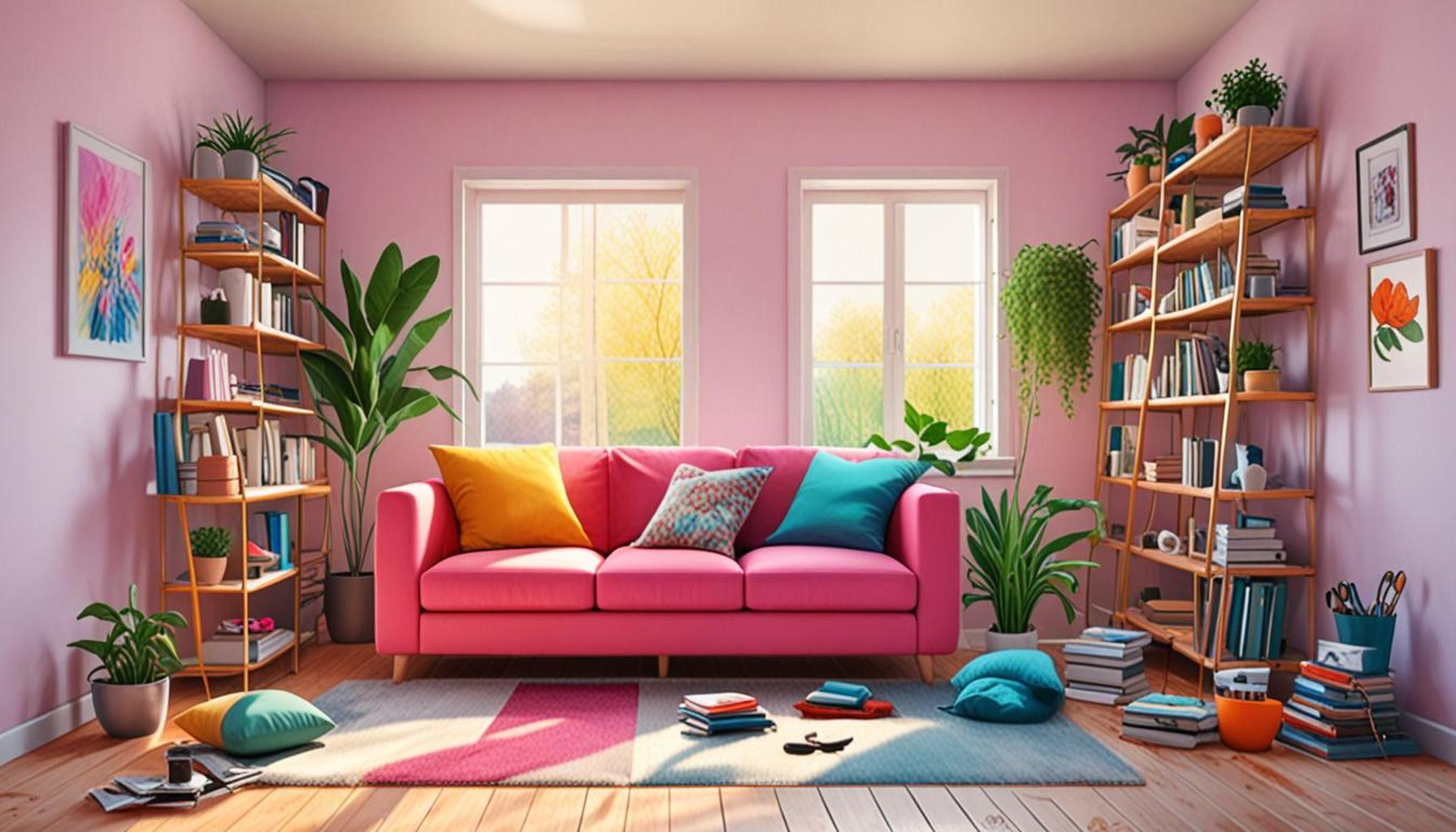
Finding Tranquility in the Everyday
In today’s fast-paced society, where technology is omnipresent, the quest for inner peace can seem like chasing a mirage. Many individuals find themselves overwhelmed by daily demands, leaving little room for introspection or relaxation. Mindful living is emerging as a potent remedy, promoting a balance achieved through heightened awareness in our routines and interactions. By consciously choosing to engage with the present moment, we can begin to reclaim our time, organizing not just our physical surroundings, but also enhancing our emotional and mental landscapes.
The Importance of Decluttering
Emotional and physical decluttering serves as a crucial bedrock for a well-balanced life. Both facets work in tandem—when one is compromised, the other usually is not far behind. Think about the overwhelming sensation of walking into a cluttered room; it’s often accompanied by a corresponding mental haze. Research suggests that clear, organized environments can lead to improved focus and reduced stress levels, offering tangible benefits to mental health.
Key Techniques for Mindful Living
To navigate this journey, consider implementing a few key techniques:
- Mindfulness Practices: Engage in activities such as meditation and deep breathing. These practices not only ground your thoughts but also foster a profound connection to your emotions. For instance, taking even five minutes to sit quietly and breathe deeply can reset your mind, making it easier to tackle the day ahead.
- Journaling: Dedicating time to write down your thoughts and feelings can be a powerful way to process emotions. By organizing your reflections in a journal, you can separate your concerns from everyday life, gaining clarity and reducing mental clutter.
- Minimalism: Embracing minimalism doesn’t mean depriving yourself. Instead, it’s about recognizing what truly brings joy and utility into your life. By reducing the number of physical items you own, you create a peaceful environment that encourages relaxation and focus. Consider the popular trend of “Marie Kondo-ing” your space, which emphasizes keeping only those items that spark joy.
- Time Management: Effective prioritization of tasks can lead to more accomplished days. Techniques like creating daily to-do lists or using time-blocking strategies can help focus your energy on what truly matters, minimizing the sense of overwhelm that often accompanies busy schedules.
Creating an Environment that Supports Well-Being
As you explore these techniques, it’s crucial to assess how your environment influences your emotional well-being. For example, studies indicate that working from home in a cluttered office can diminish productivity and elevate feelings of anxiety. By deliberately crafting a workspace that encourages focus—perhaps incorporating plants or soothing colors—you can lay the foundation for a more positive emotional state.
Living mindfully not only opens the door to emotional clarity but also paves the way for a more organized approach to life. This blend of awareness and structure enhances your ability to navigate the complexities of modern living, rendering a richer, more fulfilling experience. In embracing mindful living, you take a step towards prioritizing your mental and emotional health, making it a worthwhile pursuit in a world rife with distractions.
DON’T MISS: Click here to enhance your productivity
Transforming Your Space and Mindset
As we delve deeper into the transformative journey of mindful living, it’s essential to recognize that both our external and internal environments play a significant role in shaping our overall well-being. The act of decluttering is not just a physical task but an emotional and psychological one as well. In a world where distractions abound, creating a sanctuary that fosters peace requires intentional planning and care.
Understanding the Impact of Clutter
Clutter—both physical and emotional—can manifest in various ways. In the physical realm, stacks of unread books, unorganized papers, and an overcrowded garage can contribute to a sense of chaos, making it difficult to focus. On the emotional front, unresolved issues or unprocessed feelings can create mental clutter that distracts from productivity and creates anxiety. To better understand the effects of clutter in your own life, consider these points:
- Decreased Focus: Cluttered spaces can lead to increased distractions, making it challenging to complete tasks efficiently. Studies show that individuals in tidy environments report higher productivity levels.
- Increased Stress: Living or working in clutter can heighten stress and anxiety. Recognizing physical disarray can trigger feelings of being overwhelmed.
- Loss of Control: When overwhelmed by possessions or unresolved emotions, feelings of helplessness can build, stifling motivation and leading to procrastination.
Realizing the negative effects of clutter is the first step towards change. However, managing these overwhelming feelings doesn’t have to be complicated. The process of decluttering, both emotionally and physically, can begin with small, manageable steps.
Essential Strategies for Decluttering
Incorporating specific strategies into your daily routine can facilitate the process of decluttering and promote mindful living. Here are several effective techniques to consider:
- The One-Minute Rule: If a task takes less than one minute to complete, do it immediately. This principle helps to prevent minor tasks from piling up and becoming sources of stress.
- 30-Day Minimalism Game: Commit to removing one item on the first day, two on the second day, and so forth. This incremental approach makes decluttering manageable and rewarding.
- Mindful Cleaning: Rather than viewing housework as a chore, approach cleaning as a meditative practice. Focus on the sensory experience of cleaning and organizing, which can enhance your connection to the task at hand.
As you experiment with these techniques, remember that mindfulness is key. The goal isn’t solely to create a cleaner space, but to foster a sense of clarity and calm. Embracing a clutter-free environment can lead to emotional relief, allowing space for mental clarity, creativity, and overall well-being.
Implementing these strategies gradually can not only help in emotionally processing past experiences but also assist in physically clearing unsustainable environments. In doing so, you pave the way for a more organized and fulfilling way of life—all it takes is a mindful commitment to the present.
Techniques for Emotional and Physical Decluttering
In the journey toward mindful living and effective personal organization, understanding the connection between emotional well-being and physical space is paramount. There are numerous techniques that one can adopt to facilitate emotional and physical decluttering, creating an environment that fosters peace and productivity.
| Category 1 | Category 2 |
|---|---|
| Emotional Clarity | Identifying negative emotions tied to clutter can lead to mental relief. |
| Physical Space Management | Organizing your physical environment reduces stress levels and boosts productivity. |
Another effective technique is the use of the KonMari method, which encourages individuals to keep only those objects that “spark joy.” This approach not only declutters physical spaces but also cultivates a mindset centered on positivity and intention. By focusing on the emotional attachment to items, individuals can make conscious decisions about what to keep, paving the way for a more balanced lifestyle.
Incorporating mindful practices such as yoga or meditation can further enhance emotional regulation. Regular meditation sessions provide a safe space for individuals to confront and release pent-up feelings, which subsequently reduces the urge to hold onto unnecessary items.
Additionally, decluttering in small, manageable steps rather than overwhelming oneself with quick, large-scale projects can lead to lasting results. This gradual approach fosters a sense of achievement, making space for self-reflection and emotional growth alongside physical organization.
DISCOVER MORE: Click here to enhance your productivity
Cultivating a Mindful Living Practice
To experience the full benefits of decluttering, integrating mindful practices into your daily routine is essential. Mindfulness, the practice of being present and fully engaging with the current moment, can foster deeper self-awareness and emotional resilience. By incorporating mindfulness techniques, you not only enhance your ability to declutter but also create a sustainable lifestyle that promotes emotional well-being and productivity.
Mindfulness Techniques for Emotional Clarity
Emotional decluttering involves recognizing and processing feelings that may hinder your personal growth and peace of mind. Here are several mindfulness techniques to help achieve this clarity:
- Meditation: Allocate a few minutes each day for meditation. Whether you choose guided sessions or focus on your breath, this practice can help you observe your thoughts without judgment, bringing awareness to emotional baggage that may need addressing.
- Journaling: Writing can be a cathartic experience. Dedicate time to journaling daily or weekly, allowing your thoughts to flow freely onto the page. This can provide insights into your feelings, help identify patterns, and clarify unresolved emotions.
- Gratitude Practice: Cultivating gratitude helps shift the focus away from negative thoughts and promotes positivity. Each day, write down three things you are grateful for, fostering an attitude that can counteract feelings of overwhelm.
These mindfulness techniques not only serve to declutter the mind but can also inspire a fresh perspective on your environment and your possessions. The more emotionally balanced you are, the easier it becomes to assess what you need in your life and to relinquish what no longer serves you.
The Role of Intentionality in Organization
A significant aspect of mindful living is intentionality—making conscious choices that align with your values and goals. When it comes to personal organization, being intentional means evaluating your possessions, routines, and even relationships. Ask yourself the following:
- Does this item bring me joy or serve a purpose? Marie Kondo’s famous approach encourages individuals to keep only the items that spark joy, leading to enthusiastic decluttering.
- How does this routine serve my overall well-being? Reflect on your daily habits—from your morning routine to how you spend your evenings. Make adjustments that promote health, productivity, and happiness.
- Am I surrounding myself with supportive relationships? Relationships can be a source of emotional clutter. Evaluate which connections uplift and inspire you, and consider gently distancing from those that drain or detract from your energy.
By fostering intentional choices, you create environments and lifestyles that enhance your ability to focus and remain grounded. Mindful organization means actively curating your physical and emotional spaces, ensuring they align with your aspirations.
Adopting Minimalism for a Balanced Life
Minimalism—choosing to live with less—can significantly impact your journey towards mindful living and personal organization. It involves embracing simplicity, which not only contributes to a clutter-free space but also fosters mental clarity and peace. Here are some ways to incorporate minimalistic principles into your life:
- One-in, One-out Rule: For every new item you acquire, consider letting go of one. This habit compels you to evaluate your possessions thoughtfully and ensures you maintain a balance.
- Quality Over Quantity: Invest in quality items that last and serve you well, rather than accumulating many lesser items that may fall out of use and contribute to clutter.
- Digital Decluttering: Don’t forget your digital spaces! Regularly clean up your email inbox, unsubscribe from unnecessary newsletters, and delete apps that you don’t use. A tidy digital environment can significantly reduce overwhelm.
Minimalism can pave the way for enhanced mental focus and emotional resilience, further promoting your commitment to mindful living and personal organization. Embracing these principles may lead to a profound transformation, cultivating a sense of peace and clarity in your life.
DISCOVER MORE: Click here to dive deeper
Conclusion: Embracing Mindful Living for Lasting Change
In conclusion, the journey toward mindful living and personal organization is a transformative process that encompasses both emotional and physical decluttering. By embracing mindfulness practices—such as meditation, journaling, and gratitude—you cultivate a deeper awareness of your emotions and internal landscape. This emotional clarity not only aids in releasing burdens but also illuminates the path toward intentional living.
Intentionality plays a crucial role in personal organization. By thoughtfully evaluating what surrounds you—be it objects, routines, or relationships—you can align your life with your core values and aspirations. This conscious approach empowers you to build a supportive environment that enhances your mental and emotional well-being.
The principles of minimalism further complement mindful living by encouraging simplicity and balance. Adopting the one-in, one-out rule and prioritizing quality over quantity offers a sustainable way to manage possessions, while digital decluttering ensures that your online presence is just as serene as your physical space.
Ultimately, the commitment to mindful living and personal organization extends beyond mere decluttering; it fosters a holistic lifestyle that nurtures clarity and resilience. As you embark on this journey, remember that it is not solely an end goal but a continual practice—one that invites you to live with intention and purpose. Explore further techniques, embrace new perspectives, and unlock the potential for greater peace and fulfillment in your life.