Mindful Living and the Connection with Nature: Redefining Personal Space with Natural Elements
Understanding Mindful Living
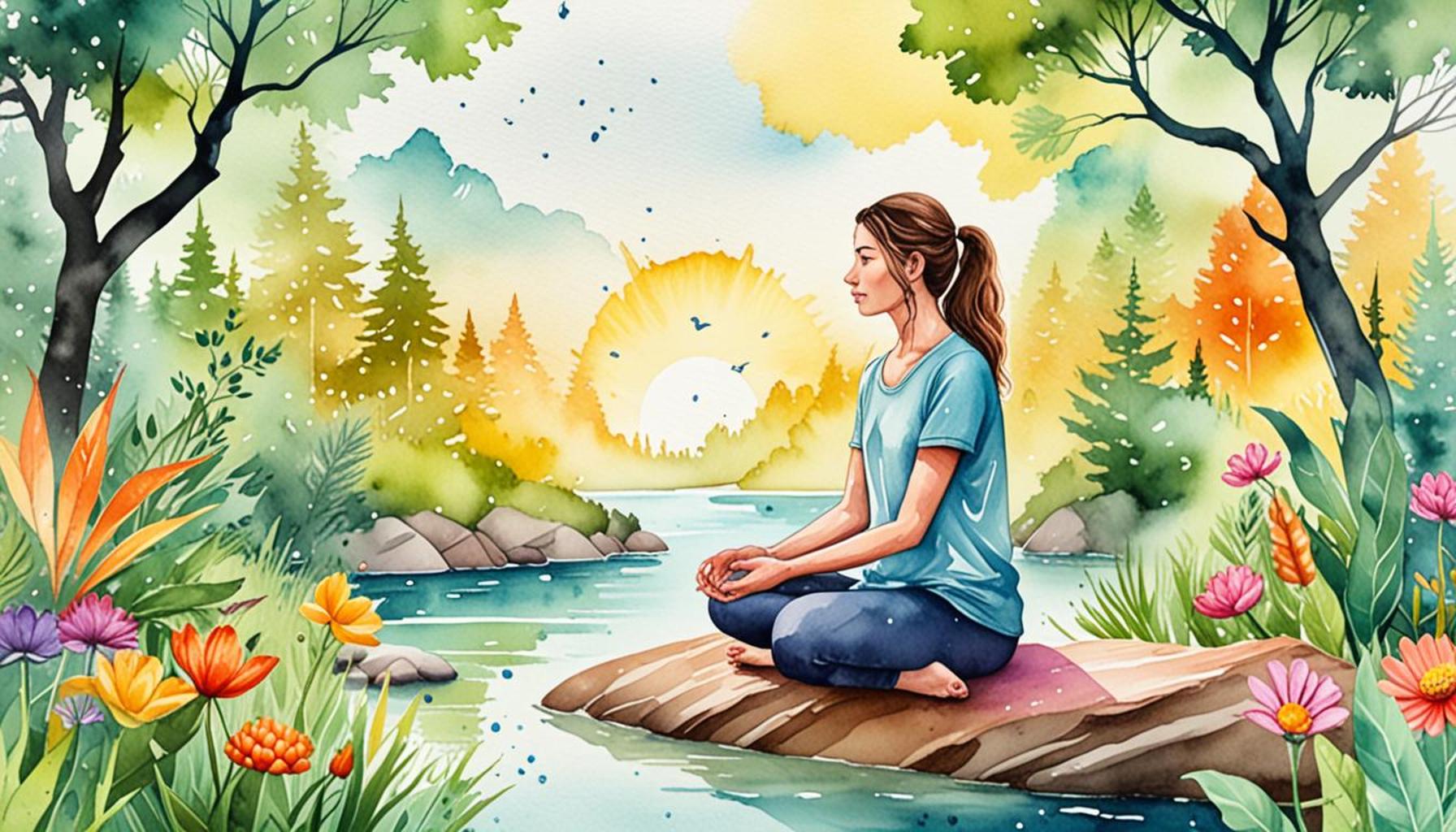
As urban environments continue to expand, so does the distance between individuals and nature. This can lead to a disconnection from the simpler, fulfilling aspects of life. Mindful living serves as a remedy to this challenge, emphasizing the importance of being present and engaged with one’s surroundings. By consciously living in tune with the environment, individuals can foster a sense of peace, balance, and fulfillment.
The Benefits of Connecting with Nature
The integration of natural elements into everyday settings not only beautifies spaces but brings numerous psychological and emotional benefits. Scientific studies have shown that exposure to nature can significantly reduce stress and anxiety. For instance, a study from the University of Exeter found that individuals who spend time in green environments experience lower cortisol levels, a hormone closely linked to stress.
Furthermore, incorporating these elements can enhance focus and creativity. Workers who can view natural landscapes from their workplaces report higher levels of productivity and creativity. Innovative companies are increasingly recognizing this, creating office spaces with large windows that offer views of parks or gardens. This design choice not only aids in artistic thinking but fosters problem-solving abilities as well.
Emotional well-being is another area where nature plays a significant role. Engaging with plants and wildlife has been shown to promote feelings of happiness and contentment. Many therapeutic practices, such as Ecotherapy, utilize nature as a foundational component, helping individuals to address mental health challenges by reconnecting them with the natural world.
Simple Ways to Incorporate Nature into Daily Life
You don’t need a vast expanse of land or a complete redesign of your home to integrate nature. Small adjustments can yield profound results:
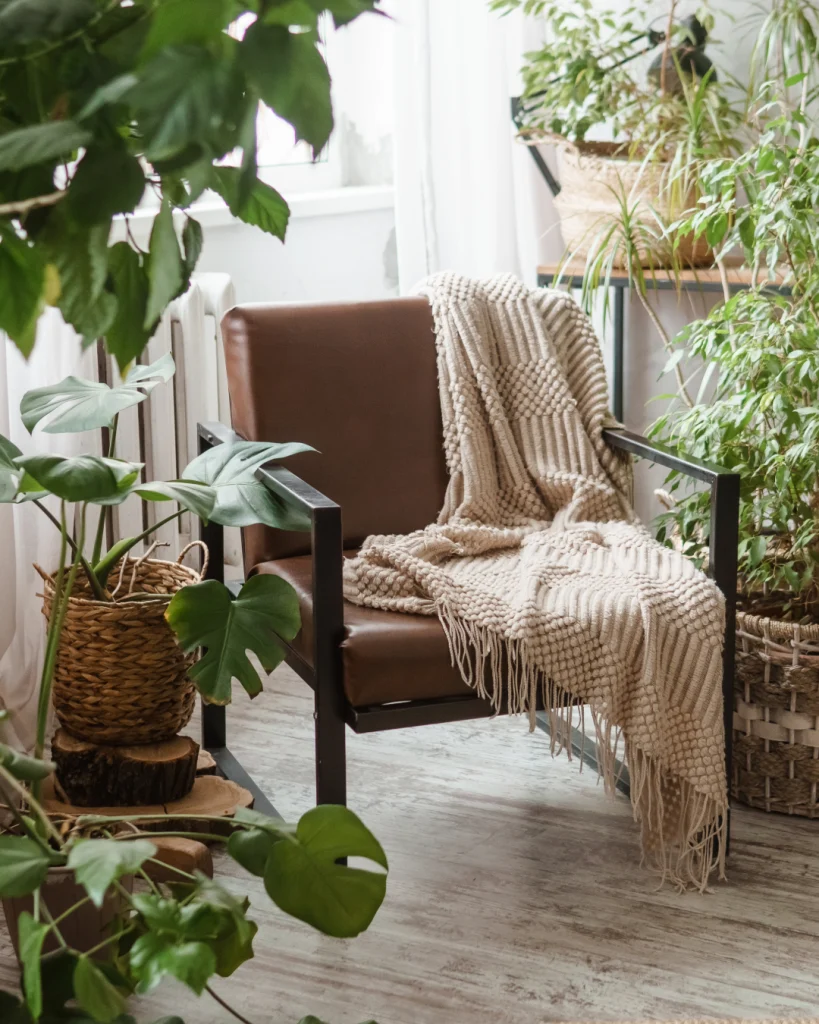
- Adding indoor plants: Having plants indoors not only purifies the air but can improve mood and productivity. Plants like snake plants or pothos are low-maintenance and suitable for various spaces.
- Utilizing natural materials: Incorporating wood, stone, and natural fibers in furniture and decor results in a more organic aesthetic. This can range from wooden tabletops to stone accent walls that evoke a sense of the outdoors.
- Creating outdoor spaces: Whether it’s a small balcony garden or a full-fledged backyard retreat, outdoor spaces provide a sanctuary for relaxation. Simple additions like comfortable seating and string lights can transform these spaces into idyllic retreats.
Conclusion
Redefining personal spaces through mindful living and natural elements enriches our lives in immeasurable ways. By fostering a conscious connection with nature, we can experience profound transformations that encourage peace and harmony. Embracing these changes is not only a personal journey but a step towards creating a more balanced lifestyle amidst the frenetic pace of modern life. Explore the journey of mindful living and discover how little changes can lead to significant, lasting impacts on your overall well-being.
DON’T MISS: Click here to uncover effective strategies
Embracing Nature in Urban Living
As city dwellers navigate bustling streets and towering skyscrapers, the struggle to maintain a sense of balance with the natural world becomes increasingly challenging. Fortunately, by adopting mindful living practices and infusing our homes and workplaces with natural elements, we can rediscover a sense of peace and harmony. This conscious approach goes beyond aesthetic pleasures; it has profound impacts on mental health and broadens our appreciation of the vibrant ecosystems surrounding us.
Integrating natural elements into your living space can yield numerous benefits that touch various aspects of life. For instance, studies reveal that the presence of plants, sunlight, or water features can significantly reduce stress and promote relaxation. The American Psychological Association highlights findings that illustrate how individuals who routinely engage with nature report higher levels of happiness and lower rates of anxiety and depression. Experiencing the sights and sounds of the outdoors—without the interference of technology—can cultivate a refreshing environment that alleviates stress and fosters mindfulness, allowing us to connect with the moment.
The Science Behind Nature’s Impact
Research into the effects of nature on the human experience has unveiled compelling insights into our psychological and physiological connections with the environment. Natural settings trigger a series of positive neurological responses that support the notion of conscious living. For example, research from the University of Utah highlights that backpackers who disconnected from their digital lives and immersed themselves in nature scored 50% higher on tests of creative problem-solving skills. This breakthrough underscores the benefits of stepping away from our screens to allow the natural world to inspire innovative thinking.
The concept of biophilia, which biologist Edward O. Wilson popularized, further strengthens the argument for integrating natural features into our daily lives. This term encapsulates our inherent desire to connect with nature, suggesting that incorporating these elements into our environment can enhance mood and cognitive abilities. Here are some practical ways to harness this connection:
- Natural light exposure: Maximizing the intake of sunlight in your home or workspace is crucial. Research has demonstrated that natural light enhances serotonin levels in the brain, which can boost overall mood and improve concentration.
- Water features: Adding small fountains, ponds, or even aquariums can create a serene environment. The gentle sounds of flowing water have been shown to reduce stress and cultivate a calm atmosphere.
- Outdoor exercise: Engaging in activities such as hiking, jogging, or practicing yoga in natural settings provides dual benefits—enhancing physical health while promoting mental clarity and emotional balance.
By making these impactful and straightforward changes to our surroundings, we can create inviting spaces that place nature at the heart of our daily experiences. As we continue to redefine our personal environments, let us harness the transformative power of nature to nurture our well-being and elevate our health. Consider the small ways you can bridge the gap between urban living and the natural world—simple adjustments can lead to profound changes in how we experience life day-to-day.
Exploring Mindful Living through Nature
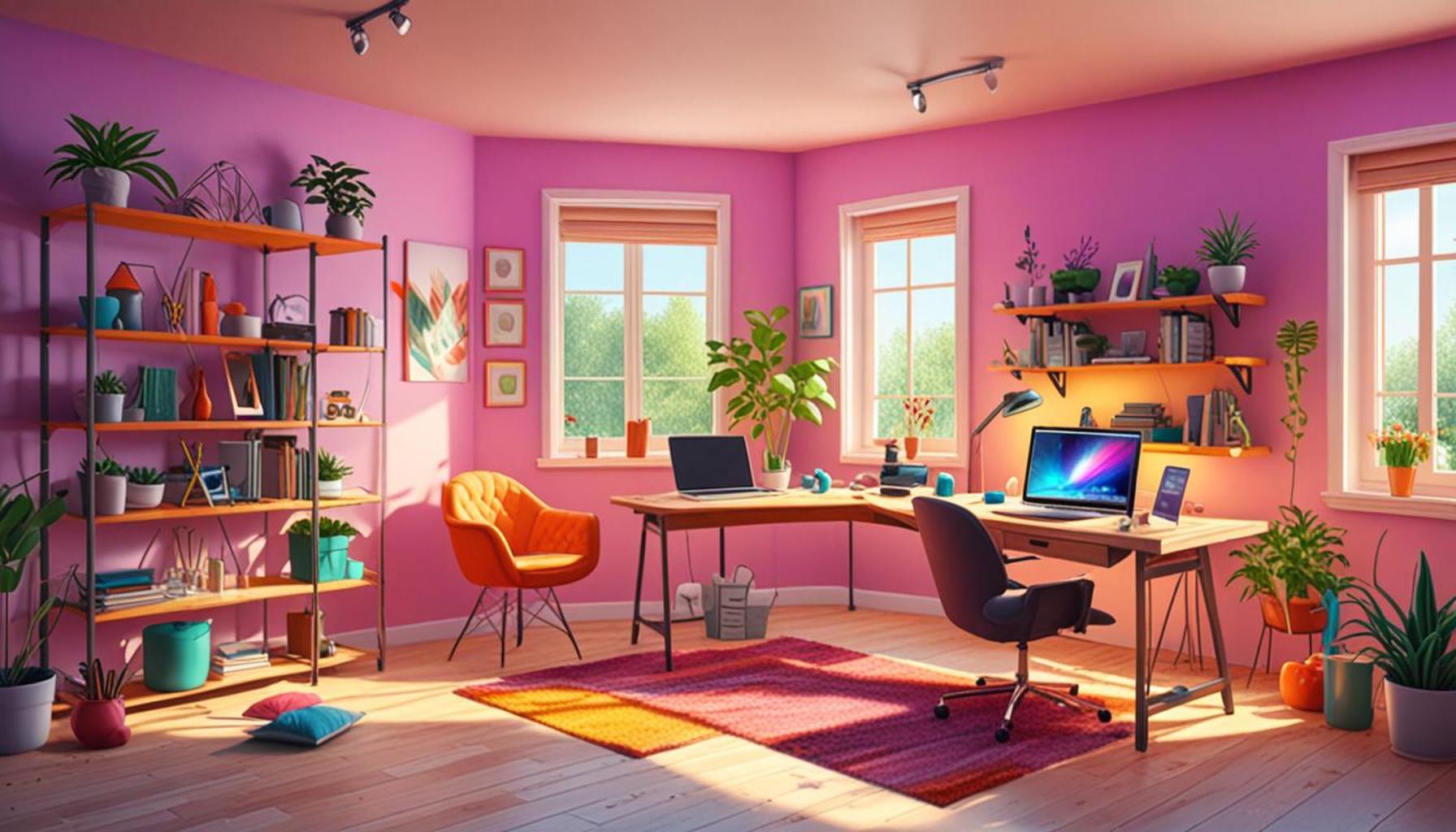
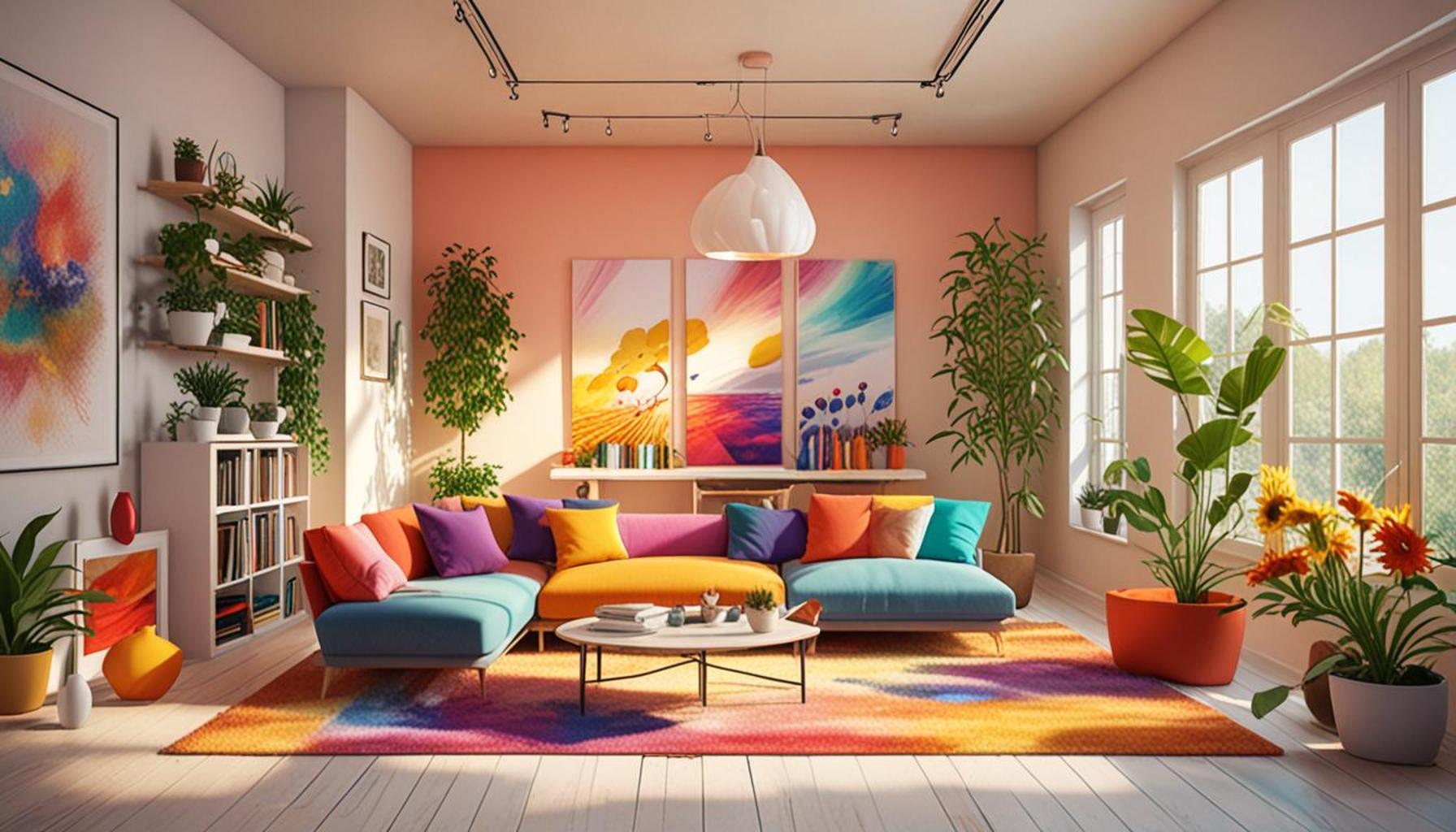
The integration of natural elements into our personal spaces can significantly enhance our well-being and encourage a more mindful approach to living. Mindful living emphasizes awareness and presence, allowing individuals to deeply connect with their surroundings. By incorporating aspects of nature, such as plants, stones, or water features, we create a serene and inviting atmosphere that promotes tranquility and mental clarity. Research shows that green spaces can help reduce stress, improve emotional health, and enhance cognitive function. When you bring nature indoors, you not only beautify your space but also create a haven that serves as a constant reminder of the natural world. This connection to nature helps cultivate a sense of belonging and grounding, which is particularly valuable in our increasingly digital and fast-paced lives.Furthermore, the aesthetic appeal of natural elements transforms our environment into a sanctuary where we can practice mindfulness effortlessly. Infusing your space with various textures, colors, and organic materials fosters versatility and expresses individuality. For example, wooden furnishings paired with a lush assortment of potted plants or natural light streaming through large windows can create a harmonious, dynamic ecosystem within your home. The challenge then becomes how to balance personal taste with mindful principles. It’s essential to choose decor and elements that resonate with you personally while adhering to sustainable practices. Sourcing locally or utilizing repurposed materials not only reflects a commitment to the environment but also delivers unique stories behind each piece.To further this connection, consider adopting rituals rooted in nature, such as morning walks, where each step can become a meditative act of observation, or gardening, which connects you directly to the earth. Each activity reinforces our ties to the natural world, reminding us that mindful living and nature are not separate elements but rather intertwined paths toward a fulfilling life. As the conversation around mindful living evolves, the significance of our connection to nature becomes increasingly apparent. As we redefine personal spaces by incorporating natural elements, we open avenues for creativity, reflection, and a profound sense of peace within our daily routines.
| Advantages | Insights |
|---|---|
| Enhanced Well-Being | Natural elements promote mental clarity and emotional health. |
| Creative Expression | Use sustainable materials to express individuality and meaningful aesthetics. |
DISCOVER MORE: Click here to enhance your productivity
Creating Meaningful Spaces with Natural Elements
Transforming personal spaces into sanctuaries that reflect a connection with nature is not merely about aesthetics—it’s about fostering a deeper sense of well-being and mindfulness. As we delve into the process of redefining our environments, it becomes essential to explore how the incorporation of natural elements can influence our emotional landscape and overall quality of life.
The concept of mindful living extends beyond engaging with nature occasionally; it envelops the mindful design of personal spaces that invite tranquility and reflection. One of the most effective ways to cultivate this intention is through the use of natural materials in our interiors. Elements such as wood, stone, and organic textiles not only contribute to the beauty of a space but also provide tactile experiences that ground us in our physical environment. A study published by the Environmental Psychology journal notes that individuals who inhabit spaces filled with natural materials often report an increased sense of satisfaction and calmness, further establishing the profound relationship between our surroundings and our mental state.
Nature-Inspired Decor
Employing nature-inspired decor, such as botanical prints or landscape photographs, can also evoke a sense of serenity. These artistic expressions provide a visual connection to the outdoors, even when physical access to nature is limited. The incorporation of vibrant colors found in natural settings—like forest greens, earthy browns, and ocean blues—can create a restorative atmosphere, leading to greater emotional stability and inner peace.
Moreover, the practice of cultivating indoor gardens or vertical greenery has gained popularity, particularly in urban environments. Herbs, succulents, and air-purifying plants not only enhance air quality but also foster mindfulness through the act of nurturing living organisms. Research from the Journal of Environmental Psychology indicates that engaging with plants can alleviate symptoms of anxiety and depression, underscoring the psychological benefits of maintaining a green thumb even within the confines of an apartment.
The Role of Outdoor Spaces
Additionally, extensively utilizing outdoor spaces can significantly enhance our connection with nature. Creating a balcony garden or a cozy patio with seating allows for peaceful retreats where one can unwind and reflect. Integrating elements such as natural stones, wooden decks, or even fire pits can set the stage for rejuvenating outdoor experiences. Engaging in outdoor meditation or yoga amidst such settings has been linked to decreased levels of cortisol, the stress hormone, promoting a state of relaxation.
Furthermore, the placement and orientation of natural features within a space should not be underestimated. Positioning plants or water elements near windows, where they can bask in sunlight, optimizes their aesthetic and emotional impact. With the knowledge that exposure to greenery can invoke feelings of happiness and calmness, a thoughtful arrangement of natural elements can significantly enhance one’s daily life.
Ultimately, as we explore various methods to integrate nature into our living environments, we uncover endless opportunities to cultivate mindful living. By embracing the natural world and allowing it to shape our spaces, we pave the way for heightened awareness, emotional stability, and a deeper appreciation of life’s simple pleasures.
DISCOVER MORE: Click here to discover the benefits
Conclusion: Embracing Mindful Living through Nature
In our fast-paced world, where technology often overshadows the natural environment, the rediscovery of mindful living through the incorporation of nature into personal spaces offers a refuge from daily stresses. As we have explored, creating environments that reflect a connection to the natural world is not just about visual aesthetics but about nurturing our mental and emotional well-being.
Through natural materials, nature-inspired decor, and the integration of plants, we can transform our homes and outdoor spaces into sanctuaries that promote tranquility, reflection, and happiness. The relationship between our surroundings and our mental state is profound, rooted in both psychological research and personal experience. Studies show that even small interactions with natural elements—be it tending to an indoor garden or enjoying time on a balcony—can significantly enhance our quality of life by reducing stress, improving mood, and fostering a sense of peace.
As we embrace mindful living, let us challenge ourselves to rethink our daily interactions with the spaces we inhabit. By consciously selecting natural elements that speak to us, we not only enrich our environments but also cultivate a deeper connection with the world around us. This intentional design invites us to slow down, appreciate life’s simple pleasures, and ultimately leads to a more fulfilling life.
In fostering mindful atmospheres filled with nature, we set the stage for a healthier, more balanced lifestyle. As this journey unfolds, let us explore and experiment with integrating the beauty of the natural world, crafting personal spaces that resonate with harmony and well-being.