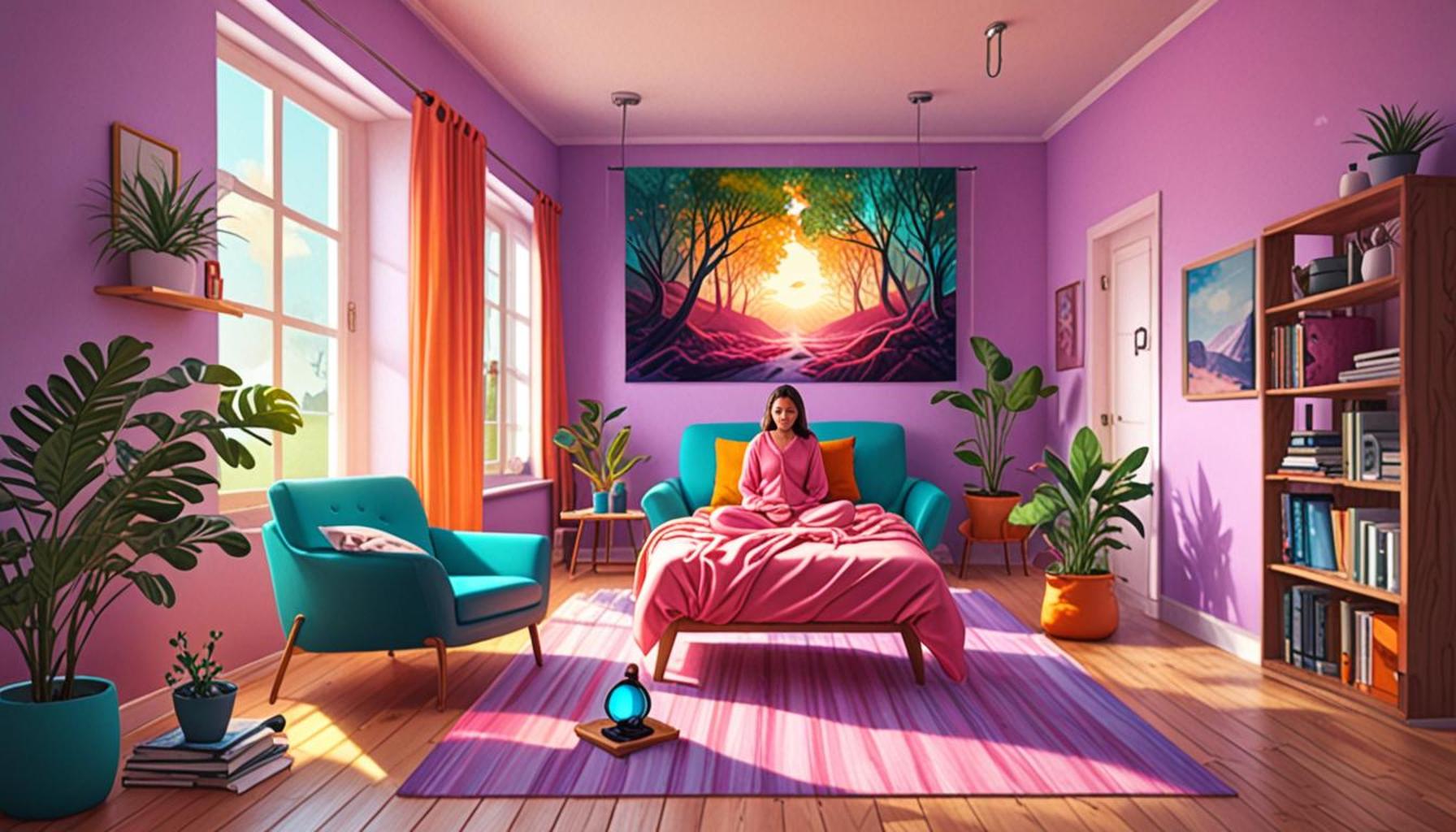
Mindful Living and the Conscious Selection of Belongings: The Art of Choosing What Truly Matters

Embracing Mindful Living
In a world overflowing with choices, the concept of mindful living emerges as a beacon of simplicity and intentionality. The art of consciously selecting what we own invites us to evaluate our belongings and their roles in our lives. It challenges us to consider not just the quantity, but the quality and significance of our possessions. This practice, rooted in mindfulness, encourages individuals to create a harmonious environment that truly reflects their inner selves and aspirations.
The Impact of Our Choices
Every item we possess carries energy and meaning that can influence our lives. This approach extends beyond mere decluttering; it is about cultivating a space that resonates with who we are at our core. Consider the following:
- Sentimental Value: Items like family heirlooms or mementos from pivotal moments foster memories and emotions. For example, a vintage photograph might evoke cherished memories of a loved one, enhancing our emotional well-being.
- Practical Use: Belongings that serve functional purposes—such as a well-used chef’s knife for cooking—can streamline daily tasks and improve efficiency. The significance lies in their ability to simplify our life.
- Aesthetic Appeal: Objects like artwork or decorative plants not only beautify our surroundings but also uplift our spirits. A carefully chosen piece can transform a bland room into an inspiring haven.
The Benefits of Conscious Selection
Choosing wisely brings numerous advantages that extend well beyond a tidy living space. The practice of mindful living leads to reduced stress, increased focus, and a heightened appreciation for what genuinely matters in life. It encourages us to engage in self-reflection by asking essential questions:
- Does this item bring me joy and resonate with my sense of self?
- Do I truly need it, or is it simply occupying space that could be better utilized?
- How does it align with my values, lifestyle, and the person I aspire to be?
As we delve deeper into the art of selecting our belongings, we uncover the profound impact this practice has on our well-being and overall happiness. By paying attention to the objects we invite into our lives, we not only reduce clutter but also promote a mindset of gratitude and intentionality. This method can lead to a more fulfilling existence, as we learn to appreciate the meaningful over the mundane.
Mindful living fosters a connection with our surroundings and empowers us to lead lives that are authentic and vibrant. As we embark on this journey of transformation, join us in exploring the principles and practices that can pave the way for a more intentional life, filled with purpose and authenticity.
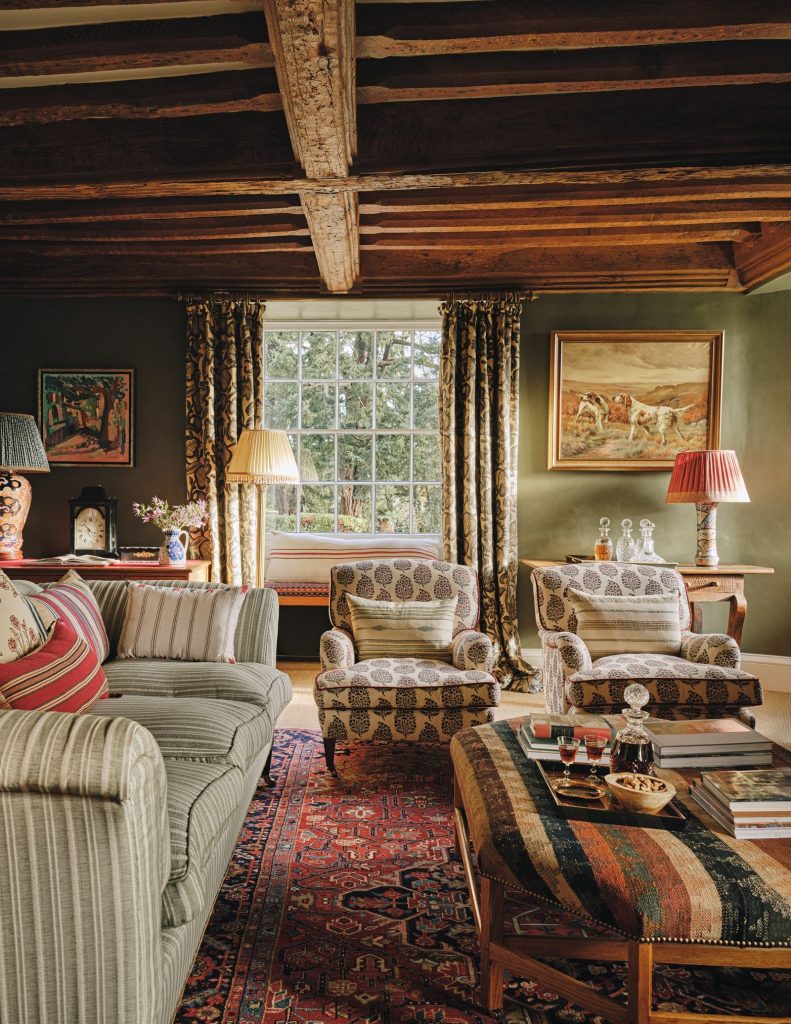
DIVE DEEPER: Click here to discover minimalist organization tips
The Journey Towards Mindful Selection
As we explore the concept of mindful living, it’s essential to recognize that the process of conscious selection extends beyond simply minimizing clutter. It involves a sincere reflection on our personal values and nurturing a lifestyle that mirrors our true selves. The journey begins with understanding the profound connection we have with our belongings, which often serve as extensions of our identity.
Understanding the Emotional Connection
Every object in our possession has a story to tell—one that intertwines with our life experiences and memories. Mindful living urges us to look closely and ask ourselves whether our cherished items continue to serve a purpose or simply act as nostalgic reminders of a past life. By evaluating our emotional connections to these objects, we can begin to discern which belongings truly enrich our lives. Consider the following categories:
- Items of Inspiration: These are possessions that ignite creativity and motivate us. A well-thumbed book on personal growth or an art piece created by a beloved friend are examples of items that inspire and fuel passion.
- Symbols of Values: Belongings that represent our core beliefs—such as a yoga mat that signifies our commitment to well-being—play a crucial role in reinforcing our identity and principles.
- Tools for Growth: Things that contribute to our personal development, like a journal for self-reflection or educational materials, serve a significant function in our pursuit of knowledge and self-betterment.
The Art of Letting Go
In the practice of mindful living, the art of letting go can be one of the most liberating experiences. The simple act of releasing items that no longer serve us can cultivate a sense of freedom and allow space for newer, more meaningful experiences in our lives. This process can create an environment that reflects our evolving selves.
When we allow ourselves to part with physical objects, we engage in an introspective practice that promotes emotional clarity. Ask yourself:
- Does this item no longer resonate with who I am or who I aim to be?
- Am I holding onto it out of obligation, habit, or fear of letting go?
- Could someone else benefit from this item more than I am currently?
Through these reflective questions, we can harness the power of intentionality, creating space for the things that genuinely enhance our lives. Mindful living fosters an environment that nurtures growth and authenticity, progressively leading us to a lifestyle that celebrates the beauty in simplicity.
As we delve deeper into the essence of choosing what truly matters, let us embrace the transformative journey towards a life rich in purpose and fulfillment.
As we embark on the journey of mindful living, it becomes increasingly vital to understand the implications of our choices. The art of choosing what truly matters extends beyond mere aesthetics; it reshapes our experience and interaction with the world around us. By consciously selecting our belongings, we cultivate a life filled with purpose and clarity.
This concept of conscious selection raises several critical points, particularly in the realm of sustainability and mental well-being. By choosing fewer but more meaningful possessions, we not only reduce clutter but also mitigate the overwhelming sensation of excess. A well-curated space often reflects our values, aspirations, and the joy of simplicity, highlighting the importance of each item we choose to keep.
Moreover, this practice can lead to improved mental clarity. In a society inundated with distractions, focusing on what truly matters helps in honing our intentions. By understanding the benefits of a minimalist yet meaningful lifestyle, we foster greater happiness while paving the way for deeper connections with others and ourselves.
Exploring these ideas leads naturally to the advantages that arise from mindful decision-making. For instance, living with intention cultivates emotional resilience, as we learn to let go of attachments that no longer serve us. This shift not only enriches our lives but also echoes a broader societal change that values quality over quantity.
| Category 1 | Category 2 |
|---|---|
| Sustainability | Choosing eco-friendly, sustainable products reduces waste and promotes environmental health. |
| Emotional Clarity | Fostering a simplified living space enhances mental clarity and reduces stress. |
In essence, the practice of mindful living and the conscious selection of belongings not only enriches our individual lives but also promotes a holistic approach to personal growth and societal impact. By aligning our choices with our core values, we set the foundation upon which a meaningful existence can thrive.
DISCOVER MORE: Click here to learn about innovative storage solutions
Curating a Mindful Environment
As we delve further into the practice of mindful living, the emphasis on curating a mindful environment becomes paramount. Our surroundings significantly influence our mental, emotional, and spiritual well-being. A thoughtfully arranged space resonates with our inner values and fosters a sense of calm and clarity. When we take the time to consciously select our belongings, we enhance not just our physical space but also our mental landscape.
Creating a Personal Sanctuary
To cultivate a sanctuary that aligns with your essence, start by evaluating how various spaces in your home make you feel. Is your bedroom a peaceful retreat or a chaotic assembly of forgotten items? The objective is to transform each area into a personal reflection of serenity and purpose. For instance:
- Inviting Natural Elements: Incorporating plants or natural elements into your space can boost mood and promote relaxation. Research from environmental psychology suggests that having indoor plants can reduce stress by creating an atmosphere of tranquility.
- Choosing Calming Colors: Colors play a critical role in how we feel within a space. Soft blues and greens can evoke feelings of calm, while vibrant colors like yellows and oranges can energize and inspire creativity. Take the time to choose a palette that resonates with your desired energy.
- Ergonomic and Comfortable Furnishings: Invest in furniture that is not only aesthetically pleasing but also comfortable and supportive. Our surroundings should encourage us to adopt mindful postures and ease, which in turn can facilitate a more reflective state of mind.
Mindful Shopping: Conscious Consumerism
Mindful living also extends into how we approach shopping. The stakes of consumerism are high in the U.S., with individuals inundated by marketing strategies that promote excessive acquisition of goods. Mindful shopping advocates for conscious consumerism—an approach where each purchasing decision becomes a deliberate act rather than a habit. This requires asking:
- Is this item essential, or is it a fleeting desire driven by external pressures?
- Does this purchase align with my values and the lifestyle I aspire to lead?
- What is the environmental or social impact of this product?
By prioritizing quality over quantity, selecting ethically sourced products, and supporting local artisans, we contribute to a sustainable economy and cultivate a sense of fulfillment in our choices. Interestingly, a study from the Journal of Positive Psychology highlights that experiences and emotions linked to purposeful consumption often result in greater satisfaction than material possessions.
The Ripple Effect of Mindful Living
The journey of mindful living and conscious selection of belongings doesn’t just impact one’s own life; it sets a ripple effect into motion within our communities and beyond. As we become more discerning in our approach, we inspire those around us to reassess their own belongings and choices. Communities that adopt these principles often thrive on shared values of sustainability and mindfulness, creating an atmosphere where emotional connections to items are celebrated rather than dismissed. One example of this can be found within minimalism groups across the United States, where individuals gather to exchange insights on decluttering and sharing resources.
As we navigate this intricate landscape of possessions and choices, let us continue to embrace the core tenets of mindful living by engaging with our belongings thoughtfully and intentionally, discovering how our choices weave their way into the tapestry of our lives.
DISCOVER MORE: Click here for practical decluttering tips
Conclusion: Embracing Mindful Living
The journey of mindful living and the conscious selection of belongings is not merely a trend; it is a transformative lifestyle choice that has profound implications for our well-being. By taking charge of our environments and being intentional with our possessions, we can create spaces that resonate with our true selves, promoting tranquility and purpose in our daily lives. Each choice we make reflects our values and aspirations, reinforcing the idea that not all belongings are created equal—what matters most is the emotional connection and significance they hold.
Moreover, the ripple effect of embracing mindful living can extend beyond personal benefits, fostering a sense of community and shared values. As individuals share insights and experiences rooted in sustainability and intentionality, they inspire one another to cultivate mindful habits within their families and neighborhoods. Communities that prioritize these principles often thrive on reduced clutter, increased emotional richness, and a strong sense of solidarity.
In navigating a consumer landscape overflowing with distractions, it becomes crucial to redefine our approach towards acquisition. By committing to conscious consumerism, we not only take a stand for sustainable choices but also cultivate a landscape where emotional fulfillment outweighs the allure of material possessions. Ultimately, the art of choosing what truly matters lies in understanding that our belongings should serve as vessels of memories, values, and intentions, leading to a more fulfilling life.
As we take steps towards integrating mindful living into our lifestyles, let us remain curious, intentional, and reflective in our choices. The desire for a meaningful life begins with what we allow into our environments—so let’s choose wisely.