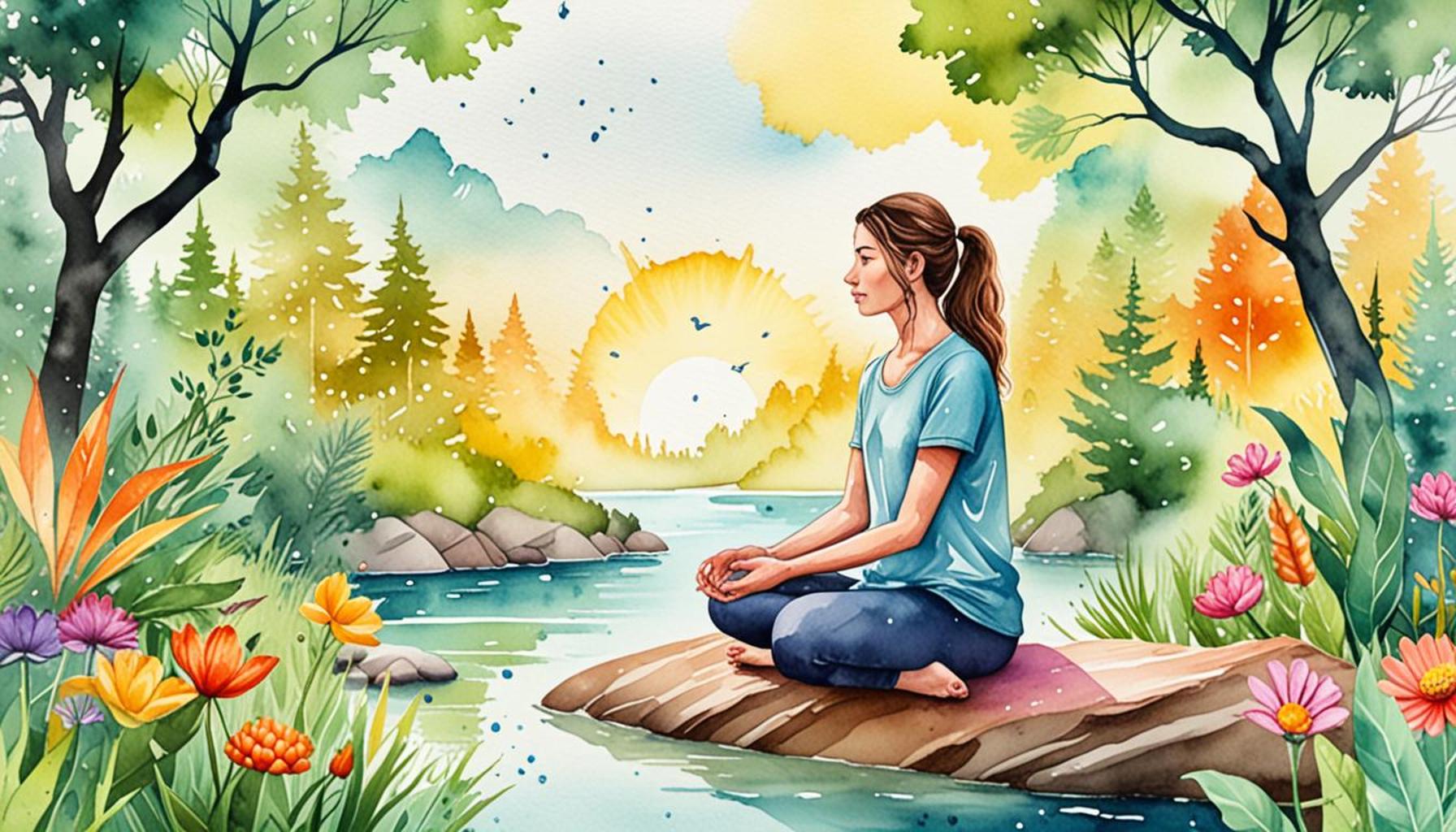
Mindful Living and the Practice of Gratitude: A Minimalist Approach to Valuing What Truly Matters

The Importance of Mindful Living
In our modern world, where the pace of life seems to accelerate daily, many individuals find themselves caught in a whirlwind of obligations, distractions, and an overwhelming barrage of information. This state of constant busyness often leaves people feeling unfulfilled and disconnected from their core values and desires. Introducing the concept of mindful living, which encourages a transformative way to engage with the world by fostering deeper awareness and presence in every moment.
Mindful living is not just a trend; it is a lifestyle choice that can fundamentally change how we perceive our everyday experiences. By adopting a minimalist mindset, you can begin to reclaim time and energy otherwise spent on unnecessary distractions. For instance, reducing clutter in your home can lead to a clearer mind. Studies suggest that a tidy environment can enhance focus and productivity, enabling you to enjoy tasks without feeling overwhelmed. A less cluttered space allows for a peaceful atmosphere, inviting you to engage fully with your surroundings.
Furthermore, prioritizing experiences over material possessions is a significant aspect of mindfulness. For example, rather than accumulating the latest gadgets or fashion items, consider investing in experiences that create lasting memories, like traveling to a national park or attending a concert. Research supports that memories associated with experiences provide greater long-term happiness than the temporary satisfaction of buying goods.
The Role of Gratitude
Complementing mindfulness is the powerful practice of gratitude. When individuals take a moment to reflect on what they appreciate in their lives, they often notice a profound shift in their perspective. Rather than fixating on what is missing, gratitude helps us celebrate what we do have. This shift is not merely anecdotal; numerous studies have verified that maintaining a gratitude journal, where one actively lists things they are thankful for, can lead to marked improvements in mental health, enhancing overall life satisfaction.
Expressing gratitude also strengthens our relationships. For instance, simply taking the time to thank a friend or family member for their support fosters deeper connections and builds trust. In turn, these valuable relationships can contribute to greater emotional resilience, providing a supportive network during challenging times.

Integrating these practices into your daily life can seem daunting at first, but it does not have to be. Start small—dedicate a few minutes each day to mindfulness exercises like meditation or deep breathing, and jot down three things you are grateful for. Over time, these small shifts can lead to more significant changes.
By embracing mindful living and the practice of gratitude, you can navigate life’s complexities with a clearer mind and a fuller heart. As you explore the principles of minimalism, you will prioritize what genuinely enriches your life, setting the stage for a path not only toward fulfillment but toward a deeper sense of joy and purpose.
DISCOVER MORE: Click here for tips on enhancing your productivity
Nurturing Awareness Through Mindful Living
To fully embrace the ideas behind mindful living, one must understand the importance of awareness. Mindfulness invites individuals to step back from the chaos of everyday life, facilitating a deeper connection to the present moment. It is about observing your thoughts, feelings, and environment without judgment, which empowers you to make conscious choices rather than reactive ones. Studies suggest that practicing mindfulness can not only reduce stress but also enhance creativity and improve focus, making it a powerful tool for personal growth.
The concept of mindfulness can be integrated into various aspects of daily life. Here are a few practical suggestions to create a more mindful existence:
- Set Intentions: Begin your day by defining what you want to achieve. Setting clear intentions can guide your actions and decisions, ensuring that they align with your values.
- Mindful Eating: Take time to savor your meals by eliminating distractions like phones or television. Focus on the tastes, textures, and aromas of your food, turning each meal into a sensory experience.
- Nature Connection: Spend time outdoors whenever possible. Nature has a unique ability to ground us, allowing us to reconnect with the world around us.
- Dedicating Time for Reflection: At the end of each day, reflect on your experiences, acknowledging your thoughts and emotions without judgment. This practice fosters self-awareness and helps you to process your day.
As you engage in mindful practices, it is essential to leave behind the “more is better” mentality that often permeates American culture. Instead of constantly seeking new experiences or possessions, focus on finding joy in simplicity. For instance, consider adopting a minimalist lifestyle, where you intentionally choose to own fewer possessions that add genuine value to your life. This shift can lead to profound transformations, allowing you to cultivate appreciation for what you have.
A minimalist approach intertwined with mindfulness can manifest in various ways, from decluttering your living space to simplifying your commitments and even your social interactions. As you reduce the excess in your life, you may find that your mental clarity improves, leading to a greater sense of fulfillment and happiness. Numerous studies indicate that a minimalist lifestyle correlates with lower stress levels and improved emotional well-being.
Ultimately, mindful living is about creating space for what truly matters. When you prioritize genuine connections and meaningful experiences over material goods, you celebrate the richness of life in its simplest forms. This intentional way of living aligns perfectly with the practice of gratitude, as you cultivate a heart and mind open to appreciating the everyday blessings that often go unnoticed.
| Advantages | Impact on Mindfulness and Gratitude |
|---|---|
| Enhanced Focus | Mindful living allows individuals to concentrate on the present moment, reducing distractions and promoting clarity of thought. |
| Increased Happiness | Practicing gratitude regularly fosters a positive outlook, improving overall emotional well-being and life satisfaction. |
| Simplification of Life | Adopting a minimalist approach encourages individuals to let go of excess possessions, making room for what truly matters. |
| Deeper Connections | Mindfulness nurtures quality interactions with others, enhancing relationships and fostering mutual appreciation. |
The practice of mindful living intricately intertwines with embracing gratitude, creating a profound impact on our lives. Enhanced focus is one of the immediate benefits; when we become present in the moment, our ability to concentrate improves significantly. This clarity helps in recognizing the small joys and moments of happiness that often go unnoticed. Moreover, increased happiness follows the routine of gratitude; studies have shown that those who consistently express gratitude experience an uplifted mood and greater satisfaction in life. By simplifying our lives through minimalism, we actively prioritize what truly matters—relationships, experiences, and personal growth—over material possessions. As we declutter not just our physical spaces but also our mental landscapes, we make way for deeper connections with others. This mindfulness allows for interactions that are more meaningful and appreciative, reinforcing the importance of both gratitude and conscious living. Embracing these practices is not merely a trend—it is a necessary evolution toward a more fulfilled existence.
DISCOVER MORE: Click here to enhance your productivity
Integrating Gratitude into Daily Life
Just as mindful living requires a commitment to awareness, the practice of gratitude demands intention and integration into one’s daily routine. Gratitude is often defined as the act of recognizing and appreciating the positives in life, regardless of their size. This practice can significantly enhance mental and emotional well-being, fostering a sense of connection not only to oneself but also to the community and the world at large.
Research has demonstrated that cultivating gratitude can improve psychological health, increase happiness, and even boost physical health. A study published in the journal “Clinical Psychology Review” found that people who actively practiced gratitude reported fewer symptoms of depression and anxiety. However, implementing gratitude requires more than just acknowledgment; it involves actively expressing and sharing this appreciation with those around you.
Here are effective methods for integrating gratitude into your day-to-day life:
- Gratitude Journaling: Dedicate a few minutes each day to write down things you are thankful for. This could be as simple as a delicious meal or a friendly interaction. Over time, this practice trains your brain to focus on the positive aspects of life.
- Expressing Gratitude: Take the time to verbally express gratitude to others. Whether it’s a simple thank you to a co-worker or a heartfelt note to a friend, communicating your appreciation reinforces your connections and strengthens bonds.
- Gratitude Rituals: Incorporate gratitude into your existing routines. For instance, take a moment to reflect on what you’re thankful for while sipping your morning coffee. Such rituals infuse gratitude into mundane activities, making them more purposeful.
- Mindful Reminders: Set reminders throughout your day to pause and think about something you are grateful for. These small nudges help maintain a focus on gratitude, making it a consistent part of your life.
While it may be easy to take the people and experiences in your life for granted, embracing a practice of gratitude allows you to shift your perspective, highlighting what truly matters. As you navigate through various situations—whether joyous or challenging—reminding yourself of what you appreciate can transform the way you engage with life.
Moreover, as you embrace this minimalist approach to gratitude, you begin to value less tangible experiences over material possessions. Instead of seeking external validation through consumerism, you find satisfaction in moments spent with loved ones, in nature, or even in solitude. Engaging in activities that promote shared experiences, such as hiking, attending community events, or participating in volunteer work, can enhance your sense of connection and belonging.
In today’s fast-paced society, the value of presence often gets overshadowed by a desire for instant gratification. By shifting your focus towards gratitude and awareness, you anchor yourself in the present, appreciating life’s fleeting moments. Many studies indicate that individuals who actively engage in gratitude report higher levels of life satisfaction, reinforcing the link between gratitude and fulfillment.
As you cultivate mindfulness and gratitude, you inherently adopt a more minimalist approach—not just in terms of physical possessions but also in prioritizing what adds genuine value to your life. This powerful combination paves the way for greater awareness, deeper connections, and an enriched existence, allowing you to recognize that true contentment lies not in what we have, but in how we appreciate what we experience.
DISCOVER MORE: Click here to boost your clarity through mindful living
Embracing a New Perspective
In a world that constantly pushes for more—more possessions, more achievements, and more validation—the fusion of mindful living and the practice of gratitude offers a refreshing perspective on what truly matters. By adopting a minimalist approach, we can declutter not just our physical spaces, but also our mental landscapes, allowing for a deeper appreciation of life’s simpler, yet significant, treasures.
As we reflect on our experiences, it becomes evident that fulfillment is less about the accumulation of belongings and more about our capacity to connect with the present moment. Integrating gratitude into everyday life encourages us to acknowledge the simple joys—a warm cup of coffee, a shared laugh with a friend, or a quiet moment of solitude. This shift in focus enhances our overall well-being and fosters a sense of community and interdependence that enriches our lives.
Furthermore, the act of sharing gratitude can create ripples of positivity, reinforcing social bonds and increasing our emotional resilience. As studies highlight the psychological benefits of gratitude, such as reduced anxiety and enhanced happiness, it becomes clear that these practices do not merely enhance our outlook—they transform our lives. By prioritizing experiences over acquisitions, we cultivate a lifestyle that values authenticity and presence.
Ultimately, embracing mindful living and gratitude invites us to redefine our criteria for happiness. In recognizing that true contentment arises from valuing what we have rather than desiring what we do not, we unlock a deeper, more meaningful existence. As we embark on this journey, may we find that the essence of life lies not in having more, but in cherishing what we possess, creating a life rich with purpose and joy.