Mindful Living: Cultivating Awareness and Simplicity in Personal Relationships

Exploring the Path to Mindful Living
In today’s ever-accelerating society, where notifications chime incessantly and multitasking has become an unwritten rule, the ability to connect meaningfully often slips through our fingers. This is where mindful living enters the stage, providing a framework for us to slow down, pause, and truly engage with ourselves and the people around us. When we cultivate mindfulness, we do not just enhance our personal experiences; we enrich our relationships, transforming them into profound sources of joy and fulfillment.
Key Aspects of Mindful Living
Bringing mindful living into daily life requires a thoughtful approach. Here are three key aspects to consider:
- Awareness: This means being fully present in the moment. When engaging in conversation, it involves listening intently, noticing non-verbal cues, and being aware of your own feelings and reactions. For example, during a conversation with a friend, instead of mentally preparing your reply while they speak, focus on their words, tone, and body language.
- Simplicity: Reducing unnecessary complexities in interactions can lead to richer connections. Strive for straightforward communication; instead of assuming or beating around the bush, express your thoughts clearly. This can be as simple as saying, “I appreciate you,” rather than expecting the other person to guess your emotions.
- Intentionality: Approach every relationship with clear intentions, fostering mutual respect and understanding. Setting positive intentions can be as simple as deciding to give your full attention when someone shares their stories or concerns.
Benefits of Mindful Living
Adopting a mindful way of living can substantially benefit your interpersonal relationships and your overall well-being:
- Stronger Connections: Practicing empathy enhances understanding. When we actively listen and understand others’ perspectives, relationships deepen.
- Reduced Conflict: Mindful living equips us to navigate disagreements gracefully. Imagine approaching a conflict with the intention to understand rather than to win; this often leads to more productive conversations.
- Enhanced Satisfaction: By embracing simplicity and authenticity, we can find joy in our relationships. Enjoying small moments—like laughter with friends or a peaceful dinner with family—can foster a deeper appreciation for everyday life.
Embracing mindful living reshapes our relationships and shifts how we perceive ourselves. As you explore this transformational path, consider how a dedication to awareness and simplicity can revolutionize your interactions. The journey toward mindfulness is an invitation to cultivate deeper emotional connections and a more meaningful existence in our bustling world.
DISCOVER MORE: Click here to enhance your focus
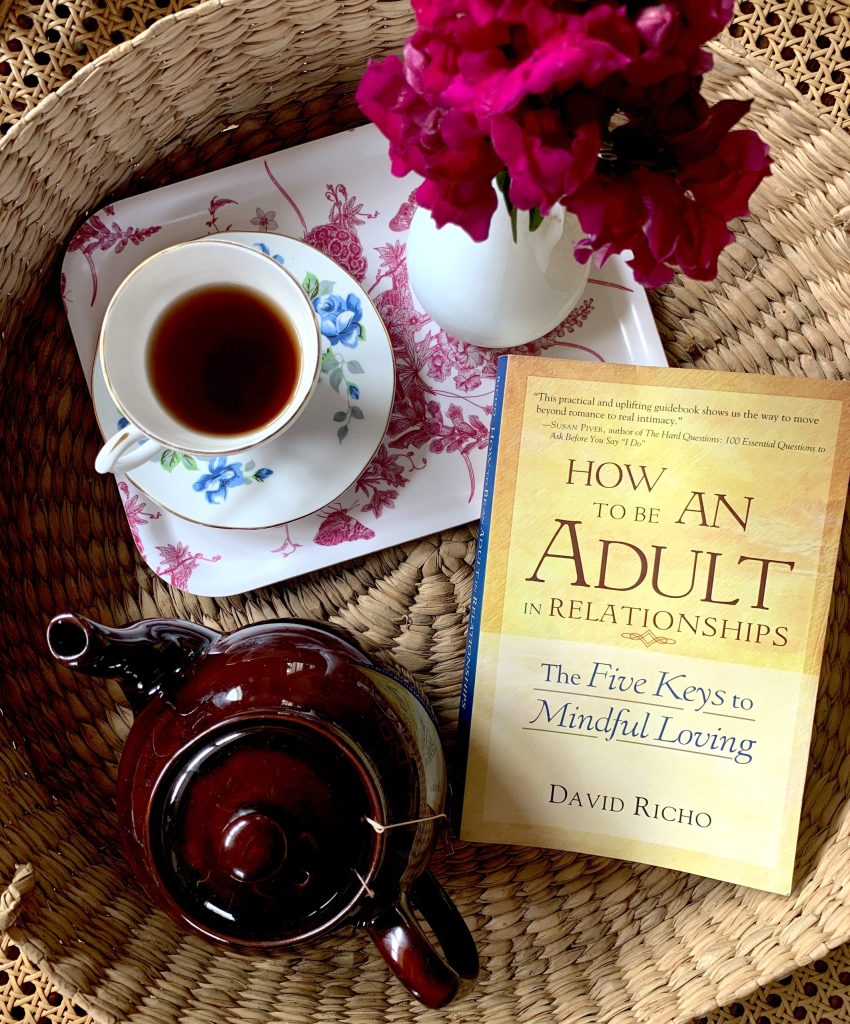
Practicing Mindfulness in Everyday Interactions
The foundation of mindful living in personal relationships lies in our ability to truly engage with those around us. This engagement goes beyond being physically present; it requires a mental and emotional commitment to the moment at hand. In a society where distractions abound—from smartphones buzzing with notifications to the distractions of everyday life—remaining present can be challenging. However, the rewards of fostering this presence are profound, ultimately enhancing the quality of our connections.
The Art of Active Listening
One of the cornerstones of mindful living is active listening. This practice involves focusing entirely on the speaker, which means putting aside your own thoughts and responses momentarily. It is about truly understanding the message being conveyed, not just waiting for your turn to speak. To cultivate this skill, consider implementing the following techniques:
- Maintain Eye Contact: This simple act shows respect and engages the speaker, encouraging a deeper dialogue.
- Acknowledge Emotions: Recognize and validate the feelings expressed by your conversation partner. Phrases like, “I can see this really matters to you,” can enhance emotional connection.
- Ask Open-Ended Questions: Encourage deeper conversation by asking questions that cannot be answered with a simple “yes” or “no.” For example, ask, “What led you to feel that way?”
Creating Space for Vulnerability
Mindful living also invites us to create a safe space for vulnerability in our relationships. When we approach each other with openness and honesty, we foster a culture of trust. This environment enables individuals to express their true selves, leading to more meaningful connections. Be prepared to share your own feelings and concerns as well, as vulnerability often begets vulnerability.
Begin to notice how the pace of your interactions changes when you stay present and engaged. The beauty of mindful living lies not just in the quality of communication, but also in the depth of our emotional experiences. Being mindful of those around us means anticipating their needs and responding with compassion.
Practicing Gratitude in Relationships
Another vital aspect of mindful living is cultivating a sense of gratitude. Taking time to appreciate the people in our lives can transform our outlook and deepen our connections. Reflect on the positive qualities of those you cherish. Expressing gratitude can be a daily practice, ranging from a simple “thank you” to a heartfelt letter detailing what you appreciate about someone. This act not only enhances your relationships but also fosters a positive mental state, reinforcing the good that exists in your life.
As we embrace these mindful practices, we begin to realize the power of awareness and simplicity in enriching our personal relationships. Through active listening, creating space for vulnerability, and practicing gratitude, we pave the way for a more fulfilling and connected existence. By committing to this path, we not only benefit ourselves but also contribute positively to the lives of those around us.
| Advantage | Description |
|---|---|
| Improved Communication | Mindful living fosters active listening, enhancing mutual understanding and reducing conflicts in relationships. |
| Stronger Connections | By focusing on presence and simplicity, individuals can deepen emotional bonds, leading to healthier interactions. |
In the realm of mindful living, enhancing personal relationships is paramount. Through improved communication, individuals can cultivate a spirit of openness and trust. When partners engage in mindful dialogue, they not only express their thoughts but also attune themselves to the needs and feelings of others. This practice dismantles barriers often caused by assumptions and misinterpretations.Moreover, adopting a simple lifestyle allows individuals to divert attention from distractions and focus on what truly matters—the shared experiences and emotional support that can build strong connections. The act of prioritizing time together leads to a foundation of mutual respect and understanding, enriching relationships through meaningful interactions. Mindfulness in personal relationships sets the stage for growth and resilience, empowering individuals to navigate the complexities of human connection with grace and intentionality. Through these practices, one can discover profound benefits that extend far beyond the individual, creating a ripple effect of positivity and simplicity.
DIVE DEEPER: Click here for essential tips on boosting your time management!
Nurturing Compassion and Empathy
In the journey toward mindful living, cultivating compassion and empathy is essential for fostering deeper connections in our personal relationships. These elements allow us to step into another person’s shoes and understand their emotions and experiences, creating a sense of belonging and community. Research by the Greater Good Science Center at UC Berkeley indicates that practicing empathy not only benefits those around us but also enhances our own mental well-being.
The Role of Empathetic Communication
Empathetic communication involves more than just understanding; it encompasses responding in a way that acknowledges another’s feelings. This means not only listening to the words spoken but also being attuned to non-verbal cues—such as body language, tone of voice, and facial expressions. Here are some practical ways to incorporate this practice into your interactions:
- Reflect and Paraphrase: After someone shares their thoughts, try to summarize what they’ve said to ensure understanding. This not only shows that you’re listening but also allows the speaker to clarify any misinterpretations.
- Use “I” Statements: Sharing your feelings using “I” statements (e.g., “I feel hurt when…”) can open the floor for more understanding. This approach prevents the listener from feeling attacked and encourages them to respond empathetically.
- Mind Your Tone: Be aware of how your tone may affect the message being conveyed. A warm and gentle tone can foster a sense of safety and openness.
Embracing Simplicity in Expectations
Another aspect of mindful living is learning to simplify our expectations of others. Often, we create complex scenarios in our minds, expecting certain behaviors or responses from our loved ones. Realizing that everyone is on their own journey can liberate us from these burdens.
Adopting a mindset of simplicity means acknowledging that relationships can thrive without demanding perfection. For instance, it’s healthy to understand that a friend might not always be available for every event, or that a partner may need time to process their feelings. This approach not only relieves pressure on our relationships but also allows space for authentic interactions. Consider practicing these techniques to promote simplicity:
- Adjust Your Mindset: Shift your perspective from one of judgment to one of acceptance. Understand that every individual has their struggles, and sometimes they may not meet our expectations.
- Communicate Preferences, Not Ultimatums: Instead of expressing demands, communicate preferences in a gentle manner. This opens up a dialogue without placing undue pressure on the other party.
- Allow for Imperfection: Recognize that mistakes are an inherent part of relationships. Embrace the beauty in imperfections as they provide opportunities for growth and understanding.
Mindful Conflict Resolution
Conflicts are a natural part of any relationship, but how we approach them can significantly impact our connections. Practicing mindful conflict resolution involves addressing disagreements with composure and respect, seeking to understand the underlying emotions driving each person’s position. Techniques to facilitate this process include:
- Pause Before Responding: Taking a moment to breathe and think before reacting can prevent escalated emotions and allow for a more thoughtful response.
- Focus on Solutions: Instead of getting caught up in the heat of the moment, steer the conversation toward finding solutions together. This shift from blame to collaboration enhances mutual respect.
- Set Boundaries: Clearly communicate your boundaries, but remain flexible. Understanding each other’s limits can prevent hurt feelings and foster mutual respect.
By integrating compassion, empathy, and simplicity into our interactions, we cultivate a mindful approach that enhances the richness of our personal relationships. These practices not only nurture the bonds we share with others but also create a more harmonious environment for ourselves. As we strive to embody these principles, we can transform our relationships into sanctuaries of understanding and compassion.
DISCOVER MORE: Click here to find out how to declutter your mind
Final Thoughts on Mindful Living in Relationships
In an age marked by distractions and hurried interactions, mindful living encourages us to cultivate a more intentional and aware approach to our personal relationships. By embracing principles such as compassion, empathy, and simplification of expectations, we can actively enhance our connections with family, friends, and partners. The journey towards mindfulness requires a commitment to being present and responsive, allowing us to truly listen and understand one another.
With the adoption of empathetic communication techniques, such as active listening and mindful responses, individuals can foster deeper ties that appreciate the nuances of each relationship. Moreover, when we choose to simplify our expectations, we not only alleviate self-imposed pressures but also create a space where love and understanding can flourish. It is through these practices that we can turn challenges, including conflicts, into opportunities for growth and deeper intimacy.
As we navigate our interactions with a newfound focus on awareness and simplicity, personal relationships can transform into sources of comfort and strength. Ultimately, by making mindfulness a cornerstone of our interpersonal dynamics, we create a rich tapestry of connections that nurture our emotional well-being and contribute positively to our lives. The journey to mindful living in relationships is not just a practice; it can be a way of life that brings profound joy and understanding to both ourselves and those we cherish.