Mindful Living Strategies for Organizing Spaces and Creating Calm Environments
Creating a Tranquil Environment for Mindful Living
In today’s fast-paced world, mindful living is more than a trend; it’s a necessity. As we navigate through busy schedules and endless distractions, creating spaces that promote tranquility and intentionality becomes essential for our well-being. The hustle and bustle of daily life can often lead to feelings of overwhelm, making it crucial to establish calming environments where we can recharge.
By incorporating mindful strategies into our environments, we can enhance our focus, reduce stress, and foster a sense of peace. Not only do these changes benefit our mental health, but they can also improve our overall physical well-being. Here are some effective approaches to integrate mindfulness into your daily spaces:
- Decluttering: A cluttered space can lead to a cluttered mind. Start by removing unnecessary items from your surroundings. Focus on keeping only those that bring you joy or serve a purpose. This can be as simple as organizing your workspace or clearing out a few drawers at home. Over time, you’ll find that a minimalist approach encourages a clearer mindset and reduces anxiety.
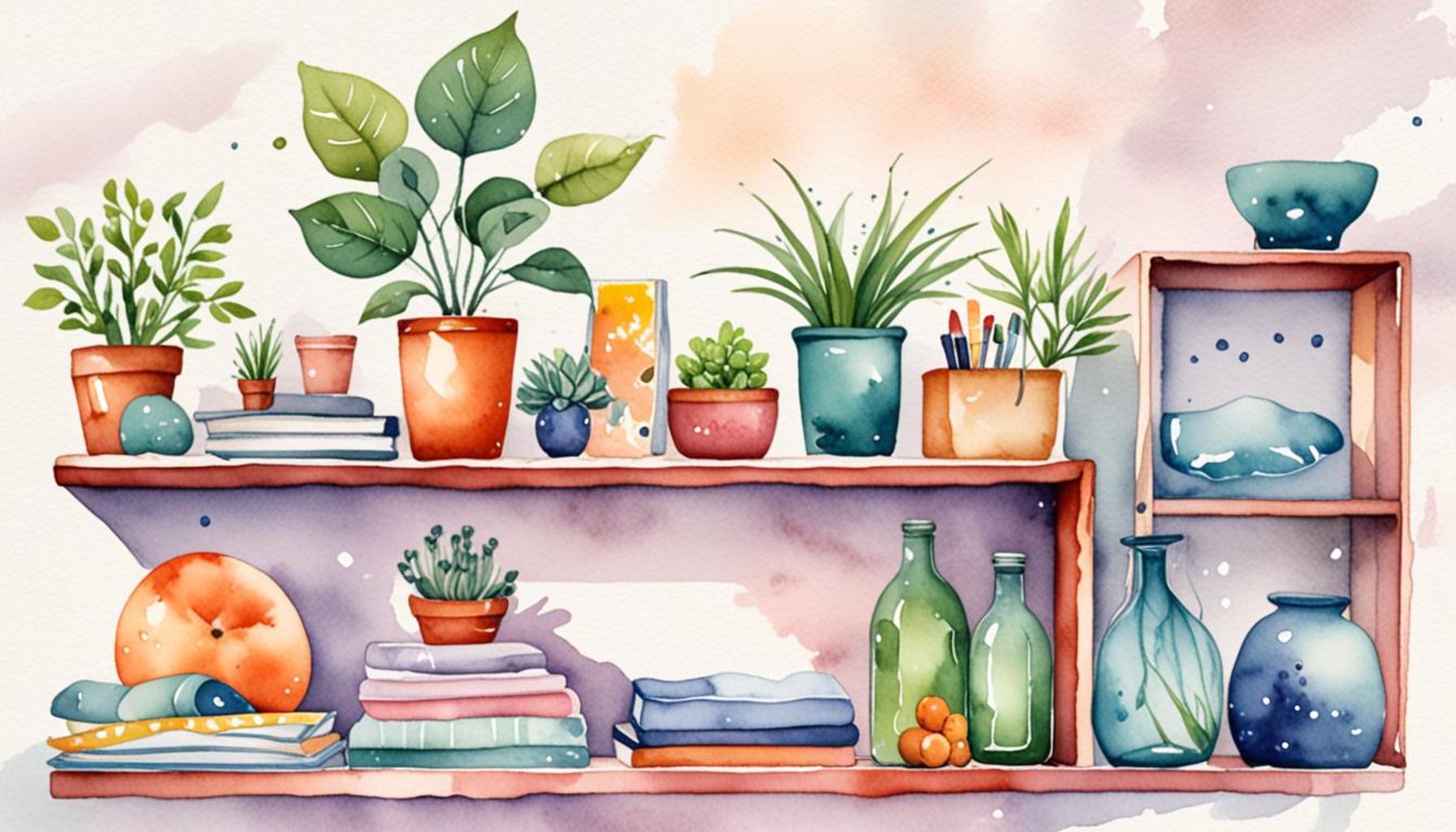
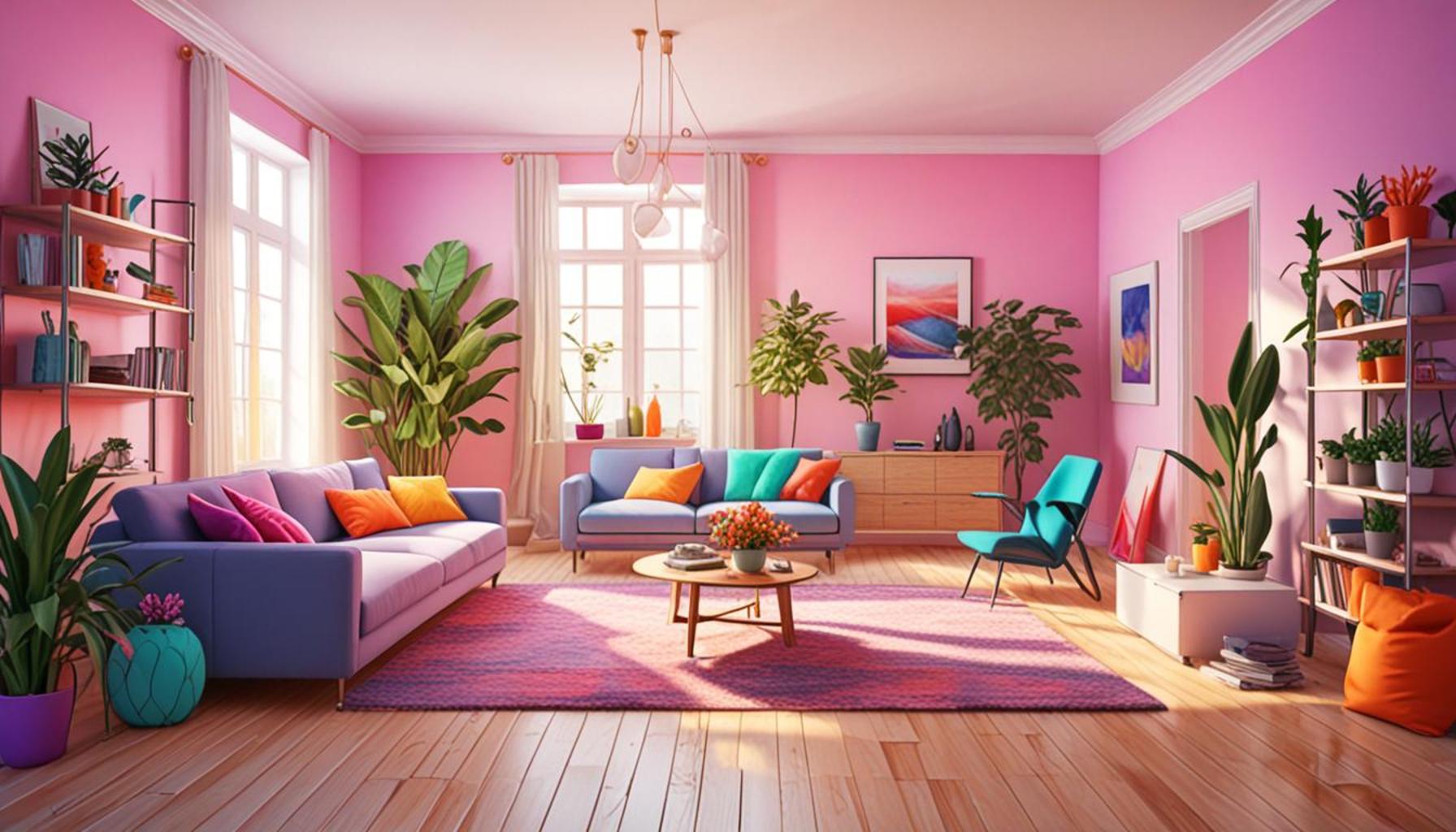
- Natural Elements: The integration of plants and natural light has a dramatic effect on our mood and well-being. Studies show that houseplants can improve air quality and increase feelings of relaxation. Additionally, maximizing natural light can help regulate our circadian rhythms, promoting better sleep and increased energy levels. Consider adding a few low-maintenance plants, such as succulents or snake plants, and rearranging furniture to allow more sunlight to flow through.
- Organized Zones: Designing specific areas for distinct activities can significantly enhance focus and productivity. For instance, creating a dedicated meditation space or a cozy reading nook can invite you to engage in those activities more regularly. Use furniture and decorative elements that reflect your personal style, making each zone inviting and functional.
Utilizing these methods not only transforms our surroundings but also cultivates a calming atmosphere conducive to mindfulness. The effects of a serene environment can be profound, leading to increased creativity and clarity of thought. By embracing mindful living strategies, we can pave the way for a balanced lifestyle, ultimately benefiting both our mental and physical health.
Join us as we explore more ways to enhance your environments, encouraging a lifestyle filled with peace and purpose. Simple changes to your home or workspace can create a sanctuary of calm, where mindfulness can thrive. From incorporating calming scents, like lavender or eucalyptus, to using soft, soothing colors in your decor, the options are limitless. Discover how these adjustments can turn ordinary spaces into havens of tranquility, fostering a sense of balance in your everyday life.
DISCOVER MORE: Click here to learn about the emotional benefits of decluttering
Transforming Spaces with Mindful Strategies
Creating a positive emotional and psychological impact within our living and working spaces requires intention and focus. Mindful living strategies not only clear physical clutter but also promote mental clarity. When each object has its designated place, and when defined areas are available for specific activities, our surroundings transform into catalysts for relaxation and productivity.
Mindful Cleaning Rituals
The practice of cleaning can be elevated to a form of mindfulness. Rather than viewing cleaning as a mundane chore, approach it as an opportunity for reflection and grounding. Take deliberate steps to engage fully in the task at hand. While dusting, consider the thoughts that arise; as you wipe down surfaces, visualize the release of negativity or stress. When approached mindfully, cleaning becomes less about achieving perfection and more about creating a serene space.
Curating Calming Decor
The way we decorate our spaces profoundly affects our mental state. By choosing calming colors such as soft greens, blues, and neutrals, you can instill a sense of tranquility. Warm, natural hues evoke feelings of earthiness and comfort, while bright colors can be stimulating and overwhelming. Combine colors with textures; soft fabrics and natural materials can transform any environment and foster a sense of calm. Consider incorporating:
- Artwork: Select pieces that inspire serenity, such as landscapes or abstract works that radiate balance.
- Lighting: Opt for soft, warm lighting. Avoid harsh fluorescent lights; instead, embrace lamps with dimmable features or natural light as much as possible.
- Aromatherapy: Utilize essential oils or candles with soothing scents like lavender, chamomile, or sandalwood to create a peaceful atmosphere.
Establishing Mindful Rituals
Consider introducing daily rituals to your routines that reinforce mindfulness. Simple practices like morning stretches, meditation, or journaling can ground your day. Dedicating just a few minutes in a peaceful space specifically designed for these activities can significantly enhance your experience. When you enter this space, you mentally prepare to shift your focus inward, facilitating relaxation and encouraging a more mindful existence throughout the day.
At its core, mindful living is about creating spaces that nurture and support our well-being. By applying these strategies, you can transform even the simplest areas into havens of mindfulness. The result is not merely an organized space, but a holistic approach to living that embraces peace and tranquility in every aspect of life. Discover how these shifts resonate deeply within, sparking a flow of calm and clarity that permeates both your environment and your mind.
| Category | Key Features and Benefits |
|---|---|
| Decluttering Techniques | Implementing the Marie Kondo method can lead to greater mental clarity and focus, transforming chaos into tranquility. |
| Mindful Design Elements | Incorporating natural light and plants into your space enhances air quality and mood, promoting a serene environment. |
Creating a calm environment is more than just a trend; it’s a vital approach towards emotional and mental well-being. Mindful living strategies encompass ways to optimize your space to reflect tranquility and balance. This can be achieved through conscious decluttering, where each item in your home is evaluated for its value and purpose, thus creating a space loaded with meaning rather than excess. By employing methods like the Marie Kondo Method, you can ensure that your living space becomes a source of inspiration rather than stress.Moreover, the integration of mindful design elements, such as biophilic design that encourages connection with nature, greatly enhances our ability to relax and recharge. The presence of plants, natural sunlight, and open spaces encourages a sense of peace. Embracing these strategies invites clarity and reduces sensory overload, ultimately contributing to a healthier state of mind and a more fulfilling home life. As you explore these ideas, consider how small changes can lead to significant improvements in your surroundings and lifestyle.
DIVE DEEPER: Click here to discover how to bring serenity into your space
Enhancing Spaces with Intentional Elements
To create an environment that reflects calmness and promotes mindfulness, we must consider not only the physical layout of our spaces but also the intentional elements we choose to incorporate. Each object, every color, and the arrangement of our spaces can act as a subtle influence on our mood and mindset. By integrating these mindful living strategies into our surroundings, we engage in a relationship with our environment that supports our mental and emotional well-being.
Implementing Minimalism
In a world that often glorifies abundance, minimalism serves as a powerful antidote to chaos. Embracing minimalism means consciously selecting the items that populate your space, choosing quality over quantity. Consider a decluttering session each season to reevaluate what you truly need and cherish. Start by focusing on one area at a time, allowing for the satisfaction of tangible progress. Studies suggest that a clutter-free environment significantly reduces anxiety, fostering a clearer mind and a more peaceful state of being. In the United States, popular minimalist influencers and documentaries have shown how reducing clutter can promote greater fulfillment through less distraction and more focus on what really matters.
Incorporating Natural Elements
Biophilic design—the practice of connecting interior spaces with nature—can have profound effects on mental health. Bringing the outdoors inside can be as simple as adding houseplants, which not only purify the air but also introduce life and vibrancy to your environment. Research indicates that exposure to nature can lower stress levels and enhance mood. Consider the following natural elements:
- Indoor Plants: Varieties such as peace lilies, snake plants, and pothos are known for their air-purifying qualities and resilience.
- Natural Light: Maximize sunlight in your spaces by keeping windows clear and using sheer curtains to filter light. Natural light boosts serotonin levels and enhances overall well-being.
- Natural Materials: Incorporate materials like wood, stone, and bamboo into your furnishings. These elements not only bring an organic touch but also promote a sense of grounding and connection to the earth.
Creating Designated Zones
Dividing your space into designated zones tailored to specific activities can enhance focus and mindfulness. For instance, establish a dedicated area for work that encourages productivity, separate from relaxation spaces that invite peace. Use furniture arrangements, rugs, or even room dividers to create these zones, ensuring they are visually distinct and equipped with the appropriate resources. The act of physically separating spaces cultivates an environment where your brain can associate particular settings with specific tasks—like a workspace that fosters creativity or a meditation nook that evokes tranquility.
When strategically organized, these zones can help to reduce distractions, allowing you to fully immerse yourself in the activity at hand. Furthermore, when combined with mindful rituals, these spaces can serve as anchors for your mental wellness journey, reminding you to remain engaged in the present moment.
By consciously employing these mindful living strategies, you create not just organized spaces, but sanctuaries that resonate with calm and serenity. The true essence of mindful living lies in crafting environments that reflect our inner values, supporting our journey towards a more harmonious existence.
DISCOVER MORE: Click here to enhance your productivity
Final Thoughts on Mindful Living Strategies
In our fast-paced world, adopting mindful living strategies offers a pathway to create organized spaces that promote peace and clarity in both mind and spirit. As we explore the importance of minimalism, natural elements, and designated zones, it becomes clear that the spaces we inhabit can profoundly influence our overall well-being. Minimalism encourages us to prioritize what we truly value, shedding the excess that distracts us from our goals and aspirations. The incorporation of natural elements not only beautifies our environments but also nourishes our mental health, reminding us of the tranquility that nature provides.
Furthermore, establishing designated zones empowers us to engage in specific activities with purpose, fostering a sense of presence and focus. Rather than being mere backgrounds for our daily lives, our surroundings can transform into sanctuaries that enhance our mindfulness journey. As we curate our environments with intention, we create a canvas where serenity can flourish and mental clarity can thrive.
In conclusion, by implementing these mindful living strategies, we are invited to engage deeply with our spaces and foster a harmonious lifestyle. Investing time in crafting environments that resonate with calm not only enriches our individual experiences but also contributes to a collective sense of well-being in our communities. As we continue to explore and refine our spaces, let us remain open to the insights they offer, allowing them to guide us toward a more balanced and fulfilling life.